
Sparkling Baking Sheets: Your Guide to a Brand New Shine
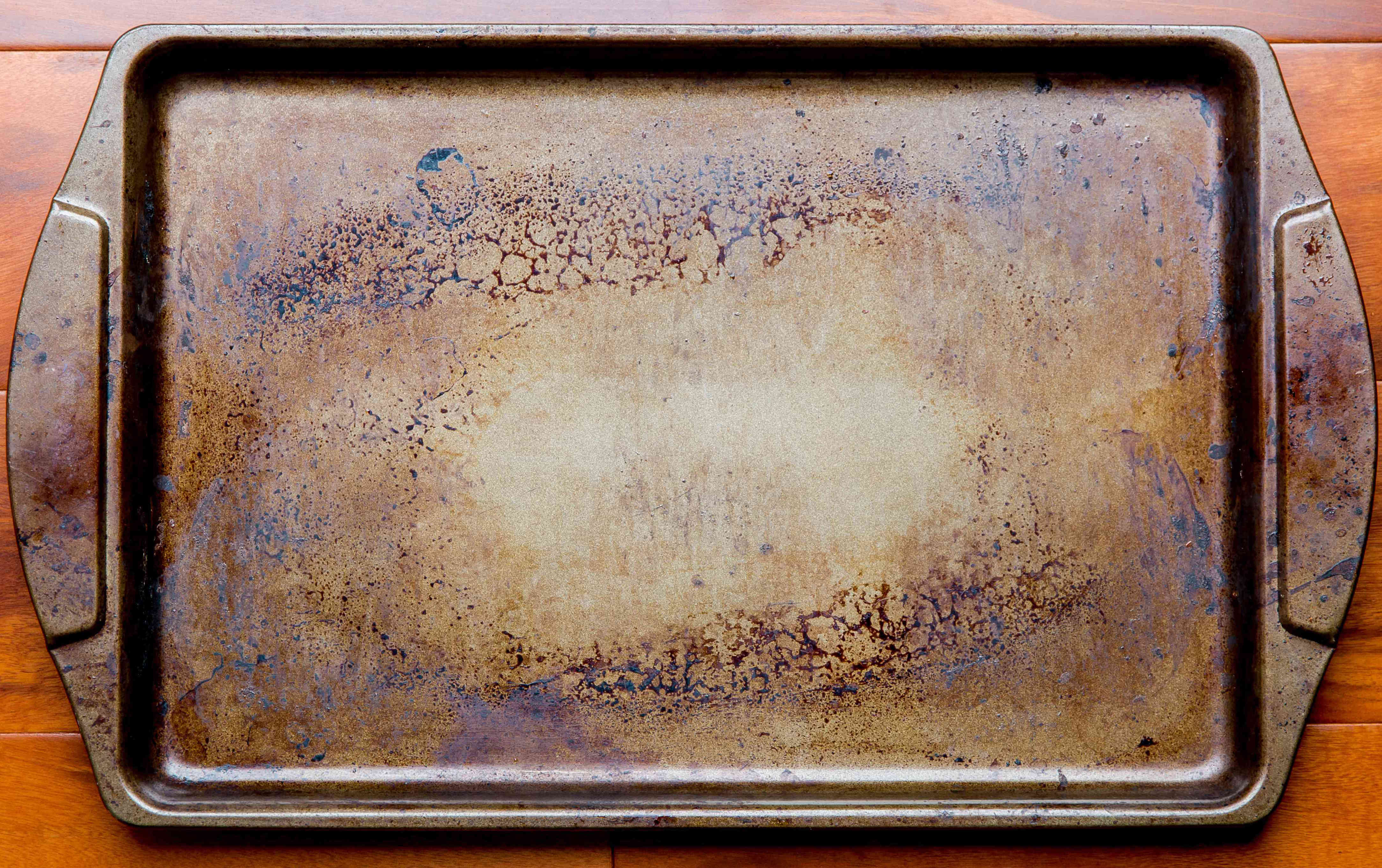
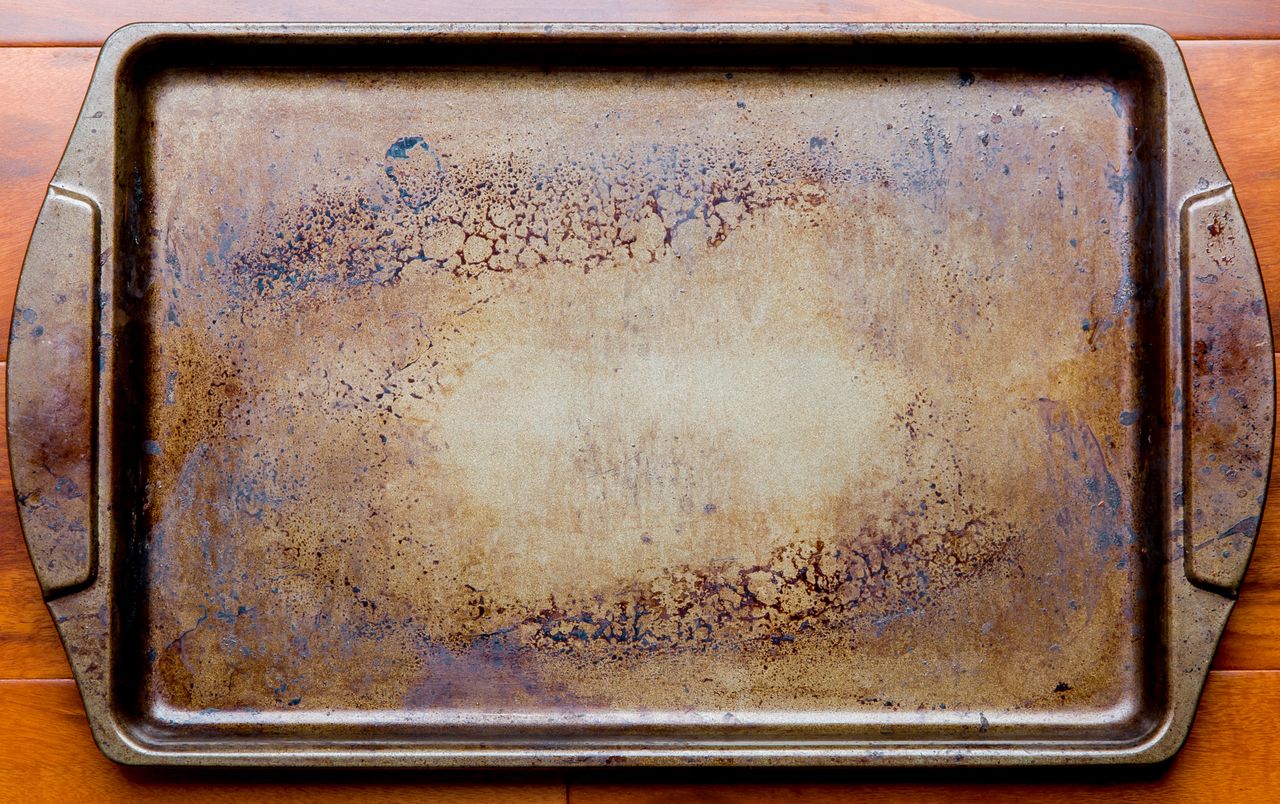
Keeping your baking sheets pristine might not be the most glamorous kitchen task, but it’s crucial for both the longevity of your bakeware and the quality of your culinary creations. Those stubborn, baked-on grease splatters and unsightly stains can make you dread this particular chore. Fortunately, with a few expert-backed techniques, you can transform your greasy pans into sparkling clean surfaces, ready for your next baking adventure.
Why Baking Sheets Get So Dirty
Baking sheets are workhorses in any kitchen, and their frequent use inevitably leads to residue buildup. Understanding why this happens and why it's important to clean them thoroughly can be a great motivator.
- Rancid Oils and Food Safety: As Jennifer Behar, a baker and founder of Jennifer's Homemade, points out, "Old oil can go rancid and will make your food taste bad, and is generally bad for you." Starting with a clean surface is paramount for both food safety and ensuring your dishes taste exactly as they should.
- Uneven Heating: Missy Stefanik, a senior product manager at GoodCook Bakeware and Food Storage, highlights another significant issue: "Residual baked goods on the pan can lead to uneven surfaces, resulting in hot spots and uneven heating which can lead to burning or uneven baking." This means your cookies might be burnt on one side and undercooked on the other, all thanks to a dirty pan.
- Material Matters: The type of baking sheet you own also influences cleaning methods. Stefanik notes that aluminum pans are typically not dishwasher-safe, requiring handwashing. While nonstick sheets offer more convenience, their coatings can be degraded by harsh dishwasher detergents over time, leading to reduced effectiveness and a shorter lifespan for the pan.
Recommended Cleaning Supplies
Gathering the right supplies can make the cleaning process much more efficient. Here’s what you might need:
- Baking soda
- Hydrogen peroxide
- Clean towel or paper towels
- Small bowl
- Gloves
- Scour pad
- White vinegar
- Dish soap
- Water
Effective Methods for Cleaning Baking Sheets
Dealing with baked-on grime doesn't require harsh chemicals. These methods utilize common household ingredients to tackle tough stains.
Method 1: Baking Soda and Hydrogen Peroxide Paste
This powerful combination is excellent for lifting stubborn, caked-on residue.
- Begin by rinsing the baking sheet under warm water to remove any loose food particles.
- Thoroughly dry the baking sheet with a clean towel or paper towels.
- In a small bowl, combine approximately ½ cup of baking soda with 2-3 tablespoons of hydrogen peroxide. Adjust the hydrogen peroxide amount until you achieve a paste consistency similar to toothpaste.
- Apply this paste evenly across the entire surface of the baking sheet. You can use your gloved hands or a spoon for application.
- Allow the paste to sit on the baking sheet for at least 15-20 minutes. This dwell time is crucial for softening the baked-on debris, making the scrubbing much easier.
- Using a scour pad, gently scrub the baking sheet to remove the loosened grime.
- Once you've scrubbed the entire surface, rinse the baking sheet thoroughly under warm water.
- Finally, dry the baking sheet completely with a clean towel or paper towels to prevent water spots.
Method 2: Baking Soda and Vinegar Fizz
The chemical reaction between baking soda and vinegar is a classic for breaking down grease and gunk.
- Start by rinsing the baking sheet with water to clear away any loose food remnants.
- Dry the baking sheet completely with a clean towel or paper towels.
- Generously sprinkle baking soda over the entire surface of the baking sheet.
- Pour or spray white vinegar over the baking soda. You'll notice an immediate fizzy reaction. This effervescence helps to lift and loosen the baked-on grime.
- Let the mixture sit for at least 15-20 minutes. This waiting period allows the reaction to work its magic, softening the tough residue.
- Employ a scour pad to scrub the baking sheet, working to remove the loosened dirt and grease.
- After a thorough scrubbing, rinse the baking sheet under warm running water.
- Ensure the baking sheet is completely dry by using a clean towel or paper towels.
Method 3: Baking Soda and Dish Soap
This method combines the abrasive power of baking soda with the grease-cutting abilities of dish soap.
- Rinse the baking sheet with water to remove any loose food particles.
- Dry the baking sheet thoroughly with a clean towel or paper towels.
- Sprinkle a generous amount of baking soda across the surface of the baking sheet.
- Either pour a small amount of dish soap directly onto the baking soda-covered areas or, for a more uniform application, mix the dish soap and baking soda in a small bowl to create a paste before applying it to the baking sheet.
- Let the baking soda and dish soap mixture sit for at least 15-20 minutes. This allows the cleaning agents to break down the baked-on food and grease.
- Use a scour pad to scrub the baking sheet, effectively removing the softened grime.
- Once you've scrubbed the entire baking sheet, rinse it thoroughly under warm water.
- Dry the baking sheet completely with a clean towel or paper towels.
How Often Should You Clean Baking Sheets?
For everyday use, a gentle wash with dish soap and warm water after each use is recommended. For deeper cleaning to tackle accumulated grease and stains, aim for one of the heavy-duty methods described above every few months, depending on usage frequency.
Frequently Asked Questions
Can I Use Steel Wool or Abrasive Cleaners?
Stefanik advises against using steel wool or other abrasive cleaners. These can scratch and damage the nonstick coating on your baking sheets, leading to uneven baking surfaces and a shorter lifespan for your bakeware.
Is Oven Cleaner Safe for Baking Sheets?
While oven cleaner might be effective, Behar expresses caution due to the harsh chemicals involved. Given that baking sheets are used for food preparation, she prefers more natural cleaning methods.
How Can I Prevent Future Grease Buildup?
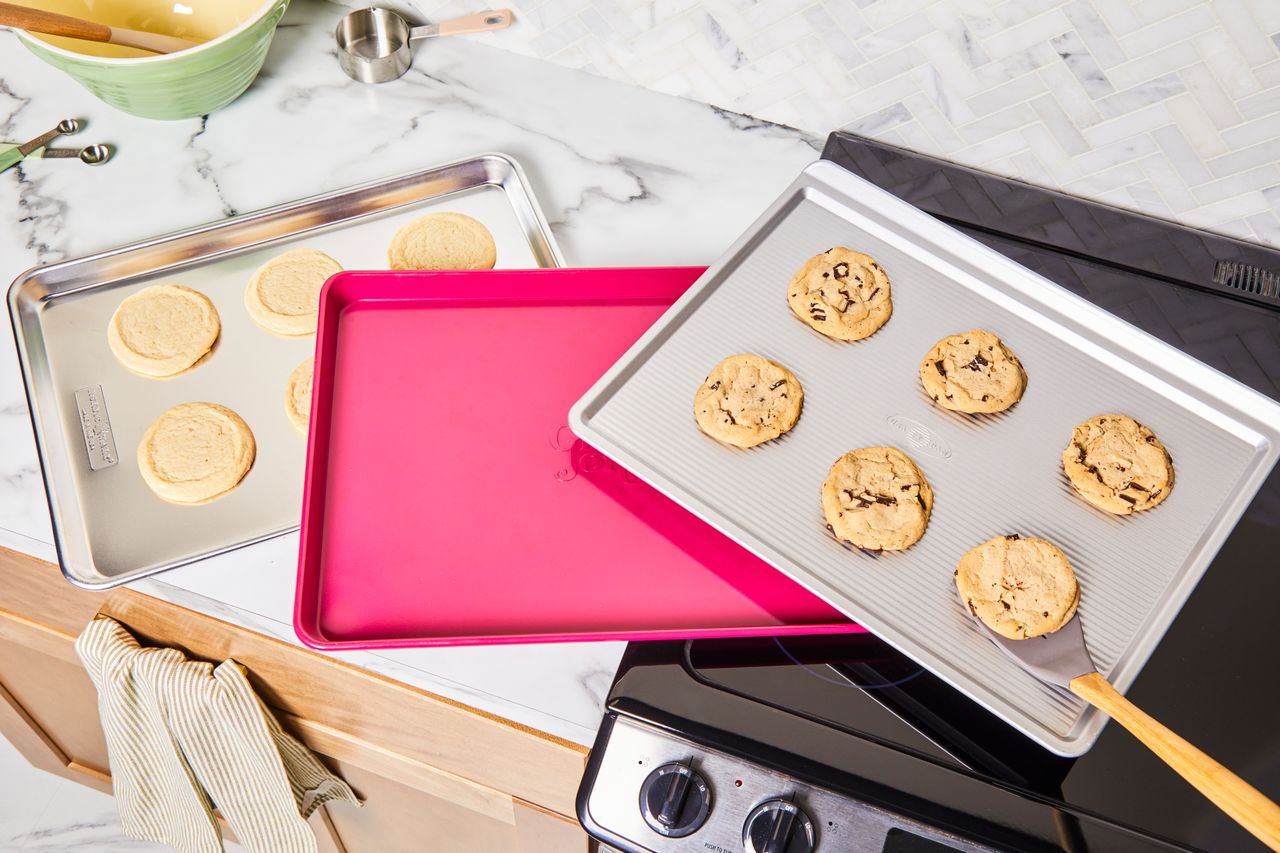
A simple yet highly effective preventative measure is to use parchment paper or a silicone baking mat whenever you bake or cook on a baking sheet. Behar explains, "It protects the baking sheet and it makes for easy baking." Cookies and other baked goods lift off effortlessly, and cleanup becomes significantly easier, often just a matter of discarding the parchment paper.
Post a Comment for "Sparkling Baking Sheets: Your Guide to a Brand New Shine"