
Nav Apps & Your Wallet: Fueling the Difference
Navigating Your Way to Savings: How GPS Apps Can Impact Your Fuel Bill
These days, it’s hard to imagine driving anywhere without a navigation app guiding the way. Whether you’re popping to the shops, heading to work, or embarking on a longer road trip across Aotearoa, these digital co-pilots have become indispensable. With their real-time directions, instant traffic updates, and clever route suggestions, they offer a level of convenience that was simply unheard of just a couple of decades ago. However, what many drivers don’t always stop to consider is how these trusty apps can directly influence what you’re spending at the pump.
When used wisely, navigation apps can be a powerful tool for cutting down on unnecessary driving and boosting your overall fuel efficiency. Conversely, certain features or ingrained habits can actually see your fuel consumption creep up if you’re not paying close attention. Understanding the nuances of how these modern marvels work can empower you to make smarter choices, potentially putting more money back in your pocket.
Real-Time Traffic Data and Route Optimisation
One of the most significant advantages offered by navigation apps is their ability to provide up-to-the-minute traffic updates. By flagging up congestion, accidents, or unexpected road closures, these apps can dynamically reroute you, steering you clear of frustrating delays. Less time spent idling in bumper-to-bumper traffic invariably translates to lower fuel consumption. This is a game-changer, particularly in our bustling urban centres where stop-start driving is a daily reality.
Beyond just avoiding jams, efficient routing itself plays a crucial role in fuel savings. Most apps are designed to calculate the shortest or fastest route based on current conditions, which can significantly reduce the total distance you need to cover. Shorter journeys, as a general rule, demand less fuel, making this feature a real boon for daily commutes. Over time, even minor reductions in mileage can accumulate into noticeable savings.
However, it’s vital to recognise that the ‘fastest’ route isn’t always the most fuel-efficient. Sometimes, the quickest option might involve higher speeds, a series of sharp turns, or challenging elevation changes that can actually increase your fuel usage. While the time saved might seem appealing, the actual fuel cost can fluctuate considerably depending on the specific driving conditions. Being mindful of these potential trade-offs allows you to make more informed decisions about which route to take.
Another factor worth considering is how frequently your route might change mid-journey. Constant rerouting can sometimes lead you down unfamiliar roads, forcing sudden stops, or necessitating more complex driving manoeuvres. These unexpected shifts can subtly increase fuel consumption by disrupting a smooth, steady driving rhythm. In many instances, sticking to a consistent, efficient route might ultimately prove more beneficial than constantly chasing marginal time savings.
Driving Behaviour and the App's Influence
Navigation apps do more than just point you in the right direction; they can also subtly influence your driving style. The constant stream of notifications – reminding you to turn, change lanes, or alerting you to traffic conditions – can sometimes encourage more abrupt driving behaviours. Sudden braking or rapid acceleration is well-known to negatively impact fuel efficiency. Maintaining a consistent, steady pace is generally far more fuel-friendly.
Some apps might favour suggesting faster routes that often involve highways or major arterial roads. While highway driving can be quite efficient when maintaining consistent speeds, it can also involve higher overall speeds that naturally increase fuel consumption. Driving at moderate, steady speeds tends to be the most economical approach. This highlights that the app’s primary suggestion isn’t always the most cost-effective option in terms of fuel.
In certain situations, drivers can feel an implicit pressure to follow the app’s directions precisely, even when common sense or alternative routes appear more practical. This can lead to unnecessary detours or excursions onto less familiar roads, disrupting the natural flow of your journey. When you combine the app’s guidance with your own local knowledge and judgment, you often achieve superior results. A balanced approach helps maintain both efficiency and a more comfortable driving experience.
Furthermore, apps that provide estimated arrival times can subtly nudge drivers towards faster speeds. The temptation to ‘beat the clock’ can result in higher speeds or less efficient driving habits. It’s a well-established fact that fuel consumption increases dramatically at higher speeds, primarily due to increased aerodynamic drag. Staying conscious of this effect can help you avoid unnecessary fuel expenditure.
Features Designed to Boost Your Savings
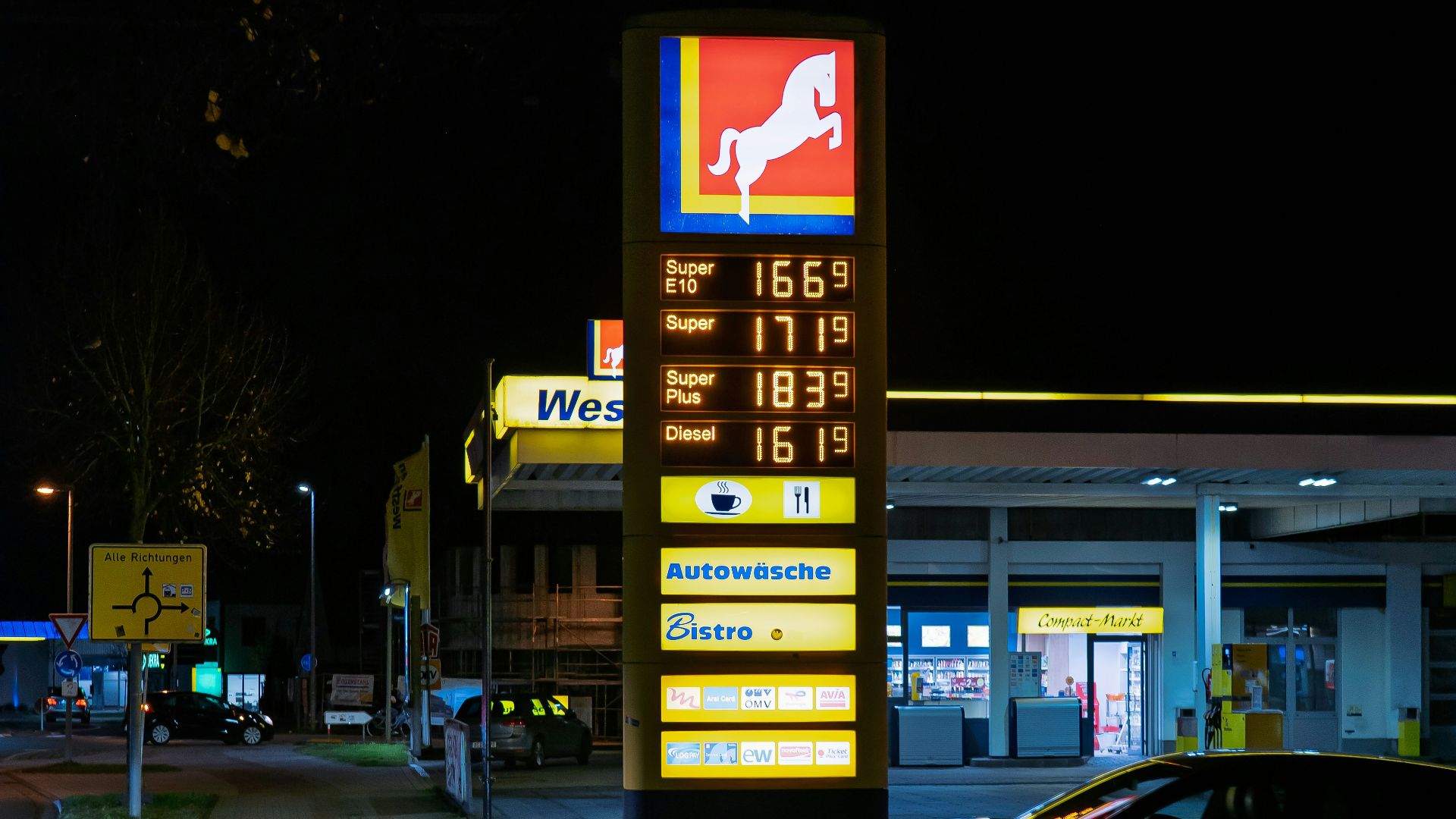 Encouragingly, many modern navigation apps are now incorporating features specifically designed to enhance fuel efficiency. For instance, ‘eco-routing’ options are becoming more common. These features prioritise routes that minimise fuel consumption over simply finding the fastest way. Such routes might strategically avoid areas known for heavy traffic, steep gradients, or frequent stop signals. While they might occasionally add a little time to your journey, they can lead to significant reductions in overall fuel costs.
Another exciting development is the increasing integration with your vehicle’s onboard systems. Certain apps can now connect directly with your car’s data, offering personalised insights into your fuel usage and driving habits. This enables more tailored recommendations based on your specific vehicle’s performance. It can be incredibly helpful in identifying patterns that might be affecting your efficiency over time.
Offline maps and the ability to pre-plan your routes thoroughly can also contribute to fuel savings. By meticulously planning your journey in advance, you significantly reduce the likelihood of missing a turn or having to make unnecessary detours. This leads to smoother, more predictable driving, and helps avoid those frustrating situations where a poor mobile signal can cause confusion and delays.
Finally, employing navigation apps to strategically combine multiple errands into a single, efficiently planned trip can make a truly noticeable difference. Instead of undertaking several short, separate journeys, planning an optimised route can drastically reduce your total mileage. This approach not only saves fuel but also reduces wear and tear on your vehicle. Over time, these seemingly small adjustments can lead to substantial and meaningful savings.
When you take a step back and consider how navigation apps influence our driving, it becomes clear that they can be both a powerful ally and a potential hindrance to fuel efficiency. Their inherent ability to reduce traffic delays and optimise routes offers genuine benefits, but only when they are used thoughtfully and with a degree of driver awareness. By paying attention to your driving style and making conscious choices about which features to utilise, you can ensure these powerful tools work decidedly in your favour. With a little bit of foresight and awareness, navigation apps can truly become a practical and effective way to manage your fuel costs more effectively.
Post a Comment for "Nav Apps & Your Wallet: Fueling the Difference"