
Canada's Drone War Takes Center Stage
Drones have emerged as a new and significant threat to national security. With their increasing use in both military and civilian contexts, ports and other critical infrastructure are now more vulnerable than ever. In response, Canada is taking proactive measures to develop and implement anti-drone systems that can effectively safeguard its strategic assets while also protecting the rights of civilians.
The rise of military drones has dramatically transformed the global strategic landscape. In recent years, unmanned aerial vehicles (UAVs) have become a key component of modern warfare, capable of carrying out precision strikes and surveillance missions. Recognizing this shift, Canadian authorities and the military have begun to focus on developing robust defense mechanisms against these threats. This effort is not only about securing military bases and ports but also about ensuring that the actions taken do not infringe upon the civil liberties of the general population.
Why Act Now?
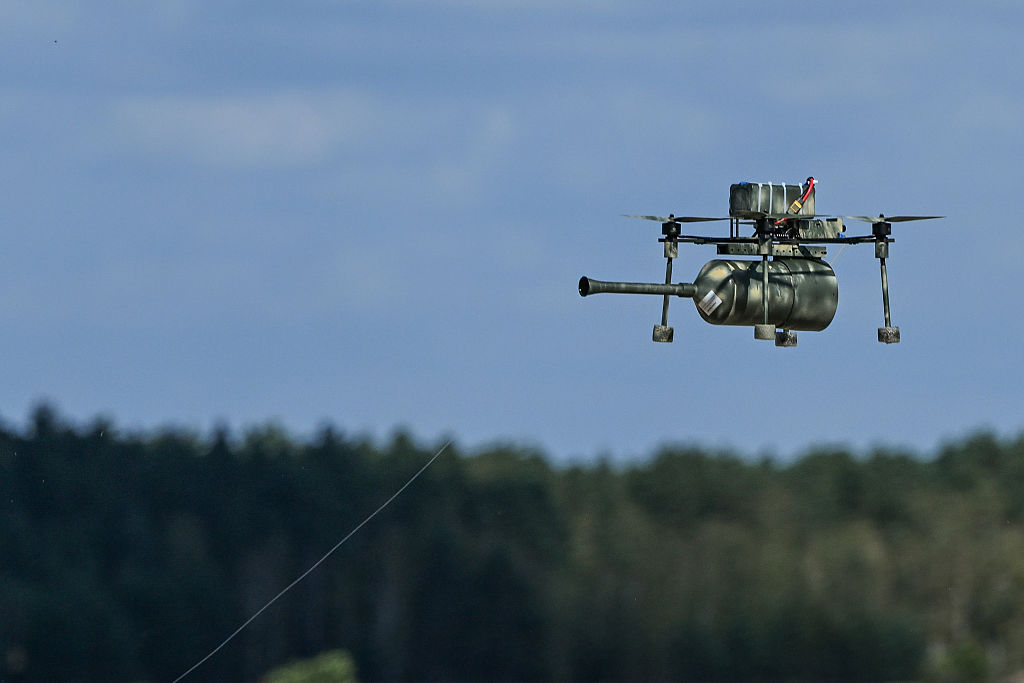
Recent conflicts, such as those in Ukraine, have highlighted the destructive potential of drones. These devices have been used for “kamikaze” attacks, targeting ships and other critical infrastructure with devastating effects. The use of first-person view (FPV) drones has further complicated the situation, allowing for rapid and precise strikes. As a result, controlling low-altitude airspace has become a priority for national security.
Canada’s decision to invest in anti-drone technology is driven by the need to stay ahead of potential threats. By implementing defensive solutions before the risk becomes more pronounced, the country aims to protect its strategic interests without overreacting to emerging technologies.
What Technologies Are Involved?
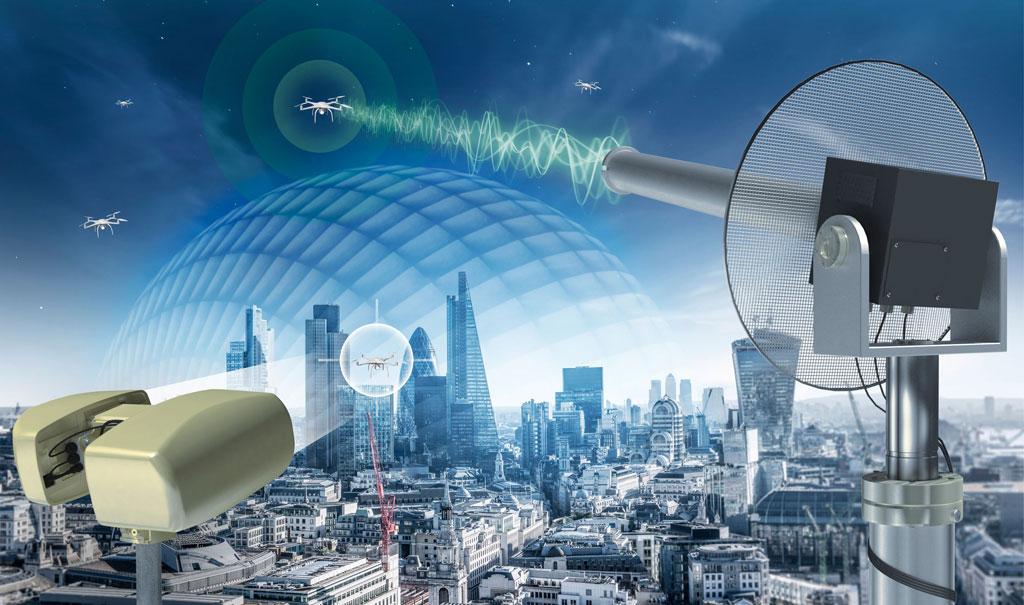
Anti-drone systems typically integrate multiple components to detect, identify, and neutralize threats. These systems often include radar, radio frequency sensors, electro-optical and infrared cameras for detection. Once a threat is identified, it can be neutralized through non-lethal methods such as jamming of RF/GNSS links or cyber-takeover, or through physical means like capture nets or kinetic interceptors.
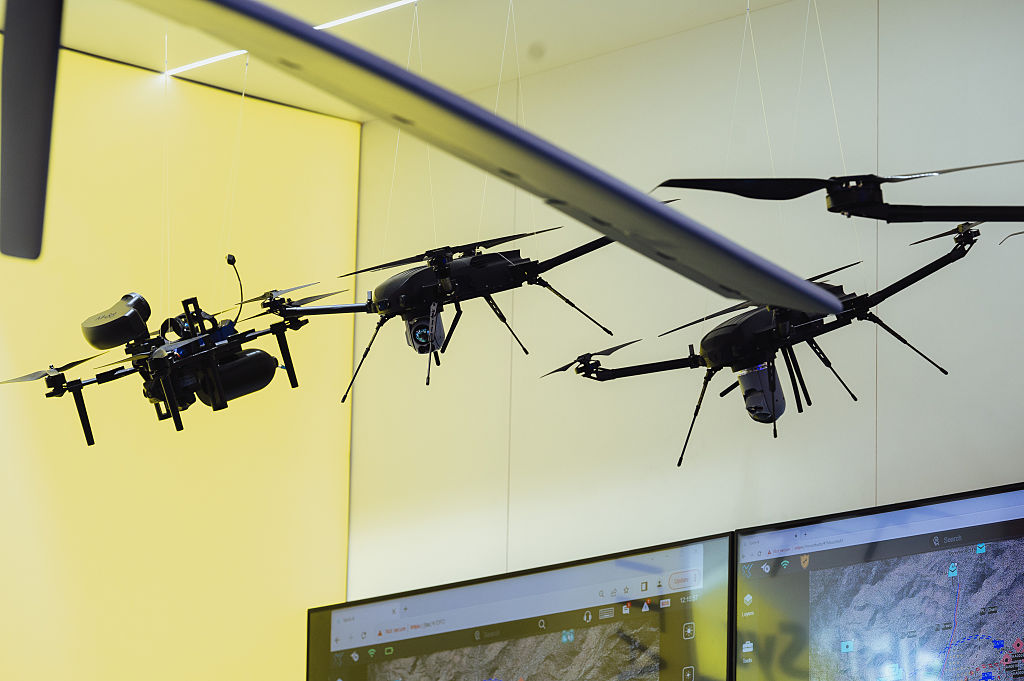
Canada has specifically invested in the Falcon Shield system, which combines advanced radars, high-performance cameras, and jamming capabilities. This technology allows for early detection and careful assessment of potential threats, ensuring that responses are proportionate and minimize harm to civilians and the environment.
Specific Threats Observed
Several types of drones pose specific risks:
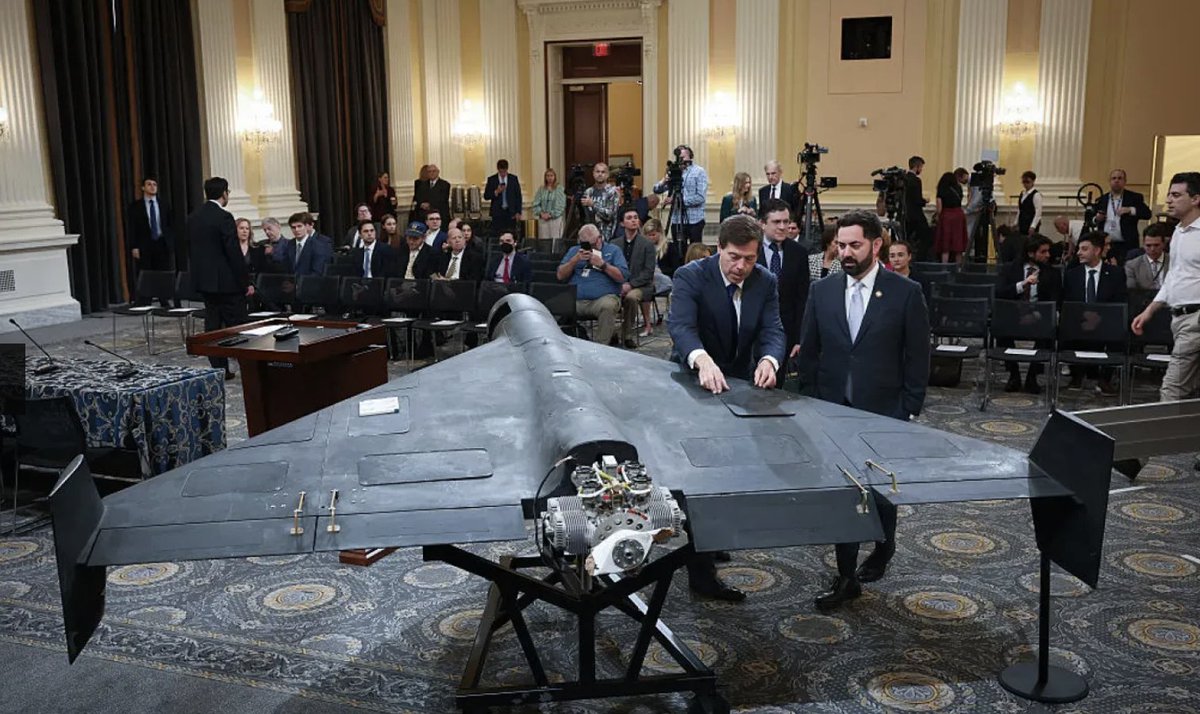
- “Kamikaze” drones, such as variants derived from the Shahed, are capable of carrying heavy payloads and striking distant targets.
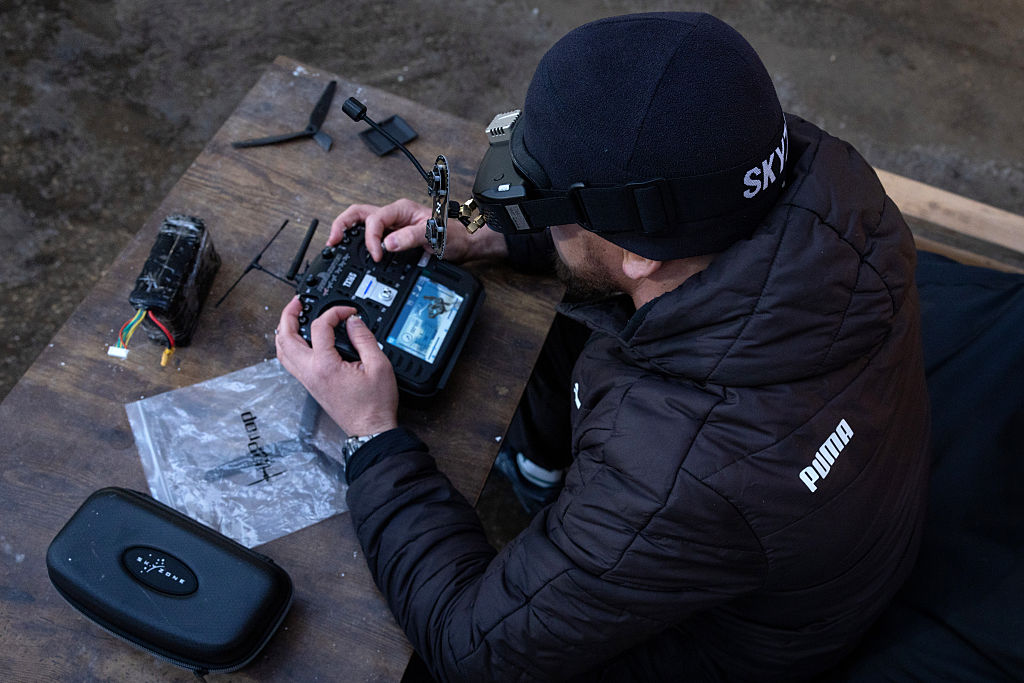
- FPV drones are often used for rapid and precise attacks. Some models use fiber-optic cables to connect the operator to the drone, avoiding radio interference.
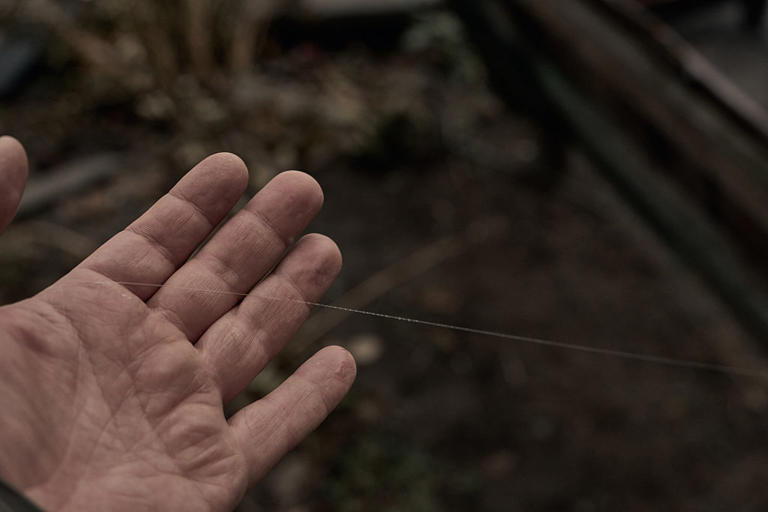
The use of fiber-optic FPVs presents unique challenges. When these drones crash, the cables left behind can pose physical and health risks to people and animals. This technical detail influences the choice of countermeasures, emphasizing the need for careful and targeted responses.
The Regulatory and Civic Challenge
Balancing security with the rights of citizens is a complex task. Authorities must ensure that the deployment of anti-drone systems does not infringe on recreational drone use or violate privacy laws. Updating the legal framework, defining exclusion zones, and establishing clear response procedures are essential steps in this process.
As one naval official noted, distinguishing between a malicious drone and a simple recreational drone observing a ship in port can be extremely difficult. This challenge underscores the importance of clear rules governing when and how countermeasures can be deployed.
Training and Deployment
Deploying anti-drone systems involves more than just purchasing equipment. It requires comprehensive training for operators, integration into command structures, and coordination between military and civilian agencies. Real-world testing is also crucial to ensure that these systems function effectively under various conditions.
The Falcon Shield, for example, has been used in overseas operations, and Canadian personnel have undergone training to use it effectively. This preparation ensures that the system is ready for domestic deployment when needed.
What Can Citizens Do?
Citizens play an important role in maintaining security. Staying informed about local regulations, reporting suspicious drone activity to authorities, and respecting no-fly zones are all essential actions. Drone enthusiasts should also contribute to security by complying with regulations, registering their devices when required, and following best practices to avoid interfering with sensitive operations.
Conclusion
Canada is moving forward with caution and determination. A combination of advanced technology, updated regulations, and strong civil-military cooperation will be necessary to defend critical infrastructure without compromising legitimate uses. As technology continues to evolve, the goal remains to anticipate, adapt, and inform in order to protect both the population and national interests.
Post a Comment for "Canada's Drone War Takes Center Stage"