
Cuba Runs Out of Oil: Energy Crisis Report
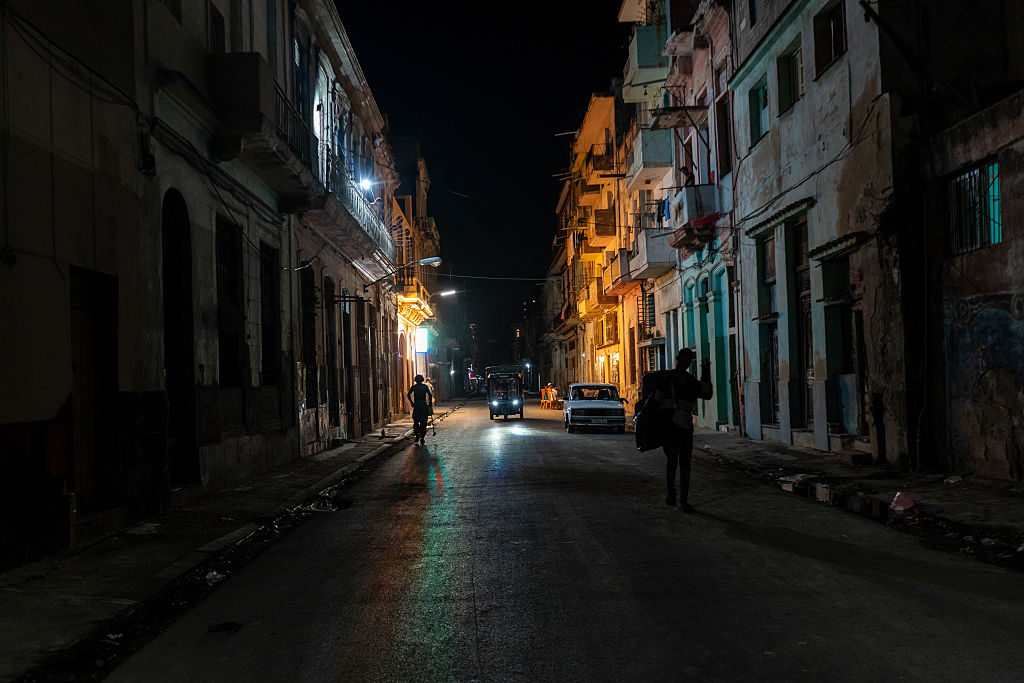
Cuba is currently experiencing one of the most severe energy crises in its modern history, with widespread blackouts and fuel shortages wreaking havoc on daily life across the island. On May 14, Cuban authorities confirmed that the country has effectively exhausted its reserves of diesel and fuel oil, putting the national electrical grid at risk of total collapse. In Havana and several provincial cities, residents are enduring power outages that last more than 20 hours a day. The crisis has led to major disruptions in transportation, healthcare, and food distribution systems. Cuban officials have attributed the situation to American sanctions and reduced foreign oil shipments, particularly from Venezuela and Mexico.
Triggering Protests
The ongoing blackouts have sparked protests throughout the country, as Cubans express frustration over their deteriorating living conditions. Online videos showed residents banging pots and pans from balconies while chanting anti-government slogans during nighttime outages. Demonstrations were reported in Havana, Holguín, Santiago de Cuba, and other cities. In response, police presence has increased in major urban areas. The government has attempted to ease public discontent by promising emergency repairs and fuel conservation measures. However, many residents remain skeptical after years of economic decline and repeated infrastructure failures that have already pushed Cuba into a prolonged humanitarian and financial crisis.
American Sanctions at Fault According to Cuba
The Cuban government insists that American sanctions are the primary cause of the energy crisis, accusing the United States of waging an “economic war” against the island. Earlier this year, former President Donald Trump imposed new restrictions targeting countries and companies supplying fuel to Cuba. These measures reportedly discouraged major exporters like Venezuela and Mexico from continuing shipments. Cuban President Miguel Díaz-Canel argued that Washington’s policies are intentionally designed to destabilize the country and increase political unrest. Government officials emphasized that Cuba’s power plants cannot operate without imported fuel, especially since domestic oil production only covers a fraction of national demand. Similar measures were enacted by Trump before his coup in Venezuela in January.
Aging Energy Infrastructure is Playing a Factor
Cuba’s outdated energy infrastructure has also contributed significantly to the current crisis. Decades-old power plants are struggling to remain operational, even with available fuel. Much of the country’s electrical system was built during the Soviet era and has suffered from chronic underinvestment and poor maintenance. Engineers have repeatedly warned about the risk of catastrophic failures within the grid. Several thermal power plants have broken down in recent months, causing rolling blackouts even before fuel reserves were depleted. Experts say Cuba lacks the financial resources needed to modernize the system. A weak economy and limited foreign investment opportunities have made large-scale infrastructure projects extremely difficult to complete.
Economic Impacts
The economic consequences of the crisis are becoming increasingly severe, with small businesses and the tourism sector bearing the brunt of the impact. Hotels and restaurants have been forced to rely on generators and solar panels to stay open during long outages, while some privately owned businesses have had to reduce hours or temporarily close due to electricity shortages. Food security has also become a major issue, especially for families without refrigeration. The lack of refrigeration is also putting people’s health at risk, as many medications require refrigeration. Public transportation systems have also been heavily disrupted by fuel shortages, leading to long delays and overcrowding. The government has urged citizens to conserve electricity wherever possible, though many Cubans argue they already consume very little energy.
Struggling National Services
Alongside public transportation, other national services have begun to struggle. Dozens of schools and universities across Cuba have been forced to suspend classes, and the healthcare industry is almost entirely reliant on generators. Water distribution systems have also been affected because many apartment buildings depend on electric pumps to provide running water. The Cuban government has also warned that energy demand in these sectors is expected to increase over the summer.
Looking for Solutions
Despite the growing unrest, Cuban officials maintain that the country will eventually stabilize its energy system through new international partnerships and renewable energy investments. The government has explored agreements with Russia and China in hopes of securing emergency fuel shipments and expanding solar infrastructure projects. However, analysts warn that these initiatives could take years to produce meaningful results. For many ordinary Cubans, the immediate concern is simply surviving the daily blackouts and shortages affecting nearly every aspect of life. The current crisis has become one of the clearest signs of Cuba’s worsening economic decline, with many residents fearing that conditions may continue deteriorating throughout the remainder of 2026.
Post a Comment for "Cuba Runs Out of Oil: Energy Crisis Report"