
Canberrans Seek Relief in ACT Budget But Remain Disappointed
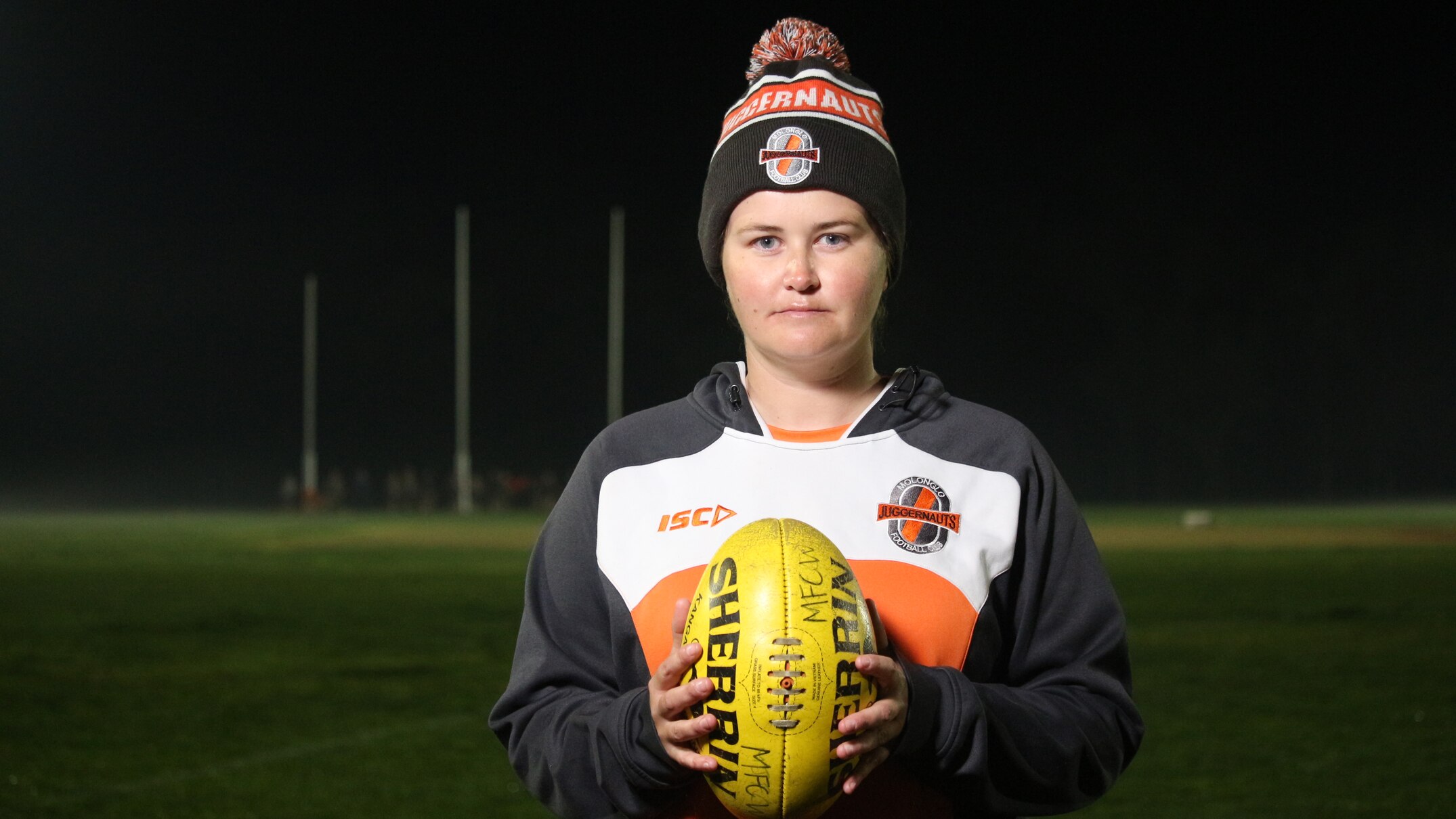
A Football Club in Crisis
On a chilly Canberra night, the Molonglo Juggernauts football players have gathered for their weekly training session. The temperature hovers around six degrees Celsius, and inside the change rooms, a small heater struggles to keep the space warm. However, the cold is not the biggest issue facing the club. Rats and mice have infested the club rooms, and several safety concerns have been identified at the aging facility in Stirling.
"We are in a state of crisis," said club president Rach Ross. "What we have been doing is no longer sustainable." She highlighted that the costs for the club have been rising continuously, with no support from the ACT government, which owns the facility. "We won't be able to absorb those costs, and they will have to go to the players," she explained. "This could lead to a decrease in participation rates and potentially cripple the club."
The pressure is not only on the club but also on the players themselves. On the field, the women's coach and mother-of-four Jess Ross shared how she and others are being mindful of their spending. "So many people were like 'got to go on a payment plan' and 'we got to work it into our budgets'," she said. "For those with mortgages or who rent, these expenses are going up, and so are our electricity and daily costs."
Budget Relief and Challenges
If the Juggernauts were hoping for relief in today's ACT budget, they might not have found what they were looking for. While some funding has been allocated for the installation of lighting at the football club's oval, this is the extent of the support provided. In terms of cost-of-living support for Canberrans struggling, there is limited relief available.
The controversial $100 health levy from last year's budget has been removed, and a plan to make motor vehicle registration more expensive has been deferred. In the lead-up to the budget, additional funds for food relief were announced, along with a new Housing Crisis Support Fund to assist low-income households experiencing rental stress.
However, with a predicted budget deficit for 2026-27 of $323.4 million — $243.7 million worse than forecast last year — the government has been cautious about over-committing. The return to surplus has also been delayed by a year, now expected in 2028-29. Treasurer Chris Steel emphasized that frontline services and community support are priorities during this challenging time.
Increasing Fees and Public Sector Adjustments
While the removal of the health levy brings some relief to Canberrans' rates bill, average household rates will still increase by 5 per cent. The ACT Public Service is also affected by the government's efforts to control the budget. An unknown number of voluntary redundancies will be made available, with the measure expected to save $6.4 million.
Public Service Minister Rachel Stephen-Smith expressed confidence that these savings can be achieved through voluntary measures alone. Additionally, various fees and charges are set to increase:
- Motor vehicle duty rates for non-electric vehicles will rise from February 2027.
- The Safer Families Levy will increase by $10 this year and by $5 each year for three years starting in 2027-28.
- The Police, Fire and Emergency Services levy will increase by 4.3 per cent above the wage price index in 2026-27.
- A full five-year driver licence will cost $270.70, up from $261.60.
- The Short-Term Rental Accommodation Levy will increase from 5 per cent to 7.5 per cent from July 2027.
- The cost of an adult firearms licence will now be $487.
- A new and increased fee structure for the Public Trustee and Guardian service has been introduced, along with new fees for teachers, including a $100 registration fee.
Investment in Housing and Infrastructure
Mr Steel acknowledged that households are under pressure due to the uncertain economic climate caused by the war in the Middle East. To ease the budget burden, the government has paused several infrastructure projects to save $700 million over four years. Mr Steel assured the community that no projects are being cut, emphasizing the need for sustainability and deliverability.
The budget focuses heavily on housing, described as the "largest investment in new housing since self-government." The government aims to help more Canberrans enter the housing market by abolishing stamp duty for all first home buyers, regardless of income or home value. This initiative is expected to support more Canberrans, especially younger generations, in owning a house.
Another significant component of the budget is the $1.34 billion commitment over seven years for the new Northside Hospital in Bruce. This investment highlights the government's focus on improving healthcare access and services for the community.
Post a Comment for "Canberrans Seek Relief in ACT Budget But Remain Disappointed"