
Fuel Costs to Spark Airline Crises and Mergers, Industry Leader Warns
Rising Fuel Costs and Industry Challenges
Soaring jet fuel prices, driven by conflict in the Middle East, are expected to push more airlines into bankruptcy and encourage further sector consolidation this year and next, according to the head of the global airline body. The situation has created significant challenges for airlines worldwide, with higher fuel costs becoming a major concern.
The U.S. and Israel’s war with Iran has disrupted key air corridors and choked jet fuel supplies, leading to costly detours for airlines. This has placed additional financial pressure on the industry, particularly affecting budget carriers that lack the revenue streams from premium cabins, high-paying travelers, and credit card loyalty programs.
Impact on Budget Carriers
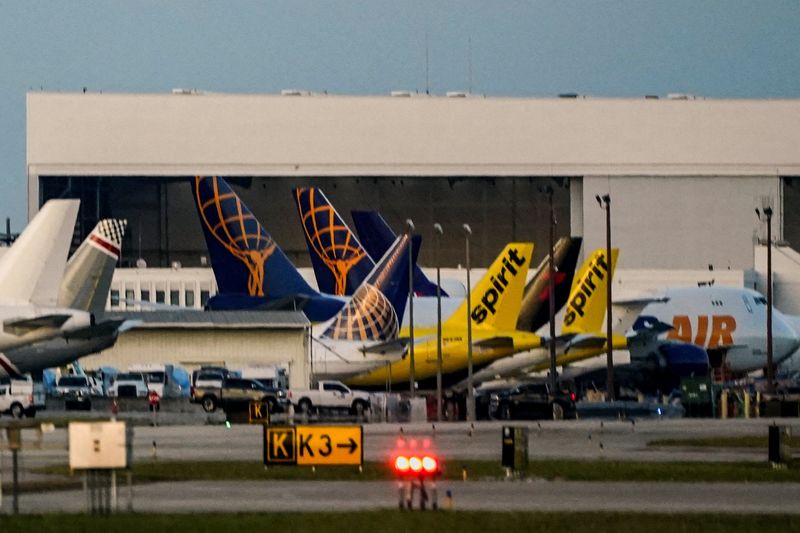
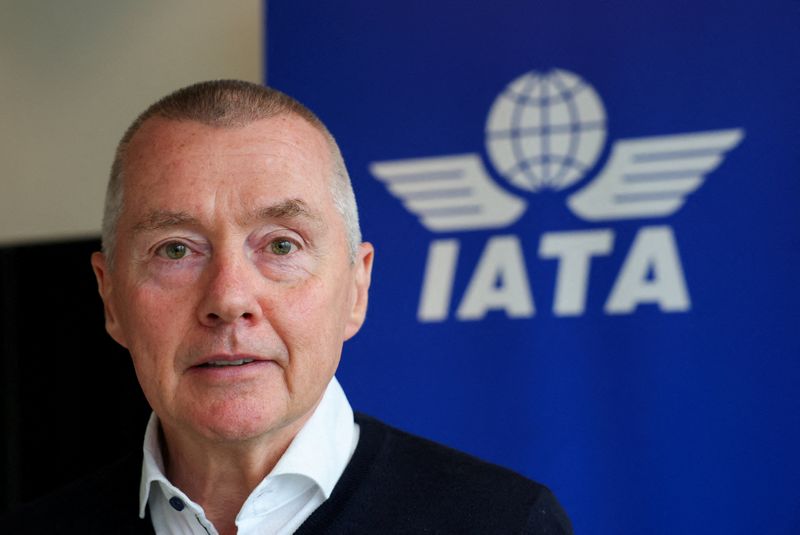
The strain is already evident, with U.S. budget airline Spirit Airlines collapsing last month. Willie Walsh, director general of the International Air Transport Association (IATA), warned that this may not be the last such incident. At IATA's annual summit in Rio de Janeiro, Walsh emphasized that some airlines may struggle to cope with the high fuel prices, potentially leading to more bankruptcies or acquisitions by larger carriers.
Airlines are also taking steps to protect their margins by cutting unprofitable routes. Fares, which have surged since the outbreak of the Iran war, are unlikely to decrease soon, according to Walsh. Despite these challenges, he believes the low-cost airline model remains viable outside the United States, where the big three carriers—United Airlines, Delta Air Lines, and American Airlines—are pushing out budget competitors.
Low-Cost Model Survives
“I don't see that the low-cost model is broken; in fact, quite the opposite," Walsh said, pointing to Ryanair's strong performance in Europe as an example. However, there is one major deal Walsh does not expect to happen: United Airlines CEO Scott Kirby’s proposal to acquire American Airlines and create a U.S. aviation giant. Despite Kirby raising the idea with President Donald Trump earlier this year, Walsh doubts it will materialize due to significant regulatory hurdles.
"I don't think that's going to happen. I think the regulatory hurdles would be very significant. I don't know whether that was a genuine effort to pursue consolidation or Scott just trying to stir up some media," Walsh said.
Middle East Airline Woes
The conflict in the Middle East has disrupted traffic flows through key hubs like Dubai, Doha, and Abu Dhabi, creating challenges for Gulf carriers such as Emirates, Qatar Airways, and Etihad. Walsh noted that while the conflict poses immediate difficulties, he does not believe it will permanently damage the Gulf as an aviation hub.
“That capacity cannot be replaced by airlines from other regions around the world," Walsh said. He expects Gulf carriers to regain their important position once the situation stabilizes.
Supply Chain Delays and Industry Frustrations
Adding to the industry’s challenges is the slow pace of aircraft deliveries from Boeing and Airbus, along with engine delays from GE Aerospace and Pratt & Whitney. These delays limit airlines’ ability to expand fleets and improve efficiency. Walsh expressed frustration with the delays, estimating that supply chain disruptions cost airlines about $11 billion last year.
"We're disappointed that they're not moving faster. We're disappointed that they're not sharing the pain that the airline industry is sharing," he said. Aircraft and engine makers have attributed the delays to post-pandemic supply chain issues and political trade disputes.
Future Competition from China
Walsh also mentioned that competition from China could emerge in the future, with Comac developing aircraft to rival Boeing and Airbus. However, Comac still faces certification hurdles in Europe and the U.S. and remains reliant on Western engines and avionics.
"Probably 10 to 15 years from now, people won't just talk about Airbus and Boeing. It'll be: Airbus, Boeing, Comac," he said.
Climate Goals and Financial Strain
As airlines face financial strain and climate policies lose momentum in the U.S. under Donald Trump, industry leaders have become more cautious about meeting the 2050 net zero emissions target. Walsh stated that IATA is not ready to abandon the goal.
“I certainly believe it's more challenging to achieve net zero in 2050 because we've not made the progress that we had expected to see on the development of sustainable fuels," he said.
Post a Comment for "Fuel Costs to Spark Airline Crises and Mergers, Industry Leader Warns"