
Labour's Wage Hikes Linked to Record Youth Unemployment
A Growing Crisis: The UK's Lost Generation of Young People
A new report has highlighted a growing concern in the UK regarding the increasing number of young people who are not in education, employment, or training (Neets). According to the report, this issue is being exacerbated by certain policies that have made it harder for employers to hire young people. The findings suggest that the cost of this situation could reach £125 billion annually, surpassing the government's current spending on education.
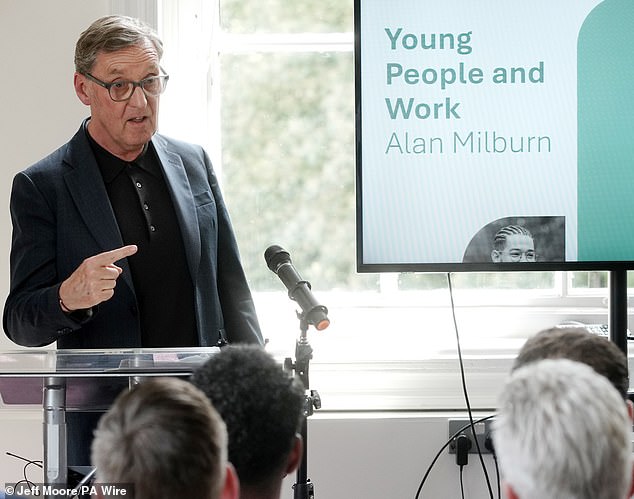
The report was authored by Alan Milburn, a former Cabinet minister, who described the situation as a 'moral crisis'. He pointed out that one in six youths aged 16-25 may be on out-of-work benefits by the end of the decade, which he considers the most significant challenge facing the country today.
Milburn noted that the UK is an outlier in the EU, with only Romania having a higher youth Neet rate. He criticized Labour's policies, including the above-inflation uplift to the minimum wage and new workers' rights laws, which he believes have contributed to the problem.
The Impact of Minimum Wage Hikes
Milburn suggested that ministers should reconsider these policies and called for a 'whole system reset' on education, welfare, and health policy to get young people into work. He emphasized that while no employer wants to pay poverty wages, the impact of these changes has been felt particularly in low-margin sectors such as retail and hospitality.
According to the Office for National Statistics, the number of Neets has now passed one million, marking the highest level since 2013. This figure represents a 55,000 increase compared to the previous quarter. The data also showed that 613,000 of these young people were considered economically inactive, marking a record high.
Tory leader Kemi Badenoch criticized Labour's policies, stating that they have worsened the problem. She mentioned the Jobs Tax, minimum wage hikes, and trade union-dictated employment regulations as contributing factors.
Prime Minister Keir Starmer acknowledged the seriousness of the issue and stated that he would work with Milburn to address it. He emphasized that the problem is complex and has been ongoing for many years.
The Role of Health and Mental Well-being
The report also highlighted the increasing role of health issues in youth unemployment. Over the past decade, the proportion of Neets suffering from a health condition that prevents them from working has increased by 70%. The proportion of disabled young people citing mental health as their primary condition has risen from a quarter in 2011 to nearly half in 2025.
Milburn noted that the 'explosion' in mental health conditions has been in anxiety and depression rather than serious mental illness. He called for reform of the 'fit note' system, arguing that it should focus on what young people can do rather than signing them off work.
Social Media and Youth Unemployment
In addition to economic and health factors, the report addressed the impact of social media on young people. Milburn suggested supporting a social media ban for under-16s, citing concerns about 'doomscrolling' and the anxiety it causes. He noted that many young people are staying awake until 5am due to excessive screen time.
Milburn emphasized that the issue is more than an economic crisis; it is a moral one. He pointed out that the long-term scarring effects of being Neet include lost confidence, health issues, and reduced future income. For those who spend the period from 18 to 24 years outside of education and work, the lifetime loss can approach £300,000.
Reforming the Welfare System
The report also criticized the welfare system, noting that less than half of the total £8.1 billion spent on key benefits for young people comes with any requirement to find work. It warned that the numbers claiming benefits will continue to rise, with one in 20 of today's five-year-olds expected to be on incapacity benefit at 22.
Milburn highlighted the need for systemic change, emphasizing that the current approach is failing to support young people effectively. He called for a shift in focus towards providing opportunities for learning and earning, rather than relying on benefits.
The Path Forward
Work and Pensions Secretary Pat McFadden has pledged to work across Government and with employers, charities, and young people to drive real change. He aims to ensure that more young people are earning or learning, rather than left behind.
As the report continues to examine the causes of youth unemployment, a follow-up will suggest remedies. The goal is to create a system that supports young people in finding work and building a better future.

Post a Comment for "Labour's Wage Hikes Linked to Record Youth Unemployment"