
Robert Gumede: The Man Who Saved Tongaat Hulett and 250 000 Jobs
A Journey of Resilience and Enterprise
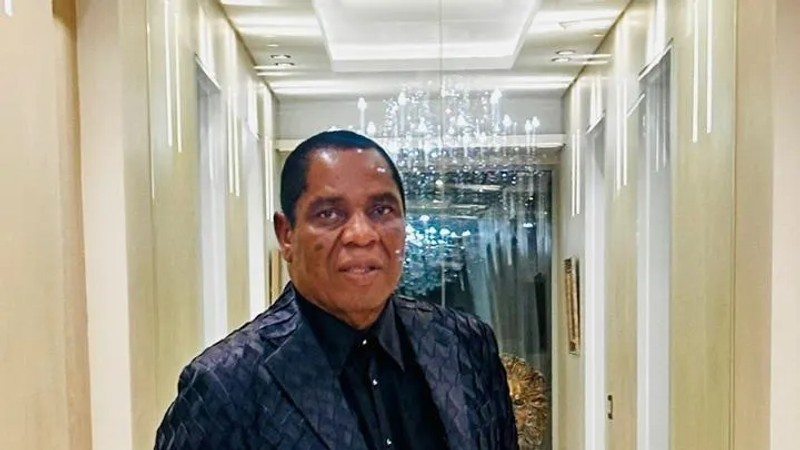
Robert Matana Gumede, a South African billionaire known for leading the R4 billion rescue of Tongaat Hulett, has become a symbol of entrepreneurial success and resilience in Africa. His efforts saved an estimated 250,000 jobs across the sugar industry value chain, showcasing his ability to step in during critical moments and prevent economic collapse.
Born on August 9, 1963, in Nelspruit (now Mbombela), Mpumalanga, Gumede's journey from humble beginnings to business magnate is nothing short of inspiring. He built a diversified empire spanning technology, infrastructure, agriculture, sports, and philanthropy across Africa and beyond. His latest venture, rescuing the 134-year-old sugar giant Tongaat Hulett, marked another defining moment in his career as an entrepreneur who consistently steps up to save struggling African institutions.
Early Life and Entrepreneurial Spirit
Gumede was raised by a single mother who worked as a domestic worker in apartheid-era South Africa. As one of seven children in a low-income household, he started working at a young age, first as a gardener and golf caddy at seven, and then selling second-hand clothes with his mother at ten. These early experiences taught him the value of hard work and commerce.
After completing his early education, Gumede earned a law diploma from the University of Zululand (UniZulu) in 1986. Although he initially worked as a court clerk and prosecutor, his entrepreneurial spirit soon took over. At the age of 25, he founded Gijima Electronic & Security Systems, which would evolve into Gijima Technologies and its holding company, Gijima Group. This firm became one of South Africa’s largest Black-owned technology companies and the largest 100% Black-owned IT company in Africa.
Diversification and Growth
Gijima became the cornerstone of Gumede’s empire, establishing his reputation in technology and providing the financial foundation for expansion into other industries. The firm's post-apartheid success aligned with South Africa’s Black Economic Empowerment (BEE) policies, positioning Gumede as a BEE symbol.
As part of his diversification strategy, Gumede formed Guma Group, a conglomerate with interests across more than a dozen sectors, including IT infrastructure through Gijima Technologies; mining and minerals; real estate and construction; healthcare; tourism; rail and logistics; renewable energy; telecommunications; security and electrical solutions; and agriculture through Guma Agri and Vision Group’s sugar holdings.
Guma Group employs an estimated 14,000 staff globally, making it one of the largest Black-owned diversified conglomerates in Africa.
Vision Group and International Collaborations
Vision Group includes Guma Agri (Gumede’s agricultural company), Remoggo (Rute Moyo, Zimbabwean businessman), Terris Sugar (Amre Youness), and Almoiz (Nauman Khan, Pakistani interests). This international consortium gave Vision Group the financial capacity and operational expertise to acquire substantial debt in struggling African companies and restructure them for sustainability.
Gumede’s achievements have been recognized internationally. In 2005, he was runner-up for the South African Chapter of the World Entrepreneur of the Year award. In 2021, he was appointed chairperson of the Advisory Board of the South African Chamber of Commerce in the USA (SA Chamber USA). In 2022, he joined Fifa’s Foundation Advisory Board, recognizing his contributions to sports development across Africa.
Contributions to Sports and Philanthropy
Gumede has been a significant figure in South African sports. According to Mpumalanga News, he is a former sports administrator who took Dangerous Darkies FC from the fifth division to the elite Premier Soccer League (PSL), reportedly becoming the youngest PSL club owner in the early 1980s and 1990s. The club produced notable players, including David Nyathi, who played professionally in Switzerland, Spain, and Italy.
Gumede also broke racial barriers in South African rugby when he bought 49% of the Lions, a major, then Afrikaner-owned rugby club. This move represented Black investment in traditionally white-dominated sports institutions.
He founded the Keni Foundation, which has donated millions of rand in scholarships to students across South Africa, focusing on educational empowerment for those lacking access to higher education. His philanthropic work embodies “entrepreneurial resilience and Black economic empowerment.”
Saving the Sugar Industry
This month, Vision Group led one of South Africa’s most significant business rescue operations. Tongaat Hulett had filed for provisional liquidation at the KwaZulu-Natal (KZN) High Court after Vision Group, as the preferred bidder, initially failed to secure financing.
Gumede’s consortium acquired R8–R11.7 billion in Tongaat Hulett’s secured debt through a debt-for-equity swap, becoming the largest secured creditor in the business rescue. The intervention prevented collapse of mills and refinery operations that would have devastated the sugar industry.
The June 16 agreement preserved about 250,000 jobs across the sugar value chain, including 35,000–40,000 direct jobs at farms, mills, and refinery; more than 125,000 people indirectly benefiting; 40,000 small-scale sugarcane growers; and workers and suppliers across South Africa and the Sadc region.
Gumede said: “I am heartened that the final negotiations and agreement to save the sugar industry, the 250,000 jobs and the growers’ investments, where black business is stepping up to save a 134-year-old sugar group operating in the Sadc region.”
Legacy and Future Vision
Gumede’s estimated net worth ranges between R2.8bn and R3bn, making him one of South Africa’s richest men. He has invested R5–R10bn developing a new Smart City in Mpumalanga over the next 10 years, one of the largest private infrastructure investments in the province, aligning with South Africa's urbanisation and technology development goals.
Gumede is celebrated as a self-made billionaire who rose from poverty to build a multibillion-rand empire. His Tongaat Hulett rescue demonstrates commitment to preserving African institutions and protecting jobs, while his empire’s growth reflects opportunities available to Black entrepreneurs in post-apartheid South Africa.
His story embodies both achievements and challenges of Black economic empowerment. He has built one of Africa’s most successful diversified conglomerates, employed thousands, invested in sports development, and contributed to education through philanthropy.
Post a Comment for "Robert Gumede: The Man Who Saved Tongaat Hulett and 250 000 Jobs"