
Scientists revive rhino cells four years post-death
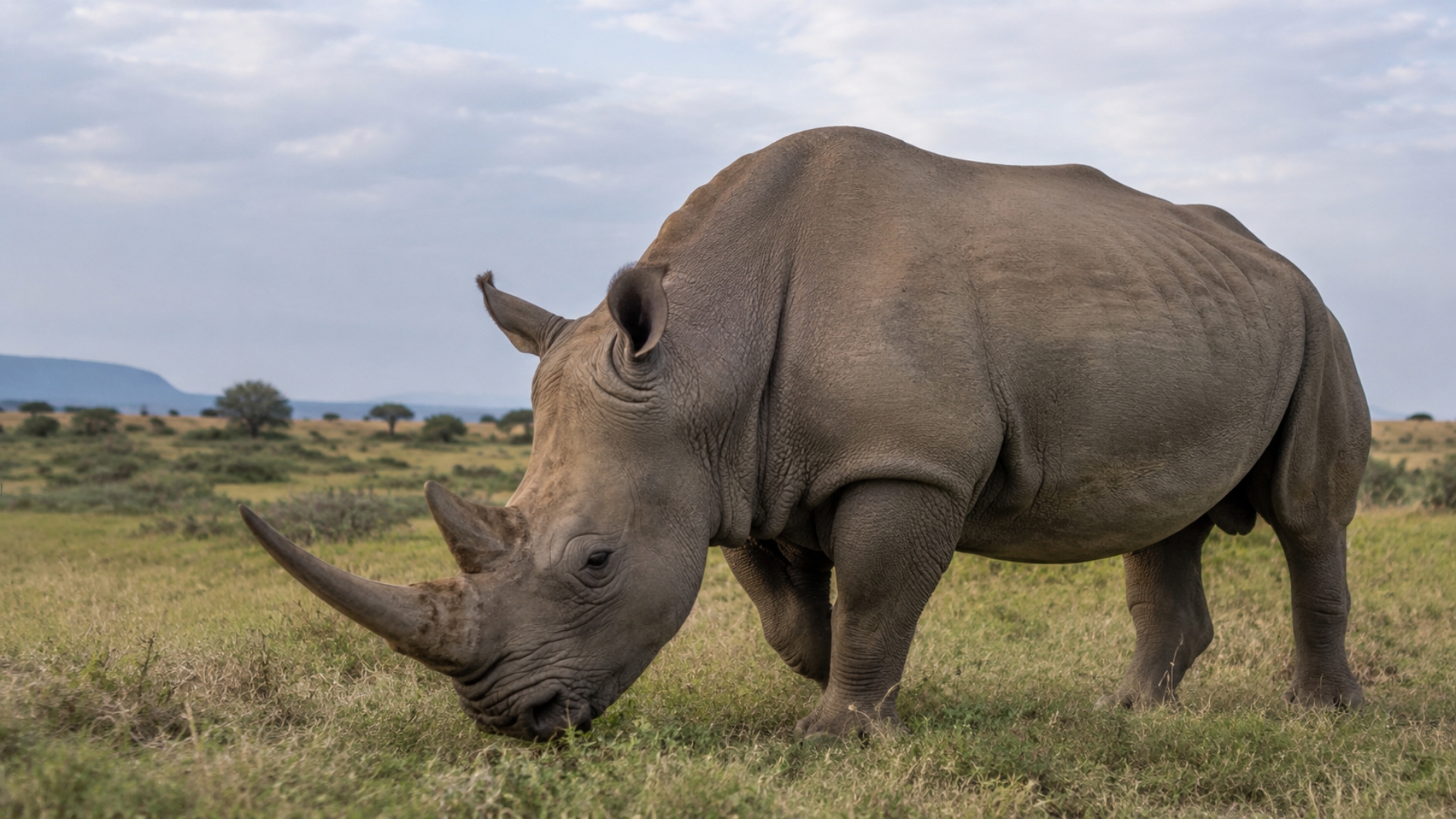
A Rhino's Legacy May Continue Long After Death
A southern white rhino that died nearly four years ago could still contribute to future generations thanks to a remarkable conservation breakthrough. Scientists have successfully revived living cells from a skin sample collected from a female rhino following her death in 2021. The achievement means her genetic material remains available for future conservation efforts, potentially allowing researchers to create reproductive cells that could one day help support the species' breeding population.
While the technology is still developing, conservationists say the success represents a significant step forward in preserving the genetic diversity of threatened wildlife.
Frozen Cells Returned to Life
The rhino, which lived to the age of 40, died at Whipsnade Zoo in October 2021. Before the opportunity was lost, veterinarians and conservation specialists collected tissue samples, including a small piece of skin from the animal's ear. The sample was preserved at extremely low temperatures, around -196°C, in liquid nitrogen. For years, the cells remained frozen in a suspended state.
In April, scientists carefully thawed the sample and began attempting to culture the cells in laboratory conditions. The result exceeded expectations. Researchers were able to grow millions of new living cells from the preserved tissue, demonstrating that viable biological material had survived years of cryogenic storage. The achievement is believed to be the first of its kind in the United Kingdom.
Building a Living Library for Conservation
The work was carried out by Nature's SAFE, a conservation charity that functions as a wildlife biobank. Unlike traditional conservation methods that focus on protecting habitats or managing breeding programs, biobanking aims to preserve the genetic diversity of species by storing living cells, tissues, and DNA for future use.
The organization has already collected biological material from hundreds of animal species, including many that are critically endangered and several that are already extinct in the wild. The idea is straightforward but powerful: if a species declines dramatically, preserved genetic material may provide options that would otherwise disappear forever.
Why Genetic Diversity Matters
Conservation is not simply about keeping a species alive. It is also about maintaining healthy levels of genetic diversity. When animal populations become small, inbreeding can become a serious problem. Reduced genetic variation can make species more vulnerable to disease, reproductive issues, and environmental changes.
By preserving cells from a wide range of individuals, scientists hope to create a genetic safety net that future conservation programs can draw upon. In the case of the southern white rhino, having access to the genes of animals that are no longer alive could help strengthen breeding populations and reduce the loss of valuable genetic traits.
Science Fiction Is Becoming Conservation Reality
Perhaps the most exciting aspect of the breakthrough is what may eventually come next. Researchers believe it may become possible to transform preserved skin cells into reproductive cells such as sperm or eggs. Similar technologies have already been demonstrated in laboratory mice, showing that mature body cells can be reprogrammed into cells capable of contributing to reproduction.
Applying those techniques to large endangered mammals remains a complex challenge, but the successful revival of living rhino cells represents one of the necessary building blocks. If the technology continues to advance, animals that died years earlier could potentially contribute genetically to future generations.
The Potential Extends Beyond Rhinos
Although the southern white rhino is the focus of this achievement, conservationists see broader implications. Many species face shrinking populations, fragmented habitats, and increasing environmental pressures. Some have so few surviving individuals that maintaining healthy genetic diversity has become extremely difficult.
Biobanking could provide a valuable backup for species ranging from amphibians and reptiles to mammals and birds. Animals with critically small populations may one day benefit from genetic material preserved decades earlier. The approach is not intended to replace habitat protection, anti-poaching efforts, or traditional breeding programs. Instead, it adds another tool to the conservation toolkit.
A New Chapter for Wildlife Conservation
The revival of living rhino cells nearly four years after the animal's death demonstrates how rapidly conservation science is evolving. For decades, preserving frozen tissue was largely viewed as a way of safeguarding DNA for future research. Today, scientists are increasingly treating those samples as living resources that may actively contribute to species recovery efforts.
Many technical hurdles remain before preserved skin cells can routinely be transformed into reproductive cells and used in conservation breeding programs. Yet the successful revival of these rhino cells shows that the underlying concept is no longer theoretical. For species facing uncertain futures, that possibility offers something conservation often struggles to find: time. A small piece of tissue collected from a deceased animal may now help ensure that its genetic legacy survives far beyond its lifetime.
Post a Comment for "Scientists revive rhino cells four years post-death"