
Tesla FSD Enters Europe: Speed Limits Hinder Expansion
Sweden's Concerns Over Tesla FSD and Speed Limit Issues
Sweden has raised concerns about the potential risks associated with Tesla’s Full Self-Driving (FSD) system, particularly its ability to exceed speed limits when operating in automated mode. This issue has led to a possible opposition from Sweden against the EU-wide approval of FSD unless specific features are modified.
The Swedish Transport Administration (TRV) recently recommended that the EU vote against the broader rollout of FSD in its current form. The regulator is particularly concerned about the 'Speed Offset' function, which allows Tesla cars on FSD to go beyond the legal speed limit. While this feature may seem minor—since drivers can set cruise control to exceed the limit in other vehicles—it raises significant safety concerns when integrated into an automated driving system like FSD.
In a letter sent to the EU's Technical Committee on Motor Vehicles (TCMV), TRV emphasized that allowing automated systems to systematically exceed legal speed limits poses a danger. The regulator pointed out that this could undermine both the legal framework and the expected safety benefits of vehicle automation.
European FSD vs. U.S. Version
The European version of FSD already differs from the U.S. version in terms of speed controls and naming conventions. Instead of speed profiles like 'Sloth' or 'Mad Max,' which influence the car's behavior in the U.S., European models use 'Max Speed' and 'Max Speed Offset' settings. These adjustments aim to provide more control over how the car handles speed limits.
Additionally, the way the car deals with roads that have unclear or unknown speed limits is different in Europe. If the car cannot determine the correct speed limit, it will display what it believes to be the appropriate limit, accompanied by a small question mark. This helps avoid confusion but still highlights the limitations of the system in certain conditions.
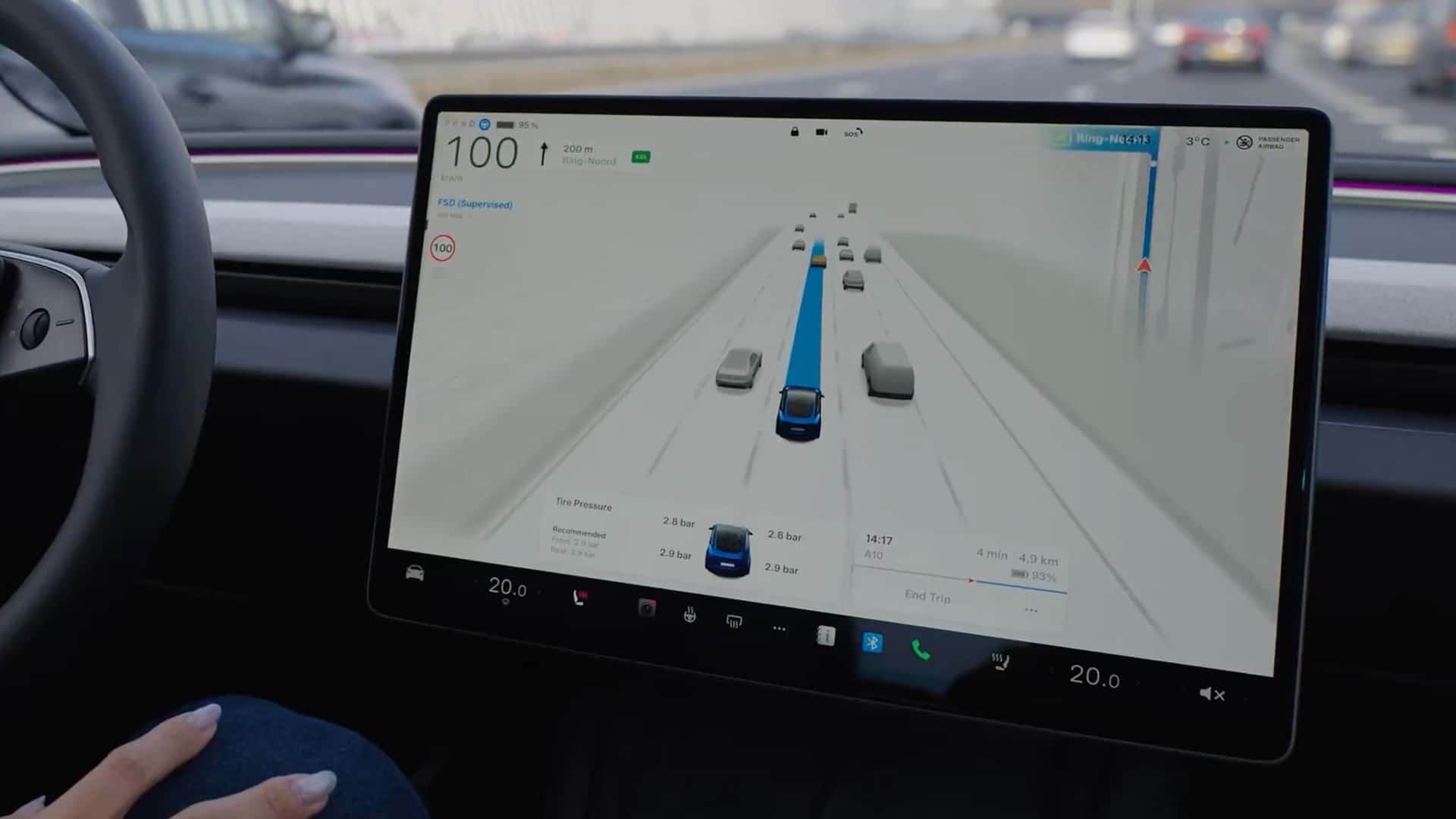
Another key difference is the name displayed on the screen when FSD is enabled. In the U.S., it shows 'Full Self Driving,' while in Europe, it reads 'FSD (Supervised).' This change is intended to prevent misunderstandings about the level of automation and reduce the potential for misuse.
Safety Concerns and Testing
European regulators have raised several concerns about FSD, including its ability to speed and its performance in winter conditions with heavy snow. These issues are especially relevant as the TCMV prepares to convene and vote on the matter on June 30. This decision will determine whether the Dutch transport authority's legalization of FSD can be adopted across the EU.
Despite these concerns, Tesla has made progress in gaining approval for FSD in Europe. The system was first allowed on Dutch public roads in April, and since then, it has been introduced in neighboring countries such as Belgium, Denmark, Lithuania, and Estonia. Approval is also pending in Greece, where the transport ministry initially questioned the data used by Tesla but eventually acknowledged that FSD could lead to a "very significant drop in accidents."
Tesla's Position on Speed Offset
Tesla argues that even though the car is driving itself, the human driver remains in control and can take over at any time. However, Sweden and potentially other countries do not find this explanation sufficient to address their safety concerns.
The debate over FSD highlights the challenges of integrating advanced driver-assistance systems into existing road infrastructure and regulatory frameworks. As the EU moves forward with its decision, the balance between innovation and safety will remain a critical focus.
Future Implications
The outcome of the TCMV vote on June 30 will have far-reaching implications for the future of autonomous driving in Europe. It will determine whether FSD can be widely adopted across the continent or if additional modifications will be required to meet regulatory standards.
As Tesla continues to refine its FSD technology, the conversation around automated driving systems will likely evolve. The need for clear communication, robust safety measures, and consistent regulatory approaches will be essential in ensuring that these technologies benefit drivers and society as a whole.
Post a Comment for "Tesla FSD Enters Europe: Speed Limits Hinder Expansion"