
The Forgotten Butterfly Collector Erased From History for 300 Years
A Trailblazer in the World of Butterflies
Long before the rise of conservation groups, wildlife documentaries, and field guides, an English woman dedicated her life to exploring hedgerows and meadows in search of butterflies. Her name was Eleanor Glanville, and her passion for insects played a significant role in advancing the study of butterflies during a time when natural history was still developing. Despite her contributions, she faced ridicule, dismissal, and was largely forgotten for centuries.
Now, a new stage production is bringing her story back into the spotlight, shedding light on both her scientific achievements and the social attitudes that led to her erasure from history.
Pioneering Work in Butterfly Science
Born in the 17th century, Eleanor Glanville developed a deep interest in insects, especially butterflies and moths. In an era where scientific institutions were predominantly male, she became one of England's most accomplished collectors and observers of butterflies. Her work contributed to early understanding of species distribution and insect diversity.
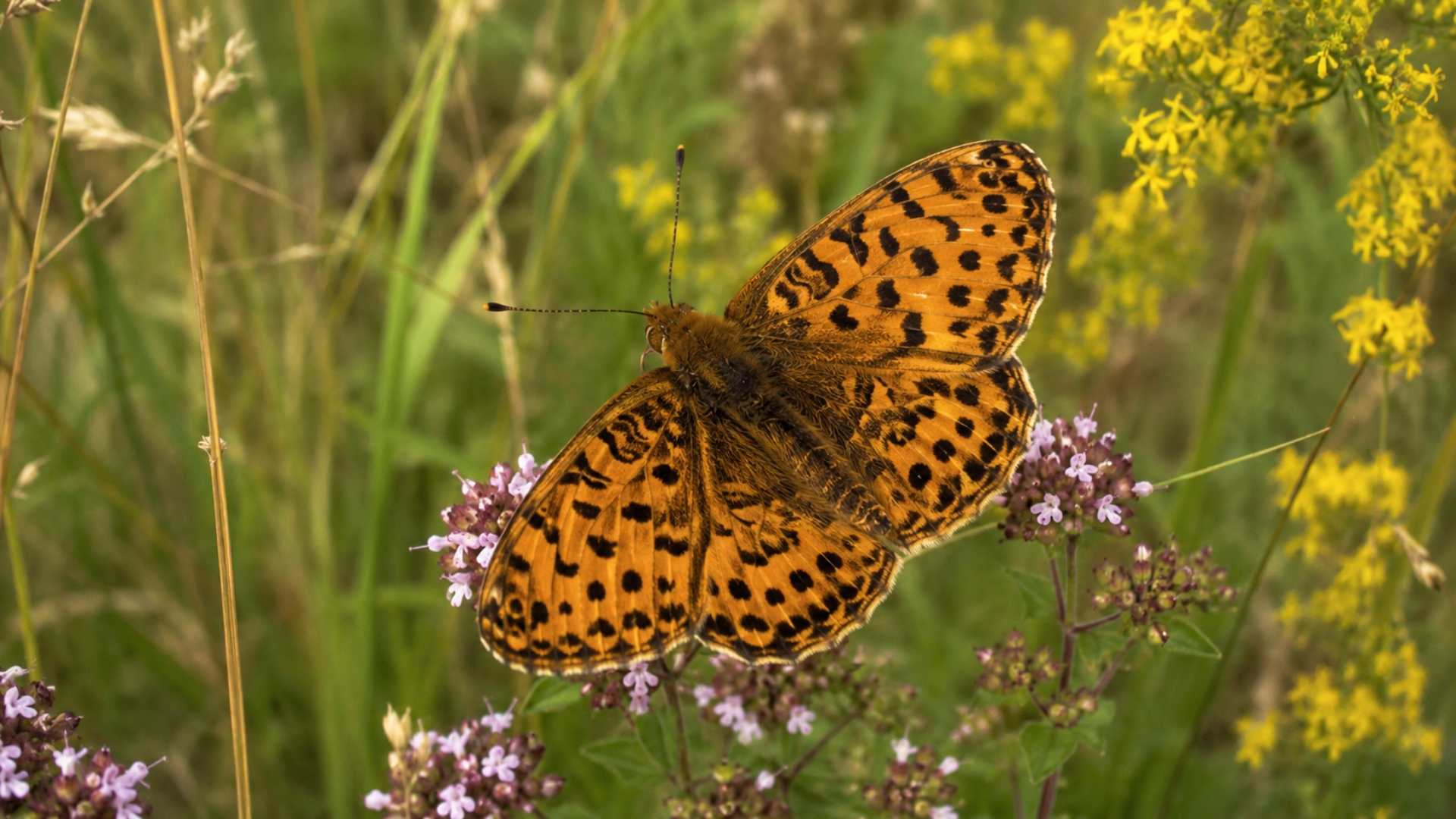
Today, she is remembered through the Glanville fritillary, a butterfly that bears her name. This species remains one of Britain’s most recognizable fritillary butterflies and stands as a rare example of an animal named after a woman naturalist from that era.
When Curiosity Became a Liability
What makes Glanville’s story remarkable is not only her scientific contribution but also the reaction it provoked. In the social climate of her time, a woman dedicating herself to scientific pursuits was often viewed with suspicion. Collecting insects, conducting observations, and corresponding with naturalists were seen as unsuitable activities for women.
After her death, reports suggested that her enthusiasm for butterflies was used against her. Rather than being recognized as evidence of intellectual curiosity, her interests were portrayed as signs of eccentricity or instability. Historians have pointed to these attitudes as part of a broader pattern in which women who stepped beyond expected social roles were frequently marginalized or discredited.
A Pattern Seen Throughout Scientific History
Eleanor Glanville’s experience was not unique. Throughout history, many women made important contributions to natural history, zoology, botany, and conservation without receiving the same recognition as their male contemporaries. Some worked alongside husbands, brothers, or fathers and saw their achievements attributed to others. Some published anonymously. Others had their work ignored entirely until later generations revisited the historical record.
In recent decades, historians have increasingly sought to recover these stories and better understand the role women played in shaping scientific knowledge long before they were formally admitted into scientific institutions. Glanville’s story fits within that wider effort.
The Significance of Butterflies Beyond Beauty
The renewed interest in Glanville also highlights the importance of butterflies themselves. Butterflies are more than attractive insects; they are important pollinators and indicators of environmental health. Because many species are sensitive to changes in habitat and climate, their populations can provide valuable insights into the condition of ecosystems.
The careful observations made by early naturalists helped establish foundations for modern ecology and conservation science. Collectors and observers from previous centuries created records that researchers still use today to understand how species distributions have changed over time.
Although Glanville could not have known it, her fascination with butterflies contributed to a scientific tradition that continues to inform conservation efforts centuries later.
A Story That Goes Beyond Butterflies
The new theatrical production presents Glanville’s life as more than a historical curiosity. At its heart, the story explores how knowledge is valued, who receives credit for discoveries, and how social attitudes can shape historical memory. The title’s themes of being gaslit, shamed, and swindled reflect the ways in which women’s achievements were often minimized or erased.
For modern audiences, her story resonates because similar discussions continue today across many fields, from science and academia to conservation and environmental leadership.
Why Her Legacy Matters Today
Eleanor Glanville’s rediscovered legacy serves as a reminder that scientific progress is often built on the contributions of people who never received the recognition they deserved. Her passion for butterflies helped expand knowledge of the natural world at a time when few women had opportunities to participate openly in scientific pursuits.
Centuries later, the butterfly that carries her name continues to fly, while renewed interest in her life is helping restore her place in history. In the end, the story is not just about one forgotten naturalist. It is about how easily important contributions can disappear from the historical record and how valuable it can be to find them again.
Post a Comment for "The Forgotten Butterfly Collector Erased From History for 300 Years"