
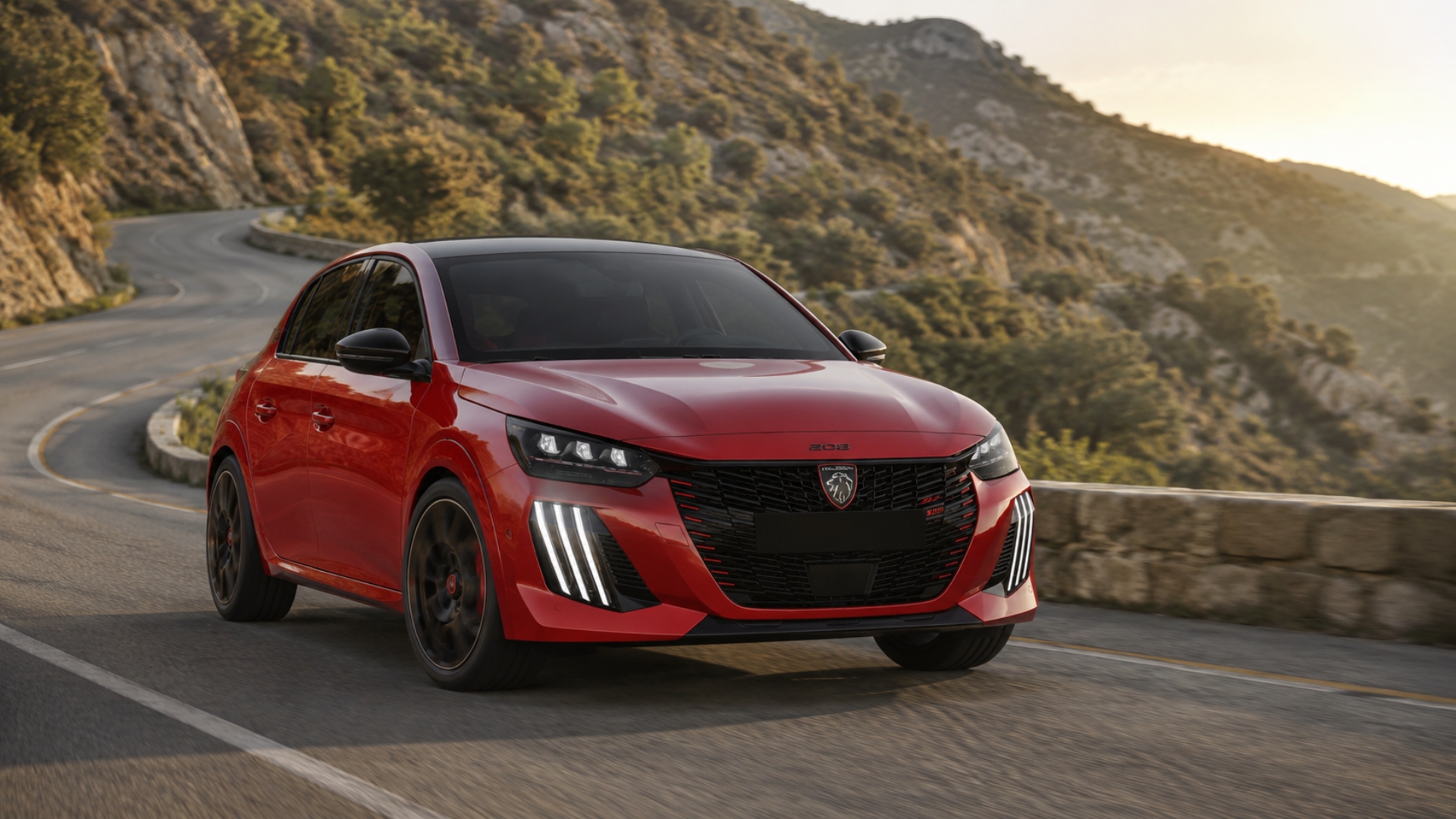
The Peugeot E-208 GTi revives a hot hatch icon in the electric age
The Legacy of the GTi Badge
The GTi badge has always carried a unique set of expectations. For many years, it was synonymous with lightweight performance, sharp handling, and an affordable yet exhilarating driving experience. Models like the Peugeot 205 GTi became icons not because they boasted massive power figures, but because they offered a level of engagement that made every drive feel special. This legacy is what makes reviving the GTi badge such a challenging task for any modern automaker.
In today's automotive landscape, where electrification is reshaping the industry, stricter regulations are becoming the norm, and vehicles are significantly heavier than in the past, simply adding more horsepower would not be enough. Peugeot had to prove that a battery-powered hot hatch could still embody the spirit that made the GTi name famous. The new Peugeot E-208 GTi is the brand’s attempt at doing just that.
A Major Performance Upgrade
The E-208 GTi comes with a substantial power increase compared to the standard E-208 model. The electric motor delivers around 280 horsepower, making it one of the most powerful vehicles ever to carry the GTi badge. This level of power offers acceleration that even traditional hot hatches could only dream of a decade ago. However, Peugeot seems to understand that speed alone isn’t enough to create a great driver’s car.
To address this, the company has made several key modifications. The ride height has been lowered, the track has been widened, and the suspension setup has been revised. Additionally, performance-oriented hardware has been added to enhance handling rather than just focusing on straight-line speed. These changes suggest that the engineering team behind the E-208 GTi understands exactly what enthusiasts are looking for in a modern hot hatch.
The Weight Challenge
One of the biggest hurdles for electric performance cars is weight. Batteries add significant mass, which can make it harder for EVs to match the agility and responsiveness of their lighter predecessors. The original GTi formula was built around relatively light vehicles that felt nimble and dynamic. Modern EVs have to work much harder to achieve similar characteristics, as they start with a weight disadvantage.
The E-208 GTi cannot escape the laws of physics, but it can manage its weight through design choices. A lower center of gravity, a wider stance, and carefully tuned chassis settings can help make a heavy vehicle feel more composed and eager to change direction. Whether drivers will forget about the weight when tackling challenging roads may ultimately determine the car’s success.
Emotion Over Technology
What sets the E-208 GTi apart is not just its technology, but its emotional appeal. For Peugeot, the revival of the GTi badge represents more than just a technological shift—it’s a statement about the continued relevance of fun in the automotive world. While many manufacturers focus on efficiency, sustainability, and technology, Peugeot is emphasizing that performance and enjoyment still matter.
The GTi badge is not being revived to showcase battery technology. Instead, it’s a response to the belief that there is still demand for accessible performance cars, even if the powertrain has changed. This distinction is crucial, as enthusiasts may be open to electric performance, but they are unlikely to abandon the emotional connection that has defined the hot hatch segment.
The Electric Hot Hatch Market Is Evolving
For years, the future of hot hatches in an electrified world was uncertain. Now, the first serious answers are beginning to emerge. European manufacturers are exploring how performance-oriented compact EVs can fit into their future lineups. The challenge lies in creating cars that deliver excitement without becoming too expensive or too heavy, which could undermine the qualities that made the segment appealing in the first place.
Peugeot’s approach with the E-208 GTi is particularly notable due to the brand’s rich heritage with the GTi badge. A successful E-208 GTi would demonstrate that performance badges with genuine history can survive the shift to electric power without becoming mere marketing tools.
Why the E-208 GTi Matters
The return of the GTi badge is more than just about a single model. It’s a test of whether one of the automotive industry’s most beloved formulas can evolve without losing its identity. The original GTi cars succeeded because they were accessible, entertaining, and full of character. The E-208 GTi cannot recreate that exact experience, as the automotive world has changed too much for that.
What it can do, however, is reinterpret those values for a new generation. If Peugeot has succeeded, the E-208 GTi will not be remembered as an electric replacement for a legendary badge. Instead, it will be seen as proof that the hot hatch still has a future, even in a world increasingly powered by batteries.
Post a Comment for "The Peugeot E-208 GTi revives a hot hatch icon in the electric age"