
Top 10: Best Vertical Take-Off Fighter Jets
The Evolution of VTOL Aircraft: A Fascinating Journey
Vertical Take-Off and Landing (VTOL) aircraft have long been a dream for military aviation, offering the potential to operate without the need for long runways. However, developing such aircraft has proven to be an extremely challenging task, with many projects failing due to technical difficulties and operational limitations. This article explores some of the most notable VTOL aircraft, highlighting their innovations, challenges, and the lessons learned from their development.
10: VFW VAK 191B
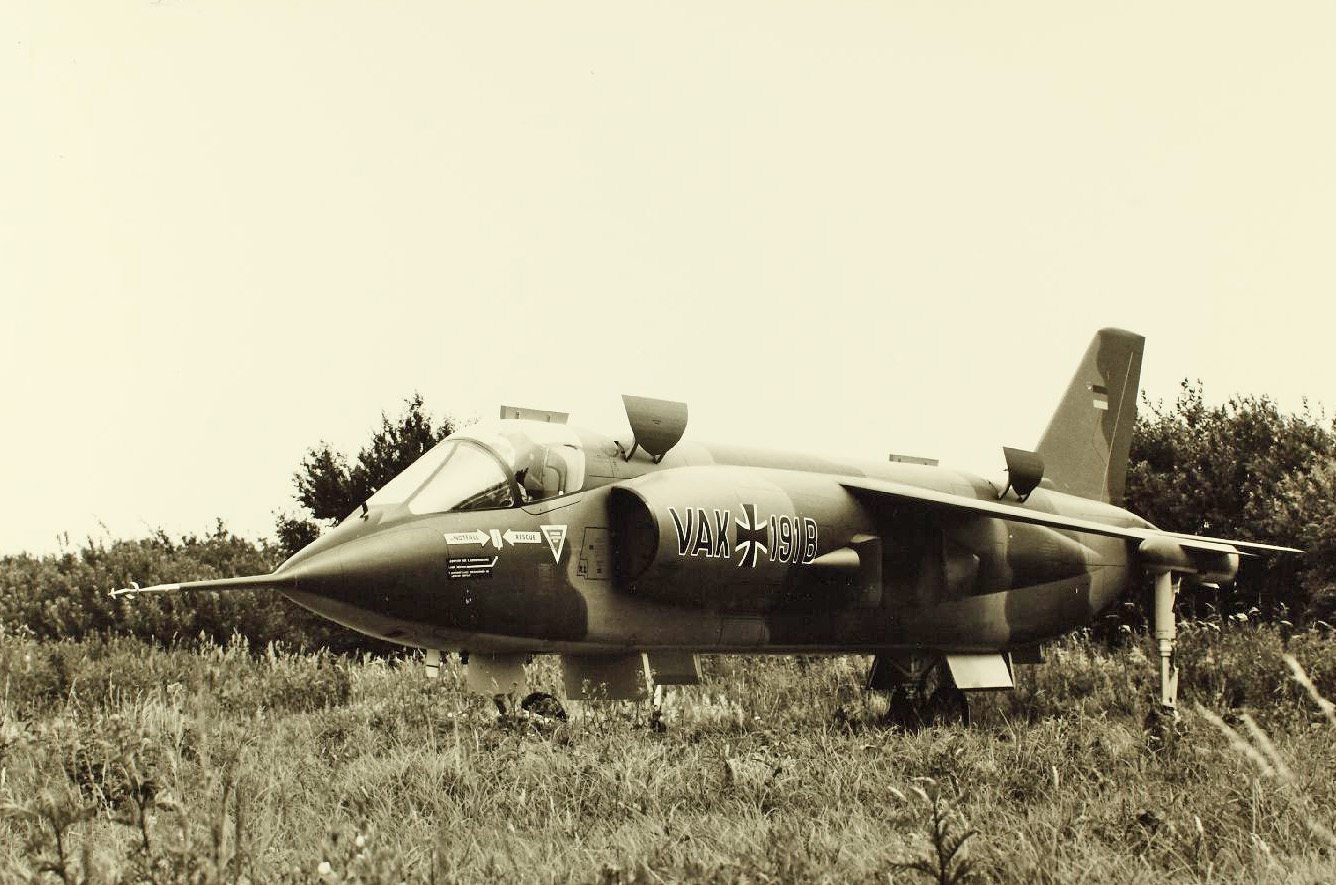
The VFW VAK 191B was part of NATO’s competition for a supersonic VTOL strike aircraft. Its propulsion system, developed with Rolls-Royce, used a similar concept to the Harrier’s Pegasus engine. Despite its promising design, the project faced setbacks when the NATO requirement was scrapped. It continued as part of a US–West German fighter project but was eventually canceled in 1972.
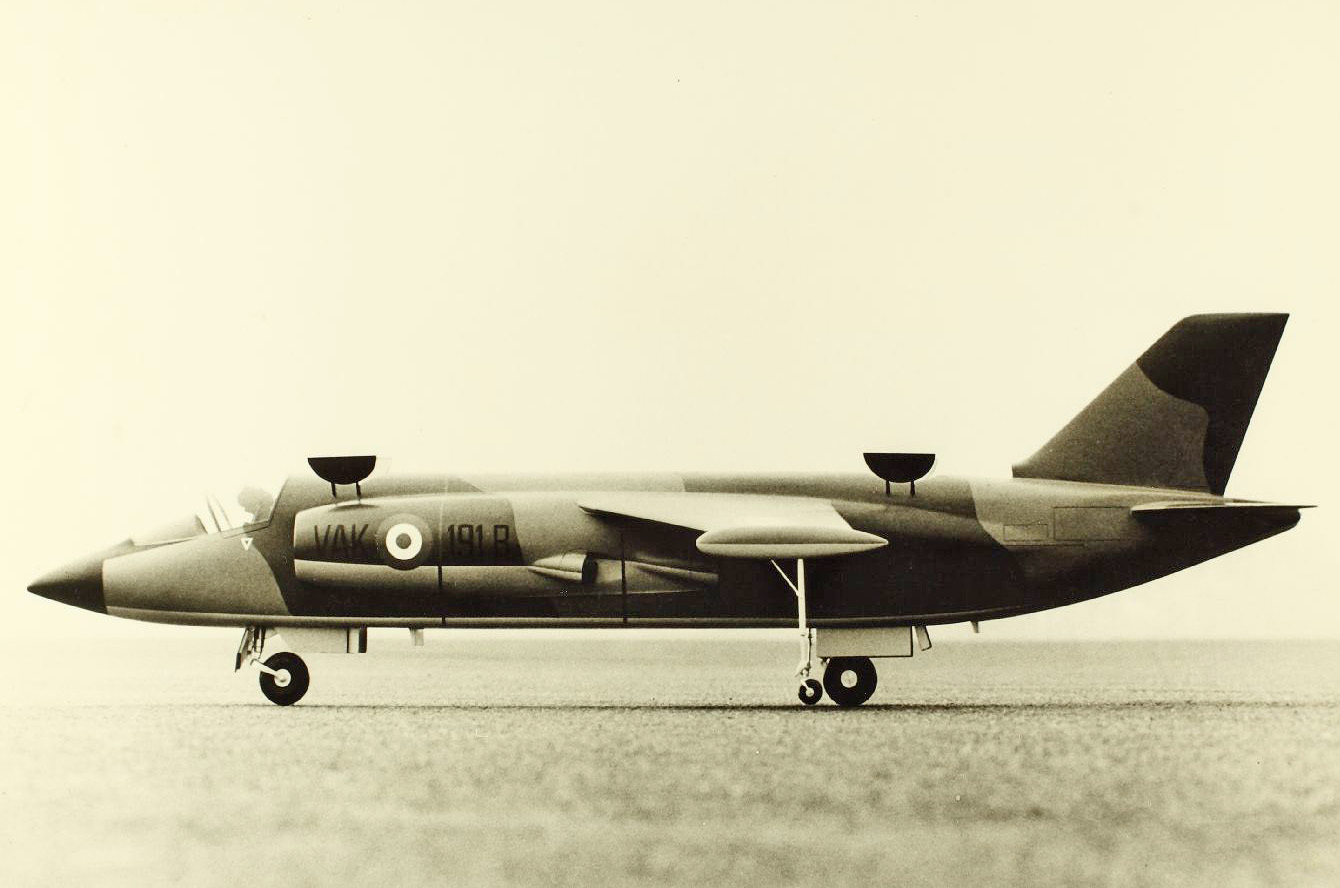
The VAK 191B had a simple propulsion system using steerable jet thrust and fixed lift engines. Its high fineness ratio made it more suitable for high-speed flight. However, its low thrust-to-weight ratio and small wings made it less maneuverable. Although it made a successful flight, it required further development to become effective, which never happened.
9: Ryan X-13 Vertijet
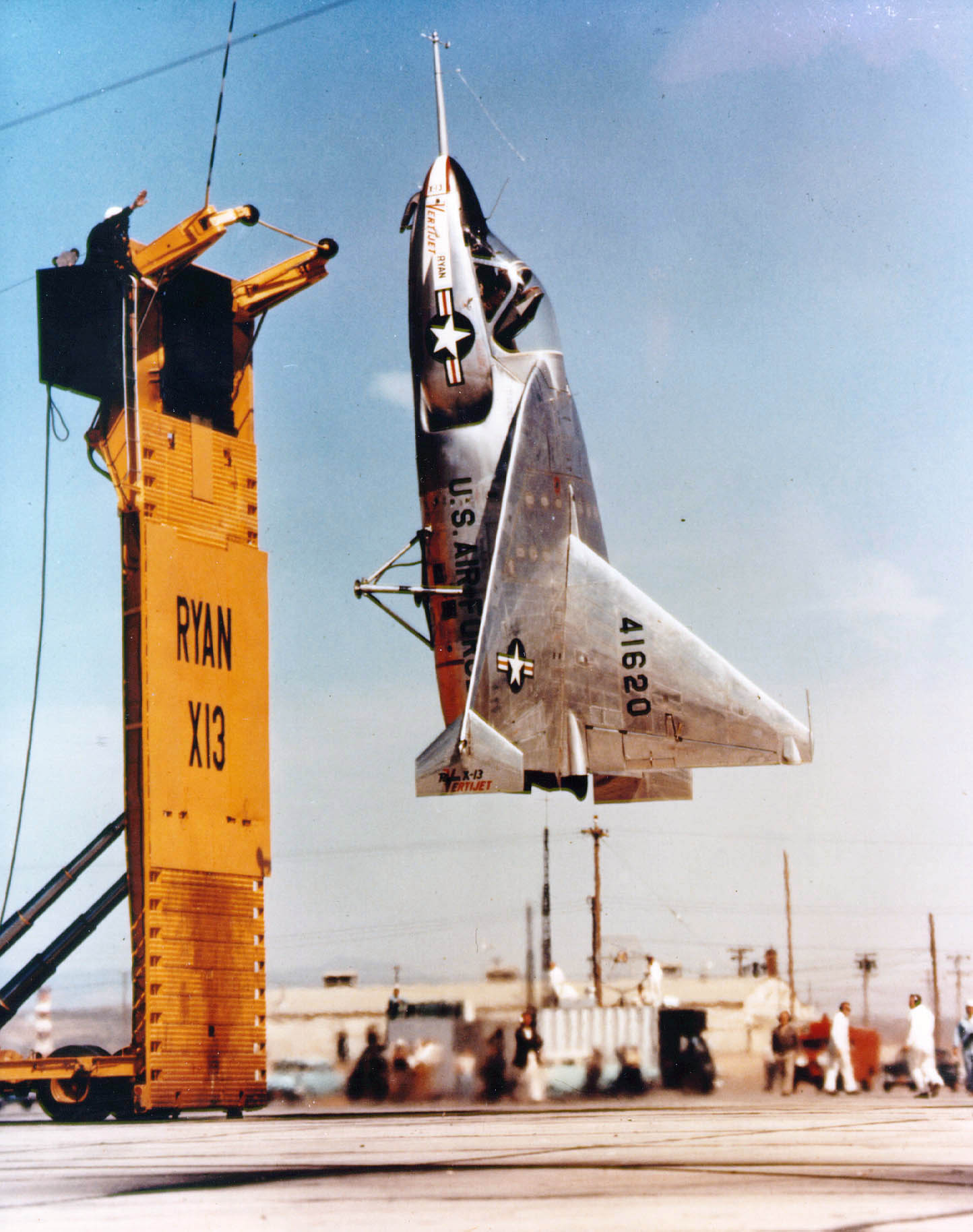
The Ryan X-13 Vertijet was a tail-sitter VTOL aircraft that used a Rolls-Royce Avon turbojet engine. While it was more successful than other tail-sitters, it championed the wrong approach. The aircraft once crossed the Potomac River and landed at the Pentagon, but the military did not see a need for this capability at the time.
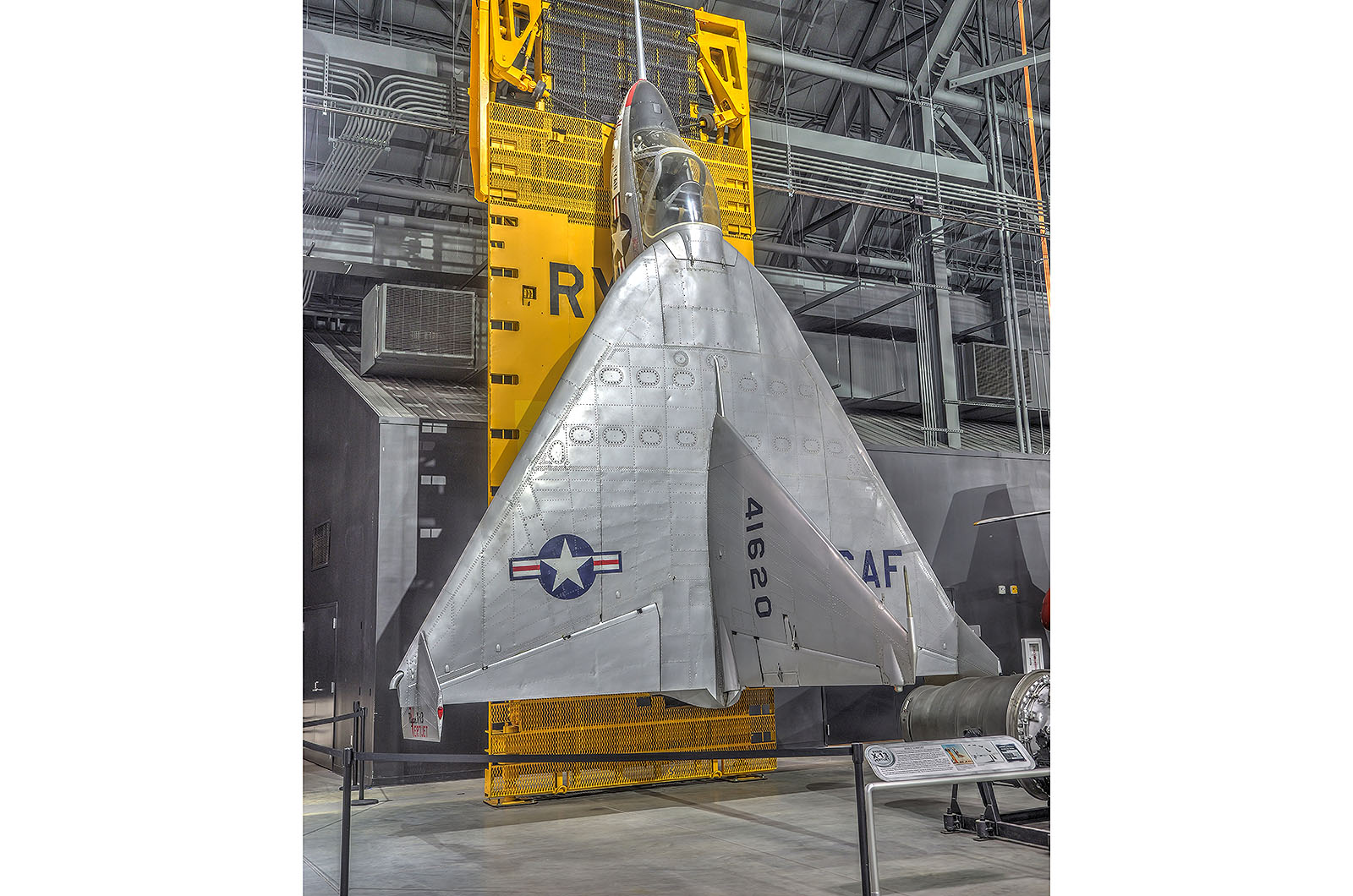
Despite its unique design, the X-13 lacked practical applications and was ultimately deemed unnecessary. Its efforts contributed to the understanding of VTOL technology, but it failed to meet the military’s requirements.
8: Lockheed XV-4 Hummingbird
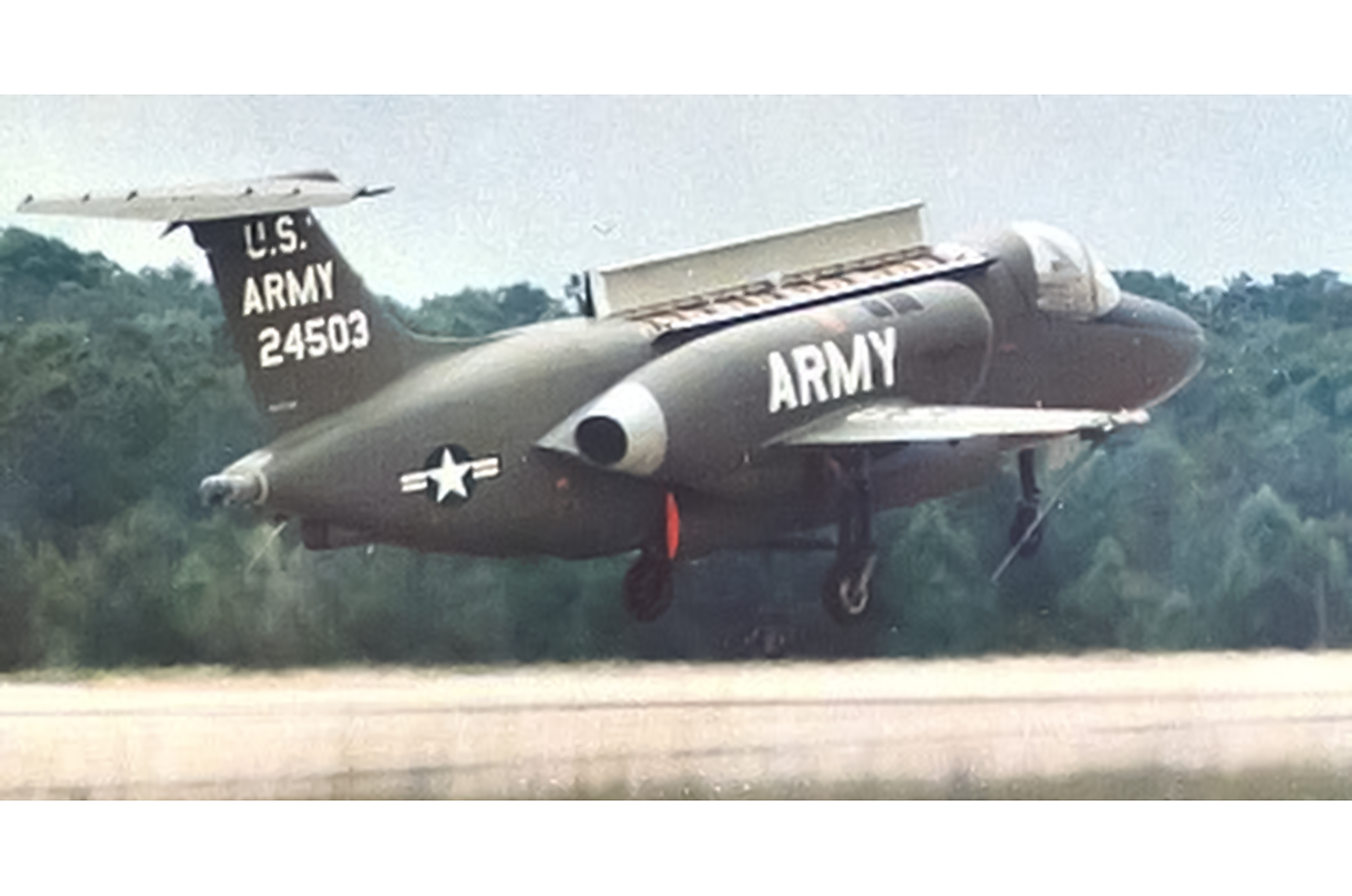
The Lockheed XV-4 Hummingbird was intended as a target-spotting aircraft for the US Army. Its vertical lift came from multiple nozzles, but the thrust generated was insufficient, leading to a shift toward short take-off capabilities. It was the first demonstration of an ejector-augmentor VTOL propulsion system, though it proved disappointing.
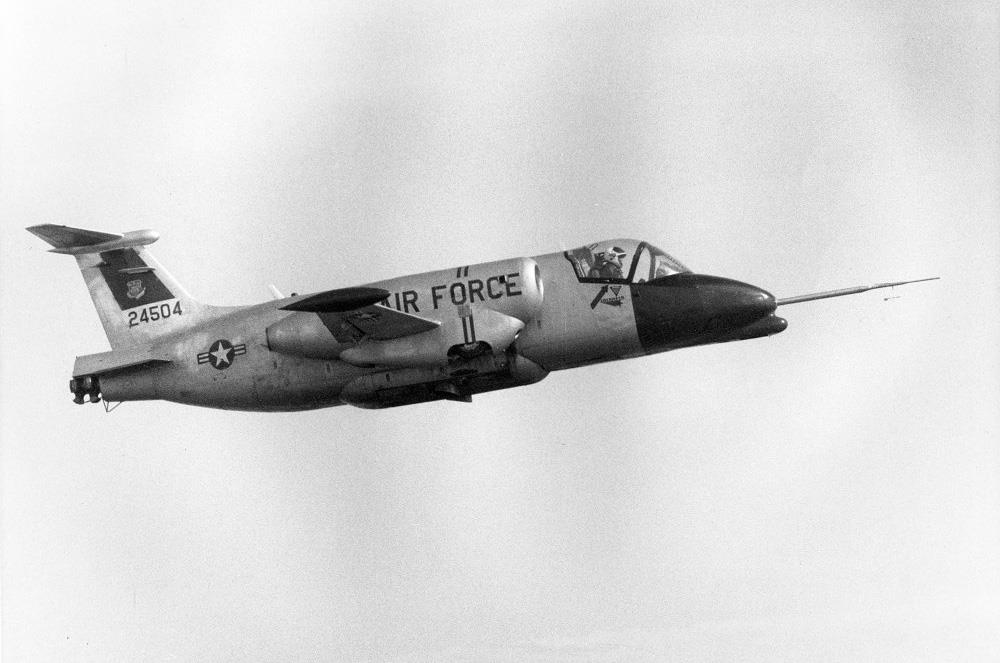
The XV-4A had a top speed of 518 mph, but its thrust-to-weight ratio was inadequate. Both prototypes crashed, one killing a test pilot. The XV-4B’s propulsion system occupied the entire fuselage, leaving little room for useful payloads.
7: Yakovlev Yak-38 ‘Forger’
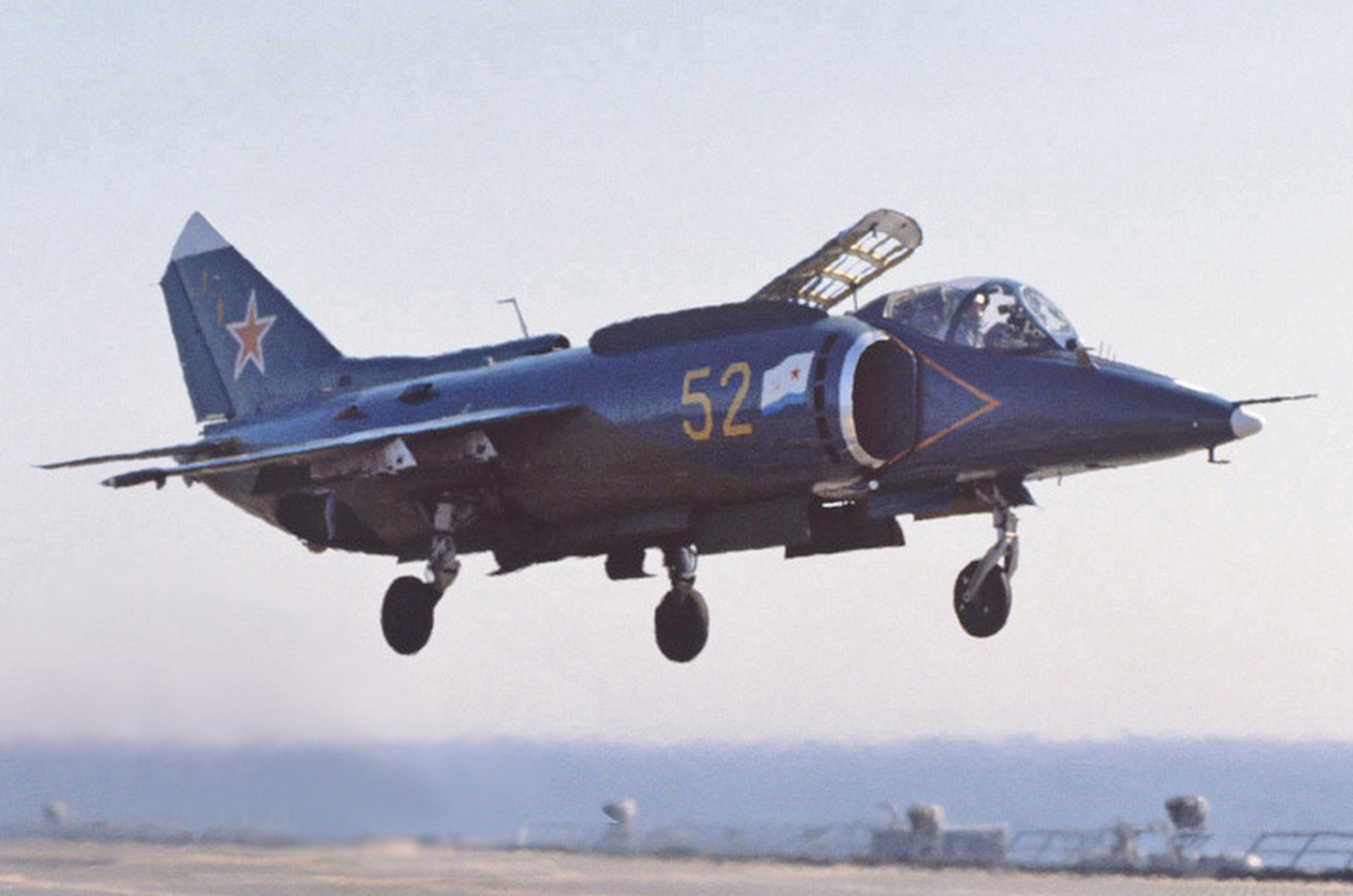
The Yak-38 ‘Forger’ was a Soviet interim VTOL aircraft, serving from 1976 to 1991. It was similar to the British Sea Harrier but had a higher maximum speed. It laid the groundwork for the more advanced Yak-41. The Yak-38 featured two lift engines and a cruise engine with thrust-vectoring for landing.
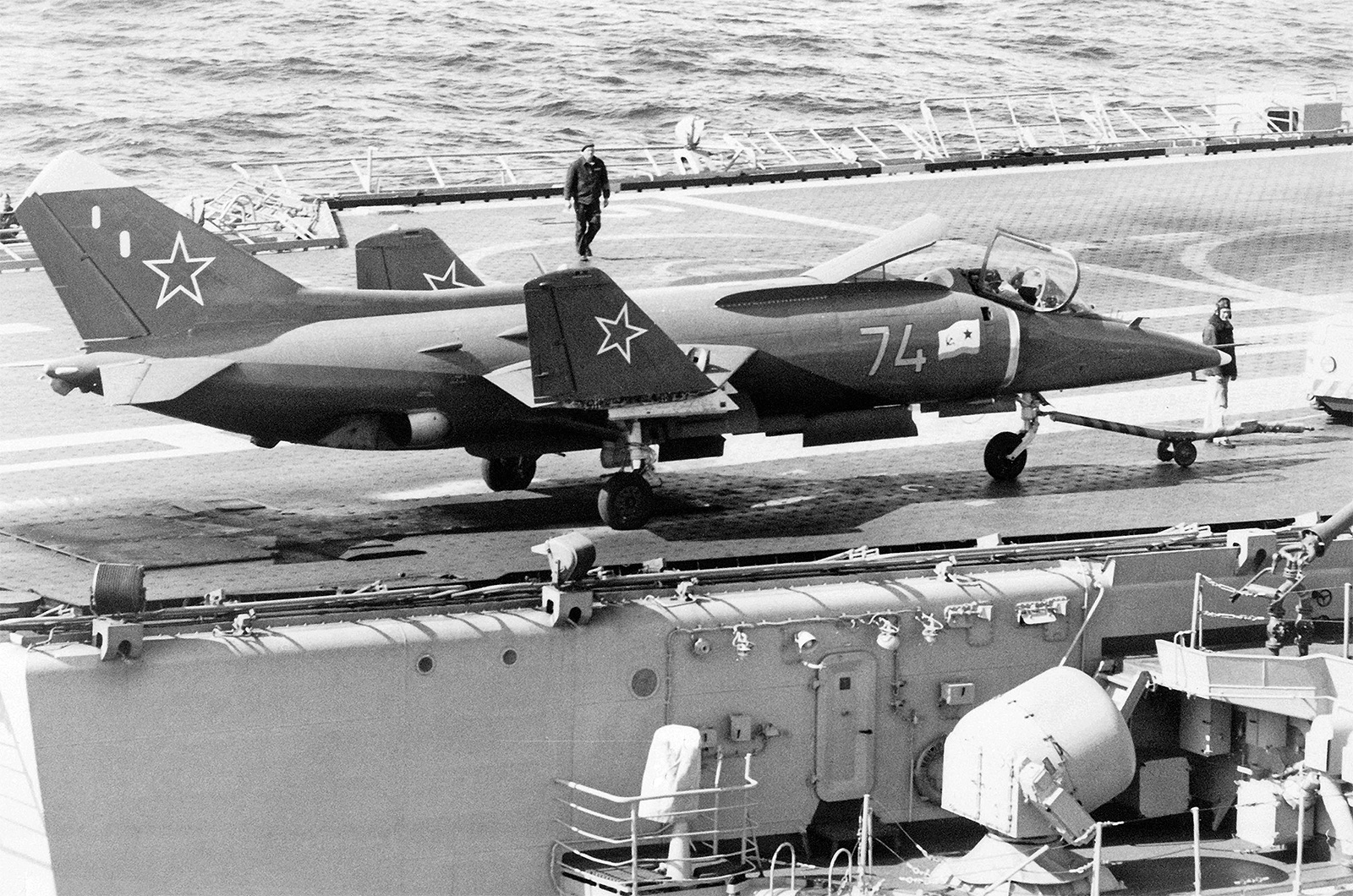
Its automatic ejector seat, which launched the pilot if certain parameters were exceeded, was later adopted by the F-35B. However, the Yak-38 had poor range and load-carrying ability, making it less effective than its successors.
6: Ryan XV-5A Vertifan
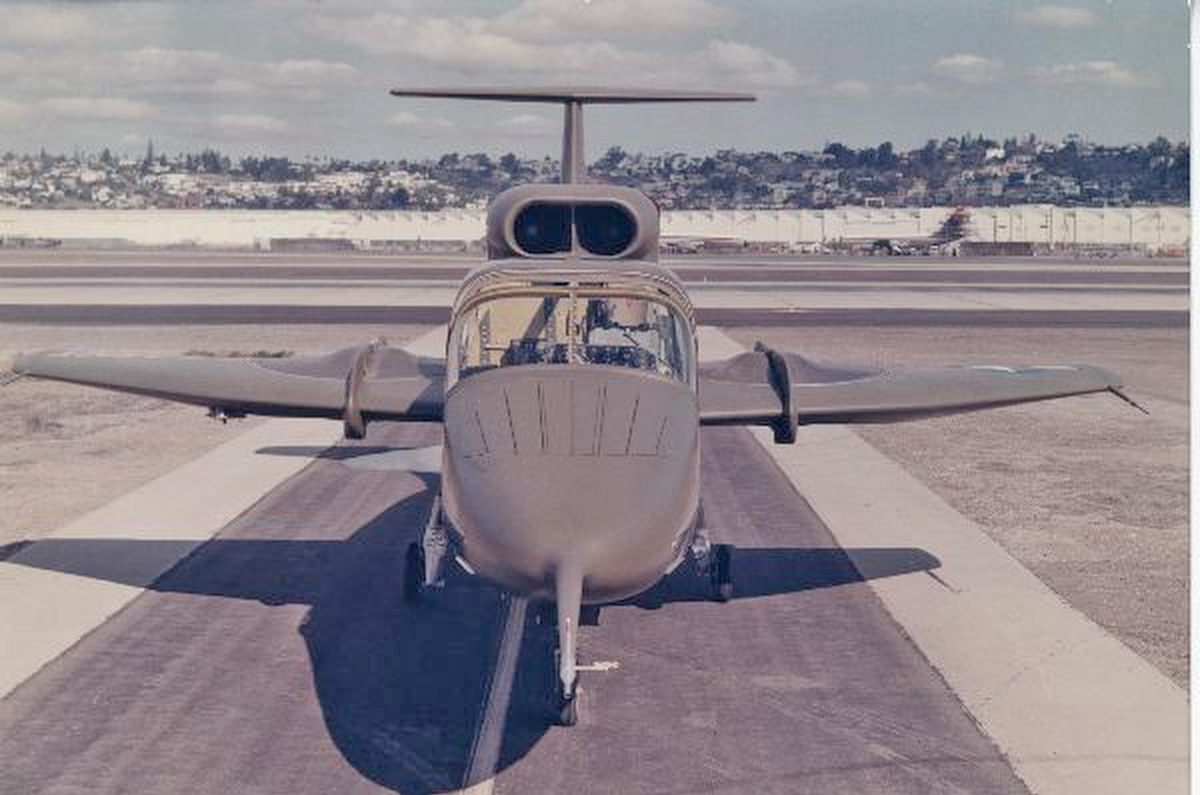
The Ryan XV-5A Vertifan was designed for close-support aircraft research. Its fan-in-wing lift system provided three times the thrust of a conventional nozzle, but the complex doors and nose-fan made it difficult to manage. A dummy was ingested by a wing fan during trials, raising concerns about its safety.
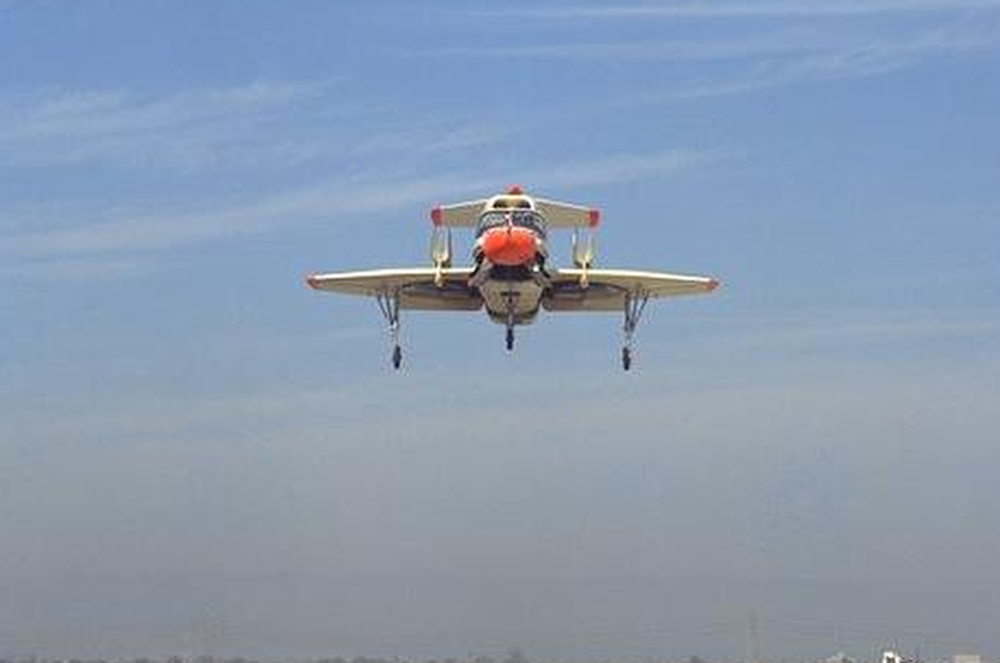
The aircraft suffered from poor low-speed handling and acceleration. Despite its innovative design, it failed to meet operational needs and resulted in multiple fatal crashes.
5: EWR VJ 101
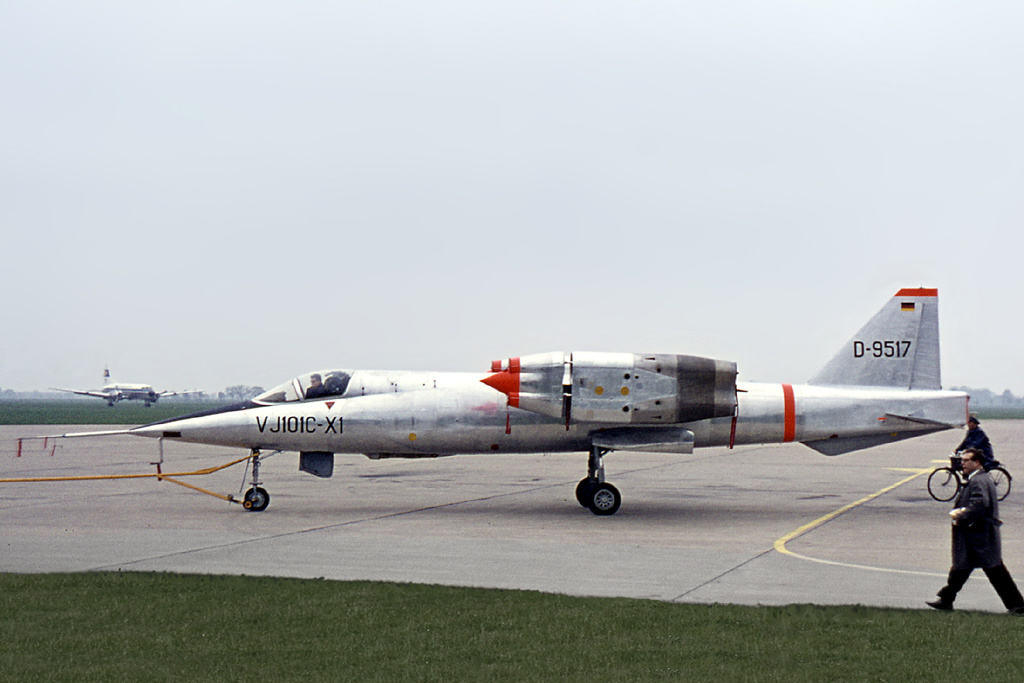
The EWR VJ 101 was a six-engine VTOL aircraft developed by Heinkel, Messerschmitt, and Bölkow. It had a unique control system that integrated throttle, stick, and rudder for jet-borne flight. However, afterburner use caused ground erosion and hot-gas ingestion problems.
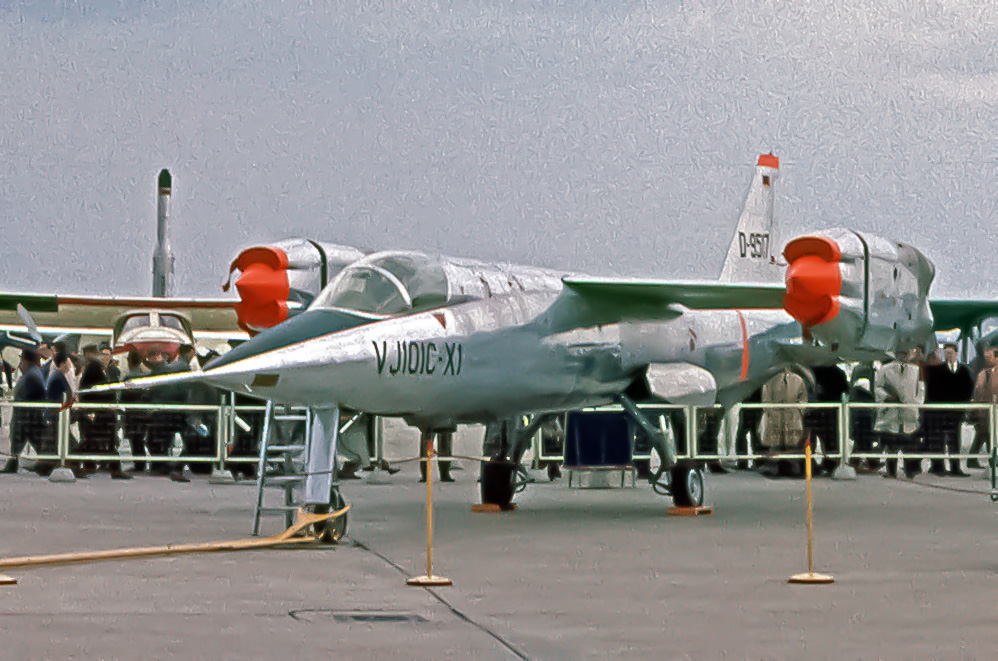
Despite these issues, the VJ 101 reached Mach 1.14, an impressive achievement. It was ahead of its time, but the changing requirements of the military rendered it obsolete.
4: Dornier Do 31
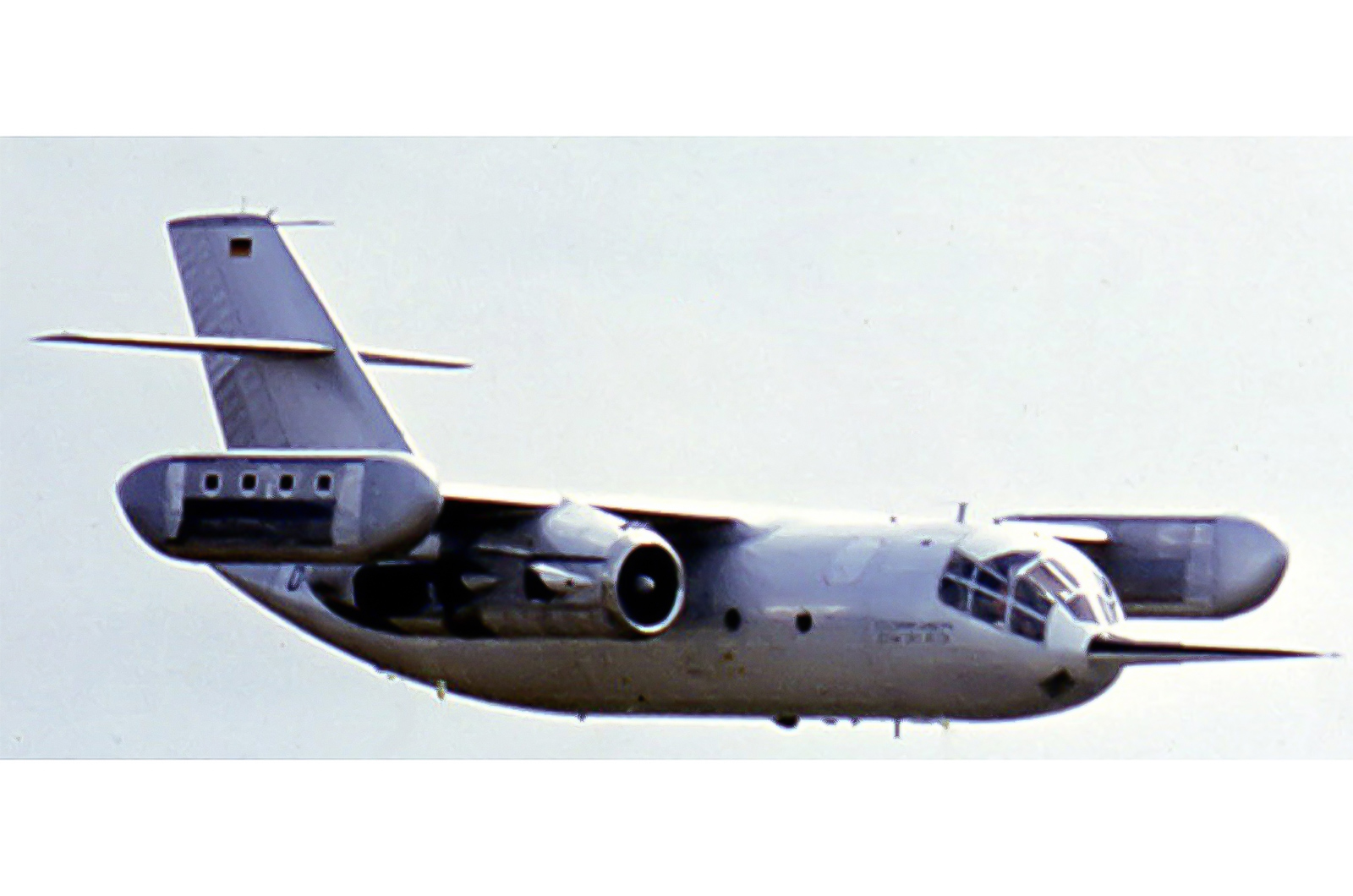
The Dornier Do 31 was a supersonic VTOL fast-jet developed by the Luftwaffe. It was intended to support tactical operations, but the introduction of the Fiat G.222 made it redundant. The Do 31 was too complex and costly compared to existing solutions.
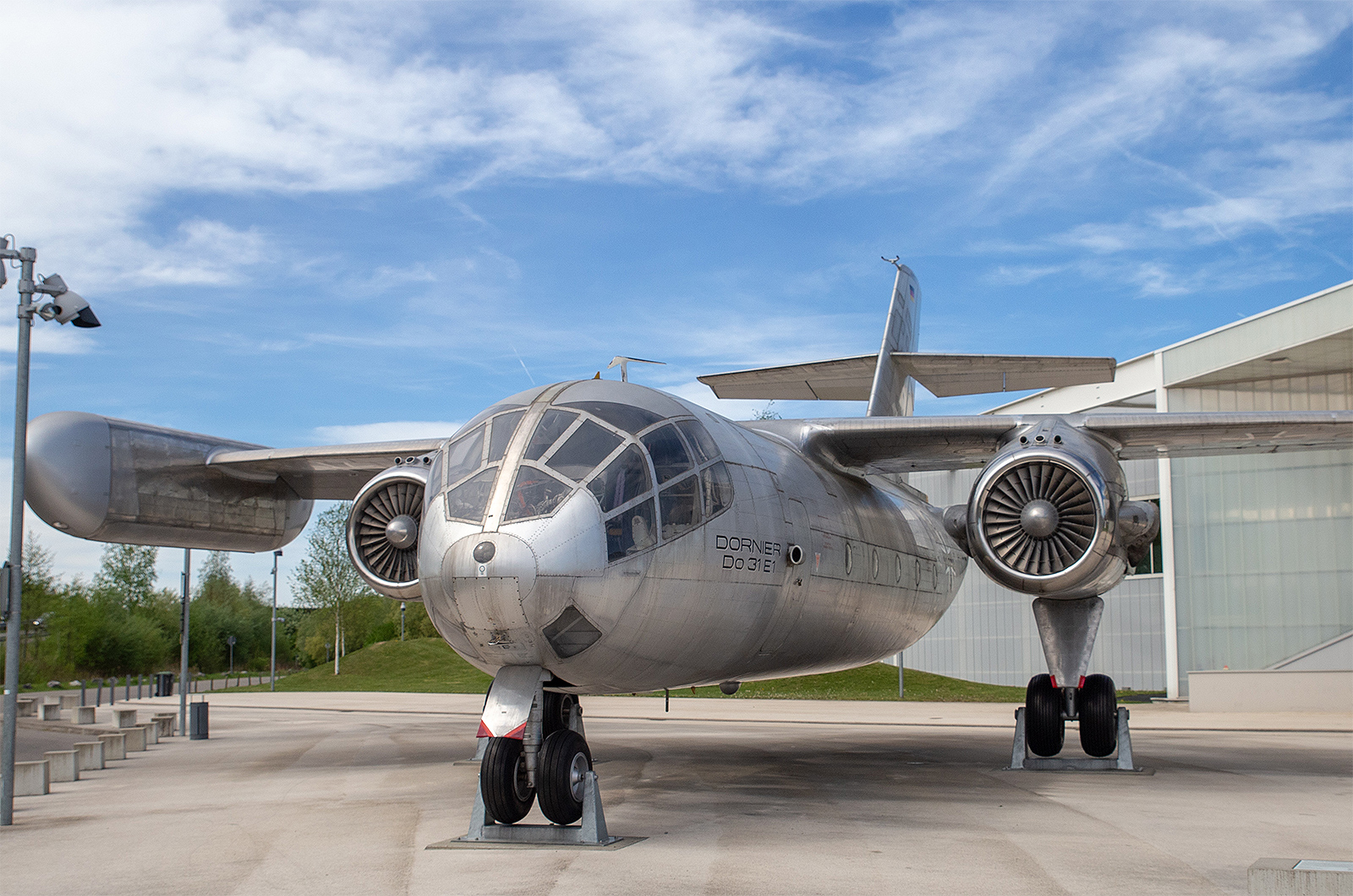
The Dornier Do 31 demonstrated the potential of VTOL technology, but its high cost and complexity made it impractical for mass production. The simpler STOVL and short take-off solutions proved more viable.
3: Yakovlev Yak-141/41/43/201 Series
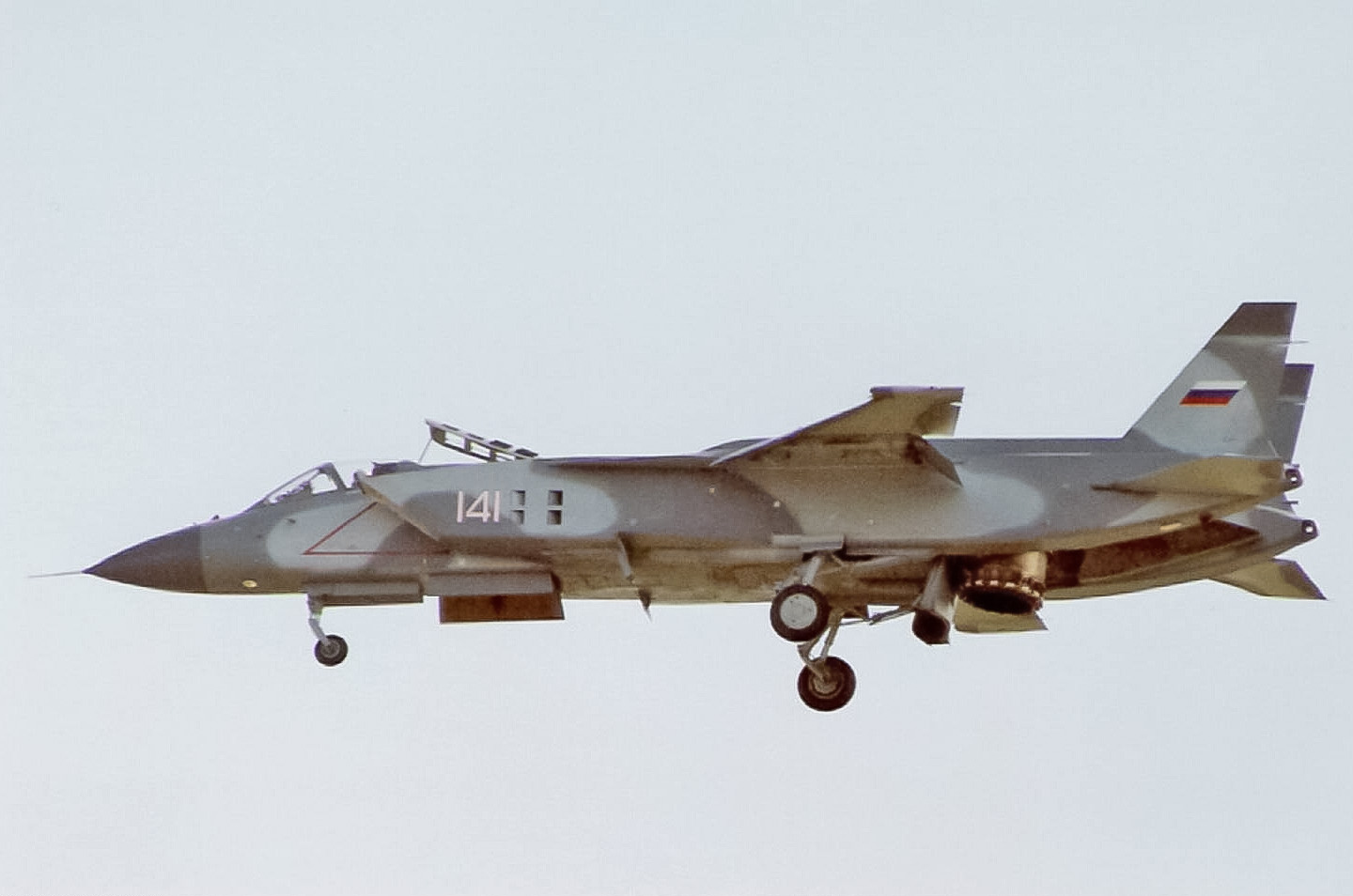
The Yak-141 series was a Soviet attempt to develop a supersonic VTOL fighter. It featured a swivelling rear thrust-vectoring nozzle and could reach Mach 1.4. However, afterburning for vertical flight caused noise and engine issues.
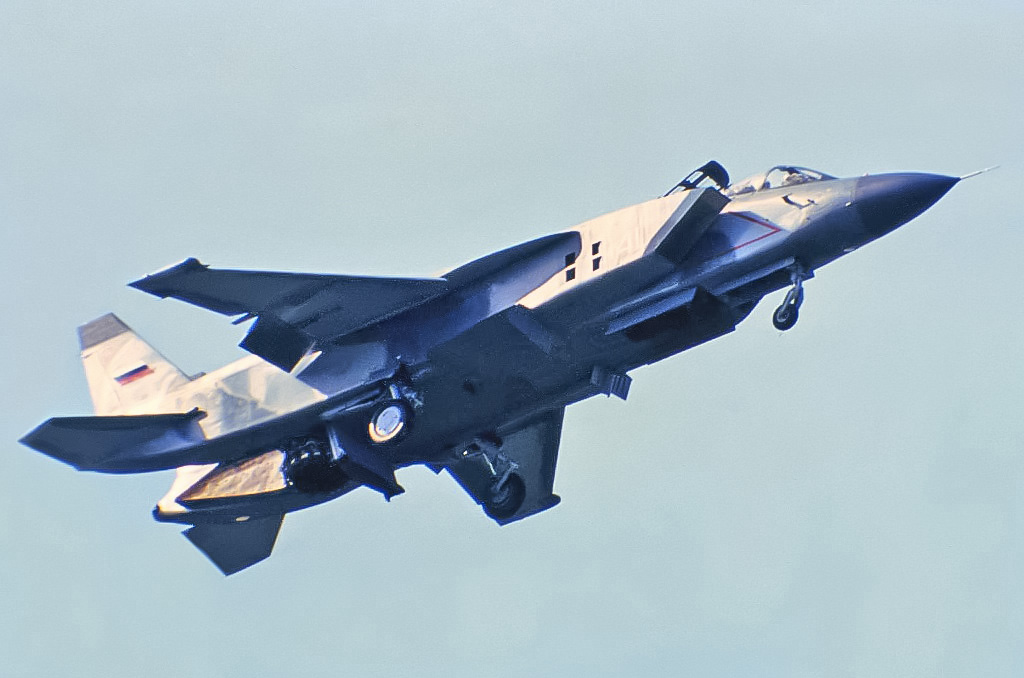
The program was halted in 1991 due to economic conditions. The Yak-43 and Yak-201 were planned as more advanced variants, but they were never built. The Yak-141 remains a testament to Soviet engineering.
2: Lockheed Martin F-35B Lightning II
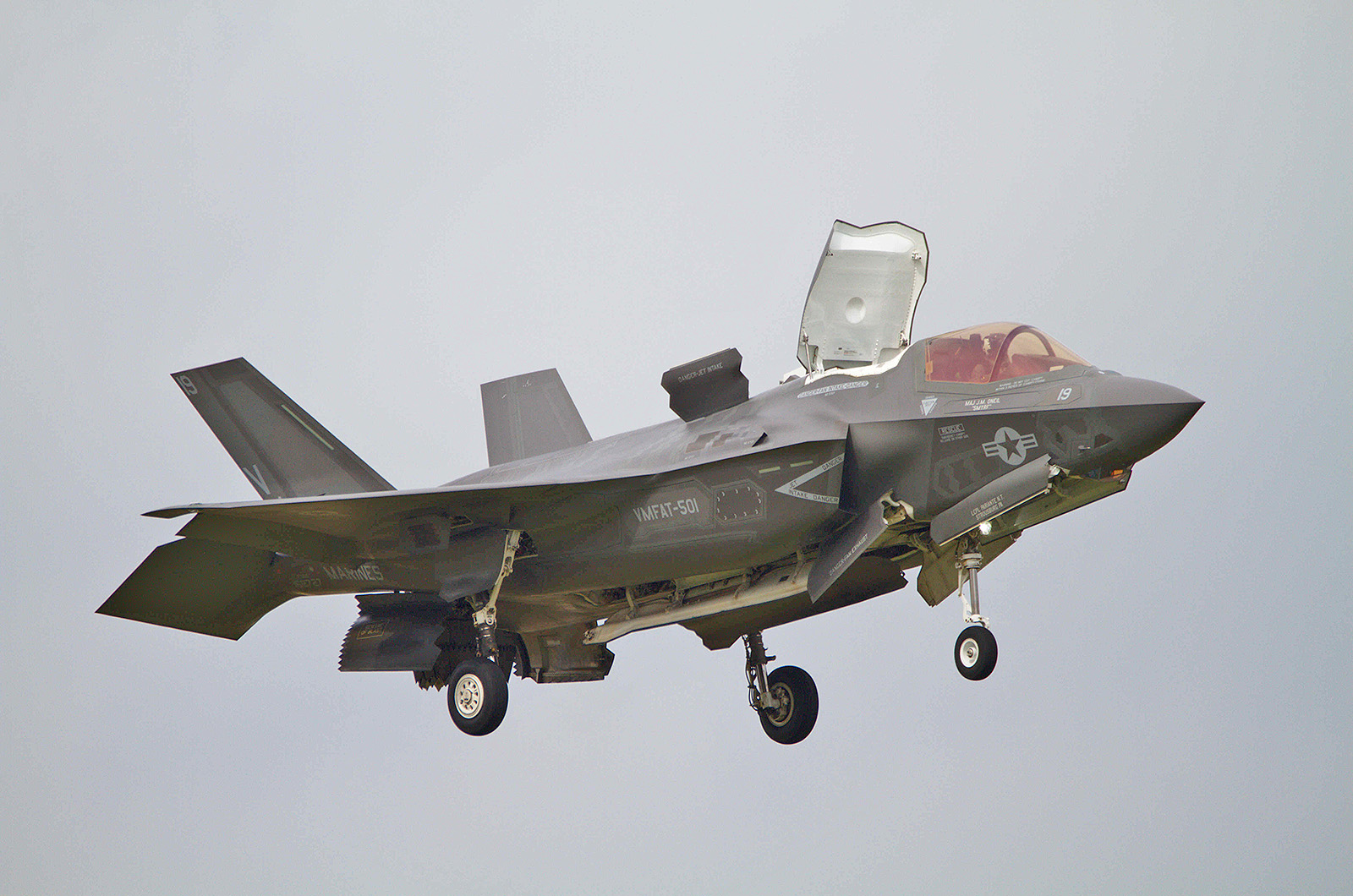
The F-35B is the STOVL variant of the F-35 stealth fighter family. It features a Rolls-Royce Integrated Lift Fan Propulsion System (ILFPS), allowing it to take off and land vertically. It is the first supersonic jump jet to enter service, marking a significant milestone in aviation history.
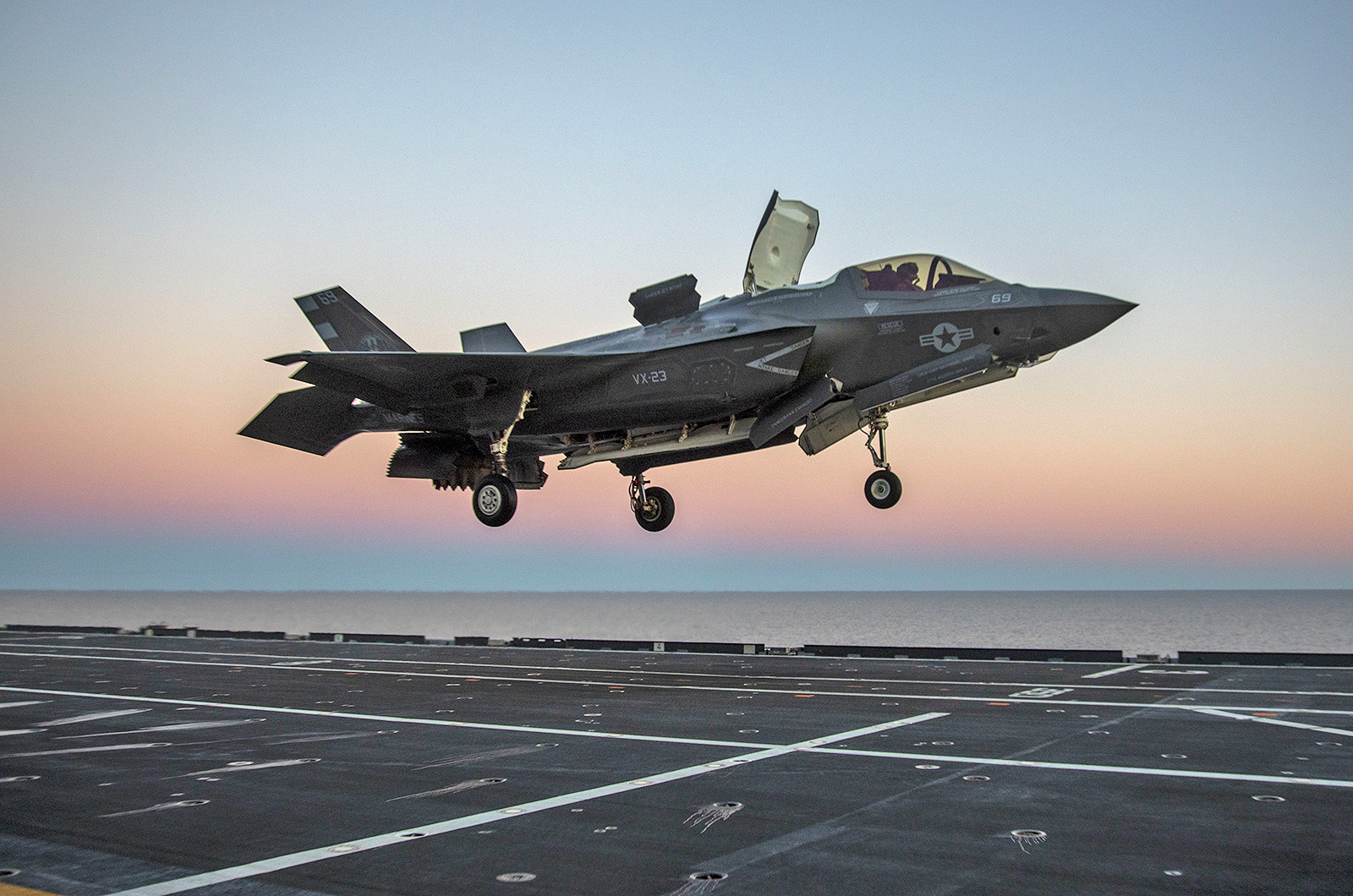
The F-35B is used by the US Marine Corps, Italy, the UK, and others. It offers advanced sensors and a helmet display, providing pilots with exceptional situational awareness. However, its STOVL systems reduce internal fuel capacity, affecting its range.
1: Harrier
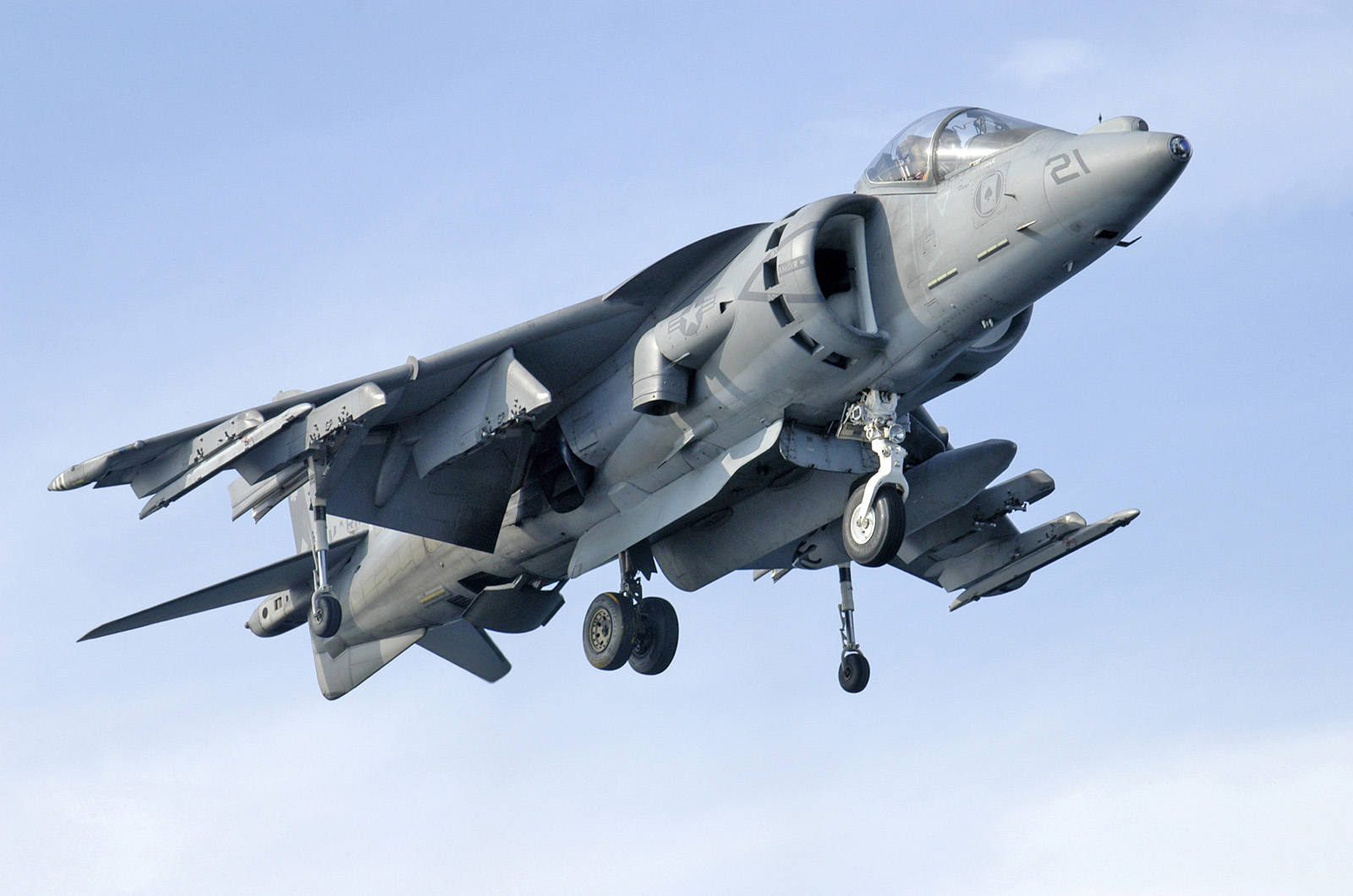
The Harrier was the first operational STOVL strike fighter, coined as the “jump jet.” Its success stemmed from a simple propulsion concept, with four movable nozzles steering the engine’s thrust. Unlike other VTOL designs, it did not require swiveling the wing or engine.
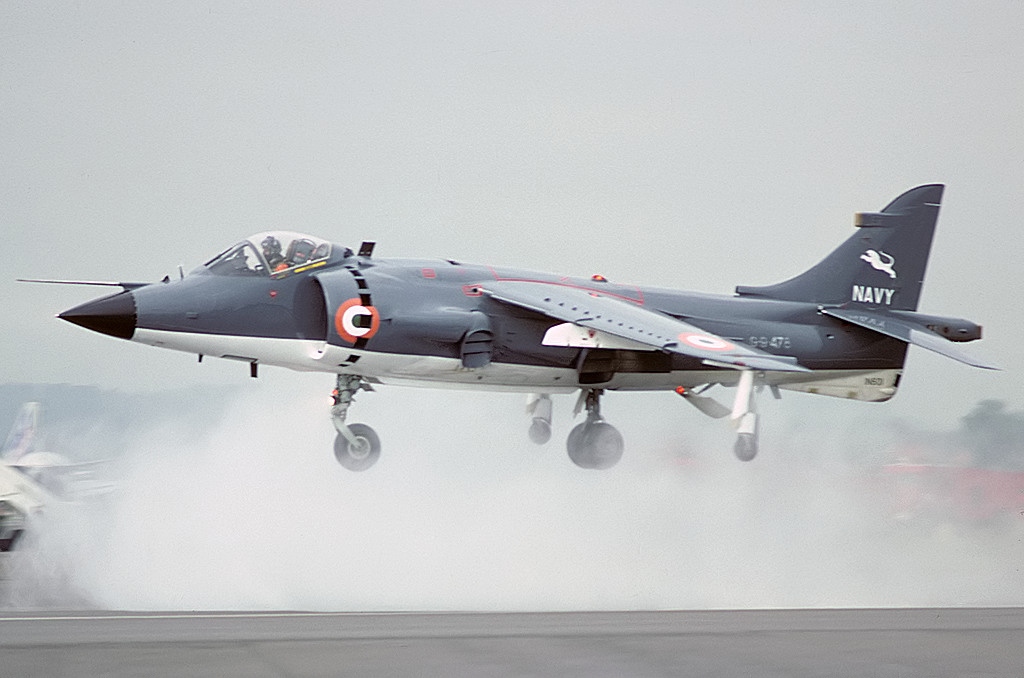
The Harrier was initially funded by the US Army and British companies. It served with the RAF and Indian Navy until 2016. The Harrier II replaced it, offering improved performance and versatility. The Harrier remains a landmark in aviation history.
Post a Comment for "Top 10: Best Vertical Take-Off Fighter Jets"