
Tucker Carlson Urges Americans to Cut Credit Card Payments as Experts Warn of Risks
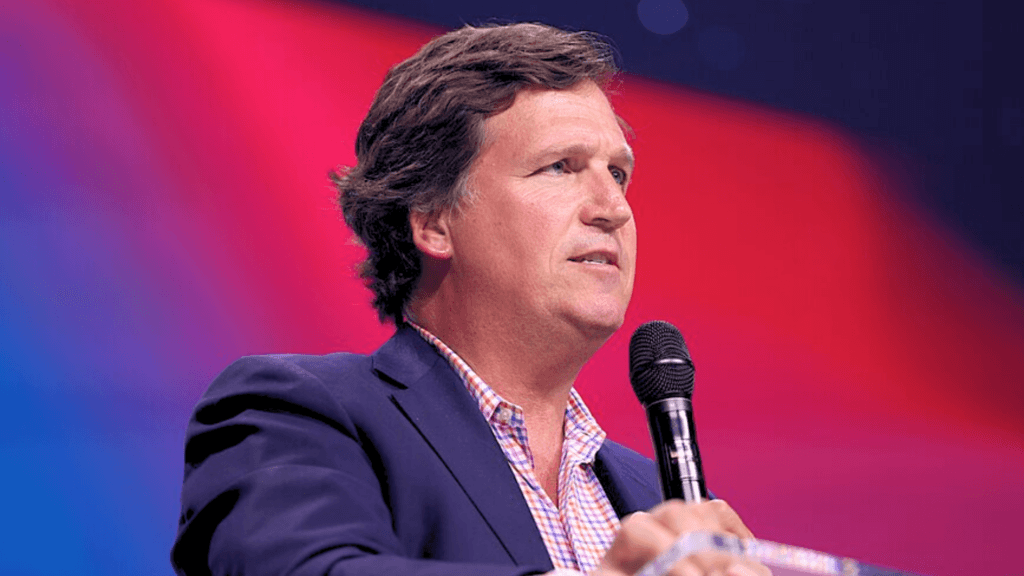
Tucker Carlson has sparked a significant debate after suggesting that Americans should stop paying their credit card bills. This comment, made during a discussion about household debt and economic pressures, quickly drew reactions from financial experts and consumer advocates. While some viewed his remarks as a critique of the current financial system, others warned that following such advice could have serious consequences for consumers.
Credit card debt in the United States has reached record levels in recent years. Many households are struggling with higher living costs, inflation, and rising interest rates. Millions of Americans carry balances from month to month, often paying significant interest charges on outstanding debt. Carlson's comments gained attention because they touched on frustrations that many consumers already feel about mounting financial obligations.
Financial professionals were quick to caution that intentionally stopping credit card payments can lead to severe financial consequences. Experts noted that missed payments can damage credit scores, trigger penalty fees, increase interest costs, and potentially result in collections activity. The controversy has since fueled broader discussions about debt, lending practices, and consumer financial health.
Carlson’s Remarks Ignite Debate Over Consumer Debt
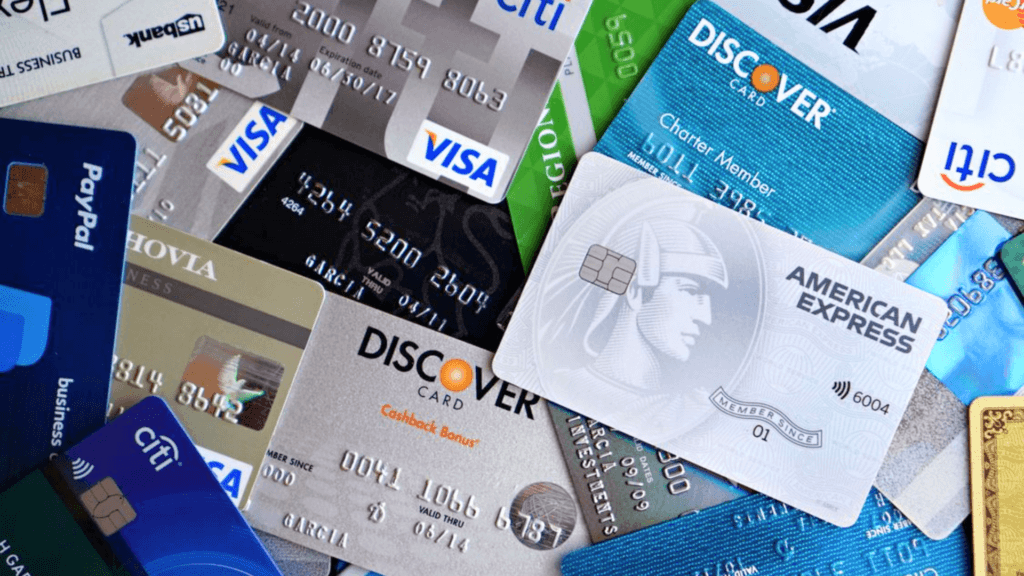
According to reports, Carlson framed his comments around concerns that many Americans are struggling under growing debt burdens. He argued that large financial institutions benefit from a system that leaves consumers paying high interest rates while facing increasing economic pressures. The remarks resonated with some viewers who believe the current credit system disproportionately benefits lenders.
Others, however, criticized the suggestion as unrealistic and potentially harmful to people already facing financial difficulties. Consumer finance specialists stressed that credit card agreements are legally binding contracts that carry consequences when payments are missed. They warned that widespread nonpayment would likely create financial hardship for individuals long before it had any impact on major lenders.
The discussion also highlighted broader concerns about the amount of debt carried by American households. Rising borrowing costs have made credit card balances more expensive to maintain, leaving some consumers searching for solutions to reduce their financial burdens. This environment has helped amplify public interest in comments addressing debt and financial stress.
Financial Experts Warn of Serious Consequences

Financial experts responding to Carlson's remarks emphasized that stopping credit card payments can quickly damage a person's financial standing. Missed payments are often reported to credit bureaus, potentially lowering credit scores and making it more difficult to obtain loans, housing, or favorable interest rates in the future. Long-term delinquencies can also lead to debt collection efforts and legal action in some circumstances.
Consumer advocates recommend that individuals experiencing debt problems explore alternatives before considering nonpayment. Options such as negotiating with creditors, enrolling in hardship programs, consolidating debt, or seeking assistance from nonprofit credit counseling organizations may help borrowers manage obligations more effectively. These approaches are generally viewed as safer than simply ceasing payments altogether.
Experts also noted that while frustration with debt levels is understandable, financial decisions should be based on a clear understanding of potential consequences. Personal finance professionals encourage consumers to develop repayment strategies that balance immediate financial challenges with long-term financial stability. The reaction to Carlson's comments underscores how sensitive and important debt issues remain for many households.
Debt Frustrations Highlight Broader Financial Challenges

The controversy surrounding Tucker Carlson's comments reflects growing concern about consumer debt and the financial strain experienced by many Americans. Rising costs, higher interest rates, and record credit card balances have left numerous households searching for ways to manage their obligations. These economic realities have contributed to increased attention on discussions about debt and financial reform.
At the same time, financial experts continue warning that failing to make credit card payments can carry significant risks. Damage to credit scores, added fees, collection actions, and long-term borrowing challenges can create additional hardship for consumers already facing financial difficulties. Most financial professionals advise exploring structured repayment options rather than abandoning payments entirely.
The debate ultimately highlights broader questions about the state of household finances in the United States. While opinions differ on how to address rising consumer debt, experts generally agree that informed financial decisions remain critical. As Americans continue navigating economic uncertainty, discussions about debt, lending practices, and financial responsibility are likely to remain prominent topics.
Post a Comment for "Tucker Carlson Urges Americans to Cut Credit Card Payments as Experts Warn of Risks"