
Ukraine's Homemade Air Defenses Target Russia's Hypersonic Threats
Ukraine’s New Home-Made Air Defence System
Ukraine has taken a significant step forward in its efforts to defend against relentless Russian missile attacks by testing a new home-made air defence system. The FP-7.x rocket, developed by Fire Point, a leading Ukrainian drone and missile manufacturer, was launched this week and showcased in a video shared on social media. Iryna Terekh, the company’s CEO, described the launch as a crucial milestone in creating an independent anti-ballistic missile interceptor.
“We are making every effort to achieve what may seem unrealistic today,” Terekh said. “Our goal is to ensure that Ukraine can protect its skies without relying on external support.”
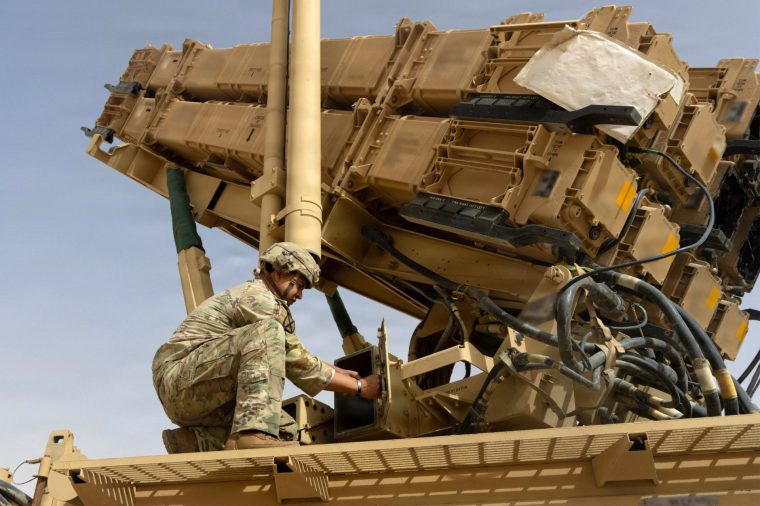
The development comes at a critical time for Ukraine, as it continues to face intense Russian bombardments. Its air defence systems have been under strain, with shortages of interceptors for the US Patriot systems becoming more pronounced. This shortage has been exacerbated by global conflicts, including the US-Israeli war against Iran, which has reduced available supplies. At the same time, Russia has escalated its use of ballistic missiles, including hypersonic variants like the Kinzhal, which have proven difficult for Ukraine to counter.
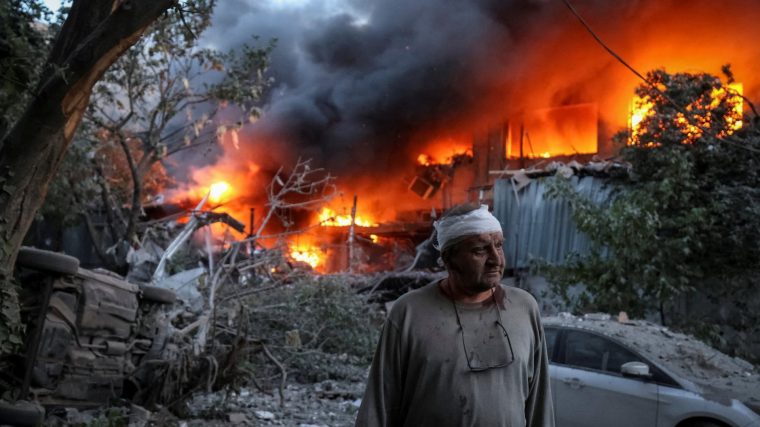
A recent Russian attack killed 22 people, highlighting the urgency of improving Ukraine’s defences. While Russian strikes have traditionally involved a mix of drones and missiles, recent barrages have seen a dramatic increase in the number of missiles used, posing a serious threat to both civilian and military infrastructure.
Zelensky’s Call for Domestic Innovation
President Volodymyr Zelensky has emphasized the need for Ukraine to develop its own anti-ballistic missile system within a year. He has called on allies to help fill the gaps in Ukraine’s defences but is also pushing for domestic solutions. Fire Point, known for producing long-range drones and the pink Flamingo missiles, is at the forefront of this initiative.
The FP-7.x is designed as a low-cost alternative to the Patriot system, incorporating elements from the Russian S-400 air-defence system and the Flamingo. Denys Shtilierman, co-founder and chief designer at Fire Point, believes that reducing the cost of an interceptor to less than $1 million could be a game-changer in air defence technology.
“We plan to intercept the first ballistic missile by the end of 2027,” Shtilierman said. However, the project faces significant challenges, including technological hurdles and financial constraints. Fire Point is seeking support from European nations and companies to meet these challenges while operating under constant Russian attacks.
International Partnerships and Challenges
Ukraine has recently announced a defence partnership with Germany, focusing on air defences. Zelensky has also named several European countries, including France, Norway, Denmark, Sweden, and Italy, as collaborators in the anti-ballistic-missile project. Despite these efforts, no details about specific roles have been disclosed.
A spokesperson for the German defence ministry stated that information about involvement would not be released to maintain “military and operational security” and avoid revealing capabilities of the Ukrainian Armed Forces.
Experts highlight the complexity of developing a functional anti-ballistic missile system. Nick Brown, director for equipment at Jane’s Defence Insight, noted that intercepting ballistic missiles requires advanced radar systems and precise guidance. “The speeds involved are huge, and the targets are small,” he said. “Building a fast and accurate interceptor is a challenge that even Western industries have struggled with.”
A Test of Ingenuity and Resources
Despite the challenges, Ukraine’s defence industry has shown remarkable speed and innovation over the past four years. It has developed numerous effective land, air, and sea drones that have helped the country withstand Russia’s military superiority. Analysts believe that Ukraine’s engineers and scientists could potentially meet their ambitious goals, provided they receive sufficient funding and support.
Tal Inbar, an Israeli missile specialist, suggested that while developing a full-scale air defence system is complex, it is within Ukraine’s capabilities. “Each component—detection radar, interceptors, and command and control—is not trivial, but it is achievable with enough resources,” he said.
However, a Ukrainian security source, who wished to remain anonymous, pointed out that the one-year timeline is highly ambitious. “A system could ultimately require three to five years to become fully operational,” the source said.
Given the increasing threats from Russian attacks, experts agree that securing Western air defence systems should remain a top priority. Ukraine hopes to secure a place in the queue for Patriot interceptors, but it is also working on its Plan B to ensure its skies remain protected.
Post a Comment for "Ukraine's Homemade Air Defenses Target Russia's Hypersonic Threats"