
Worst airports for EES queues – six-hour waits revealed
Border Delays Threaten Tourism in Popular European Destinations
Britons planning trips to popular European destinations such as Spain, Portugal, and Italy may find themselves facing long queues at border crossings, with some experts warning of wait times of up to six hours. This issue stems from the implementation of the EU’s Entry/Exit System (EES), which has caused significant disruptions for travelers and tourism hubs alike.
The EES is designed to streamline border checks by using biometric data to track arrivals and departures. However, its rollout has led to unexpected challenges, particularly for non-EU travelers. According to reports, these delays have already caused passengers to miss flights, leading to frustration and financial losses.
Challenges with the EES Implementation
Rafael Schvartzman, vice president for Europe at the International Air Transport Association, highlighted the severity of the situation during a recent meeting. He warned that waiting times could reach up to six hours, calling this unacceptable for travelers. Similarly, Andrew Harrison-Chinn, chief marketing officer of travel benefits platform Dragonpass, noted that delays of two to three hours are common, with some airports experiencing waits of up to six hours during peak times like Monday mornings or midday on Saturdays.
Smaller airports, especially those serving a large number of British or other non-EU travelers, appear to be the most affected. These airports often lack the infrastructure needed to efficiently manage the increased volume of travelers going through the new biometric checks.
Impact on Popular Destinations
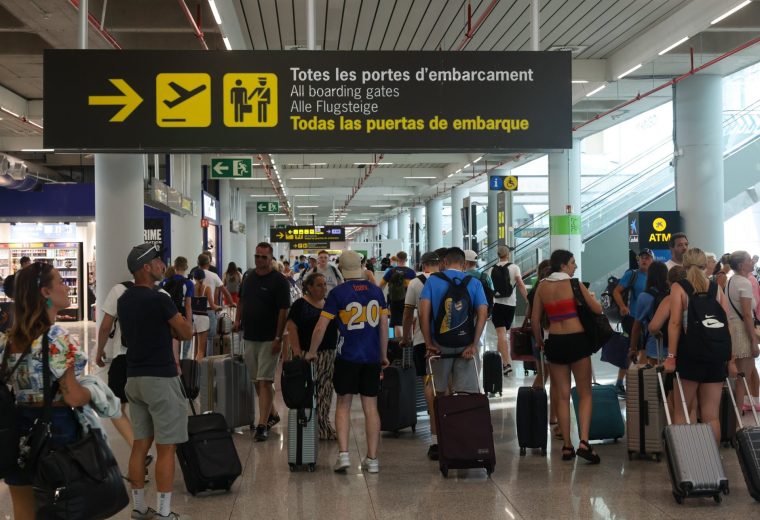
Spain is one of the countries most impacted by the EES system. Popular airports such as Palma de Mallorca, Alicante, and Lanzarote have been hit particularly hard. Travel expert Jane Bolton of Erna Low confirmed that major European destinations like Spain, Portugal, and Italy are seeing the biggest impact, especially for travelers who are registering their biometric details for the first time.
Peak travel times, including early mornings and weekends, are likely to see the longest queues due to the influx of passengers. The consequences of these delays were evident as early as the first weekend of the full EES roll-out, when 122 easyJet passengers at Milan Linate airport missed their flight to Manchester and had to wait days for a replacement or pay for alternative travel arrangements.
Larger European airports, including Amsterdam, Paris-Charles de Gaulle, and Zurich, have also reported longer wait times.
Economic Consequences of Delays
Research by the World Travel & Tourism Council (WTTC) suggests that Europe could lose tens of billions in visitor spending due to border delays linked to EES checks. The analysis, based on a survey of 2,500 travelers from the UK, US, Canada, and Australia, estimates that up to 41 million arrivals and $45.4bn (£34bn) could be at risk if significant delays persist.
A separate survey conducted by travel company Holiday Extras found that 18% of UK holidaymakers are likely to change their travel plans this year due to queues at border control. This could result in significant revenue losses for key tourist destinations:
- £720m loss in revenue from British tourists for Spain
- £370m for France
- £190m for Italy
Alternative Destinations with Fewer Delays
The EES checks have only been implemented in Schengen-area countries, meaning travelers heading to destinations outside this zone, such as Cyprus and Albania, are not subject to them. Greece has also taken steps to ease the burden on British travelers by suspending EES biometric checks during the summer season.
Greece’s travel minister, Olga Kefalogianni, stated that she does not want visitors to be “burdened” by bureaucratic procedures when entering or leaving the country. She added that efforts are being made to ensure that frontier checks take “less than a couple of minutes.”
Portugal’s prime minister, Luís Montenegro, has also threatened to suspend EES checks, a move supported by the mayors of Lisbon and Faro.
For travelers looking to avoid the queues, considering destinations outside the Schengen area or those with temporary exemptions could be a viable option. As the EES system continues to be rolled out, it remains to be seen how effectively the issues will be resolved and whether the tourism sector can recover from the current disruptions.
Post a Comment for "Worst airports for EES queues – six-hour waits revealed"