
Yen Plummets as BOJ Governor Ueda Hospitalized
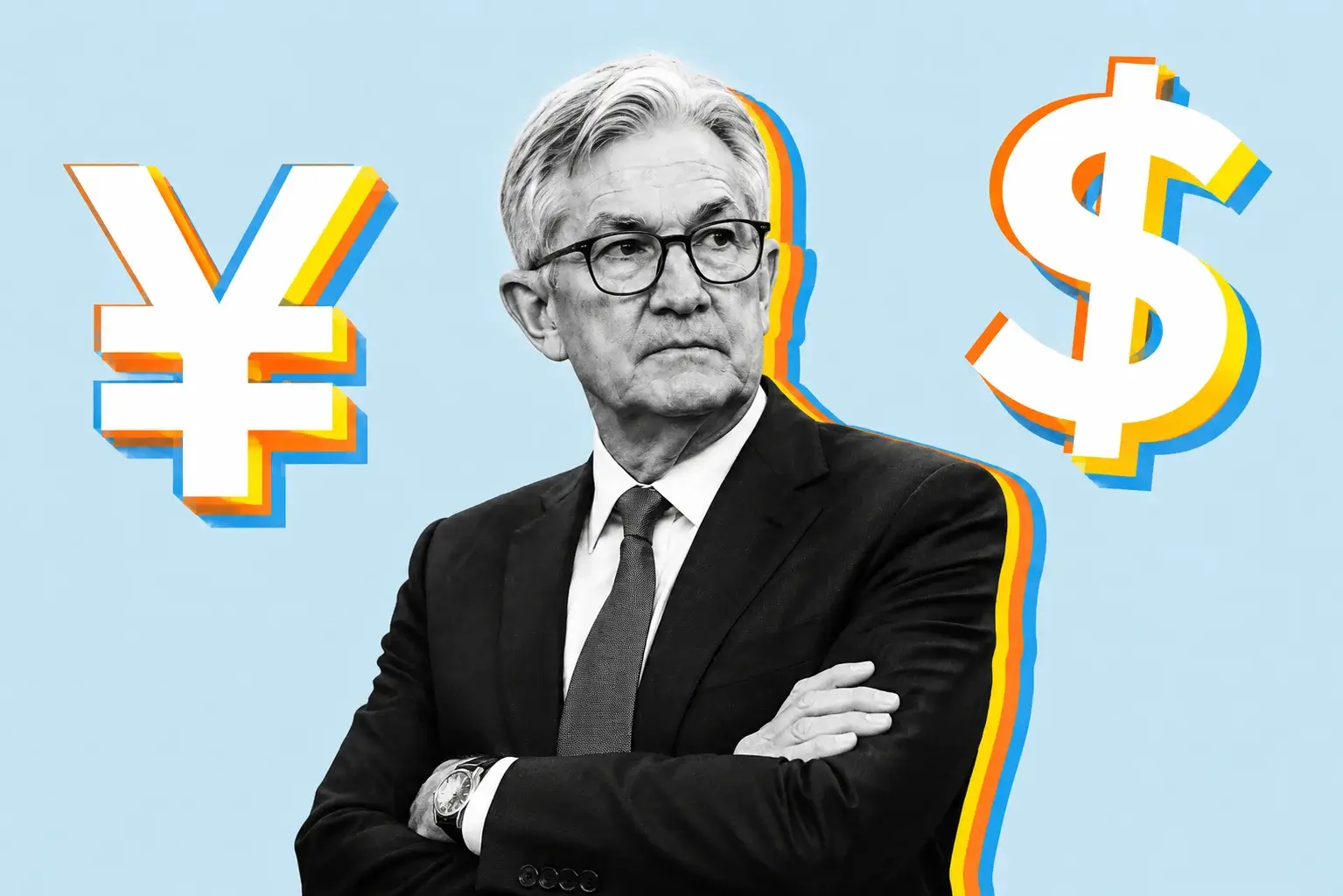
Japanese Yen Faces Pressure Amid Governor's Hospitalization
At 1035 GMT, the Japanese yen fell to a near six-week low against the dollar. This decline came after the Bank of Japan (BOJ) announced that Governor Kazuo Ueda was hospitalized and would likely miss the June 15-16 policy meeting. Ueda is expected to remain in the hospital for about two weeks due to treatment for an infected liver cyst. However, he will continue to perform his duties remotely as needed.
Deputy Governor Ryozo Himino will serve as acting chairman for the next meeting, while Deputy Governor Shinichi Uchida will conduct the post-meeting press conference. The market widely expects the BOJ to raise rates next week, but the focus is on whether the bank will signal further increases. As a result, the dollar rose to as high as 160.46 yen.
Sterling Gains from Hopes of Middle East De-Escalation
At 0940 GMT, sterling saw a recovery against the U.S. dollar, driven by hopes for a de-escalation of the Middle East conflict. According to Convera’s Antonio Ruggiero, the recent U.S.-Iran exchanges of strikes have not significantly affected risk sentiment, as the U.S. has framed its actions as limited and defensive. President Trump also mentioned that the U.S. and Iran are close to reaching a deal.
Sterling rose 0.1% to $1.3387. The currency's performance will depend on U.S. interest rate expectations, with key data on U.S. inflation at 1230 GMT serving as a critical test. If the data show strong inflation, it could influence the direction of the pound.
U.S. Treasury Yields and Dollar Remain Stable
At 0922 GMT, U.S. Treasury yields and the dollar remained relatively unchanged in European trade. Investors were waiting for the release of CPI data, while renewed tensions in the Middle East could support safe-haven demand for the dollar. Kudotrade’s Konstantinos Chrysikos noted that the dollar stayed steady amid escalating Middle East tensions.
Continued instability in the region could sustain defensive flows into the dollar, potentially pushing bond yields higher. A "hot" CPI print could reinforce expectations of tighter Federal Reserve monetary policy, leading to upward pressure on both the dollar and yields. The 10-year Treasury yield was stable at 4.526%, and the DXY dollar index remained at 99.915.
Euro Could Rise if ECB Signals Further Rate Increases
At 0728 GMT, the euro could see gains if the European Central Bank (ECB) raises interest rates on Thursday and leaves the door open for another move in July. ING’s Chris Turner suggested that while the market expects a 25 basis-point rate rise, it does not anticipate back-to-back increases.
The euro’s movement against the dollar will be influenced by U.S. inflation data at 1230 GMT. Turner noted that the euro’s gains are likely capped at $1.1575, but it is unlikely to fall below $1.1550 ahead of the ECB meeting, even if the data are firm. The euro rose 0.1% to $1.1557.
Dollar Weakens Ahead of U.S. Inflation Data
At 0633 GMT, the dollar experienced a slight decline as investors became cautious ahead of U.S. inflation data later in the day. Deutsche Bank analysts highlighted the importance of this data, noting that speculation about a potential Federal Reserve rate hike has been growing.
This speculation initially stemmed from an energy price shock, but three consecutive better-than-expected jobs reports have strengthened the labor market, allowing the Fed to focus on inflation. Market expectations suggest a 25 basis-point rate rise by year-end and another increase next year. The data are scheduled for release at 1230 GMT. The DXY dollar index fell 0.1% to 99.854.
Asian Currencies Face Pressure Against the U.S. Dollar
At 0234 GMT, the Singapore dollar and most other Asian currencies weakened against the U.S. dollar, facing pressure ahead of the U.S. CPI data. MUFG Bank’s Lloyd Chan noted that a strong inflation print could reinforce “higher-for-longer” U.S. rate expectations, supporting broad USD strength.
Middle East tensions remain a concern, with the ongoing conflict weighing on global risk sentiment. The U.S. dollar edged up 0.1% against the Singapore dollar to 1.2877, gained 0.1% against the South Korean won to 1,523.60, and rose 0.2% against the Thai baht to 32.96.
Potential for a Hawkish BOJ Rate Increase
At 0219 GMT, BofA Global Research’s Shusuke Yamada suggested that a hawkish Bank of Japan rate increase at next week’s meeting could support the yen. Although a rate hike is already priced in, the market is currently assigning a roughly 50% probability of the next hike by the October meeting.
If the market’s pricing for hikes by October rises above 60%, and the subsequent hike is priced at more than 50% by the March meeting, it would likely be seen as a “hawkish” stance. Focus will be on the BOJ’s guidance regarding future policy rate path at next week’s meeting. The dollar remained flat at 160.35 yen.
Yen Consolidates Amid Rising FX Intervention Risk
At 0129 GMT, the yen consolidated against other G-10 and Asian currencies in the morning session, but may be supported by rising risk of foreign exchange intervention by Japanese authorities. OCBC Group Research’s Sim Moh Siong noted that USDJPY has broken above 160 but is struggling to extend gains amid this rising risk.
“Intervention risk is likely to remain the main tool to cap JPY weakness,” the strategist said. The U.S. dollar remained flat at 160.34 yen, the Australian dollar edged 0.2% lower to 112.65 yen, and the euro was little changed at 185.05 yen.
Post a Comment for "Yen Plummets as BOJ Governor Ueda Hospitalized"