
15 Spooky Moon Facts You'll Love
The History of Human Exploration on the Moon
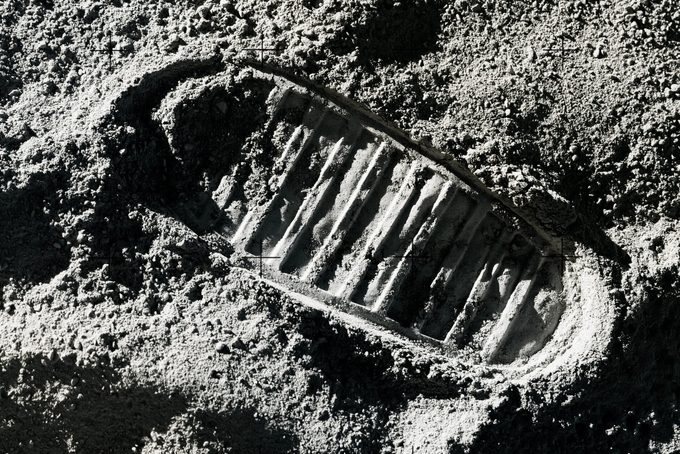
As of 2026, only twelve individuals have ever set foot on the moon. All of them were American astronauts who participated in NASA’s Apollo missions between 1969 and 1972. It took six successful missions to achieve this milestone, with Neil Armstrong and Buzz Aldrin of Apollo 11 being the first to step onto the lunar surface. Their historic journey marked a significant moment in human history, opening the door for further exploration and scientific discovery.
The Moon's Size Compared to Earth
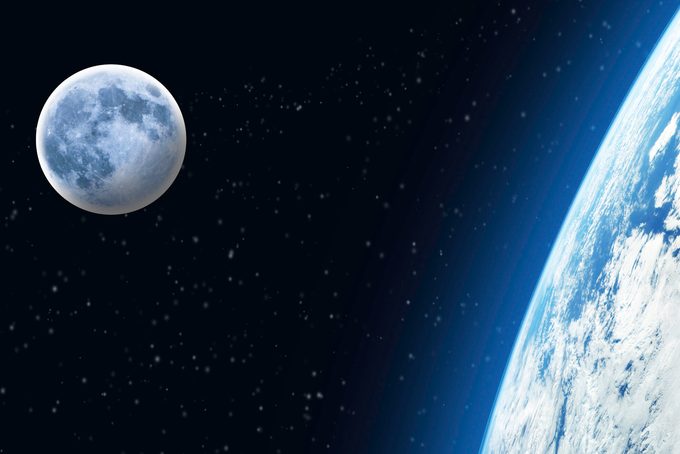
One of the most fascinating aspects of the moon is its size relative to Earth. In terms of diameter, the moon is about one-fourth the size of our planet. Measuring approximately 3,474 kilometers across, it pales in comparison to Earth’s massive 12,756 kilometers. This difference in size has a profound impact on the moon's gravitational pull and its relationship with Earth.
The Moon's Atmosphere
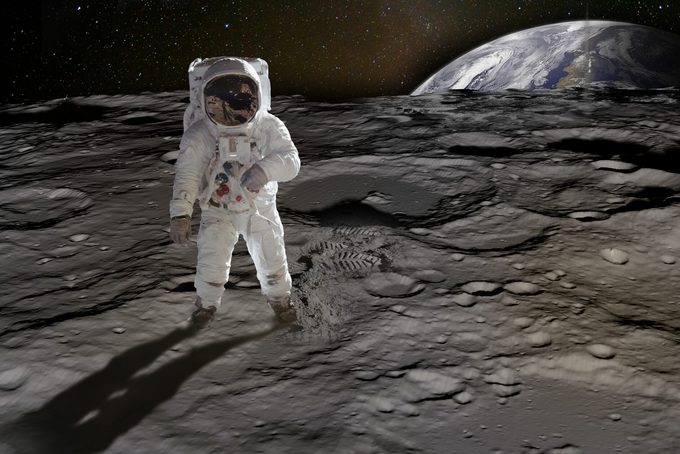
The moon is almost entirely devoid of an atmosphere. Its atmospheric pressure is so low that it contains only a few hundred molecules per cubic centimeter, making it effectively a vacuum. This lack of air means that there is no breathable oxygen, which is why any future lunar explorers would need to rely on spacesuits for survival.
The Moon's Drift Away from Earth
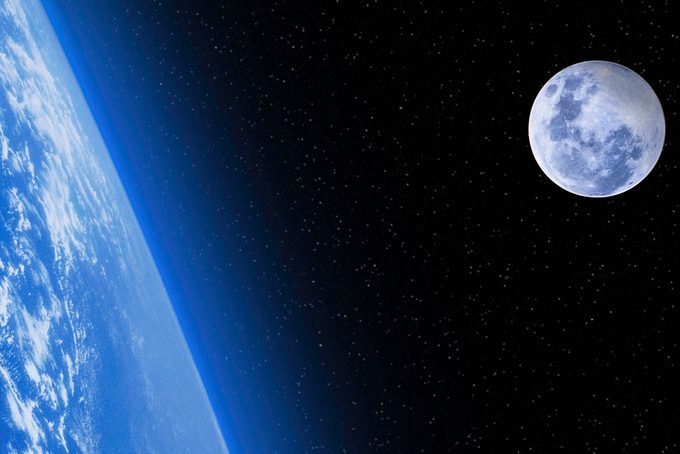
Contrary to what some might believe, the moon is not getting closer to Earth—it is actually moving away at a rate of about 3.8 centimeters (1.5 inches) per year. This phenomenon is caused by tidal forces between the Earth and the moon, which gradually transfer energy and cause the moon to slowly drift further into space.
The Length of a Day on the Moon
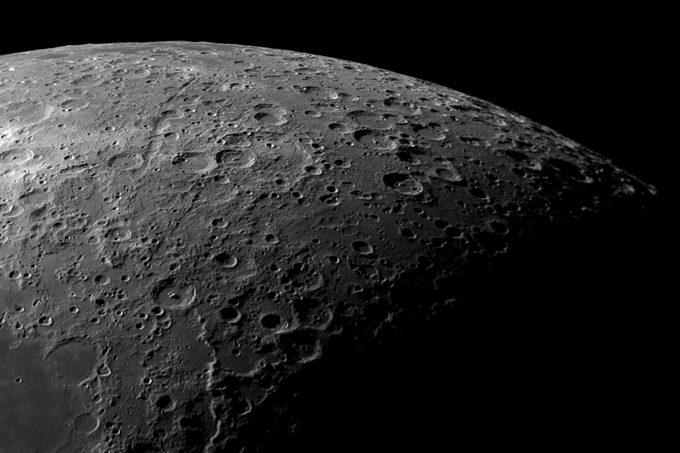
A day on the moon lasts approximately 27.3 Earth days. This is because the moon takes the same amount of time to complete one full rotation on its axis as it does to orbit Earth. This synchronous rotation is why we always see the same side of the moon from our perspective here on Earth.
The Moon's Graveyard
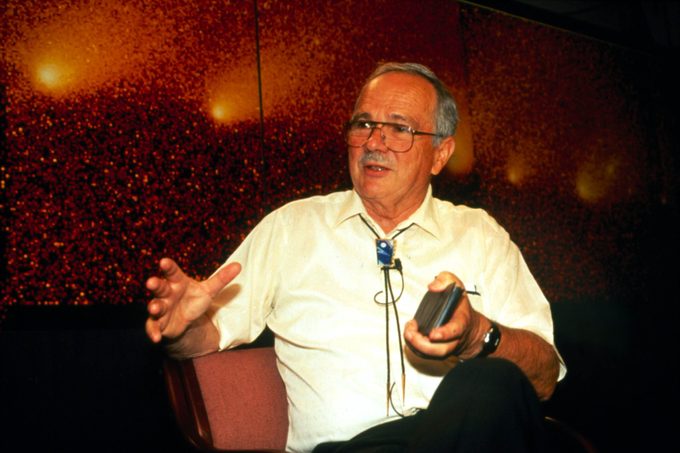
The moon is home to what could be considered a "graveyard" of space debris. Over the years, more than 200 tons of trash have accumulated on the lunar surface, including abandoned satellites, spent rockets, cameras, backpacks, and even golf balls. Among these remnants are the ashes of Eugene Shoemaker, a renowned planetary scientist, who was sent into space in a polycarbonate capsule in 1998.

The Moon and Lunacy
The idea that the full moon can influence human behavior has been around for centuries. During the Middle Ages, scientists and philosophers believed that a full moon could cause seizures and affect episodes of fever and rheumatism. Because of this perceived connection, people exhibiting unusual behavior were often called "lunatics," a term derived from the Latin word for moon.
The Moon's Gradual Disappearance
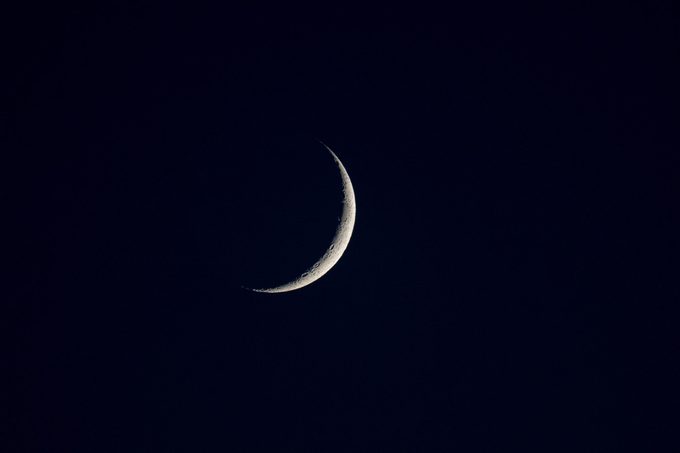
While it may sound like a myth, the moon is indeed moving away from Earth. Each year, its orbit shifts about four centimeters farther from our planet. In just 500 million years, the moon will be 14,600 miles farther away than it is now. This gradual drift will continue over millions of years, reshaping the Earth-moon system.
The Moon's Enduring Footprints
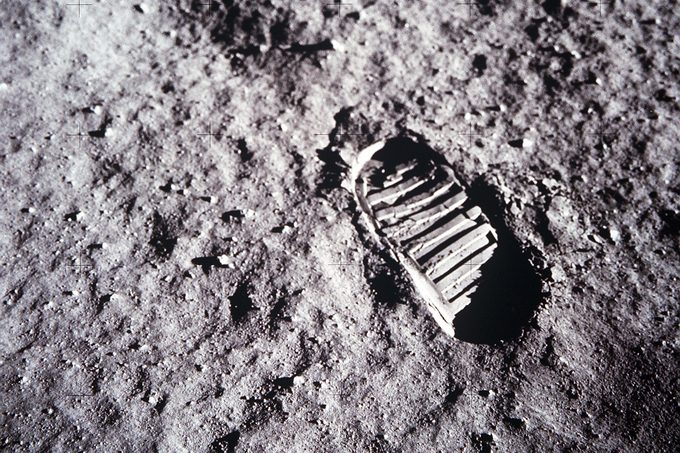
Despite the fact that humans have not returned to the moon in over four decades, the footprints left by the Apollo astronauts still remain. These imprints are preserved due to the absence of wind and water on the moon, allowing them to last for millions of years. They serve as a lasting testament to humanity's first steps on another celestial body.
The Full Moon and Sleep Patterns
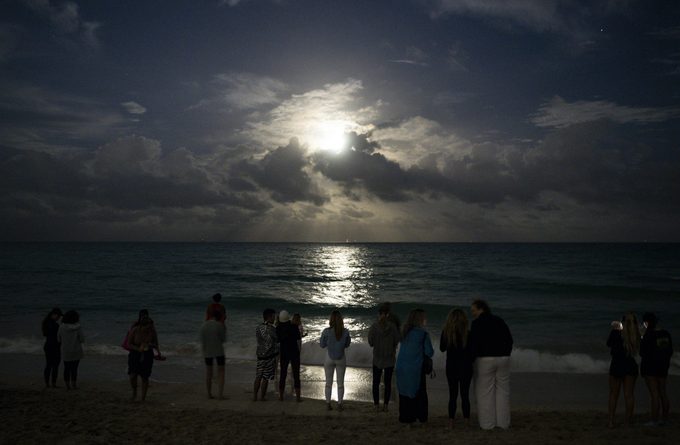
Research has shown that a full moon might have an impact on sleep patterns. A small study conducted by the University of Basel in Switzerland found that individuals close to a full moon experienced less deep sleep, produced less melatonin, and took longer to fall asleep. While the exact mechanisms are not fully understood, some researchers suggest that increased evening light exposure could be a contributing factor.
The Red Moon: A Natural Phenomenon
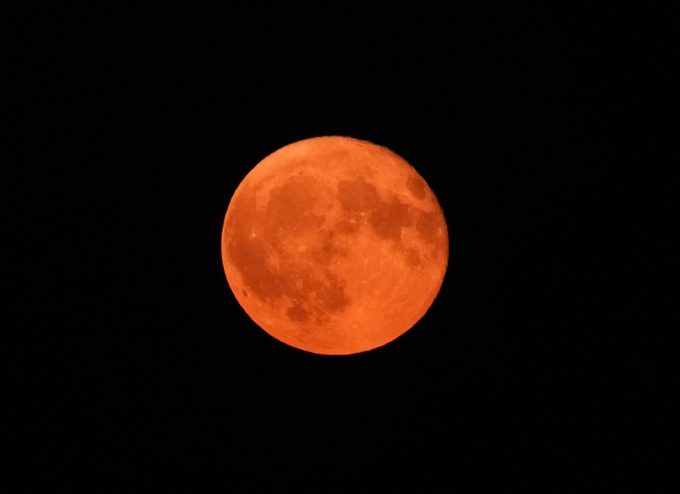
The moon can sometimes appear red, especially during a total lunar eclipse. This phenomenon, often referred to as a "blood moon," occurs when the Earth casts a rust-colored shadow on the moon’s surface. Despite myths and fears surrounding this event, it is a purely astronomical occurrence that has no harmful effects on Earth or its inhabitants.
The Moon's Shadows
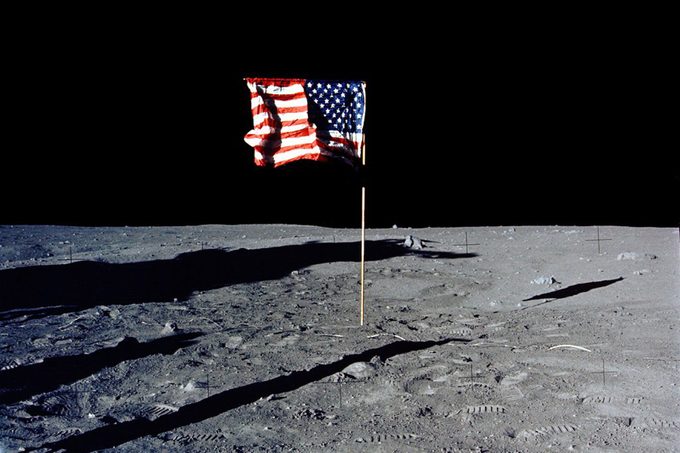
Astronauts who have stood on the moon have noticed that their shadows are much darker than they are on Earth. This is because the moon lacks an atmosphere to scatter light, resulting in sharper and more defined shadows. While the sun and Earth provide some illumination, the shadows on the moon are significantly darker and harder to see.
Moonquakes: Earthquakes on the Moon
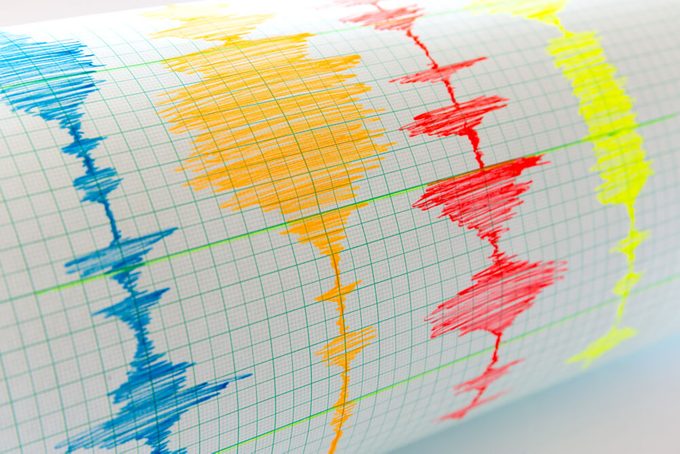
Just like Earth, the moon experiences seismic activity in the form of moonquakes. These tremors can occur when the lunar crust warms and expands, or when meteorites strike the surface. Although moonquakes are generally less intense than earthquakes, they can last much longer due to the moon's lack of water, which helps dampen seismic vibrations on Earth.
The Moon's Unique Time Zone
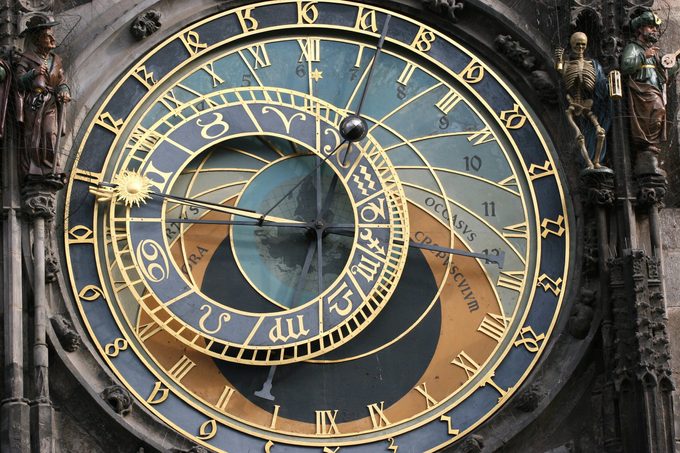
The moon has its own time zone known as Lunar Standard Time. Unlike Earth’s time zones, which are based on geographic regions, Lunar Standard Time is divided into 12 "days," each roughly equivalent to an Earth month. These days are named after astronauts who have walked on the moon, with the calendar beginning on July 2, 1969, when Neil Armstrong made his historic first step.
Extreme Temperatures on the Moon
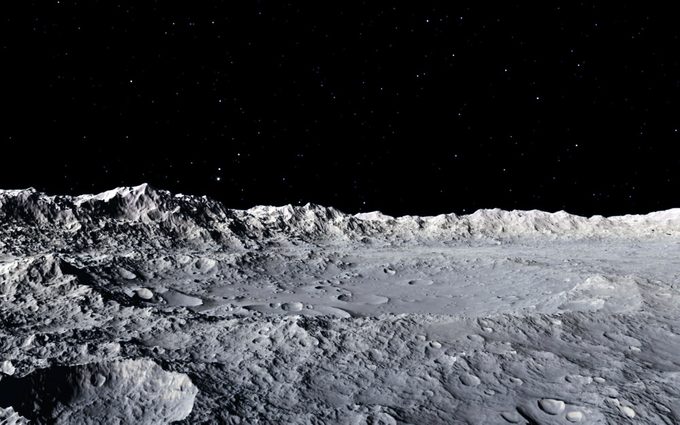
The moon experiences extreme temperature variations due to its lack of an atmosphere. During the day, temperatures can soar to as high as 200 degrees Fahrenheit, while at the poles, they can drop to around minus 400 degrees Fahrenheit. This wide range of temperatures is a result of the moon’s inability to retain heat, making it one of the most inhospitable environments in the solar system.
Post a Comment for "15 Spooky Moon Facts You'll Love"