
Avatar Legends: The First Great Last Airbender Fighting Game
A New Era for Avatar Fans
After years of waiting, fans of the beloved animated series Avatar: The Last Airbender can finally get their hands on a new adventure. The long-awaited Avatar Aang: The Last Airbender is making its debut on streaming platforms, marking the series’ first film appearance and the first animated installment since The Legend of Korra concluded in 2014. Alongside this release, another milestone has been reached: Avatar Legends: The Fighting Game, the first good video game in the Avatar franchise.
Developed by Gameplay Group International, Avatar Legends: The Fighting Game brings the world of Avatar to life with nuanced gameplay systems and a deep understanding of the source material. The game is fast-paced and fluid, offering players a lot of room for creative expression. This is especially appealing to fighting game enthusiasts who enjoy practicing complex movement tricks and combos until they feel like master benders. Fortunately, the game’s mechanics are engaging enough to keep players interested, even if the single-player modes aren’t as strong as they could be.
Faithful Adaptation of the Source Material
One of the standout features of Avatar Legends is how well it adapts the series into a fighting game. The roster of characters is carefully designed to reflect their in-show counterparts. Aang’s abilities are playful and unpredictable, allowing for four-way mix-ups and movement cancels that can confuse opponents. Azula thrives on precision, while Korra charges headfirst into battle, and Toph players will likely find themselves "eating rocks" with her unique playstyle. The characters also look great, thanks to hand-drawn animation that emulates the show’s art style. While it may not reach the visual heights of something like Dragon Ball FighterZ, it authentically recreates the characters’ likenesses and iconic moves, serving as a greatest hits collection.
Unique Gameplay Mechanics
As a 2D one-versus-one fighting game, Avatar Legends places a heavy emphasis on character-specific movement. Unlike more deliberate games like Street Fighter or anime-style titles where every character can airdash after jumping, these benders move in ways that reflect their elements and personalities. Aang uses his glider to weave through the skies, changing approach angles to throw off opponents. Katara shoots off ice ramps like an Olympic ski jumper, creating tricky cross-ups. These traversal techniques are tied to the Flow button, which allows for cancellations between abilities, giving players a lot of freedom to express themselves creatively.
However, there is a balance to maintain. Spaming Flow cancels too often can drain the Flow meter, leading to a state of "unbalance" where you can't use Flow moves until the bar recharges. This mechanic is similar to Street Fighter 6's drive system. Players can also gain Chakra, which lets them perform more powerful EX moves and supers. Each character has special moves that can be executed with quarter-circle forward and backward motions, adding depth to the combat.
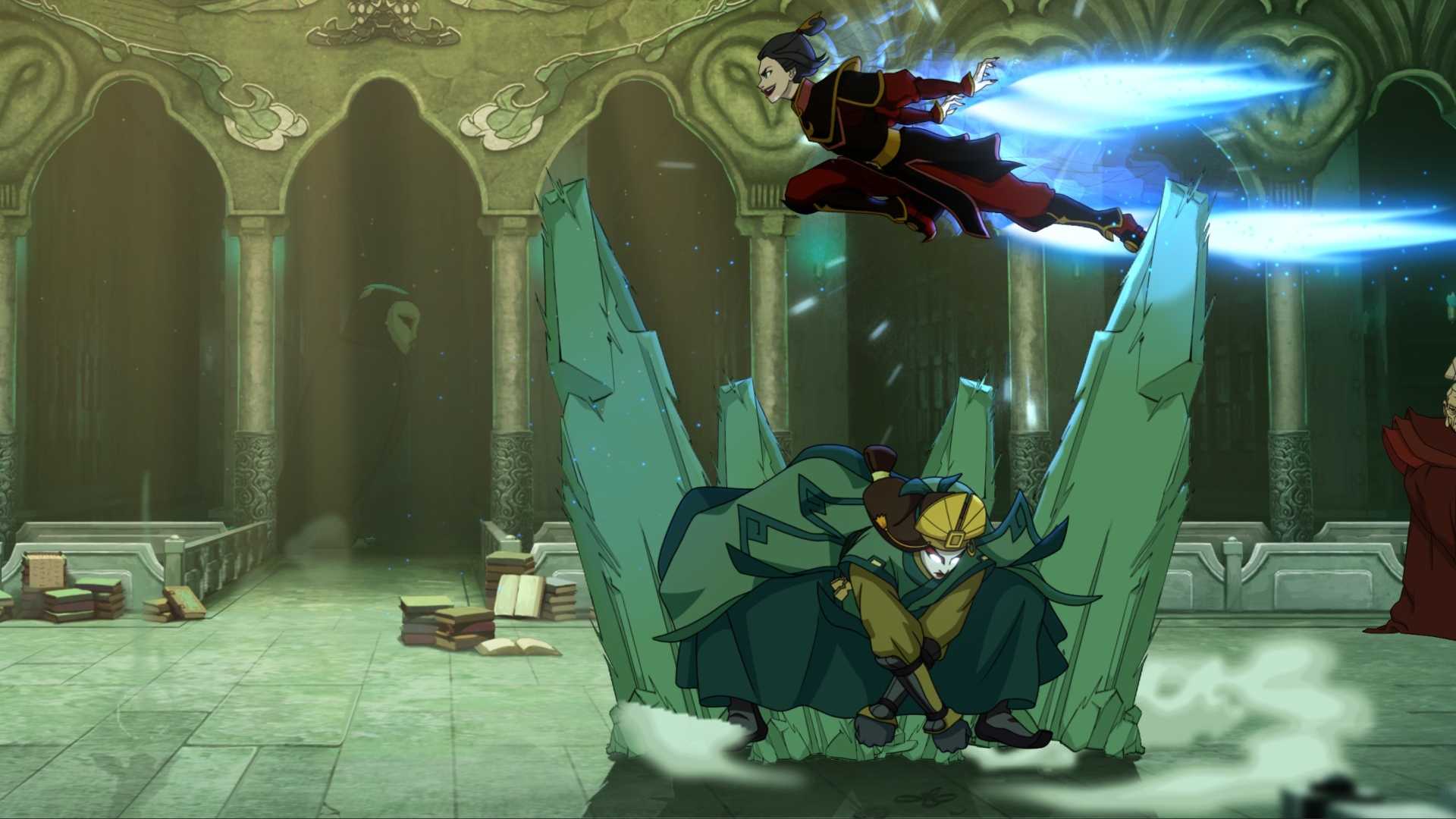
At first glance, the game might seem simpler compared to titles like Street Fighter 6, with only three attack buttons (light, medium, and heavy) and a limited number of special moves. However, when combined with the Flow movement system, there is ample room for creativity. Sokka players have already turned him into a vortex of boomerangs and sword slashes, and Zaheer breaks the rules by calling in assists like he's playing Marvel vs. Capcom. For newcomers, there's an autocombo system that lets players mash the light attack button to perform combos, lowering the barrier to entry but still offering a long road to mastery.
A Mixed Experience for Single-Player Fans
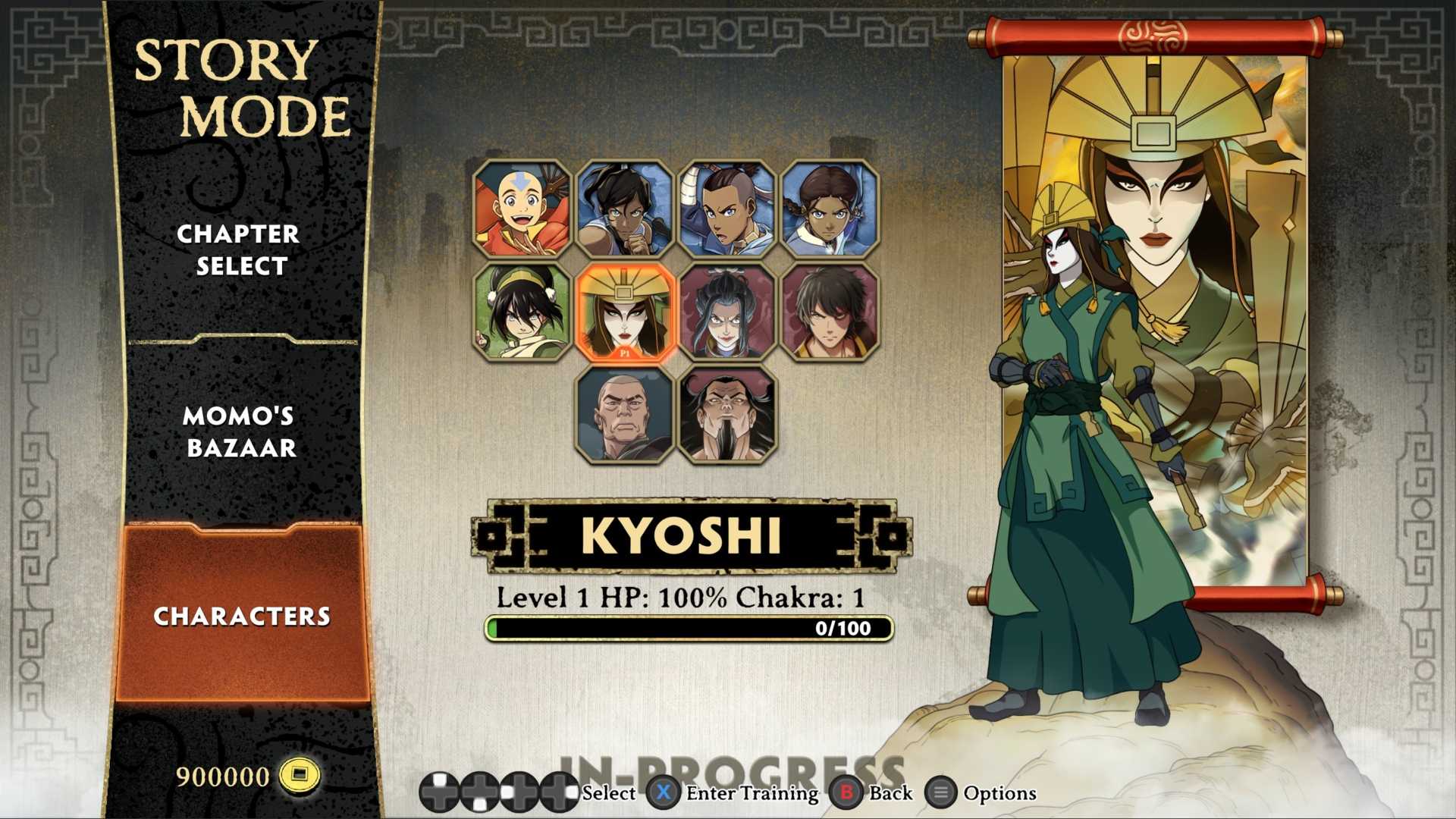
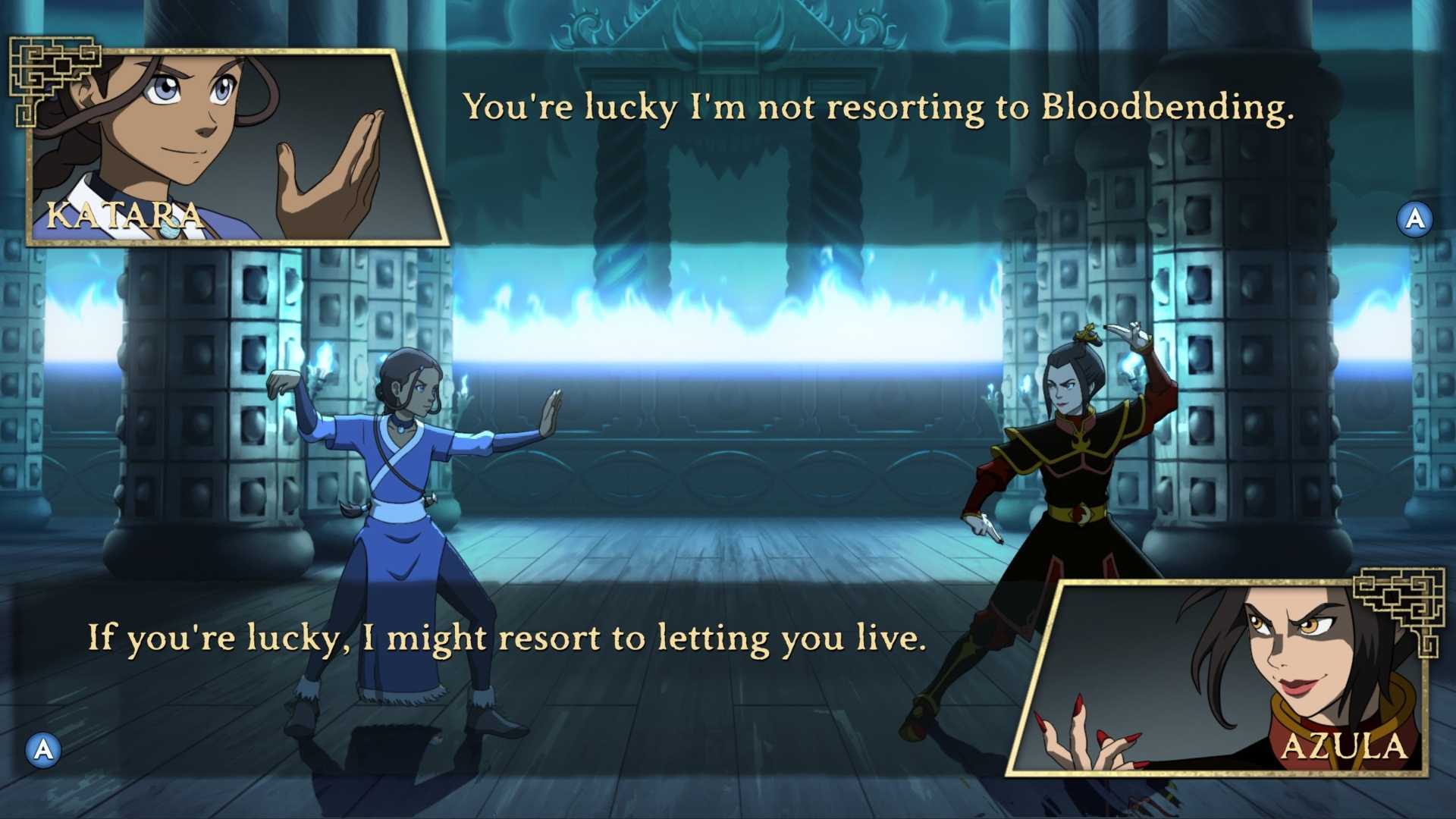
While Avatar Legends offers a compelling experience for fighting game fans, it falls short for those who prefer single-player content. The story mode, based on an outline by series co-creator Michael Dante DiMartino, combines visual novel-style conversations with short fights. However, the enemy AI isn’t particularly fun to battle, as it oscillates between pulling off omniscient throw reads and walking into fireballs from full screen. There are loose attempts at introducing RPG mechanics, but these elements are half-baked and barely affect gameplay.
The narrative itself is a non-canonical "filler" episode, bringing together characters from The Last Airbender and The Legend of Korra in a fractured reality. While some moments are compelling, particularly when villains attempt to reconcile their past wrongs, the overall presentation and battles against AI enemies are lackluster, making this mode insufficient for most single-player-only players.
Onboarding and Learning Curve
Onboarding for Avatar Legends is a mixed bag. While the general tutorial covers the basics, it isn’t as comprehensive as something like Mortal Kombat, which explains genre-specific terms and concepts. The character-specific tutorials fare better, with a unique feature that lets players slow down each input step-by-step, turning learning into a rhythm game. However, the lessons taught are quite specific, focusing on non-optimal combos and particular setups rather than a broad game plan.
Even seasoned players will find some aspects lacking, such as the training mode, which lacks basic functionality like the ability to make the training dummy block sometimes. Overall, it's a solid learning environment, but it won’t bring Avatar fans who’ve never touched an arcade stick up to speed.
Future Updates and Potential
Much of the game’s current state comes down to the fact that Avatar Legends was clearly rushed to meet the release window for Avatar Aang: The Last Airbender. Two characters, Avatar Aang and Nightmare Korra, are only partially finished, with updates planned to further distinguish them from their base counterparts. Fire Lord Ozai is incomplete in the prerelease version, missing certain animations and being reworked late in development. Additionally, the ranked mode hasn’t been fully implemented, which could be a problem for hardcore players.
Despite these issues, the game has potential. Its upfront simplicity makes it easier to jump into than expected, letting newcomers experience tense battles where hand-drawn animation and snappy movement sell each blast of wind, water, and fire. The roster was given a lot of love, thoughtfully adapting these characters’ personalities while referencing both iconic moments and deep-cut novel details alike.
Final Thoughts
It’s a shame that Avatar Legends doesn’t do more to keep around fans of the series who would enjoy these homages but don’t want to get cooked online. Hopefully, there's a lot of overlap between Avatar fans and those willing to brave an Agni Kai, because otherwise, Avatar Legends: The Fighting Game may struggle to find the audience it deserves.
Avatar Legends: The Fighting Game will be released July 23, 2026, on Nintendo Switch, PlayStation 5, Windows PC, and Xbox Series X. The game was reviewed on PC using a prerelease download code provided by PM Studios. You can find additional information about its ethics policy here.
Post a Comment for "Avatar Legends: The First Great Last Airbender Fighting Game"