
BBC licence fee called 'busted flush' by Culture Secretary Nandy
The Future of the BBC Licence Fee
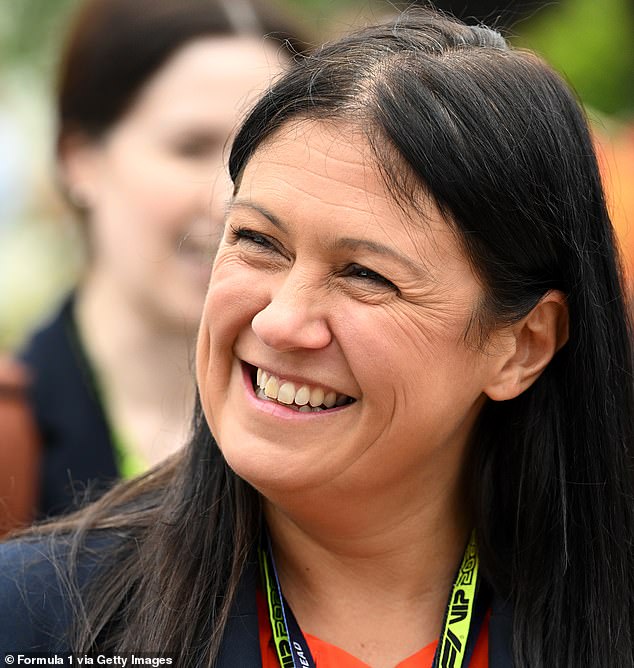
The BBC licence fee has been described as a 'busted flush' by the Culture Secretary, Lisa Nandy. This statement casts doubt on the long-term sustainability of the TV tax, which has been the primary funding source for the BBC's television, radio, and online services.
Lisa Nandy agreed with the BBC director-general, Matt Brittin, who previously stated that the corporation is 'held back' by its main source of funding. During a discussion on the longevity of the BBC's licence fee before the Culture, Media and Sport Select Committee, Mr Brittin said it was 'no longer fit for purpose'. When asked if she agreed with this view, Ms Nandy confirmed her support, stating that the current form of the licence fee is unsustainable due to fewer people paying it.
The BBC is primarily funded through the licence fee, which increased earlier this year to £180 annually. The corporation has faced growing pressure in recent years as it competes with streaming giants like Netflix and Disney+.
Ms Nandy explained that there are two options: allowing the BBC to go into a period of managed decline or asking people to pay more, which is challenging during a cost-of-living crisis. She emphasized that the government is looking at all options, but has ruled out funding the BBC through general taxation due to the risk of political interference.
Exploring New Funding Models
The corporation has suggested that the licence fee could be reduced if more people pay the annual fee. According to reports, 94% of adults use the service every month, while only around 80% of households pay. The royal charter, which outlines the governance of the BBC and its editorial independence, must be renewed roughly every 10 years and is set to end in December 2027.
When asked if she supported the idea of a compulsory household levy to fund the BBC, Ms Nandy said that there are different ways to implement a household levy. However, she clarified that no decisions have been made about this, emphasizing that the government is currently discussing the issue with the BBC and will consult the public as part of the charter process.
She reiterated that funding the BBC properly is non-negotiable, but the method of doing so is up for discussion. The approach must be sustainable and command public support.
Reimagining the BBC’s Funding Model
During an appearance before MPs on the Culture, Media and Sport Committee, Mr Brittin highlighted that the BBC is locked into yesterday's model of consumption. He pointed out that the licence fee is payable on linear television and iPlayer, while the world has moved on. Consumers now live in today's world—or tomorrow's world today—and the BBC needs to re-evaluate its funding mechanism as part of the charter.
As the new head of the BBC, Mr Brittin, who succeeded Tim Davie almost seven weeks ago, emphasized the importance of having universal, sustainable, and scalable funding. He acknowledged the BBC's progress but stressed that it needs to go further, noting that the current licence fee mechanism is no longer fit for purpose.
Mr Brittin also addressed the potential of commercial advertising, similar to other television channels, warning that it would 'take it away from others' and have a devastating impact on the economy. He also considered the possibility of a subscription model used by streaming services like Netflix or Disney+, calling it 'compelling in terms of extending (the licence fee scope) to reflect the reality of today's audiences'.
Post a Comment for "BBC licence fee called 'busted flush' by Culture Secretary Nandy"