
Canadian gold firm targets Senegal's informal mining sector with new plant

Dynacor Begins Processing in Senegal, Paving the Way for African Expansion
Canadian gold processor Dynacor has started processing ore at its first African plant, marking a significant step in its efforts to build a network around the continent’s large but fragmented artisanal gold industry. The company is currently operating its Galam pilot plant in the Kédougou region of southeastern Senegal, which is more than 95% complete and expected to produce its first gold pour in August.
The facility includes a laboratory and front-end processing areas, with testing ongoing across the grinding, leaching, refining, and Merrill-Crowe circuits used to extract gold from processed ore. Dynacor has also gathered an initial stockpile of gold-bearing ore from local suppliers and plans to expand its supplier base in August. Recruitment for plant operators and maintenance personnel is currently underway.
This development represents a crucial shift for Dynacor, moving it from construction to the practical testing of a business model it aims to replicate across Africa. According to Dynacor President and Chief Executive Daniel Misiano, "When fully ramped-up, Galam will act as a blueprint for future commercial plants in Africa, which is expected to be the key driver of our expansion strategy."
A Different Approach to Gold Mining
Unlike traditional mining companies that focus on developing and operating their own large mines, Dynacor's business model is centered around purchasing gold-bearing ore from formalized artisanal and small-scale miners. The company then tests the material, processes it, and sells the resulting gold.
This model has already been successfully implemented at Dynacor’s Veta Dorada operation in Peru, where it established an ore-purchasing and processing network around small-scale suppliers. The Galam facility is designed to process up to 50 tonnes of ore per day, aiming to test whether this model can be replicated in West Africa’s more informal and competitive gold market.
If successful, this could provide Dynacor with a platform for developing larger commercial plants and reduce its reliance on Peru for future growth. The company has already begun discussions with Ghana’s Gold Board about potential entry into the country, although no final investment decision has been announced.
Timing Matters: Governments and Artisanal Gold
Dynacor is entering Africa at a time when governments across the continent are tightening control over artisanal gold production, trading, and exports. The sector supports millions of livelihoods but remains difficult to regulate, with large volumes of gold produced outside formal reporting systems. This results in lost taxes, royalties, and foreign-exchange earnings for governments.
SWISSAID estimated that at least 435 tonnes of gold worth about $31 billion left Africa undeclared in 2022, with over 70% of artisanal gold produced on the continent not officially declared. In Senegal, an estimated 36 to 41 tonnes of artisanal gold worth between $2.38 billion and $2.71 billion were smuggled out of the country between 2013 and 2022, according to figures attributed to SWISSAID.
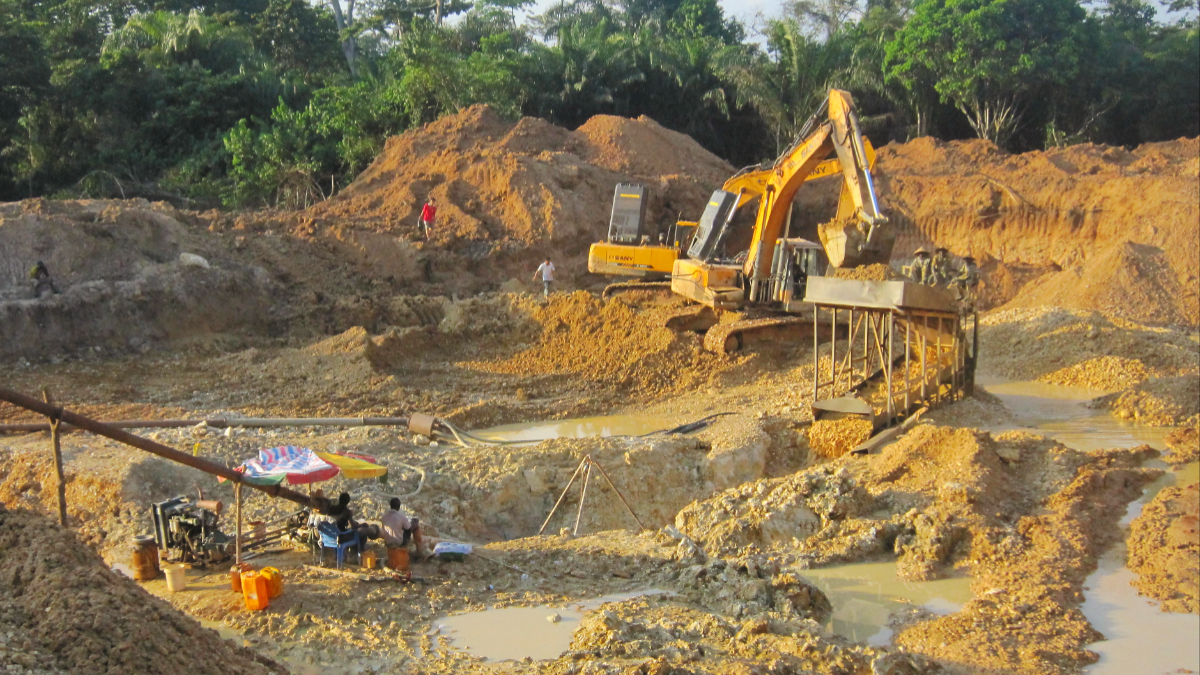
The Galam plant is situated in Kédougou, a region known for its artisanal mining activities. This positioning places Dynacor at the intersection of two major trends: governments seeking greater control over gold flows and international companies looking to organize and profit from artisanal production.
The Test for Dynacor
Dynacor faces the challenge of convincing miners to sell through its system rather than informal traders who may offer faster payments or more attractive prices. The company claims its model provides a formal market for artisanal producers, but the commercial terms offered to Senegalese suppliers will be critical to its success.
The plant will need a consistent supply of ore with sufficient gold content to operate economically. Its impact on miners will also depend on how prices are calculated, how quickly suppliers are paid, and how much of the final value remains with local producers. These factors will determine whether Galam becomes a scalable African business or remains a limited pilot project.
Expansion Beyond Senegal
In addition to its African initiatives, Dynacor is rehabilitating the Svetlana processing plant in Ecuador. The company reported that rehabilitation has reached about 40% completion, with work progressing on its crushing, milling, electrical, and leaching systems. Dynacor targets a restart in the fourth quarter of 2026.
The company recorded record first-quarter revenue of $154.1 million, driven by higher gold prices and strengthened financial performance from its core Peruvian operations. Dynacor positions itself as a processor focused on gold sourced from artisanal miners rather than a traditional mine developer.
Conclusion
The Senegal project is more than just a small processing plant. It represents the first test of whether Dynacor can translate its experience in Peru into a broader African growth strategy. It also raises the question of whether formal processing can successfully compete for ore within one of the world’s largest informal gold economies.
Post a Comment for "Canadian gold firm targets Senegal's informal mining sector with new plant"