
Carnival Hunt Early Access: Buy by July 26 for Free Cosmetics
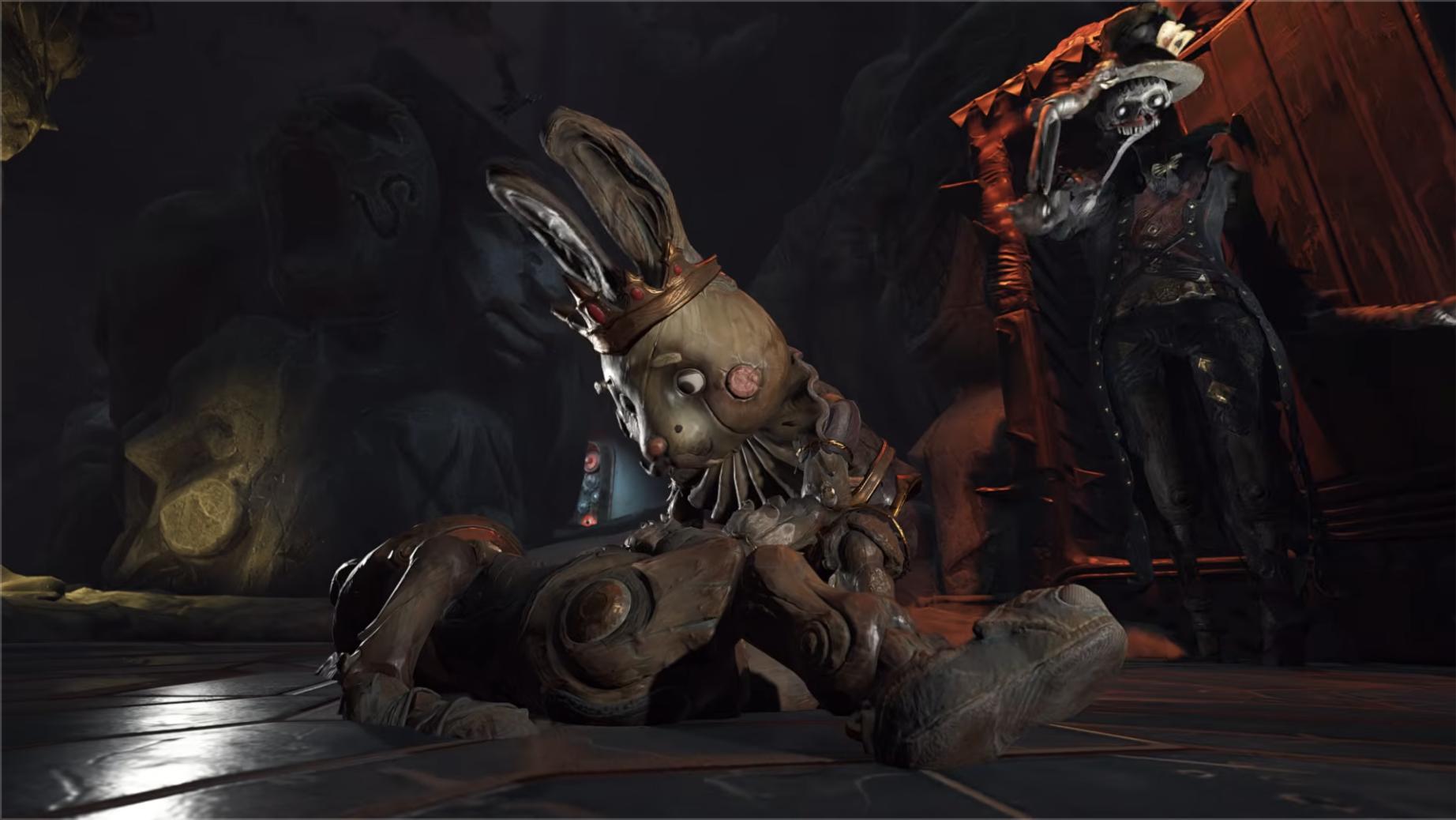
Carnival Hunt Launches on Steam Early Access with Exclusive Cosmetic Offer
Carnival Hunt, a first-person asymmetric horror game developed by Mongolian studio Beer Night Studio and published by Dallas-based Crytivo, launched on Steam Early Access on July 23, 2026. Players who log in before Saturday, July 26 will receive the Epic Imposter Mask cosmetic for free — a one-time-only reward that disappears after the three-day window closes. The base price is $19.99, with a limited 10% launch discount bringing it to $17.99 for early adopters.
More than 430,000 players had wishlisted the game ahead of its Steam debut, making it one of the most anticipated indie horror launches of 2026. Early Steam reviews sit at 65% positive across 340 user reviews as of launch day — a "Mixed" rating that reflects the genre's usual Early Access roughness but also contains pointed criticism worth understanding before buying.
Core Mechanics and Unique Features
At its mechanical core, Carnival Hunt pits one player as the Carnival Monster against five players cast as fragile wind-up Bunnies trying to escape a four-floor shifting carnival. The premise echoes Dead by Daylight’s killer-vs-survivors formula, but several technical choices separate it from the category's dominant title.
The most significant is the symmetric energy economy: both Bunnies and the Monster depend on a wind-up charge to stay active. In Dead by Daylight, the killer operates without resource constraint while survivors race to repair generators. In Carnival Hunt, the Monster must hunt Bunnies specifically to consume their keys and recharge — creating a loop where over-hunting without securing resources depletes the pursuer's own capability. Neither side can play recklessly.
The proximity voice chat mechanic adds a second layer of tension that goes beyond its use in cooperative horror games like Phasmophobia. In Carnival Hunt, the Monster can eavesdrop on Bunny communication, turning every whispered strategy session into an intelligence risk. Bunnies must choose between coordinating audibly — and risking position exposure — or going silent and losing tactical advantage. The communication system is a weapon for both sides simultaneously.
The play-dead mechanic rounds out the deception toolkit. The carnival environment is populated with inert fallen toy-rabbit props. Live Bunnies can go limp and blend in with them to hide from the Monster. The Monster can inspect each one — but every inspection costs wind-up charge. Deciding whether to spend time and energy checking a suspicious rabbit, or moving on to cover more ground, is a recurring pressure point for the Monster role.
All players operate in first-person perspective, with no one receiving the overhead situational awareness that gives killers a navigational edge in competitor titles. Carnival Hunt uses a powerful game engine, and its maps are assembled procedurally from 32 modular rooms across four themed floors per match — meaning routes and connections vary session to session, though individual rooms can still be memorized over time.
What Ships in Early Access
At launch, Monster players have access to two Hunters — the Magician and one additional character — each customizable with active, passive, and modifier gear upgrades. The studio has confirmed plans for new maps, additional Monsters, and gear expansions across the 12-to-18-month Early Access period.
Beer Night Studio was transparent in its pre-launch messaging that players may encounter bugs, collision issues, and balance problems. The core gameplay loop — objectives, wind-up management, escape — is fully in place, but the development team has signaled that Early Access feedback will shape what gets fixed first.
Kickstarter backers from the Early Carnival Enjoyer tier and above, as well as players who purchased through the Crytivo Store, will receive codes by email for the exclusive Black Bunny Makeup and White Bunny Makeup cosmetics. Code distribution is expected early in the week of July 27.
Mixed Reviews and Genre History
A 65% positive score on 340 early Steam reviews is not alarming for an Early Access launch — but in asymmetric multiplayer specifically, it signals something worth understanding before committing.
The asymmetric horror genre is a documented graveyard for titles that launch to divided responses. Dead by Daylight, which has dominated the category since 2016, has outlasted every challenger in turn — Friday the 13th: The Game, Evil Dead: The Game, The Texas Chain Saw Massacre game, and Propnight among them. The pattern that ends these games is not a bad launch per se, but the player-base fragility that follows: if queue times for either role grow too long, the game becomes unplayable, and unplayable games lose their remaining players quickly.
Steam community negative reviews at launch point to two specific concerns: pacing on the Bunny side being too slow, and map collision issues that allow Bunnies to reach zones the Monster cannot enter, creating unfair chase-ending glitches. Positive reviews cite the atmosphere and the novelty of the wind-up mechanic. Those two review poles — unique concept versus rough execution — are exactly where asymmetric horror games either make it or don't, depending on how quickly the developer addresses the friction.
The game's Steam store page explicitly recommends a microphone, noting that in-game communication is central to how both sides play — a signal that the proximity-chat system raises the skill floor meaningfully for players without audio setups.
Does It Compare to Dead by Daylight?
Dead by Daylight is a 4v1 game with fixed maps, a third-person killer perspective, and a decade of licensed content. Carnival Hunt is 5v1, first-person for all players, procedural maps, and a symmetric resource system that the genre's dominant title does not share. These are architectural differences, not cosmetic ones.
Whether those differences translate into a sustainable competitive experience depends on what Beer Night Studio does with Early Access feedback over the next 12 to 18 months. The mechanical innovations are real. The launch roughness is also real. The cosmetic discount window closing July 26 creates genuine urgency for players who want to evaluate it at the lowest entry point — but that window should not be confused with the longer question of whether the game holds its player base long enough to matter.
Pricing and How to Get the Free Cosmetic
Carnival Hunt is available now on Steam at $19.99 with a 10% launch discount currently bringing it to $17.99. Regional pricing applies depending on country and currency. The price is expected to increase as content expands through Early Access.
To receive the Epic Imposter Mask cosmetic, players must log into Carnival Hunt before the three-day window closes on July 26. The cosmetic is linked to the account once claimed and is not available after the window closes.
The game requires a microphone for best results — the developer recommends one explicitly, and the proximity voice-chat mechanics are central to how both sides play.
Frequently Asked Questions
Is Carnival Hunt worth buying now, or should I wait for full release?
The decision hinges on two factors: the time-limited Epic Imposter Mask cosmetic closes July 26, and the 10% launch discount is active for a limited time. If you intend to try the game eventually, buying now saves money and secures an exclusive item. If you are uncertain, the caveat is honest: the current 65% Mixed review score reflects real issues — slow pacing on the Bunny side, map collision bugs — that Beer Night Studio has acknowledged and plans to address over a 12-to-18-month Early Access period. Waiting 3 to 6 months would give the team time to patch the roughest edges, but the cosmetic and discount will be gone.
How does Carnival Hunt's wind-up mechanic work, and what makes it different from other asymmetric horror games?
Every player — Bunnies and Monster alike — runs on a wind-up charge that depletes over time. Bunnies carry keys that recharge teammates but make noise when used; the Monster must capture Bunnies and consume their keys to refuel its own charge. This creates a resource economy where the Monster cannot simply ignore key management and pursue indefinitely, which is architecturally different from Dead by Daylight, where the killer operates without an equivalent resource constraint. The sound produced by key-winding also doubles as a positioning giveaway for the Monster, making every assist action a tactical trade-off.
Can the Monster actually hear the Bunnies' voice chat?
Yes. Carnival Hunt uses proximity-based voice chat in which the Monster can eavesdrop on Bunnies who are communicating nearby. This is a deliberate design choice that weaponizes communication for both sides: coordinating verbally helps Bunnies work together but risks exposing their location to the pursuer. Players without microphones can still participate via ping systems, but the developer explicitly recommends a microphone and notes that in-game communication is central to how both sides play — making a headset a meaningful gameplay investment, not just a preference.
How does Carnival Hunt compare to SAW: Genesis, the other asymmetric horror game heading to Steam Early Access in 2026?
SAW: Genesis (from Bloober Team, targeted for fall 2026 Early Access) uses a 3v1 format set in 1920s London with a killable killer and procedurally generated maps in a licensed horror IP. Carnival Hunt is 5v1 with an original setting, a wind-up energy mechanic on both sides, and a first-person perspective for all players. Both games are in development simultaneously and both aim to carve space from Dead by Daylight's dominant position in the category. Which holds its player base is an open question that depends on how effectively each studio addresses Early Access feedback.
Post a Comment for "Carnival Hunt Early Access: Buy by July 26 for Free Cosmetics"