
Cheap Raspberry Pi clones may cost less, but they're not worth it
The Rise of Affordable Alternatives to the Raspberry Pi
Raspberry Pi has long been a go-to choice for hobbyists, educators, and developers looking for an affordable single-board computer (SBC). However, in recent years, the prices have skyrocketed, making what was once a budget-friendly device now feel more like an investment. This shift has led many to explore cheaper alternatives that might offer similar or even better performance at a lower cost.
While there are numerous options available, not all of them are created equal. Some products are designed as clones of the Raspberry Pi family and are marketed as alternatives for the same use cases. In these instances, a lower initial price may not always translate into a better value.
Not All Costs Are Visible

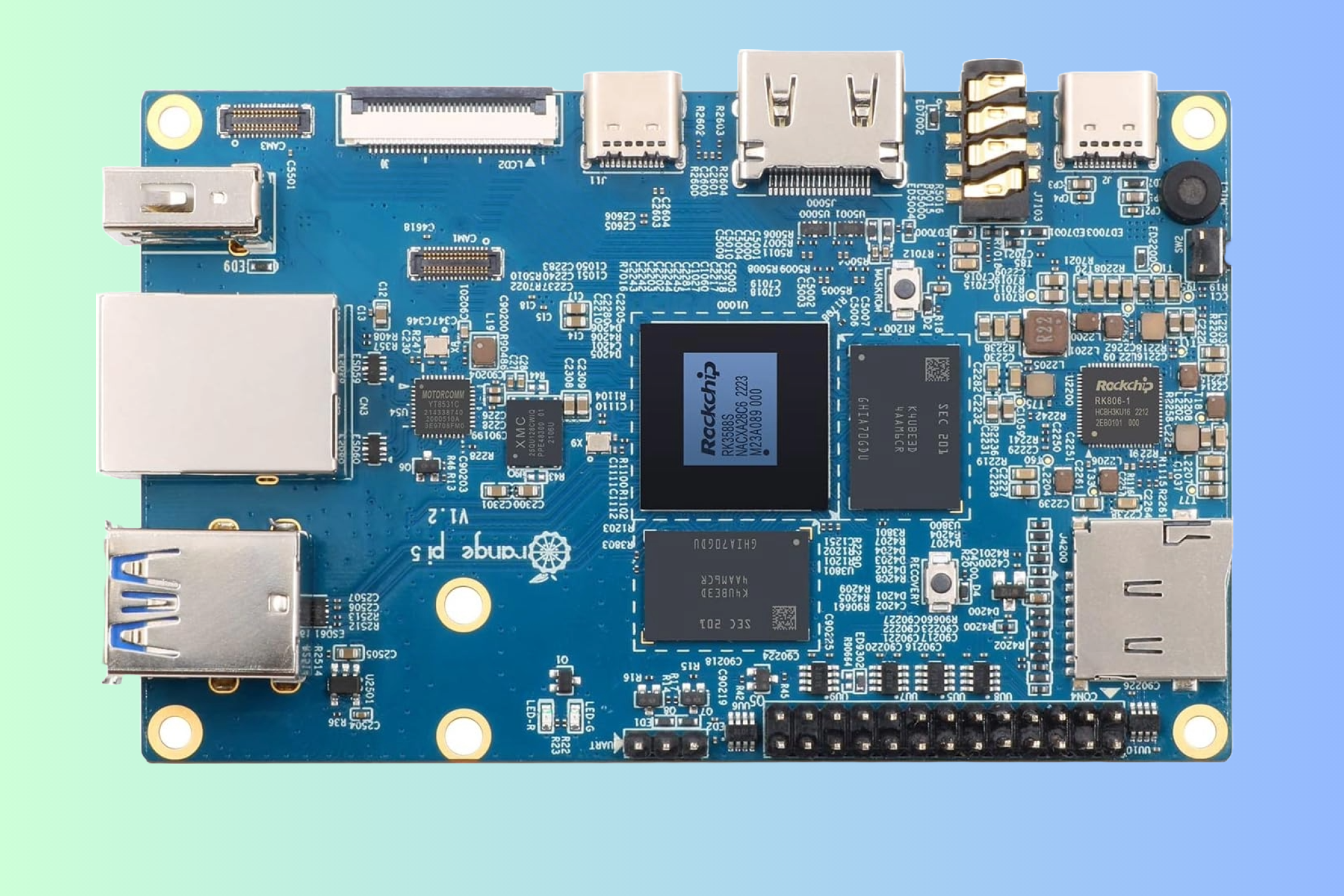
Single-board computers have become increasingly competitive over the past few years. Companies like Orange Pi, Banana Pi, Radxa, Libre Computer, and FriendlyElec now offer boards with impressive specifications. It's not uncommon to find models from these companies that are not only cheaper but also come with more powerful processors, additional USB ports, or other features that outperform their Raspberry Pi counterparts on paper.
If your primary concern is raw performance and you're guided by price-to-performance ratios, then one of these clones might be a good fit for you. However, it’s important to understand that specs on paper don’t tell the whole story.
The Power of Software Ecosystems
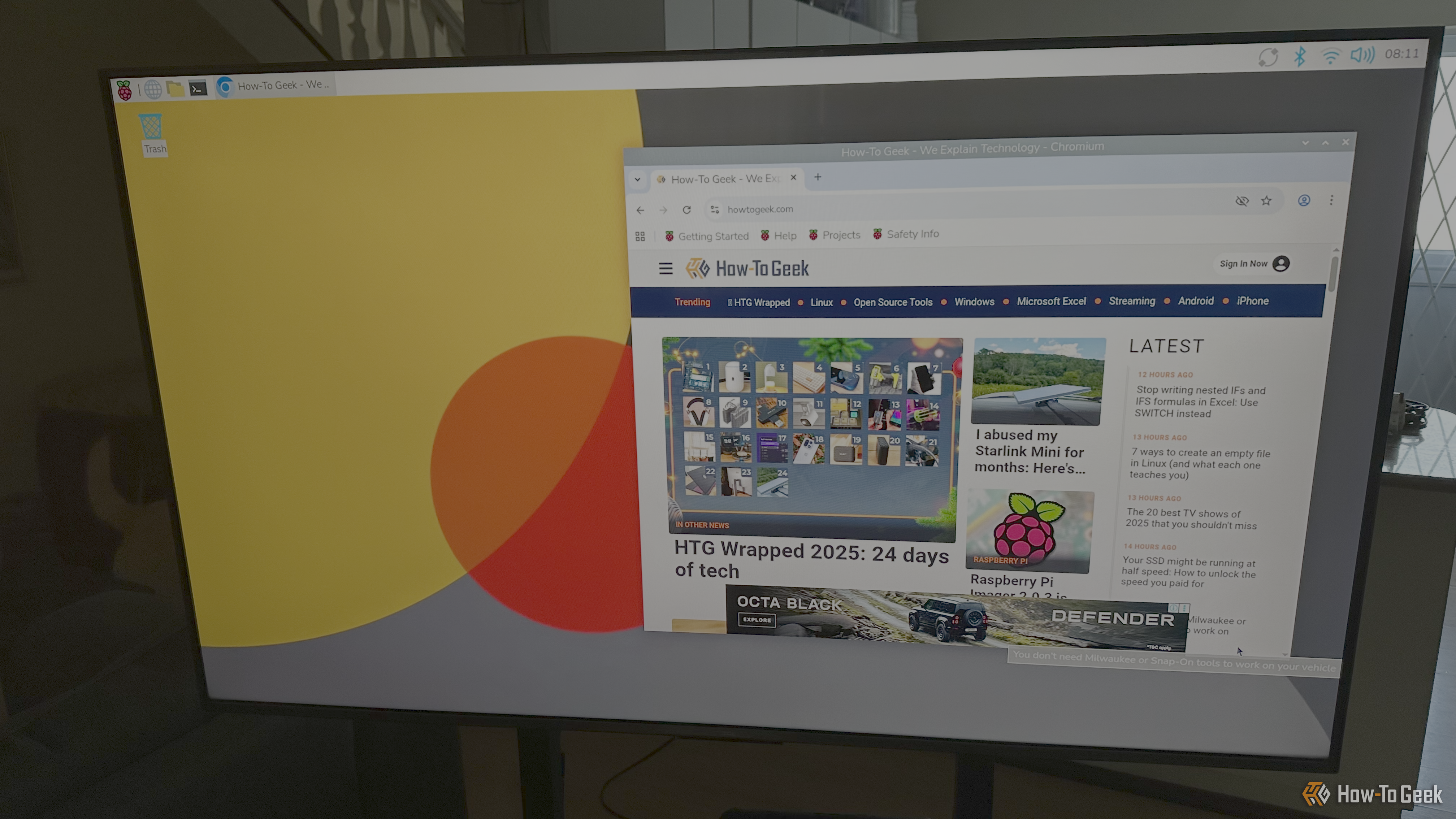
When you purchase a Raspberry Pi, you’re not just getting a physical device—you’re also gaining access to a robust software ecosystem. This ecosystem includes official support from the Raspberry Pi Foundation, as well as a massive community that has contributed to countless projects, tutorials, and software updates over the years.
While it’s unfair to expect a Pi clone to match this level of community support right away, there’s no denying that the Raspberry Pi’s ecosystem gives it a significant advantage. You can be more confident that you’ll receive ongoing updates, maintenance, and new software features due to the size and momentum of the community.
It’s possible that some clones could eventually reach this level of support, but it hasn’t happened yet. For now, the Raspberry Pi remains the safer bet if you want long-term stability and support.
Troubleshooting Challenges
For many users, single-board computers are used for coding, tinkering, and building custom projects. While this can be incredibly rewarding, it also means you’ll likely run into issues at some point. With the Raspberry Pi, the sheer size of its community means that you’re probably not the first person to encounter a particular problem.
Even if you stumble upon something completely new, there are often enough people who can help you troubleshoot and get your project back on track. This kind of support is invaluable, especially when you’re working on complex or time-sensitive projects.
In contrast, smaller communities around Pi clones mean fewer tutorials, less troubleshooting guidance, and fewer people testing new software releases. If you hit a roadblock, you may end up spending hours trying to figure it out on your own.
Compatibility Issues with Accessories
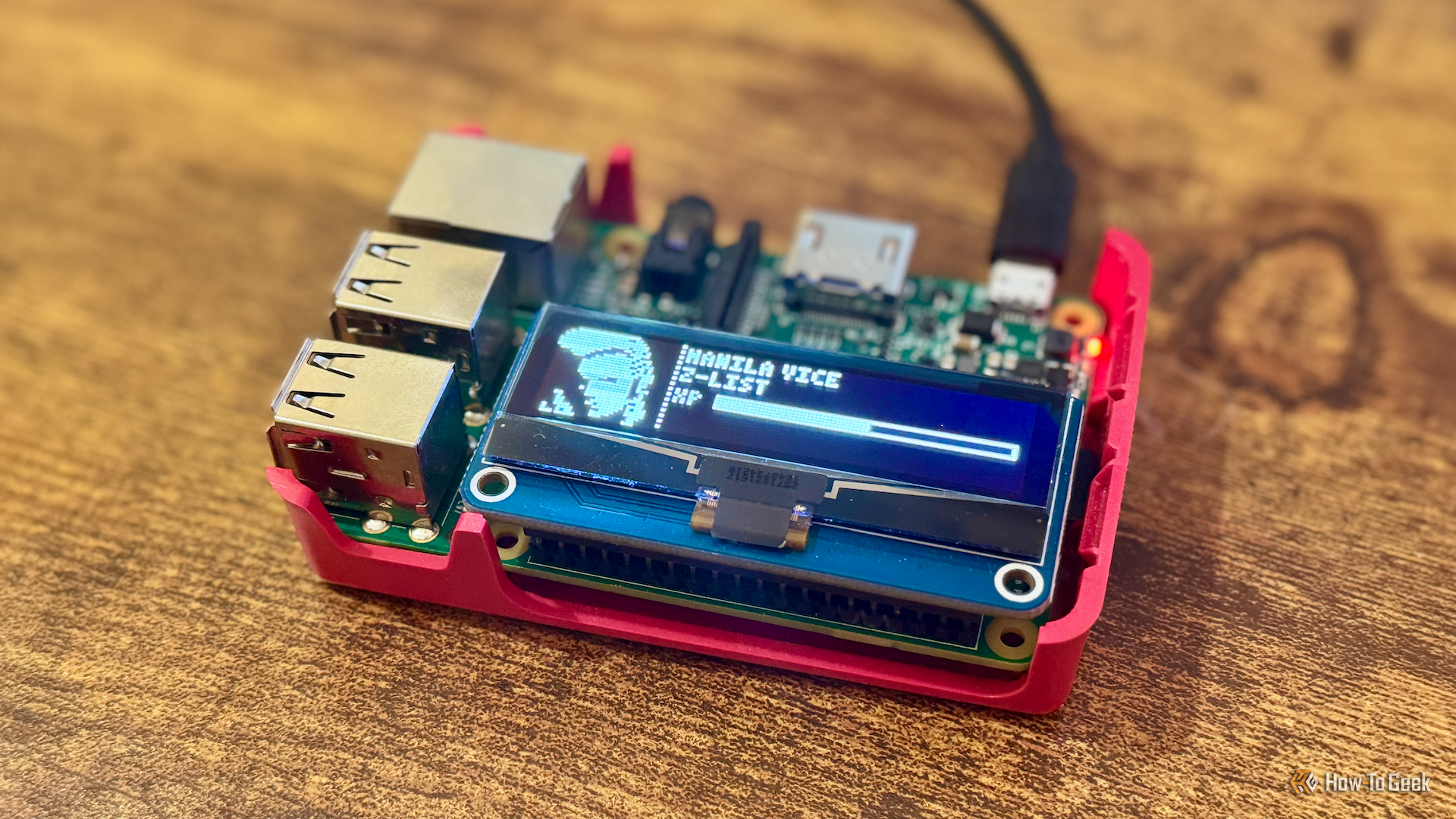
Thanks to the Raspberry Pi’s widespread adoption, there are a wide variety of accessories available—both official and unofficial. These include cases, mounts, and GPIO headers that allow for easy expansion. Many of the Pi’s strengths come from the ability to connect and integrate with these peripherals.
Some Pi clones claim compatibility with these accessories, but in practice, this isn’t always the case. If you discover that an accessory you thought would work doesn’t actually function with your clone, you may end up having to buy a Raspberry Pi anyway or spend time and money finding a workaround.
When Clones Make Sense
There are scenarios where a Pi clone might be the better choice. For example, if you need a board with an integrated NPU for AI workloads, more PCIe connectivity, faster processors, or Android support, several alternatives outperform the official Raspberry Pi hardware.
Expert Linux enthusiasts, in particular, may find that these boards offer greater flexibility and customization options. However, it’s crucial to carefully evaluate whether a clone will meet your specific needs before making a purchase.
Final Thoughts
Buying a Pi clone isn’t inherently a bad decision, but it requires a clear understanding of what you’re getting. While some clones offer impressive specs at a lower price, they may lack the software support, community resources, and accessory compatibility that make the Raspberry Pi such a popular choice. Ultimately, the decision comes down to your specific requirements and how much you value long-term support and ease of use.
Post a Comment for "Cheap Raspberry Pi clones may cost less, but they're not worth it"