
Cordless Vacuum Recall: Fire Hazard Still Lurking in Homes
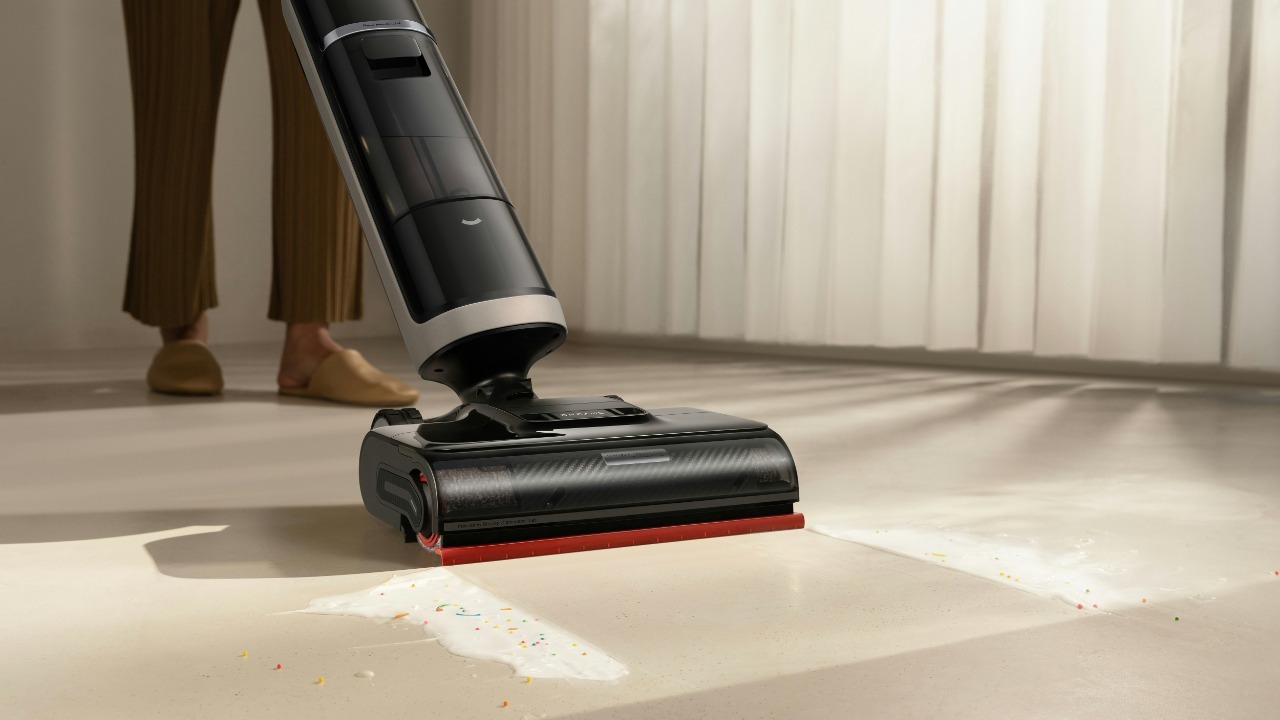
The Recall of 3,660 Rowenta Cordless Vacuums: A Hidden Fire Hazard
The U.S. Consumer Product Safety Commission (CPSC) has issued a recall for approximately 3,660 Rowenta cordless vacuum cleaners due to a serious safety issue involving their lithium-ion batteries. The affected models are the RH99A2U1 and RH99F2U1, which use battery model ZR0097U2. These vacuums pose a significant fire and burn hazard, as the batteries can overheat and potentially ignite during use or while charging. This recall highlights an urgent need for consumers to take immediate action to ensure their safety.
Why This Recall Matters
The danger associated with these vacuums is not just theoretical. Lithium-ion batteries, when faulty, can overheat and catch fire, especially if they are left plugged in or stored near flammable materials. Even a single unit that overheats could lead to a house fire, causing severe damage and potential injury. The CPSC’s decision to issue this recall underscores the seriousness of the risk, even though the scale of the recall is relatively small compared to larger product recalls.
However, the size of this recall also raises concerns about how many of these units will actually be returned or repaired. With only 3,660 units involved, the likelihood of widespread consumer awareness is low. Larger recalls typically generate more media attention and coordinated efforts between manufacturers and retailers, but smaller recalls often go unnoticed unless individuals actively check for updates.
What Owners Need to Know
Owners of the RH99A2U1 and RH99F2U1 models should immediately check their vacuums to determine if they are part of the recall. This involves locating the battery pack, verifying its model number (ZR0097U2), and checking the date code against the information provided in the CPSC notice. Not all units may be affected, so it is crucial for owners to confirm their specific model before taking any action.
The CPSC has instructed consumers to stop using the vacuums immediately and contact Rowenta for a remedy. Typically, this involves receiving a free replacement battery or a full refund. It is important to note that the risk of overheating and ignition is not limited to active use; even when the vacuum is on its charger, the battery can pose a hazard.
Proactive Recalls and Public Awareness
Interestingly, the CPSC recall does not list any reported incidents, fires, or injuries linked to these models. This suggests that the recall may have been initiated proactively, possibly based on internal testing or supplier information rather than documented harm. While proactive recalls are generally a positive sign that a manufacturer identified a defect before it caused harm, they can also lead to less urgency among consumers who assume that “it hasn’t happened to me, so it probably won’t.”
Tracking the Effectiveness of Recalls
One of the most pressing questions surrounding this recall is whether the 3,660 affected units will actually be returned or repaired. The CPSC does not typically track or publish data on how many units are recovered after a recall is announced. This lack of transparency makes it difficult to assess the true effectiveness of the recall and leaves many consumers unaware of the ongoing risk.
This issue is not unique to Rowenta. The CPSC relies heavily on manufacturers to handle outreach, process returns, and report progress. For smaller recalls, the financial incentive to conduct aggressive recovery campaigns is often limited, which can result in fewer resources being allocated to tracking down affected products.
What Consumers Can Do
For anyone who owns a Rowenta cordless stick vacuum, the first step is to verify whether their model is part of the recall. This involves checking the model designation on the vacuum, removing the battery, and comparing the battery’s model number and date code with the information provided in the CPSC notice. If there is any uncertainty, the safest approach is to unplug the charger, stop using the vacuum, and contact Rowenta’s customer service for clarification.
Once confirmed, owners should follow the recall instructions carefully. This usually includes registering the product with the manufacturer, waiting for a replacement battery or refund, and disposing of the defective battery according to local hazardous-waste guidelines. It is important to avoid using the vacuum until the replacement is received, as the recall exists precisely because normal use can trigger a dangerous failure.
Staying Vigilant
The Rowenta case serves as a reminder of the importance of staying informed about product recalls, especially for items that contain components like lithium-ion batteries, heating elements, or other potential hazards. The CPSC provides searchable databases where users can look up product categories and brand names, but these tools are only effective if people know to use them.
Until recall tracking becomes more transparent and outreach improves for smaller campaigns, individual vigilance remains a critical line of defense against hidden dangers. Consumers should make it a habit to periodically review recall information for products they use frequently, as even a small number of defective units can pose a significant risk.
Post a Comment for "Cordless Vacuum Recall: Fire Hazard Still Lurking in Homes"