
Greener Cold Chains: The Packaging Industry's Next Challenge
The Evolution of Cold-Chain Packaging
Cold-chain packaging was once a niche area within the logistics industry. However, it has now become a strategic priority for packaging manufacturers globally. The increasing demand for temperature-controlled delivery of products like online groceries, meal kits, pharmaceuticals, and biological medicines has driven this shift. Companies are now under pressure to create more resilient supply chains, reduce their environmental footprint, and meet stringent sustainability goals. This has led to a growing need for insulation solutions that deliver reliable performance while being cost-effective and supporting a circular economy.
Consumer expectations have also evolved rapidly. Fresh food, frozen items, and chilled meals are now expected to arrive in perfect condition, even after navigating complex delivery networks. Similarly, the healthcare sector faces its own set of challenges. Vaccines, biologic medicines, and other temperature-sensitive products require consistent thermal protection from storage to final delivery. These trends are accelerating the demand for sustainable cold-chain packaging, smarter monitoring systems, and innovative insulation materials that protect products without harming the environment.
Expanding Roles and New Challenges
The role of cold-chain packaging has expanded significantly. While keeping products cold during transport remains essential, modern packaging must do much more. It needs to perform reliably across longer delivery routes, withstand changing weather conditions, and support the growing number of direct-to-consumer deliveries. Online grocery services exemplify this shift. Instead of sending large shipments to supermarkets, suppliers are now preparing thousands of smaller orders for individual households. This change is increasing the demand for lightweight, high-performance insulated packaging that can maintain the right temperature without adding unnecessary material or increasing transport costs.
In the healthcare sector, the challenges are equally demanding. Many vaccines, biological medicines, and diagnostic samples must remain within tightly controlled temperature ranges during storage and transport. Even minor temperature fluctuations can render these products ineffective or unusable. Reliable insulated packaging is therefore critical for protecting these goods. As these demands grow, packaging designers are moving beyond traditional materials like expanded polystyrene (EPS). Instead, they are exploring alternatives such as fibre-based insulation, recycled paper systems, moulded pulp, cellulose, and reusable insulated containers. These materials offer lower environmental impact while still delivering strong thermal performance.
Sustainability as a Business Advantage
Environmental concerns are now influencing decisions throughout the entire cold chain. Retailers, food manufacturers, and pharmaceutical companies are seeking packaging solutions that help them meet sustainability targets while complying with stricter regulations on waste and recyclability. Traditional insulation materials often provide excellent thermal protection but may rely on fossil-based plastics or have limited recycling options. This has prompted investment in insulation made from recyclable, reusable, or renewable materials that can reduce environmental impact without compromising product protection.
Reusable cold-chain packaging is becoming increasingly attractive for closed-loop supply chains, especially in pharmaceutical logistics and business-to-business distribution. Although these systems typically require a higher initial investment, they can significantly reduce waste and lower overall packaging use when used repeatedly. For single-use applications, manufacturers are developing fibre-based insulated packaging that can be recycled through existing paper recycling systems in many countries. Others are combining renewable insulation materials with right-sized packaging designs that reduce empty space, improve transport efficiency, and lower carbon emissions during distribution.
Companies are also looking beyond the materials themselves. Lifecycle assessments, which measure a package’s environmental impact from production and transport through to use and disposal, are becoming an essential decision-making tool. This broader approach can reveal new ways to reduce emissions while maintaining reliable cold-chain performance.
Smart Technology Enhancing Temperature Control
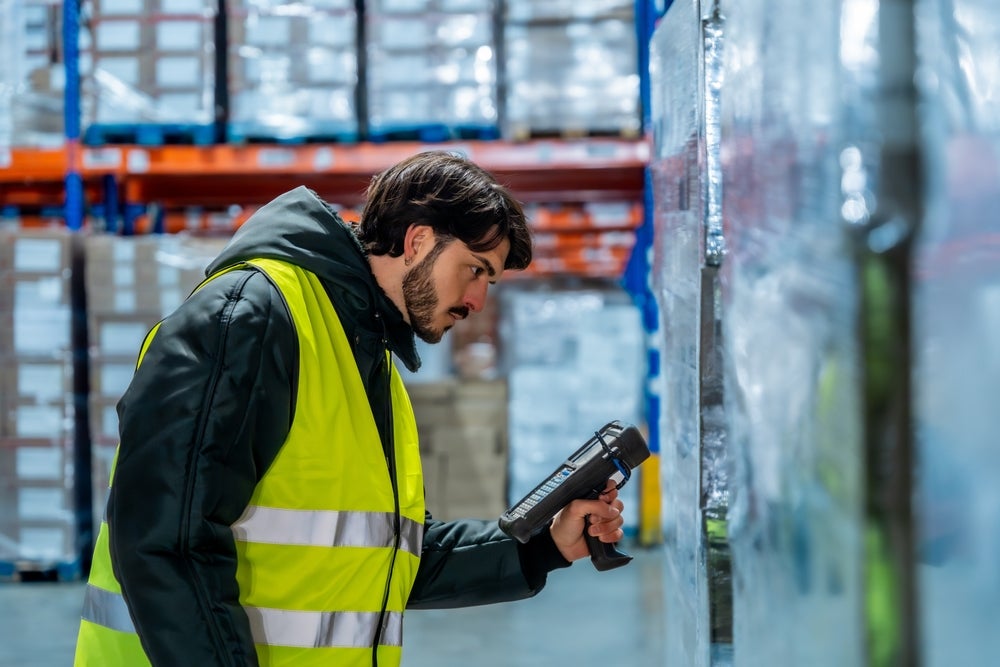
Digital technology is playing an increasingly important role in modern cold-chain packaging. Smart packaging provides companies with greater visibility across the supply chain, allowing them to identify potential issues before products are damaged. Temperature indicators, data loggers, and connected sensors enable businesses to monitor conditions throughout transport. This information helps logistics providers confirm that products have remained within the required temperature range and supports quality control for sensitive goods.
The growing availability of Internet of Things (IoT) technology is making real-time monitoring more practical across both food and healthcare supply chains. If temperatures move outside acceptable limits during transport, automatic alerts allow operators to respond quickly. This can reduce product losses and increase customer confidence. Artificial intelligence is also beginning to improve cold-chain operations by analyzing transport data to predict potential failures, improve route planning, and support better operational decisions.
These technologies do not replace effective insulated packaging. Instead, they enhance the reliability of the entire cold chain by providing better information and greater visibility. For packaging manufacturers, the challenge lies in introducing digital tools without adding unnecessary complexity or increasing environmental impact. Solutions that combine effective insulation, recyclable materials, and smart monitoring are likely to become increasingly important as supply chains continue to evolve.
A New Era for Cold-Chain Packaging
Cold-chain packaging is entering a period of rapid transformation. The continued growth of online grocery shopping, meal-kit delivery, and temperature-sensitive healthcare products is creating long-term demand for packaging that provides dependable thermal protection while supporting sustainability goals. The companies best positioned for the future will be those that combine high-performance insulation with circular design principles and smart monitoring technologies.
As customer expectations rise, environmental regulations become more demanding, and supply chains grow more complex, greener cold-chain packaging is no longer just an opportunity—it is becoming a business necessity.
Post a Comment for "Greener Cold Chains: The Packaging Industry's Next Challenge"