
Major City Cracks Down on Tourists as Locals Protest Over Crowds
Barcelona, Spain, has taken a bold stance against overtourism by implementing strict measures to curb the influx of visitors. The city's efforts have gained attention as it aims to protect its residents and cultural heritage from the negative impacts of mass tourism.
Stricter Taxes for Cruise Visitors
One of the most notable steps taken by Barcelona is the introduction of higher taxes for cruise passengers who spend less than 12 hours in the city. According to reports, these visitors could be required to pay €30 (approximately $35) in combined taxes. This move follows a decision made during a July 15 committee meeting, where the city aimed to impose a maximum tax of €24 (around $27) on such tourists. This proposed amount would triple the previous municipal rate of €8 (about $9).
The increased tax is part of a broader strategy to manage the number of tourists and reduce overcrowding in the city. The goal is to ensure that Barcelona remains livable for its residents while still maintaining its appeal as a tourist destination.
Sustainable Tourism Initiatives
Barcelona's commissioner for sustainable tourism, José Antonio Donaire, has emphasized the city's commitment to rethinking tourism. He highlighted measures like the moratorium on new hotel construction, which was introduced in 2017. While many of these initiatives take time to show results, Donaire stated that the city's message is clear: "Not one tourist more."
This approach reflects a shift towards more responsible tourism practices. The city is focusing on attracting diverse groups of tourists, including those interested in business or cultural attractions, rather than just mass tourism.
Impact on Local Residents
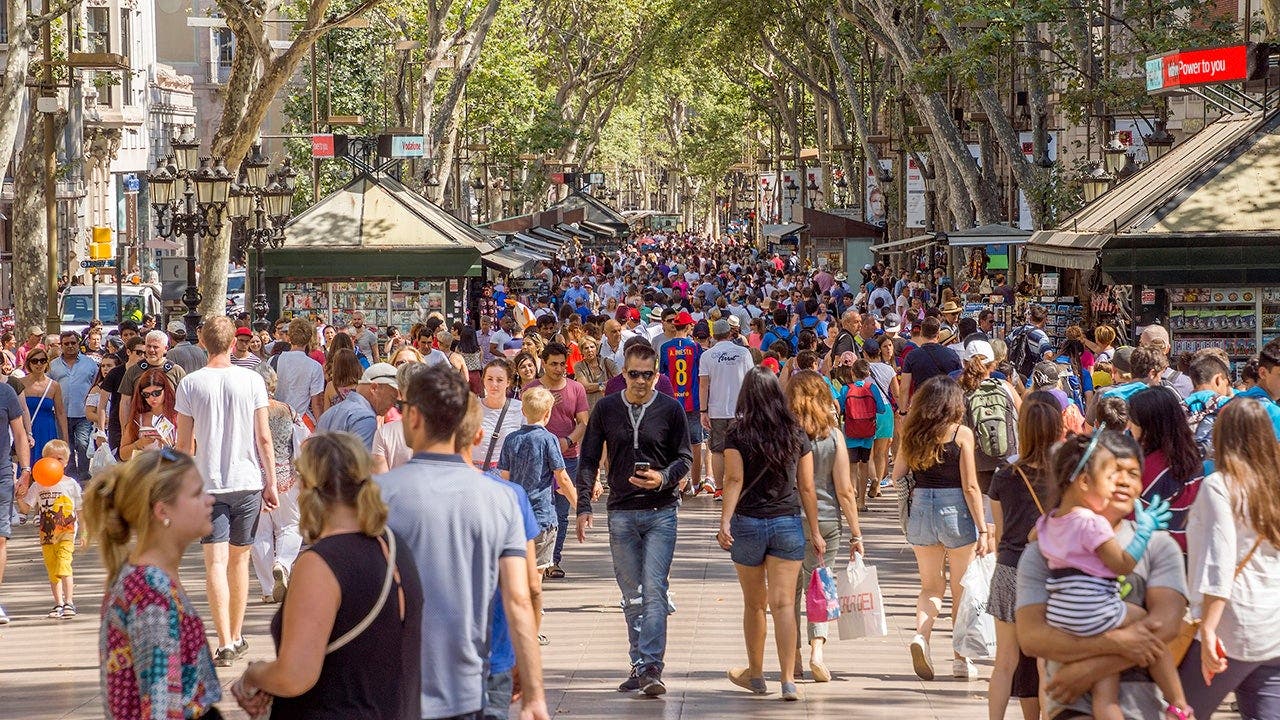
The surge in tourism has had significant effects on Barcelona's local population. Rising housing prices, overwhelmed public transport, and an influx of tourists in historic districts have caused frustration among residents. According to Reuters, the massive overcrowding has been particularly irksome to locals.
In May, Barcelona's mayor, Jaume Collboni, proposed increasing the fee for cruise passengers to up to $9.30 (8 euros) per night, a 100% increase from the current rate of $4.65 (4 euros). This move was reported by El País, Spain's paper of record, after Collboni appeared on the local network Betevé.
Donaire also mentioned that the city's target is to maintain a limit of 15.7 million tourists in 2025, with a maximum of 16 million. This threshold is intended to prevent further strain on the city's infrastructure and resources.
Increased Hotel Guest Tax
Starting April 1, Barcelona nearly doubled its hotel guest tax, raising it from $5-$9 to $10-$17 per person, per night. This change was previously reported by Fox News Digital and is another step in the city's effort to manage tourism effectively.
Public Protests and Resident Concerns
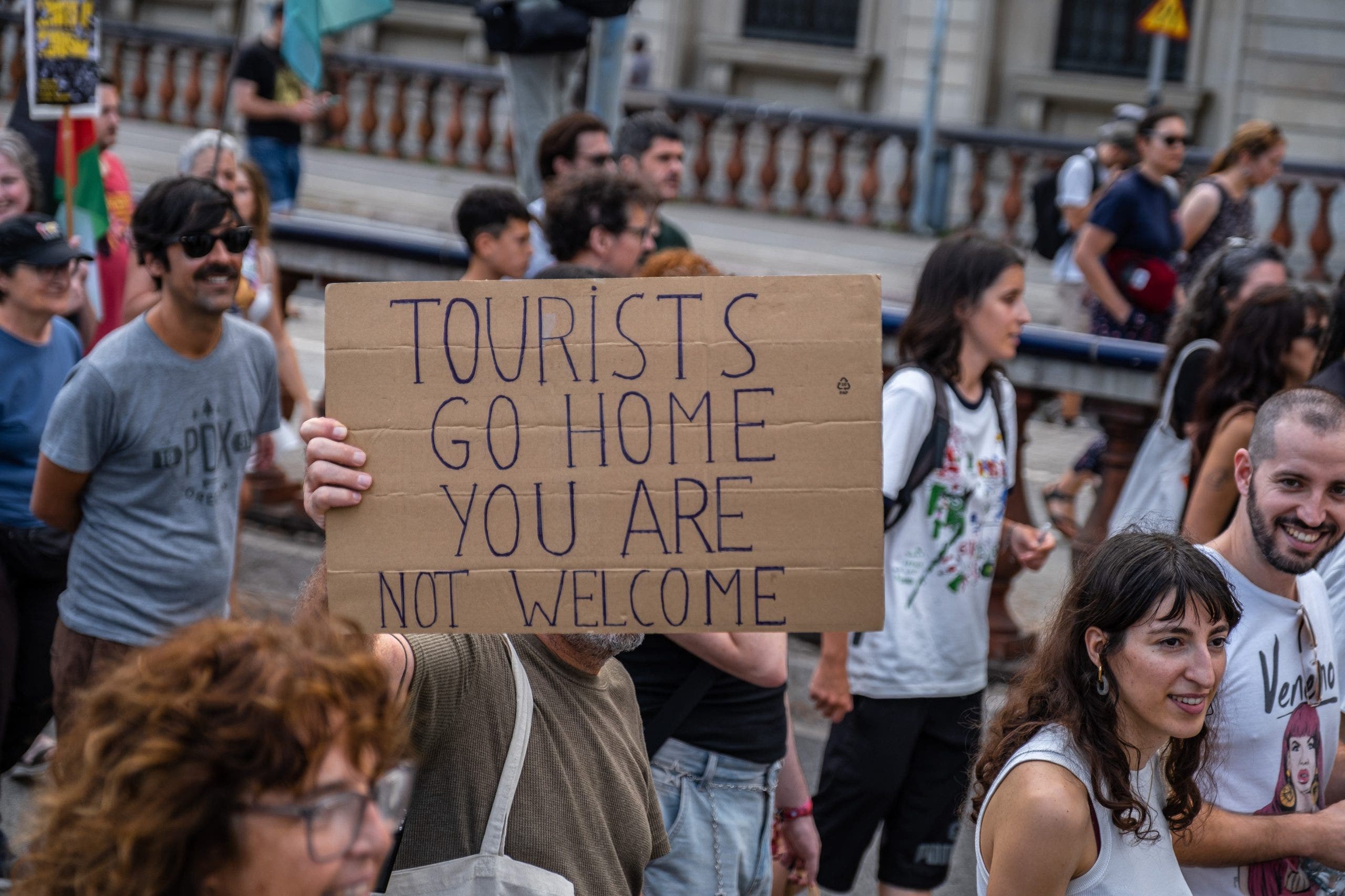
Barcelona citizens have shown their discontent through public protests. Last summer, demonstrators held large rallies, with some even using water guns to spray tourists. These actions were reminiscent of similar protests in 2024. Signs carried by protesters included messages such as "One more tourist, one less resident" and "Tourist go home."
Andreu Martínez, a local resident, humorously noted that the use of water guns was meant to annoy tourists slightly. He expressed concern over the rising rent in his neighborhood, which has increased by over 30%. Many apartments are being rented out for short-term vacation use instead of long-term residency.
Balancing Tourism and Livability
Donaire clarified that the new rules are not anti-tourist but rather a way to attract diverse tourist groups. He emphasized the importance of ensuring that residents can access basic necessities in their neighborhoods. Additionally, he pointed out that tourists may be more interested in a city where urban space is not dominated by souvenir shops, phone cases, and kebabs.
Conclusion
Barcelona's approach to managing tourism reflects a growing trend across Europe, where cities are taking proactive steps to address the challenges of overtourism. By implementing stricter regulations and focusing on sustainable practices, the city aims to balance the needs of residents and visitors alike.
Post a Comment for "Major City Cracks Down on Tourists as Locals Protest Over Crowds"