
Municipal breakdown's economic toll on South Africa
The Growing Crisis of Municipal Collapse in South Africa
South Africa is facing a deepening crisis as its municipalities struggle with financial instability and poor governance. According to a report by the Bureau for Economic Research (BER), the situation is deteriorating at an alarming rate, with far-reaching implications for the country's economy.
The report highlights that several municipalities are failing due to years of underinvestment in critical infrastructure and maintenance. Claire Bisseker, an economics writer and researcher at BER, points out that this pattern is repeating itself across nearly every town in the country. “If left unchecked, the country faces a growing risk of systemic municipal failure with profound social and economic consequences,” she warns.
Financial Strain and Rising Deficits
One of the most concerning aspects of the crisis is the worsening financial health of South Africa’s municipalities. The latest annual municipal financial sustainability index (MFSI) report from Ratings Afrika shows that the situation has continued to deteriorate rapidly. The report estimates that the combined operating deficit of the 128 largest municipalities increased to R39 billion from R35 billion in 2024. Additionally, their aggregate liquidity shortfall rose to R129 billion, up from R107 billion in 2024 and R55 billion in 2021.
Leon Claassen, managing executive at Ratings Afrika, emphasizes that these trends are not just signs of financial distress but evidence of a systemic failure. “This is undermining service delivery, infrastructure sustainability, and economic growth,” he states.
Government Intervention and Fiscal Discipline
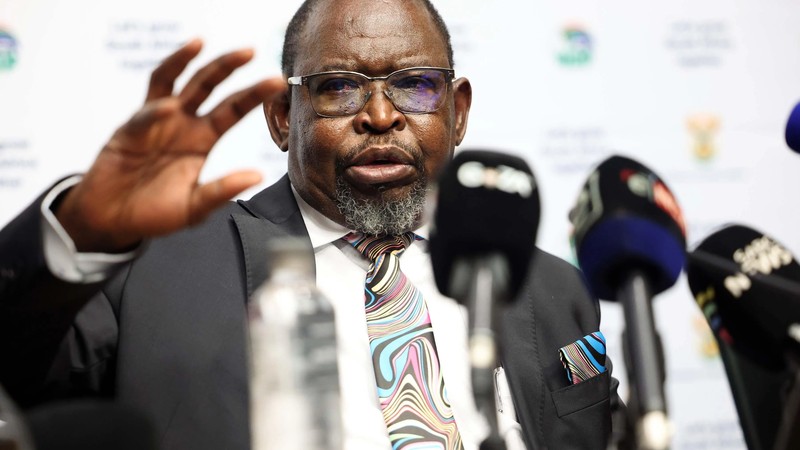
In response to the growing crisis, Finance Minister Enoch Godongwana has announced that the July 2026 equitable share transfers to 69 municipalities will be withheld. This includes four major metropolitan areas: Johannesburg, Nelson Mandela Bay, Buffalo City, and Mangaung. Godongwana described the move as a corrective measure aimed at instilling fiscal discipline and ensuring proper management of public funds.
“This is designed to address unauthorised, irregular, fruitless, and wasteful expenditure and hold municipal officials accountable as required by law,” he said. The minister emphasized that the action is not punitive but rather a necessary step to ensure compliance with the Municipal Finance Management Act (MFMA).
Persistent Governance and Financial Challenges
The financial strain on South Africa’s municipalities is compounded by persistent weaknesses in governance and poor financial management. The auditor-general’s 2024/2025 report, released in June, highlights ongoing issues with governance and financial oversight. Moody’s has also flagged fragile local government ratings, while the Treasury’s latest report on local government revenue and expenditure underscores negative trends.
Godongwana pointed out that many councils continue to adopt unfunded budgets, fail to process unauthorized, irregular, fruitless, and wasteful expenditure (UIFWE) through their Municipal Public Accounts Committees (MPACs), and neglect consequence management. “These internal weaknesses, poor governance structures, lack of accountability, and ineffective financial oversight compound external challenges and directly undermine service delivery,” he said.
Commitment to Accountability and Reform
Despite years of support, guidance, and training, many municipalities have failed to meet their statutory obligations to key institutions such as Eskom, water boards, SARS, the Auditor-General, and pension funds. Godongwana stressed that South Africans deserve municipalities that are financially sound, accountable, and capable of delivering essential services.
“By invoking the Constitution, we are signaling seriousness about governance, fiscal responsibility, and the rule of law,” he said. Funds are being redirected in tranches directly to Eskom, water boards, and statutory bodies to safeguard electricity, water, and pensions.
Municipalities that demonstrate compliance will see their transfers reinstated. However, compliance will be monitored rigorously. Councils must process UIFWE through their MPACs, recover losses, and implement consequence management, according to the minister.
Conclusion
The crisis of collapsing municipalities in South Africa is a pressing issue that requires urgent attention. With financial deficits rising and governance structures failing, the need for reform and accountability is more critical than ever. The government’s intervention is a necessary step towards restoring fiscal discipline and ensuring that municipalities can fulfill their responsibilities to the public. Without meaningful change, the risks of systemic failure will continue to grow, with serious consequences for the country’s economy and social fabric.
Post a Comment for "Municipal breakdown's economic toll on South Africa"