
Samsung Galaxy Z Flip 8: Sleek Design or Overpriced?
A New Approach to Innovation
LONDON—Can you really improve a phone by removing things from it? That's sort of the angle Samsung is taking this year at Unpacked with the Z Flip 8, another iterative update from the company. Rather than pack the Z Flip 8 with a bevy of new features, Samsung focused on making the phone less feature-rich in order to improve usability. It encompasses all the expected spec bumps compared with the Z Flip 7, packing them all into a thinner and lighter phone that Samsung says is easier and "more joyful" to use.
Did the company get the formula right this year? Mostly.
Not-Quite Flagship Class
The Z Flip 8 is less of a step forward than last year's Z Flip 7, but it's still a step forward. The Flip 8 is a flip-style foldable, meaning it bends in half at the waist, rather than along its spine as a book-style foldable does. It's far smaller and more pocketable than phones like the Fold 8 and Fold 8 Ultra. Samsung says the Flip is a device for those who want a more personalized, creative, and all-in-one experience that is more compact. It is definitely that.
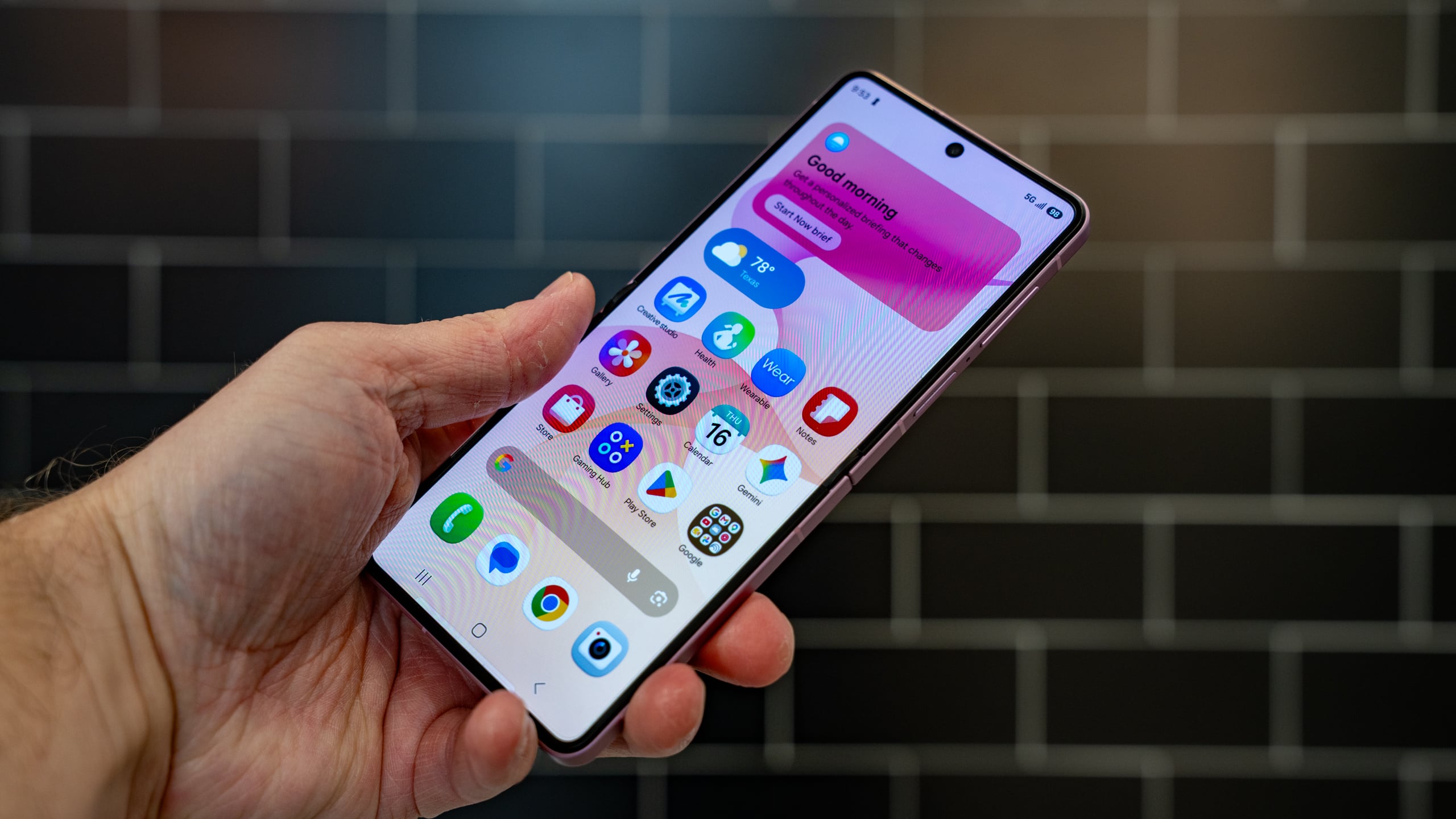
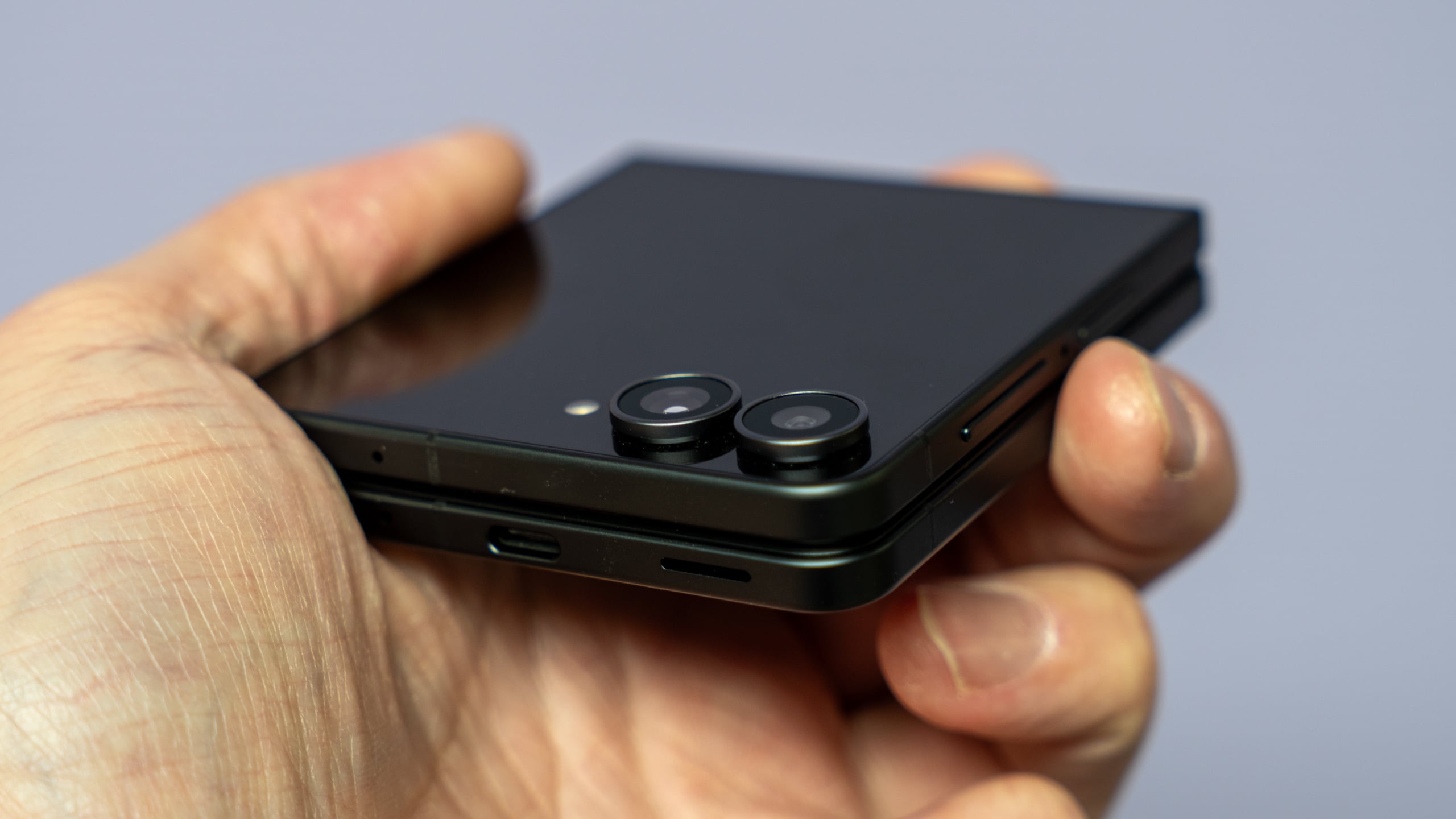
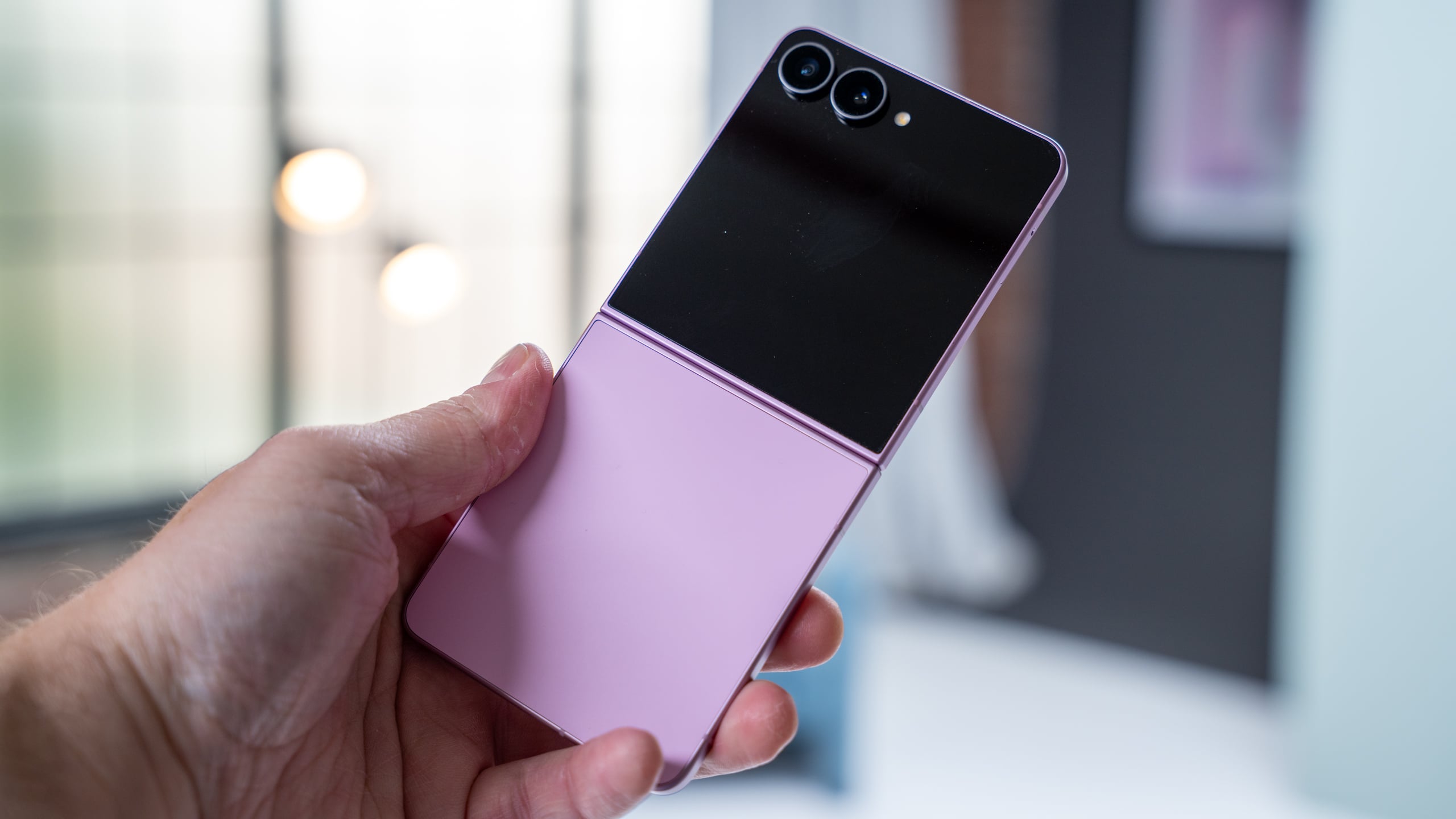
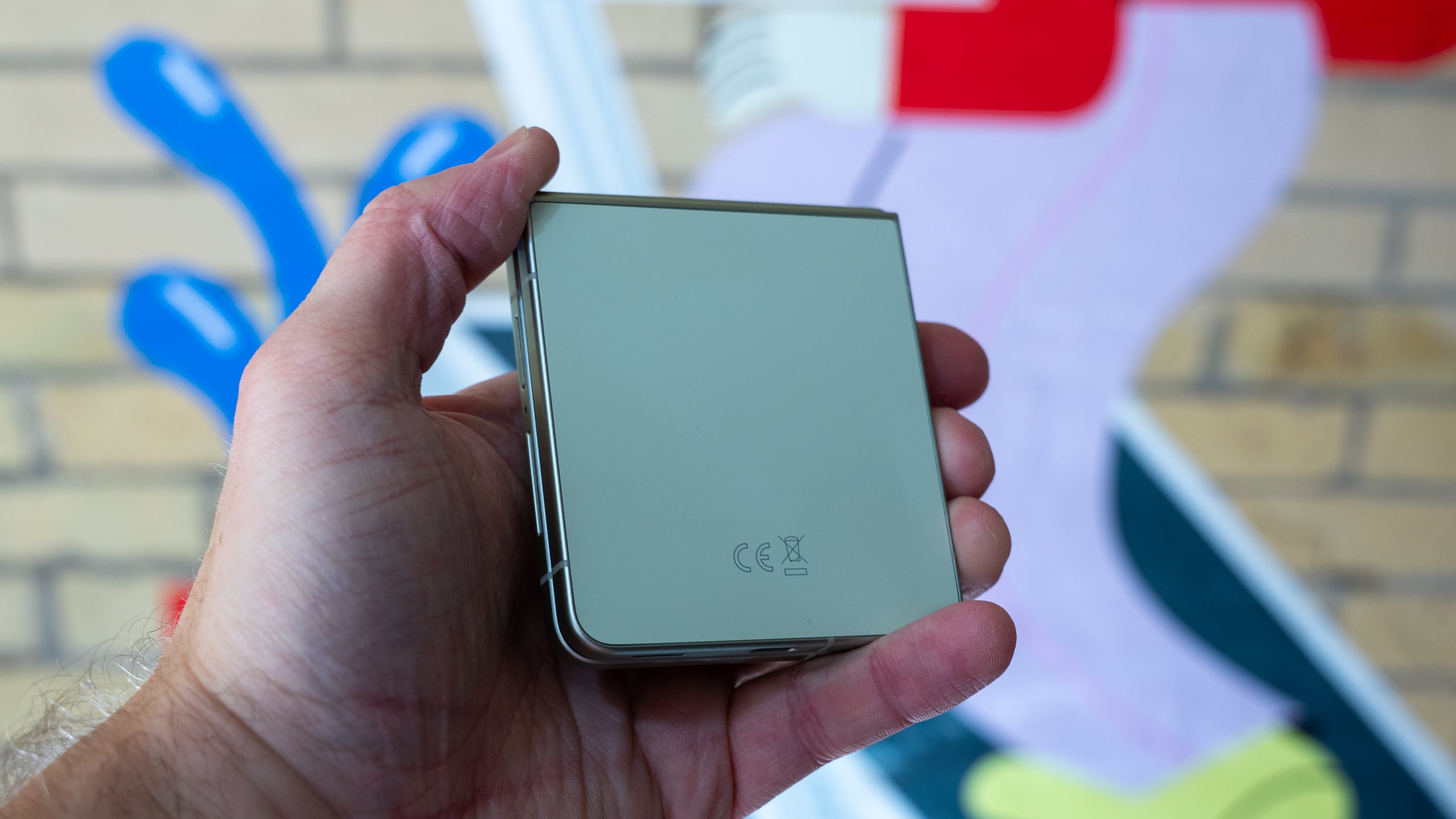
Like its Z 8 stablemates, the Z Flip 8 Ultra has an Advanced Armor Aluminum frame, but it swaps Gorilla Glass Ceramic 3 on the front and Gorilla Glass Victus 2 on the rear for Gorilla Glass Victus 2 on the front and a glass-reinforced polymer on the rear. Samsung sells the phone in Cream (white), Graphite (black), Mint (online only), and Pink. The colors are more muted than last year's bright shades, which Samsung says is in response to customer feedback. The phone has the same IP48 rating as the Z Fold 8 and Fold 8 Ultra for dust and water resistance.
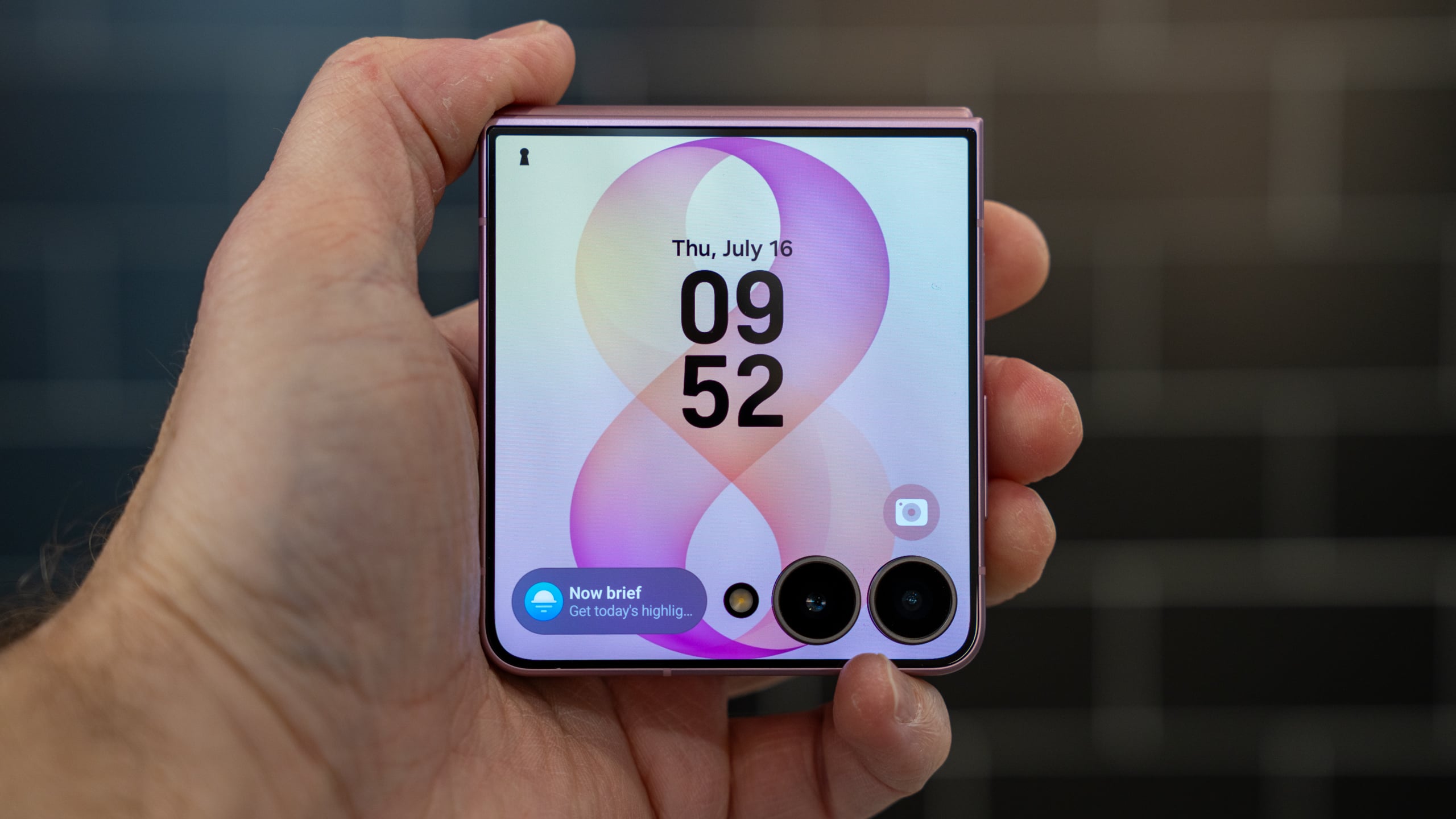
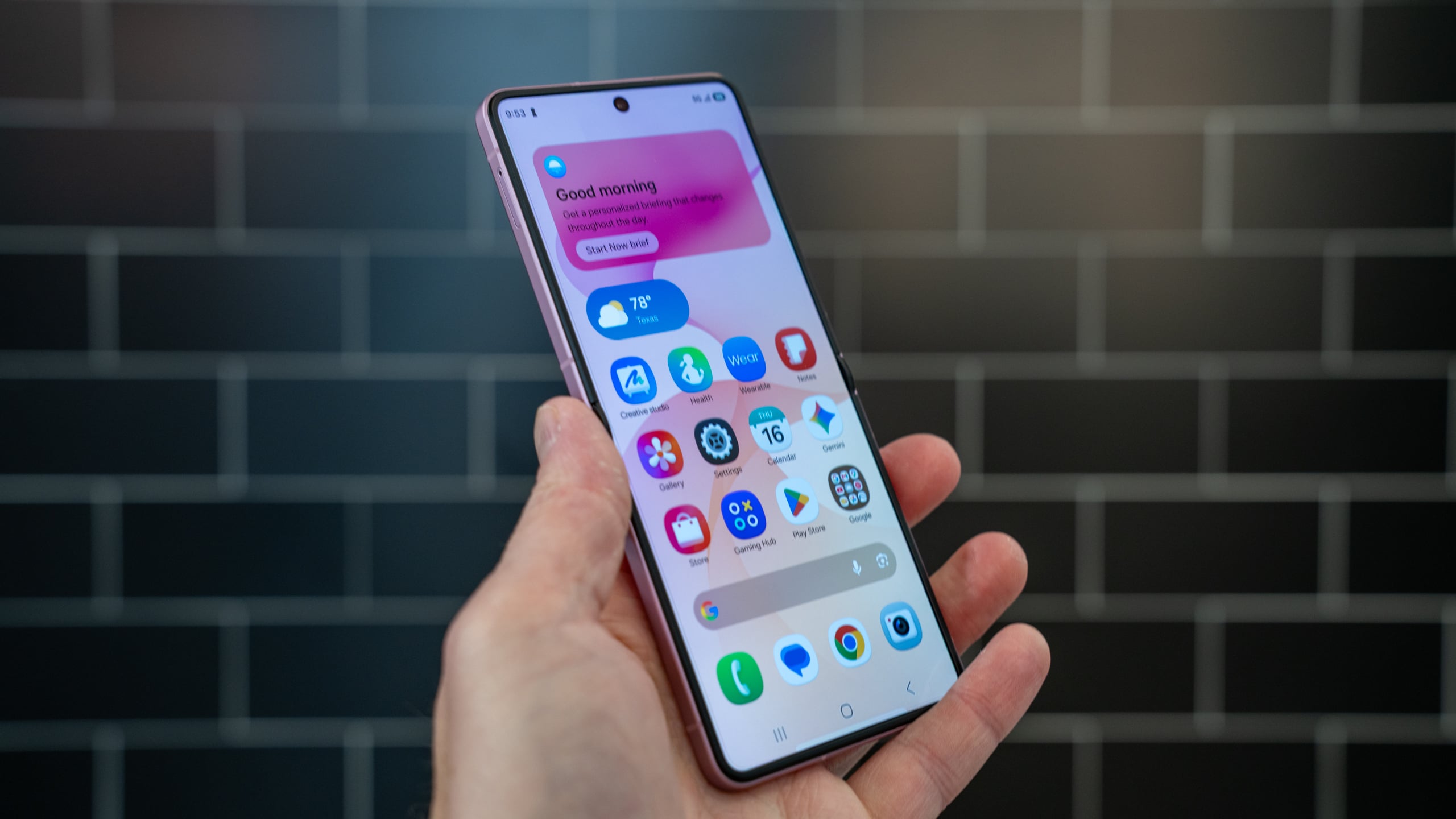
It carries over the screens from the Z Flip 7, which means the AMOLED Cover Display measures 4.1 inches, has an HD+ resolution, and a refresh rate that jumps between 60Hz and 120Hz. Samsung didn't give us a brightness rating, but it's plenty bright and sharp. The inner screen still measures 6.9 inches, uses Dynamic AMOLED 2X tech, and has an FHD+ resolution. The dynamic refresh rate ranges from 1Hz to 120Hz. Samsung says it is brighter than last year's screen, but again, no numbers to back that up yet.
Thankfully, Samsung opted to use the same Qualcomm Snapdragon 8 Elite Gen 5 for Galaxy chip as the Fold phones in the North American variant of the Flip 8. Global variants of the Flip 8 will have a Samsung Exynos 2600 processor instead. It will ship with 12GB of RAM and either 256GB or 512GB of storage. It's a bummer there's no option to ratchet that up to 1TB. Samsung hasn't said what the clock speeds are for its trio of phones, and it's hard not to wonder whether the Flip will run at the same rate as the Folds.
Sadly, the Flip continues to rank lower in battery performance. While it adopts the silicon-carbon tech from the Fold devices, it retains the 4,300mAh battery capacity, and charges slower via wire (25W) and wirelessly (15W) than the Fold 8 and Fold 8 Ultra. I would have liked to see a capacity bump here and faster speeds for this price, especially given that similarly priced flagships have 5,000mAh batteries and faster charging.
The radios are also less advanced than those of the Fold 8 devices. It packs 5G (sub-6GHz only), Wi-Fi 7, and Bluetooth 5.4, but omits Ultra-Wideband for the third year in a row. This mostly prevents it from working as well as possible with certain accessories. The Fold 8s have mmWave and run Bluetooth 6.0.
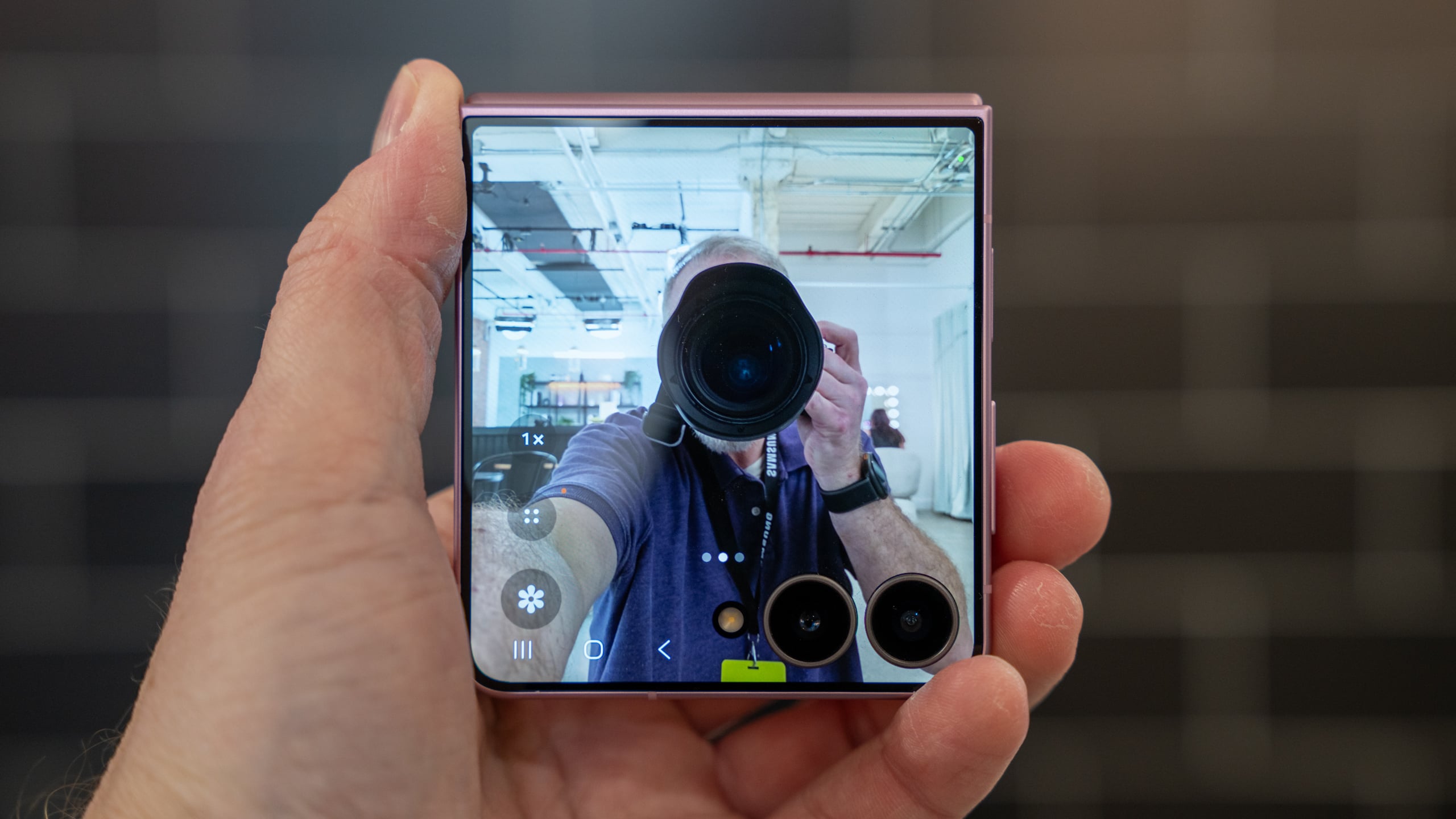
As for the cameras, Samsung doesn't say it's recycling the sensors from the Z Flip 7 and Z Flip 6, but it sure looks that way on paper. Everything looks the same, with a 50MP main camera, 12MP ultrawide camera, and 4K60 video capture.
The $1,299.99 Samsung Galaxy S26 Ultra boasts a much more impressive spec sheet. If you have that much and don't need a folding phone, it may be the better buy.
Packing More Into Less May, In Fact, Be Better
There's more to a phone than its spec sheet. Samsung is making a big deal about the Z Flip 8's slimmed dimensions and reduced weight.
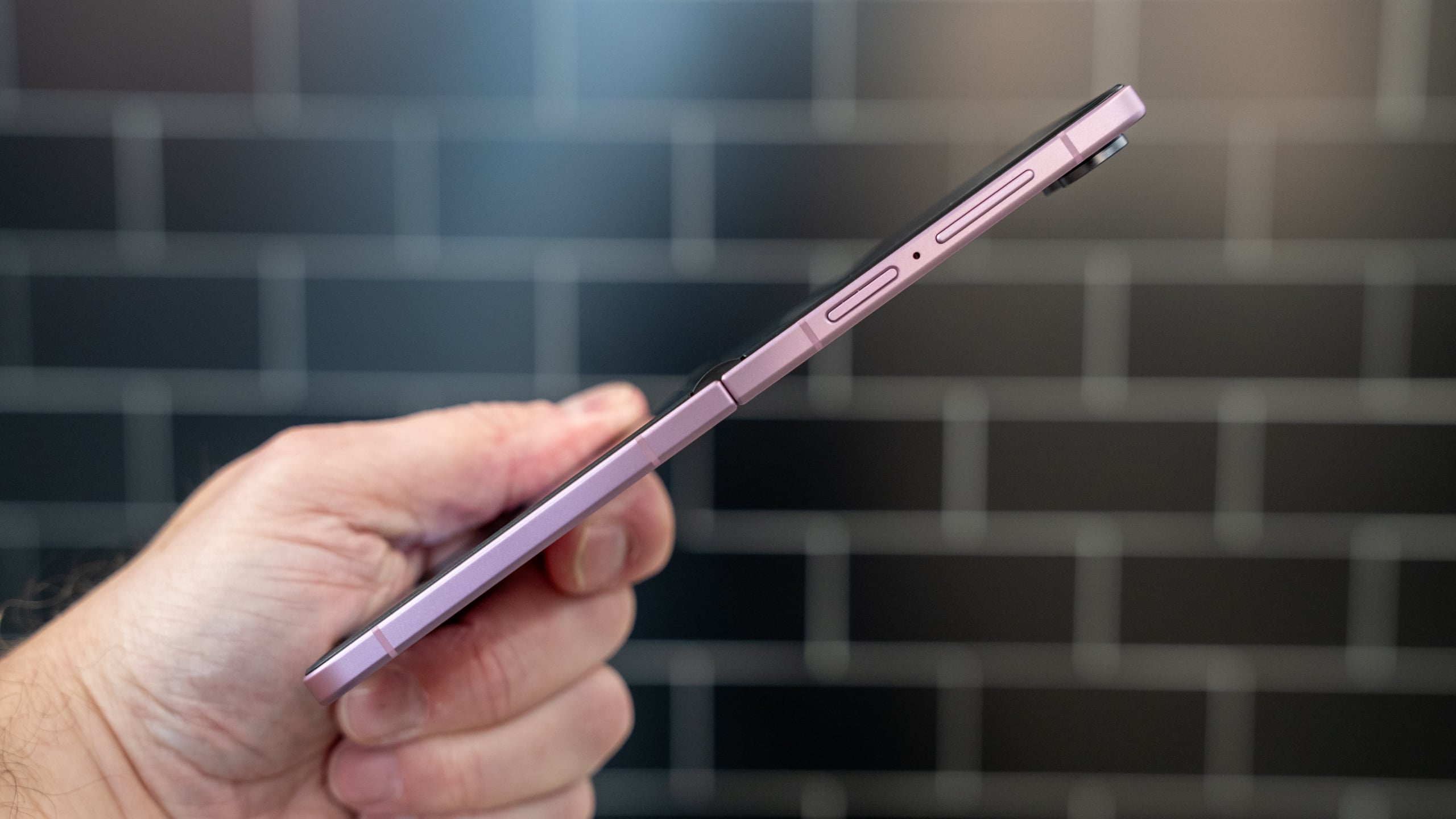
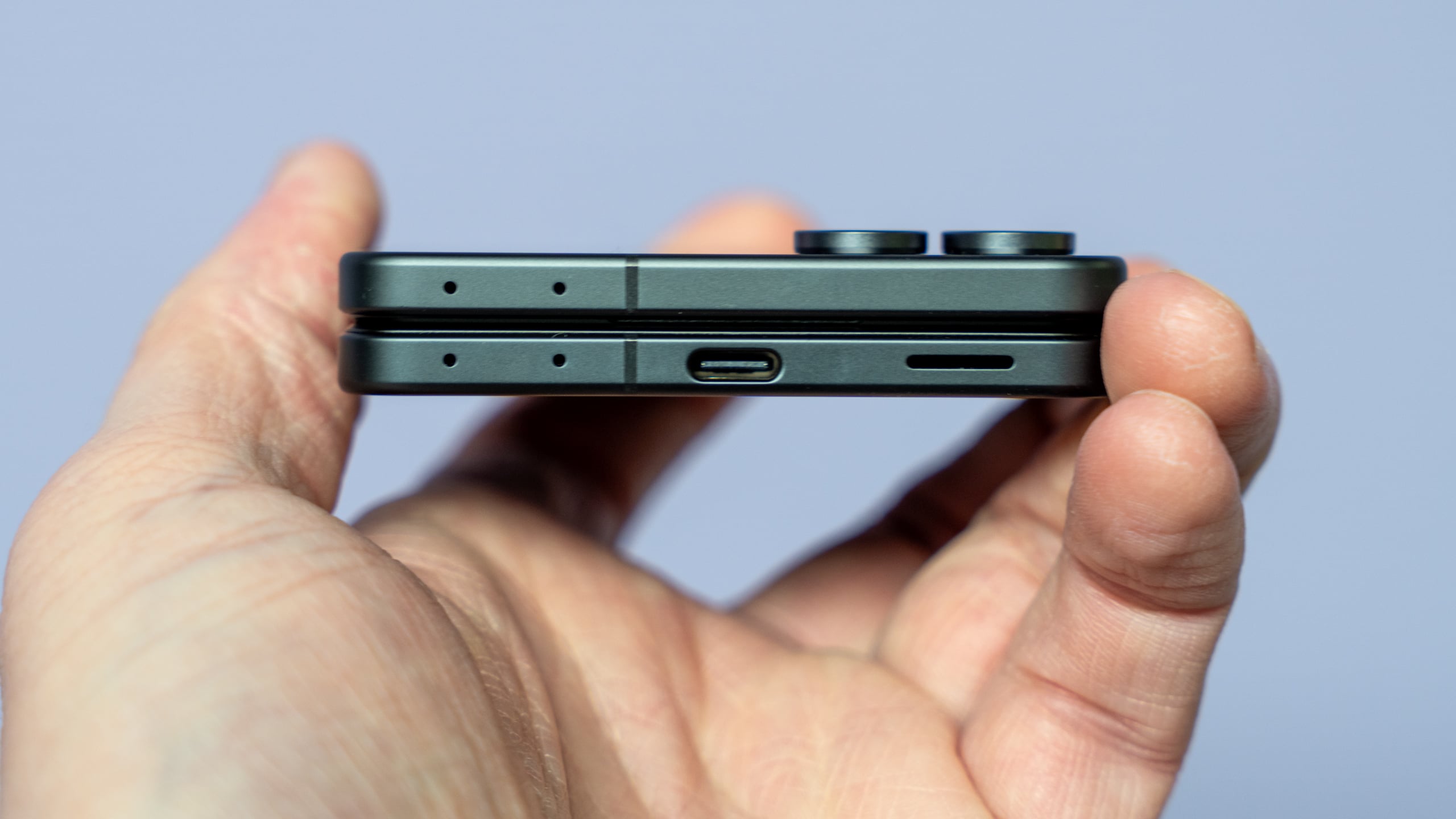
The Z Flip 8 measures 6.57 by 2.97 by 0.24 inches (HWD) when it’s open and 3.37 by 2.97 by 0.52 inches when closed, and weighs 6.35 ounces. Last year's Z Flip 7 measures 6.57 by 2.96 by 0.26 inches open, 3.37 by 2.96 by 0.54 inches closed, and weighs 6.63 ounces. It's slimmer by 0.02 inches when opened and closed, and while that sure doesn't seem like a lot, it is easy to feel, especially when combined with the lower weight. It gains rounder metal edges, too, and an easier-to-open hinge that makes one-handed use a breeze. These small usability tweaks go a long way.
Samsung took special care with the Flip 8's software. Critically, the Cover Display gains a more powerful Flex Window system that lets you do much more without ever opening the phone. It has a new card system that supports up to six configurable windows at a time. You can easily open your apps and swipe between them, access the full Quick Settings panel, and manage all your notifications. There is a huge jump forward, and the phone's software is in closer competition with the capable Motorola Razr Ultra.
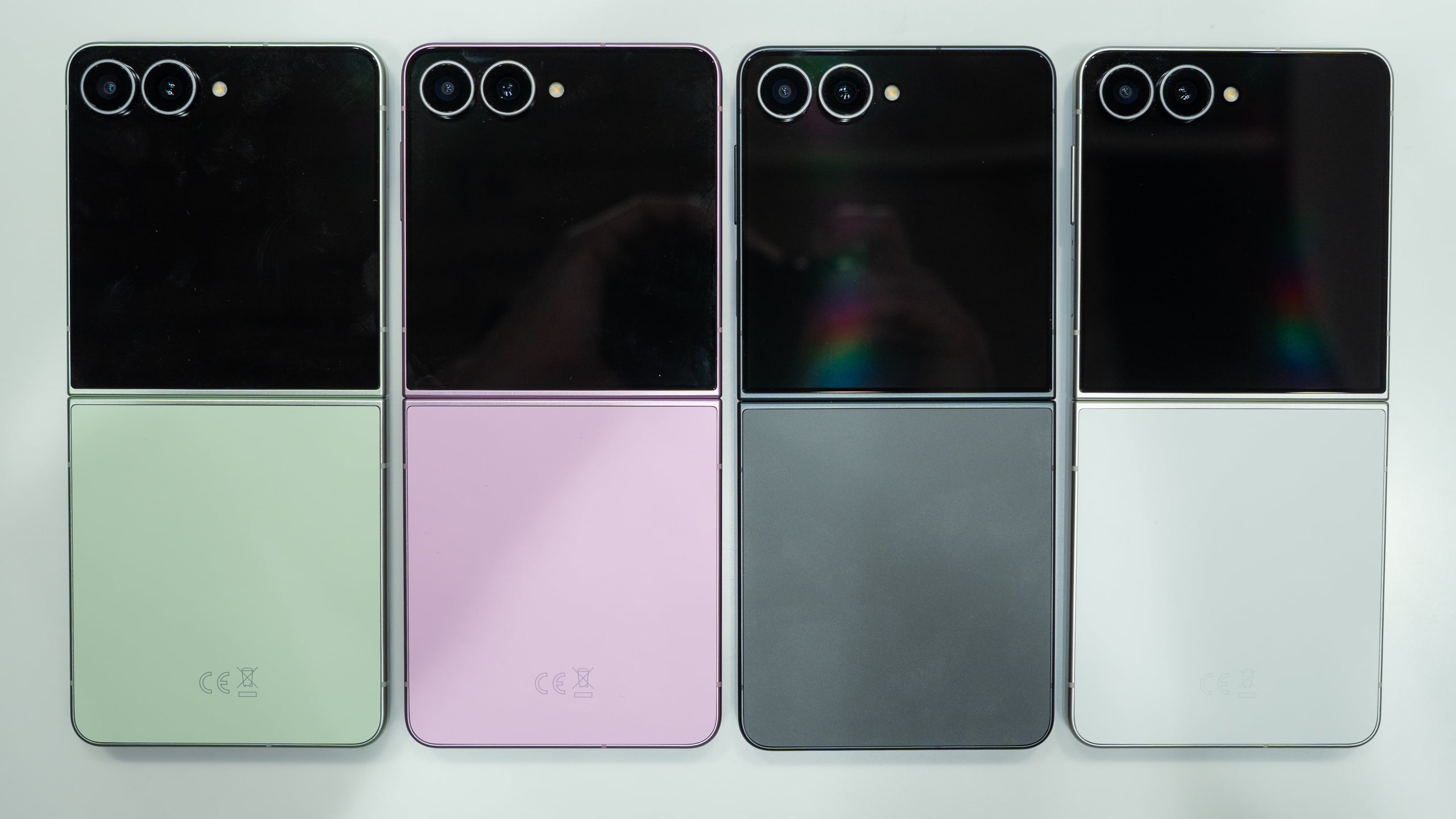
The unique form factor gives it more ways to capture photo and video content, and Samsung plays into that with the Flip 8. The FlexCam adds new hands-free shooting modes, a real-time selfie preview window, and a hands-free system with new shooting angles that produce steadier video.
With updated speeds and feeds, the Flip 8 promises more than ever. To have so much capability crammed into a phone that bends in half is a marvel.
One thing Samsung adds to the Flip 8 isn't great: a higher price. The Flip 7 cost $1,099.99 at launch. The Flip 8 raises the price by $100, bringing it to $1,199.99. A price that high forces us to expect a lot from a phone, and you can be sure we'll be putting the Flip 8 through its paces in the weeks ahead.
While we work on our full review, be sure to check out our hands on with the Fold 8 and Fold 8 Ultra.
Post a Comment for "Samsung Galaxy Z Flip 8: Sleek Design or Overpriced?"