
The stunning essence of Puerto Rico
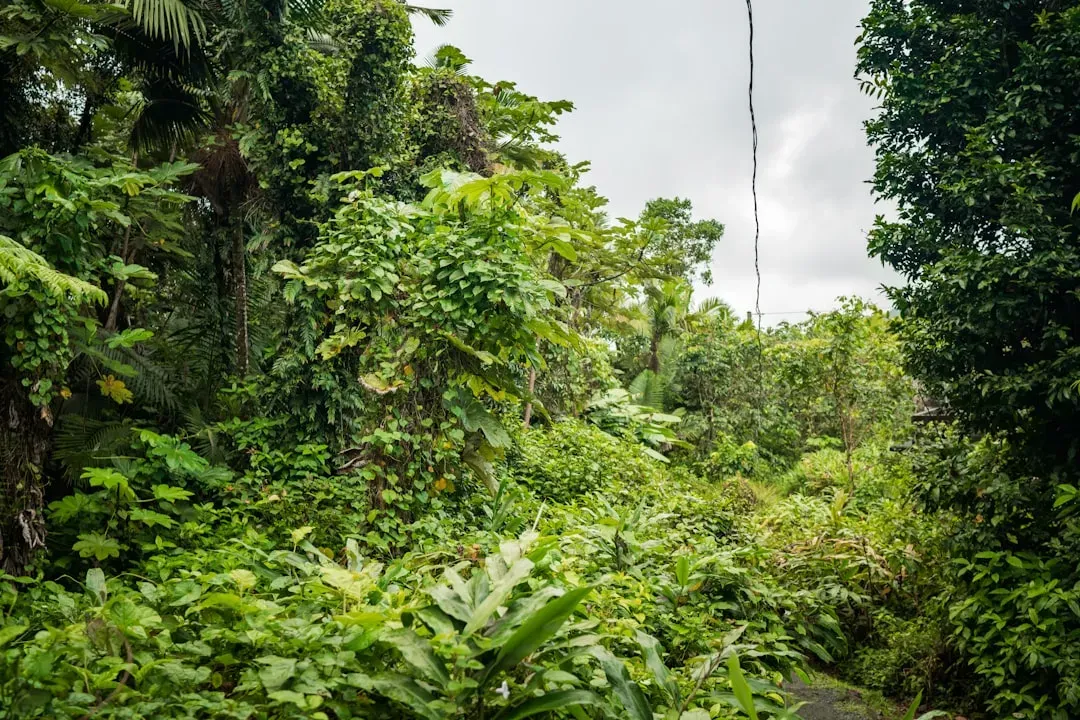
El Yunque, the Only Tropical Rainforest in the US Forest Service
Tucked into the Sierra de Luquillo mountains in the northeast, El Yunque holds a title no other American forest can claim. While there are both temperate and tropical rainforests in other states and territories, it is the only tropical rainforest in the United States National Forest System and the United States Forest Service.
The forest is not especially large by national standards, but its ecological density more than makes up for it. The rainforest receives over 200 inches of rainfall annually, and this abundant rainfall, more than 100 billion gallons each year, supports a variety of ecosystems ranging from lush rainforest environments to drier subtropical zones within short distances.
That water does more than feed waterfalls. Eight major rivers originate in El Yunque, supplying fresh water to nearly 20% of Puerto Rico's population.
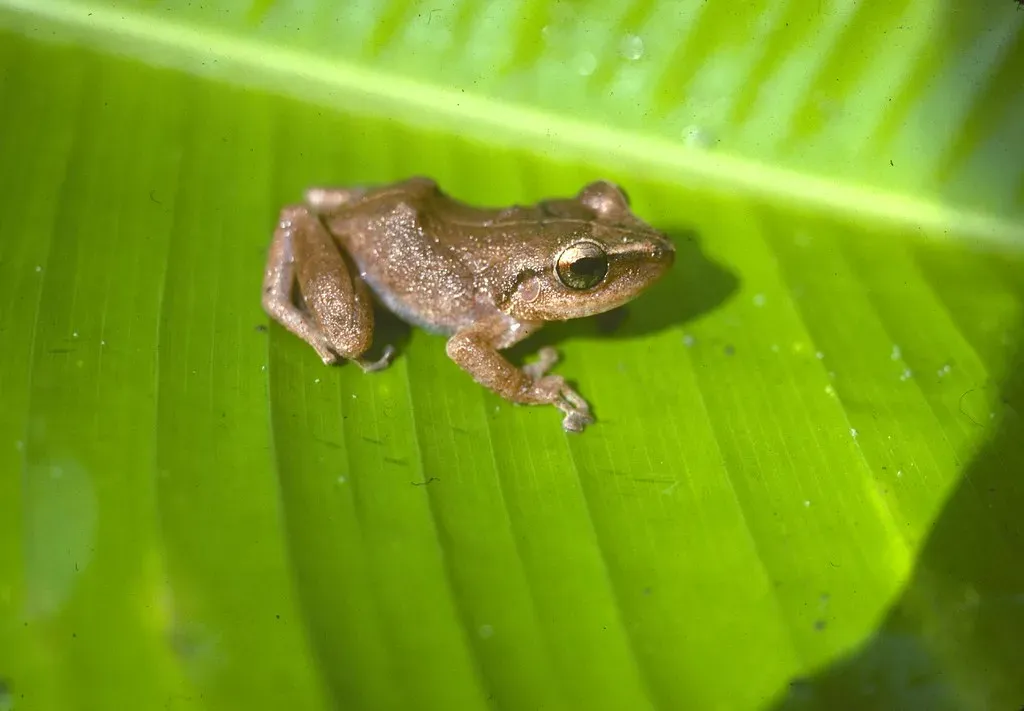
Wander the trails long enough and you will almost certainly hear, if not see, the tiny coquí frog that has become something of an unofficial mascot for the island's wild spaces.
Mosquito Bay, the Brightest Bioluminescent Water on Earth
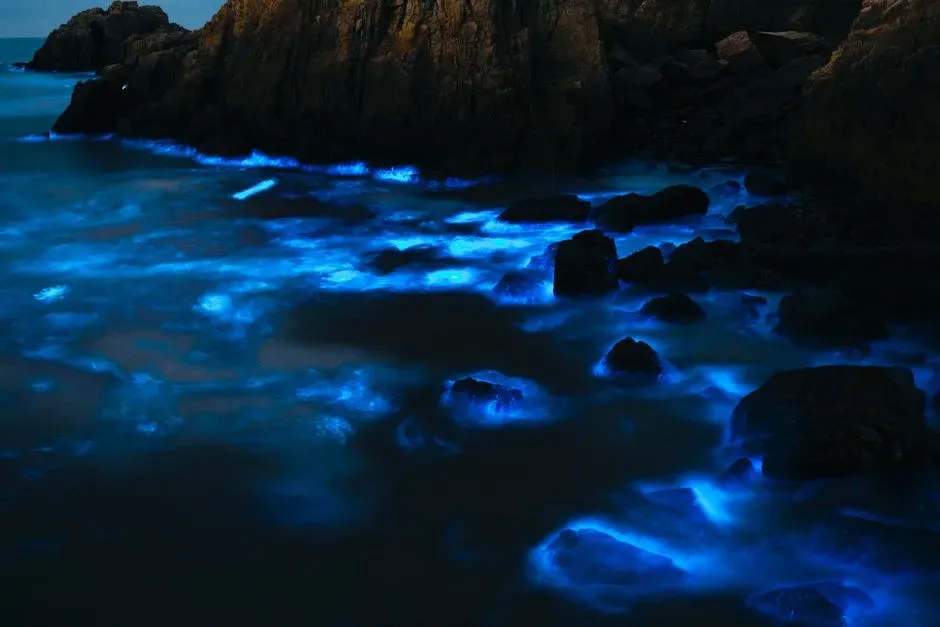
Off the southern coast of Vieques sits a shallow lagoon that glows blue-green after dark, a phenomenon caused by microscopic organisms rather than any trick of lighting. Mosquito Bay contains up to 700,000 tiny dinoflagellates per gallon of water, and when agitated, these microscopic organisms react by flashing a blue-green light for about one-tenth of a second.
The effect multiplies with every paddle stroke, turning a simple kayak trip into something closer to a light show. The bay's brightness comes down to a fairly specific set of conditions.
What makes this bay particularly special is its geography, a small, S-shaped entrance that traps the organisms inside, combined with surrounding mangrove trees that provide essential nutrients. It has earned recognition well beyond local tourism boards, too.
Mosquito Bay earned its place in the Guinness Book of World Records in 2006 as the brightest bioluminescent bay in the world, and in 2020, it was even designated as one of the Seven Wonders of the World by Condé Nast Traveller.
Flamenco Beach and the Case for Culebra
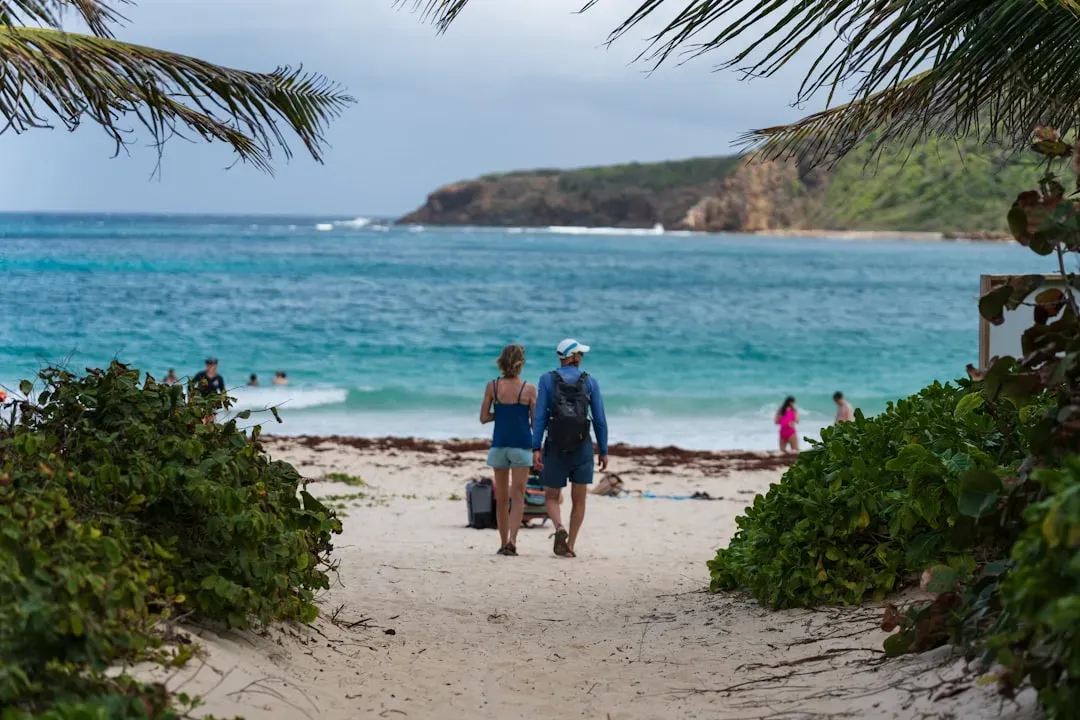
Culebra, a small island municipality east of the main landmass, is home to a beach that regularly lands on global best-of lists. Situated in front of Flamenco Lagoon and stretching for about 1 mile around the reef-sheltered, horseshoe-shaped Flamenco Bay, the beach is known for its shallow, calm turquoise waters and white sand, as well as its species-rich swimming areas and diving sites.
Rankings shift from year to year depending on the survey, but the beach consistently sits near the very top. Part of what keeps Flamenco from feeling overrun is its protected status and its remoteness.
The beach is bordered by the Culebra National Wildlife Refuge, which is of itself one of the oldest wildlife preserves in the United States. The wildlife extends underwater as well, since the surrounding reef and sea grass beds serve as habitat for multiple sea turtle species and a wide range of reef fish, giving the beach a working ecosystem rather than just a scenic backdrop.
Río Camuy, an Underground River Running Through the Karst Country
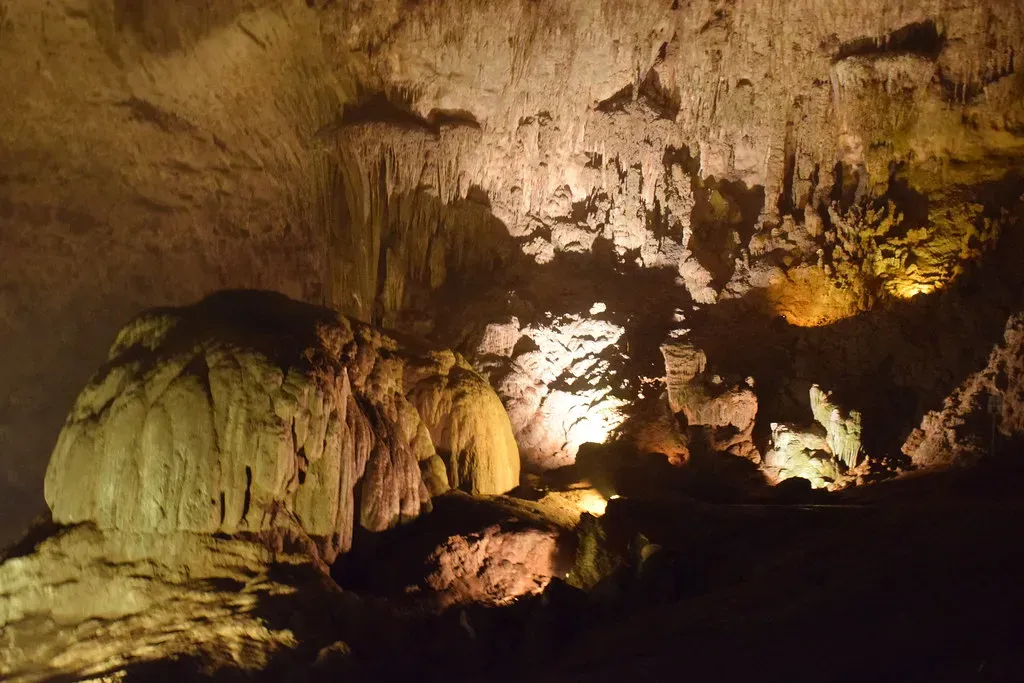
In the northwest, the landscape drops away entirely in places, revealing a cave network carved by one of the largest subterranean rivers anywhere. The caverns are part of a large network of natural limestone caves and underground waterways carved out by the third-largest underground river in the world, the Río Camuy.
The scale inside is hard to grasp until you are standing in it. The main visitor chamber alone gives a sense of the size involved.
The huge chamber is 700 feet in length and 215 feet high. Above ground, a massive sinkhole offers a different kind of view entirely.
Sumidero Tres Pueblos is a giant sinkhole measuring 650 feet wide, and the Camuy River can be seen 400 feet below from three observation platforms located at different points alongside the opening of the crater.
Guánica, a Dry Forest Where the Rainforest Rules Do Not Apply
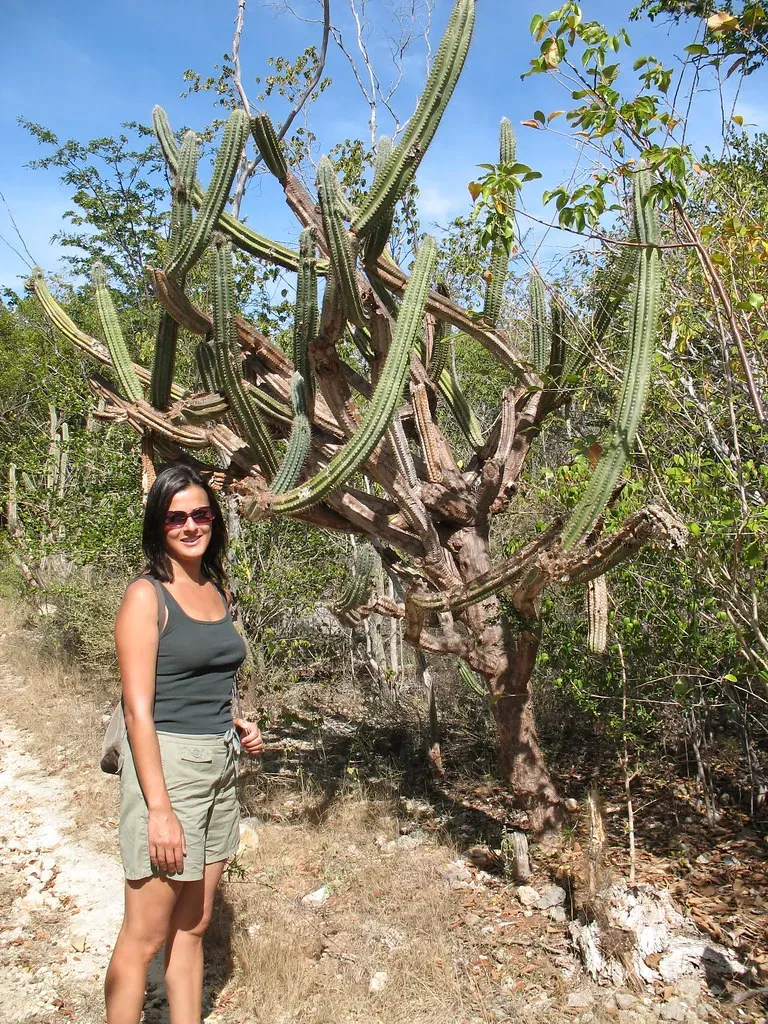
Drive an hour or so south from El Yunque and the scenery flips almost entirely. Located on the southwestern coast, this 10,000-acre UNESCO Biosphere Reserve is home to one of the largest subtropical dry forests in the world, standing in stark contrast to the tropical rainforest on the eastern end of the island, with excellent hiking, views of the Caribbean Sea, and rare plants and wildlife all in an arid environment.
It is a reminder that Puerto Rico's biodiversity is not built around one climate zone but several colliding at once. Trail options here favor coastal views and history over waterfalls.
There are twelve hiking trails in Guánica Dry Forest with varying levels of difficulty, including the Ballena Trail, which offers breathtaking photo opportunities, coastal views, and a remote beach. The dryness that defines the forest also preserves it in a strange way, since the low rainfall limits the kind of erosion and flooding that shapes wetter parts of the island.
The Coquí Frog and Puerto Rico's Endemic Species
No single creature is more associated with the island's soundscape than the coquí, a tree frog small enough to sit on a fingertip. One of the forest's most beloved inhabitants is the coquí, a tiny tree frog measuring less than an inch in size.
Its call, which gives the species its name, becomes a nightly soundtrack across much of the island once the sun goes down. El Yunque in particular functions as a concentrated pocket of endemism.
The Baño de Oro site is home to seventeen out of the nineteen endemic bird species of Puerto Rico, the most in any particular location in the archipelago. The forest also serves as a refuge for the critically endangered Puerto Rican parrot, a species that has been slowly recovering after suffering major setbacks from past hurricanes.
Vieques and Its Wilder, Quieter Corners
Beyond the glowing bay, Vieques offers a different kind of natural draw built around open space and undeveloped coastline. The island's wildlife refuge protects a mix of habitats that few Caribbean destinations can match in one place.
This refuge includes a number of different habitat types including beaches, lagoons and subtropical forests, home to wild horses, sea turtles, the endangered Puerto Rican boa, octopus, dolphins, and even humpback whales during migration. Getting there requires a bit more effort than a typical beach day, which is part of what has kept large stretches of the island relatively untouched.
Visitors generally arrive by a short flight or ferry, and once there, the pace slows considerably compared with the resort corridors on the main island. That relative isolation has done as much for conservation here as any formal protection ever could.
The Cordillera Central and Puerto Rico's Mountain Interior
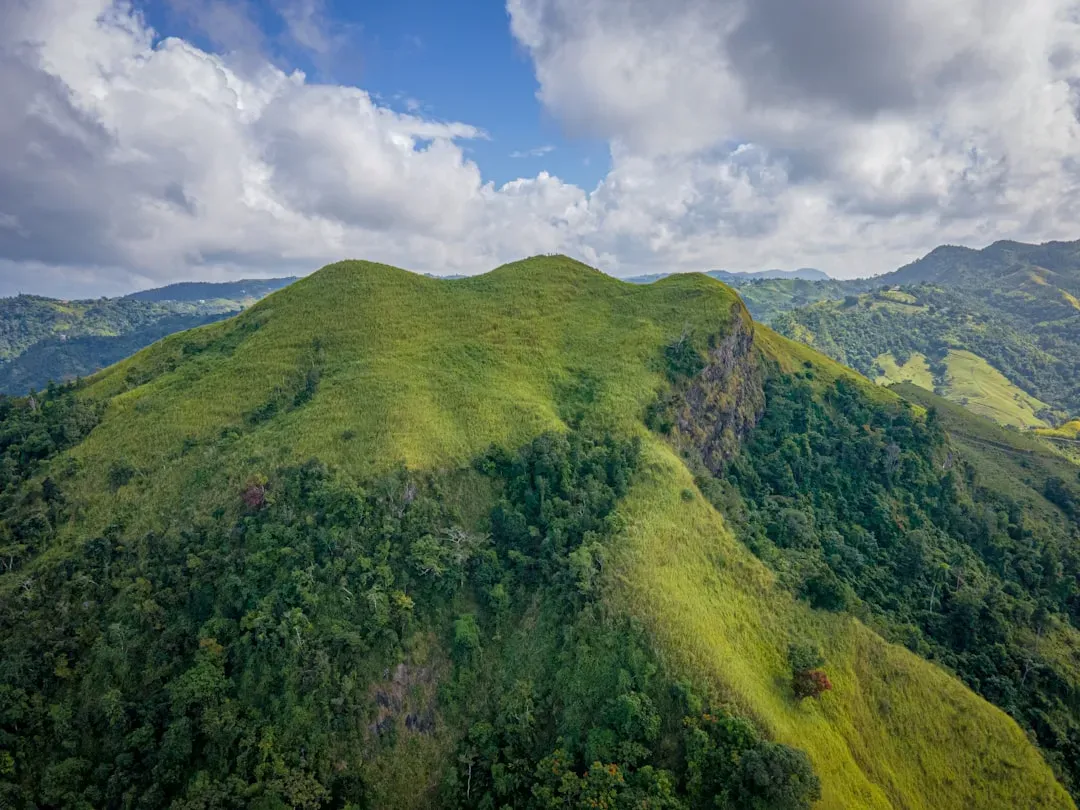
Away from the coasts, a mountain spine runs through the middle of the island, rising well above what most visitors expect from a Caribbean destination. Despite its roughly 100 by 35 mile size, Puerto Rico contains tropical rainforest, dry forest, mountains reaching around 4,390 feet, caves, mangrove ecosystems, coastal plains, and offshore islands.
The elevation shift alone changes temperature, humidity, and vegetation dramatically within a short drive. This interior region is also where much of the island's coffee has historically been grown, in cool, misty conditions that suit the crop well.
Small mountain towns here feel a world away from San Juan's beaches, offering hiking, waterfalls, and forest reserves that see a fraction of the tourist traffic found along the coast. It is arguably the least advertised side of Puerto Rico's natural identity, and also one of the more rewarding to explore slowly.
A Coastline That Behaves Like Several Different Countries
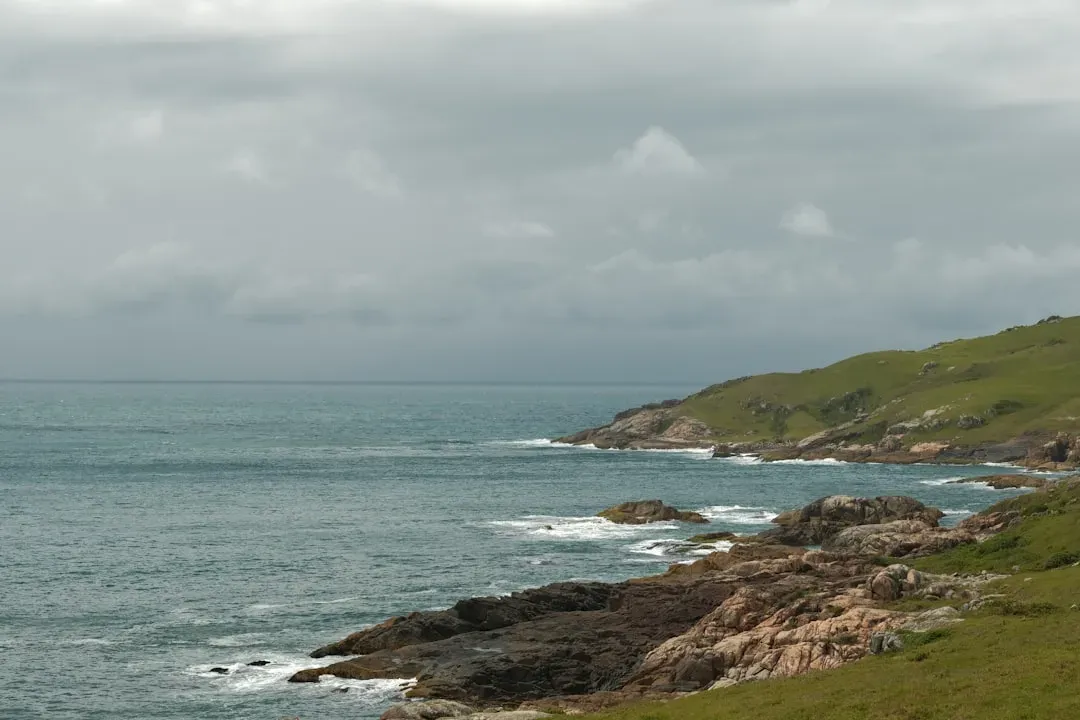
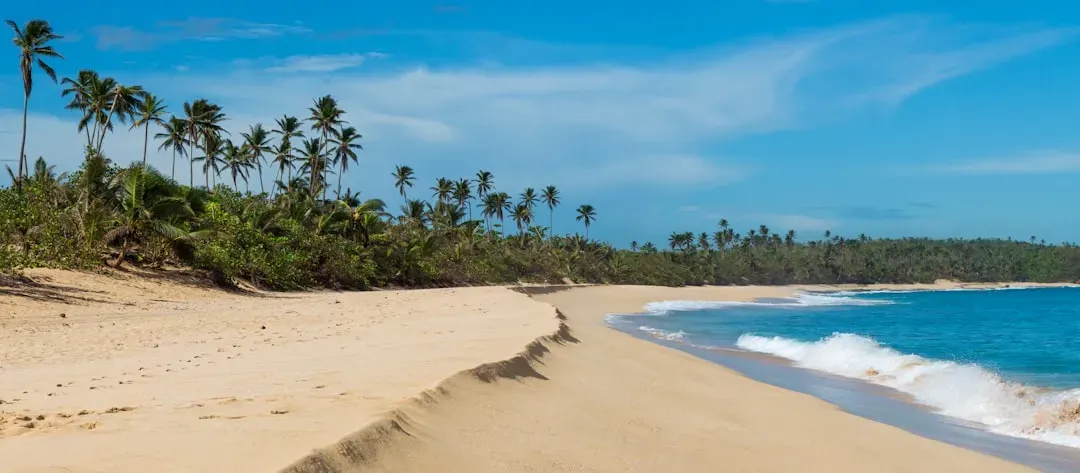
Few islands this size manage to offer as much variety in their shoreline as Puerto Rico does. Puerto Rico's 300-plus beaches span calm turquoise bays that rival Turks and Caicos, world-class surf at Rincón, which hosts international competitions, dramatic cliff-backed strands in the southwest, rare black sand volcanic beaches, protected snorkeling reefs, and hidden local secrets.
Traveling from one coast to another can feel like visiting a different Caribbean island entirely. That range is part of what separates Puerto Rico from many of its neighbors, where beaches, while beautiful, tend to look fairly similar from one stretch to the next.
Here, a surfer chasing swells in Rincón and a family wading into calm water in Luquillo are experiencing entirely different coastlines, both accessible by a single rental car and a short drive.
Final Thoughts
What stands out about Puerto Rico's natural landscape is not any single feature but the sheer proximity of contrasts. A rainforest, a desert, glowing water, and a mountain range all exist within a drive short enough to fit into one afternoon.
Few places offer that kind of range without requiring a passport or a series of flights between destinations. Conservation efforts, from the UNESCO designation at Guánica to the wildlife refuges on Vieques and Culebra, have played a real role in keeping these places intact through hurricanes, development pressure, and decades of tourism growth.
The island's natural beauty is not static scenery so much as a set of living systems that have proven, repeatedly, capable of recovering when given the chance.
Post a Comment for "The stunning essence of Puerto Rico"