
The thrill of discovering new places
The Psychology of Novelty and the Human Desire for Exploration
There is a particular kind of alertness that comes over people the moment they step into unfamiliar territory. The senses sharpen a little, the eyes work harder, and even mundane things like a street sign or a corner shop suddenly seem worth noticing. This isn't just a poetic notion. Psychologists have long studied how novelty affects attention and mood, and the short answer is that new environments genuinely change how our brains process the world around us.
Travel writers have romanticized this feeling for centuries, but you don't need a plane ticket to experience it. Whether it's a neighborhood three miles from home or a country halfway across the globe, the pleasure of discovery follows a similar pattern. This piece looks at why that pattern exists, what research says about it, and how people are chasing it in different ways as we move through 2026.
Why New Places Trigger a Mental Reset

When the brain encounters something unfamiliar, it releases dopamine, the same neurotransmitter tied to reward and motivation. This isn't limited to grand adventures. Neuroscientists have found that novelty itself, regardless of scale, activates regions of the brain associated with learning and pleasure, which is part of why even a short walk down an unexplored street can feel oddly satisfying. Researchers studying the hippocampus, the brain's memory center, have noted that novel environments prompt it to work overtime, essentially building new maps as we go.
This process is thought to be linked to why memories from trips or unfamiliar outings tend to stick with people longer than routine days. The mental reset isn't just a feeling; it's an active, measurable process happening in real time.
The Rise of "Micro-Adventures" Close to Home
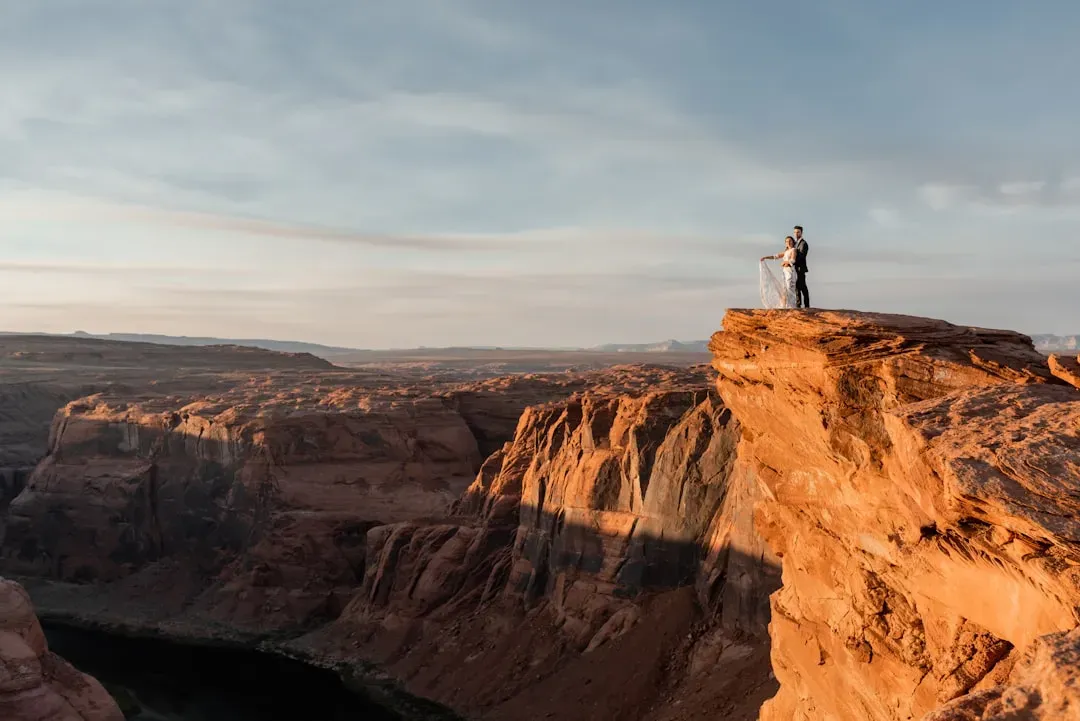
Over the past couple of years, travel platforms and lifestyle publications have documented a shift toward smaller, local forms of exploration, often described as micro-adventures. These are short outings, sometimes just an afternoon, focused on visiting a park, trail, or town that a person has never been to before.
The appeal lies in accessibility: no flights, no elaborate planning, just a deliberate choice to see something unfamiliar. This trend has been especially visible among younger travelers balancing tighter budgets with a continued desire for new experiences. Several 2025 travel industry reports pointed to rising interest in "slow travel" and nearby exploration as costs for international trips remained elevated. The idea isn't to replace bigger trips, but to fill the gaps between them with something that still feels fresh.
What Getting Lost Actually Teaches Us

There's a reason getting mildly lost in a new city often becomes a favorite story rather than a regret. Without a clear destination, people tend to notice more, ask more questions, and interact with locals in ways that a fixed itinerary doesn't allow. Wandering, in this sense, becomes less about the wrong turn and more about the unexpected discovery for many travelers.
Urban planners have picked up on this too, and cities from Copenhagen to Melbourne have started designing walkable districts specifically to encourage this kind of unstructured discovery. Wide sidewalks, mixed-use blocks, and reduced car traffic all contribute to environments where wandering feels safe and rewarding rather than stressful. The design choice reflects a broader understanding that exploration doesn't need a plan to be meaningful.
How Technology Is Changing the Way We Discover
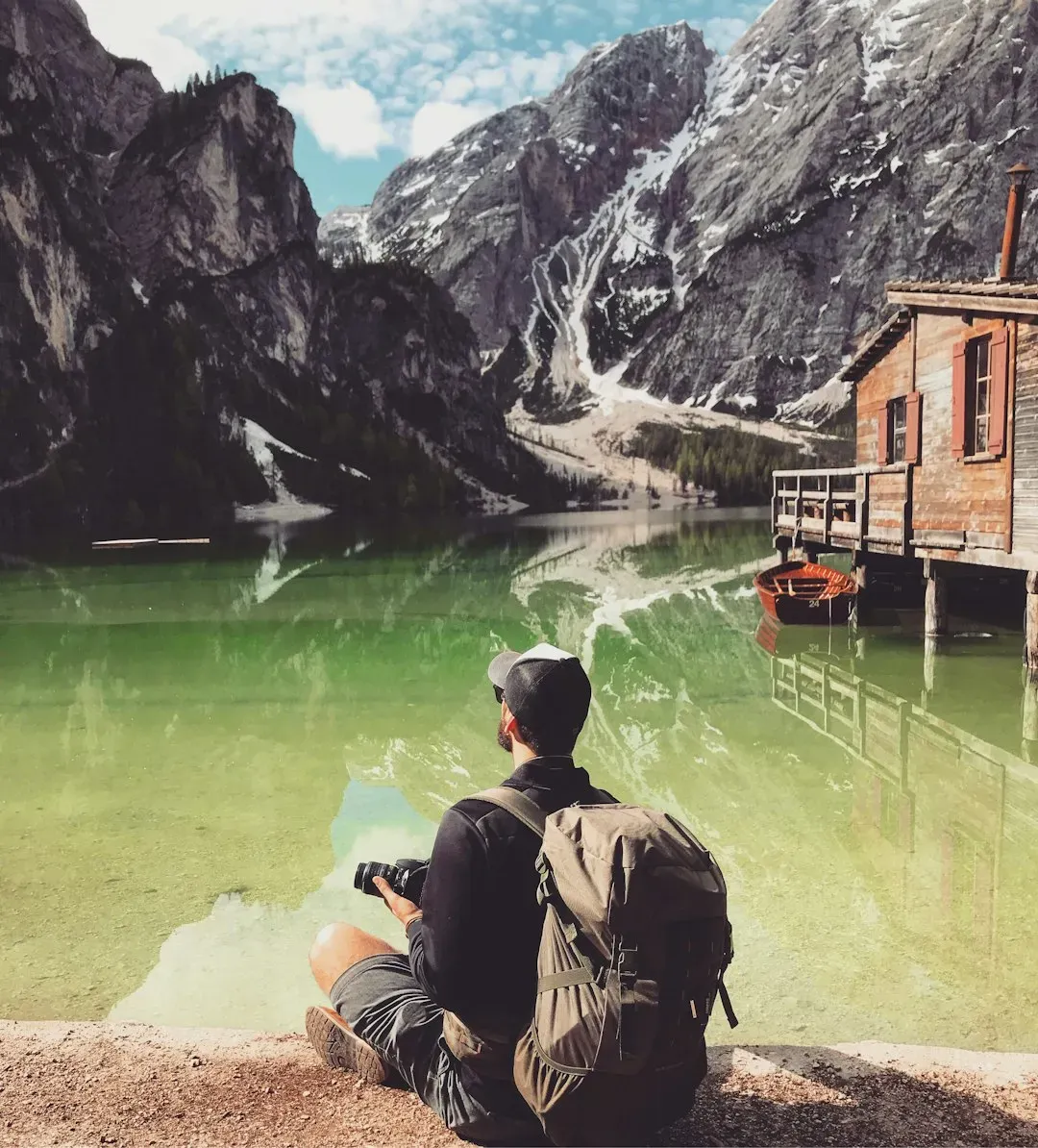
Smartphones have transformed exploration in ways that are both helpful and, at times, limiting. Apps offering real-time translation, offline maps, and crowd-sourced reviews make it easier than ever to step into an unfamiliar place with confidence. At the same time, some travelers in 2026 are consciously choosing to unplug, at least partially, to preserve the sense of surprise that constant navigation apps can erode.
This tension has led to a small but noticeable countertrend: intentionally analog travel. Paper maps, printed guidebooks, and asking locals for directions have become a deliberate choice for some rather than a fallback. The goal isn't nostalgia so much as preserving the uncertainty that makes discovery feel genuine.
The Social Side
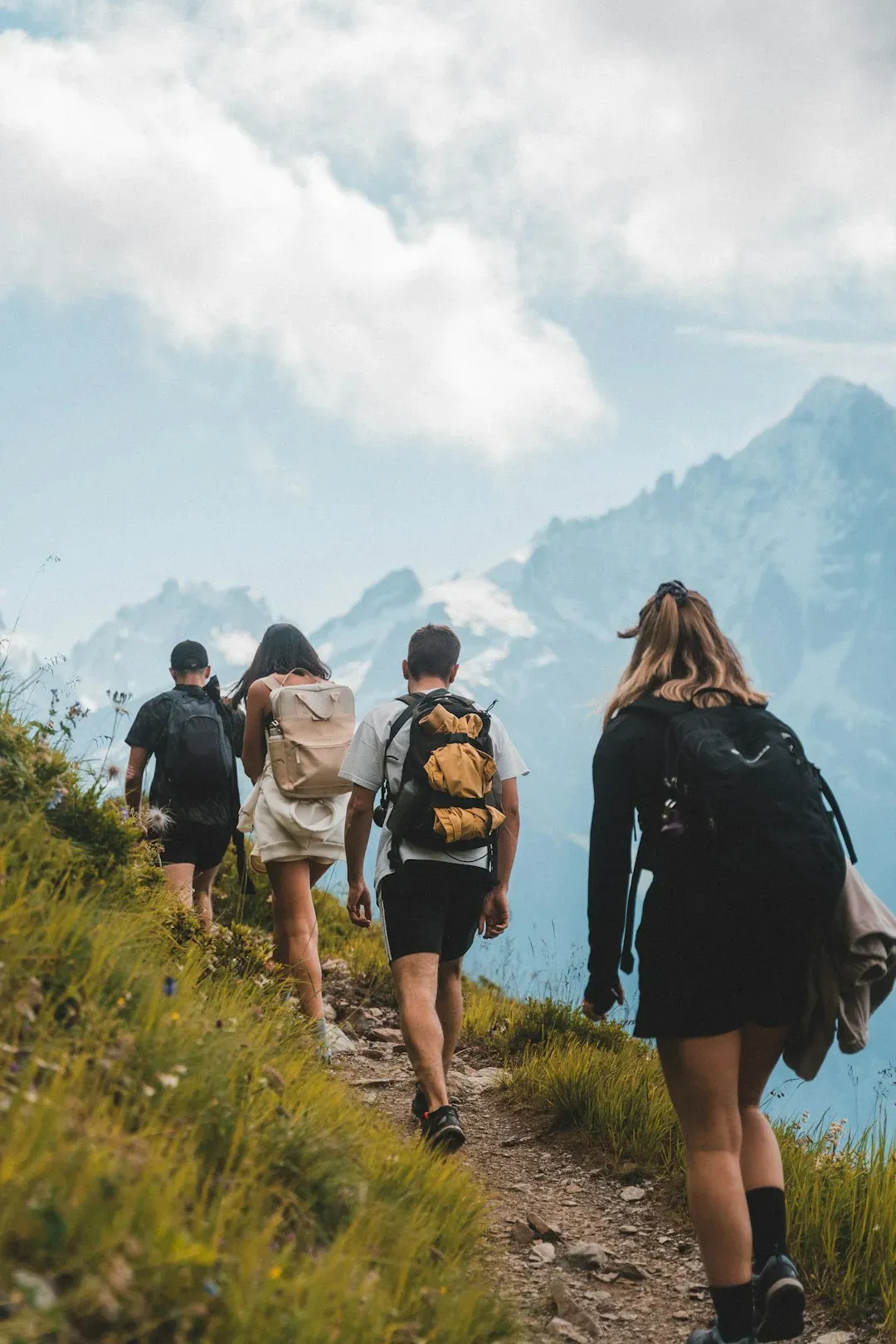
New places tend to lower some of the usual social barriers. Striking up a conversation with a stranger feels more natural in an unfamiliar market or trailhead than it might on a routine commute. Shared novelty, even briefly, creates a kind of common ground that makes people more open than usual.
This effect has been leveraged by hostels, walking tour companies, and community meetup groups, many of which specifically market themselves around shared discovery rather than sightseeing alone. Group travel platforms have reported steady growth in interest for small-group, locally guided experiences over large bus tours. The appeal seems to be less about efficiency and more about the connection that comes from exploring together.
Exploring Somewhere New as a Mental Health Practice

Mental health professionals have increasingly pointed to novelty and environmental change as tools that can support emotional wellbeing. Breaking routine, even in small ways, is often cited as a technique for interrupting negative thought patterns and boosting mood. This doesn't require a vacation; a new route to work or an unfamiliar café can serve a similar function.
Some therapists now incorporate "environmental novelty" as part of broader recommendations for managing stress or mild anxiety. The logic follows research on behavioral activation, a therapeutic approach that encourages engaging with new or previously avoided activities to improve mood. It's a modest, accessible strategy compared to more intensive treatments, but one that many find easy to build into daily life.
Food as a Gateway to New Places

For many travelers, food is often the first and most memorable point of contact with an unfamiliar place. A street vendor, a family-run restaurant, or a local market can reveal more about a culture in twenty minutes than hours of sightseeing sometimes can. This is part of why culinary tourism has remained one of the fastest-growing travel categories in recent years.
Food-focused exploration has also proven to be one of the more affordable ways to experience novelty, since a meal typically costs far less than a major excursion or activity. Local guides and food tour operators have expanded significantly since 2023, particularly in mid-sized cities that previously saw less tourist attention. This shift has helped spread economic benefits beyond the usual major tourist hubs.
The Environmental Side of Exploration
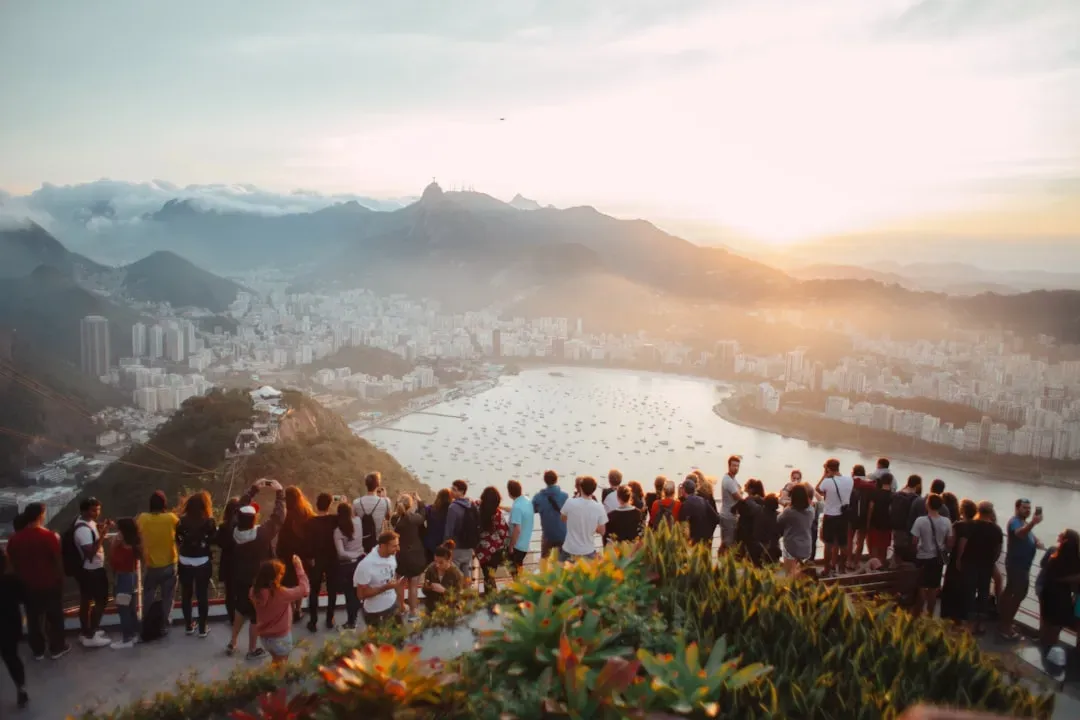
As interest in travel and exploration grows, so does attention to its environmental footprint. Sustainable tourism has become a significant talking point heading into 2026, with many destinations introducing visitor caps, eco-certifications, or fees aimed at managing tourist impact. Popular sites in places like Venice and parts of Southeast Asia have adjusted entry policies specifically to address overcrowding.
This has pushed some travelers toward exploring lesser-known destinations rather than repeatedly visiting the same popular spots. The appeal is twofold: reduced environmental strain and a genuinely different experience, since lesser-visited areas often retain more of their original character. It reflects a broader shift where the joy of discovery is increasingly tied to responsibility as well as curiosity.
Exploration Across Different Life Stages
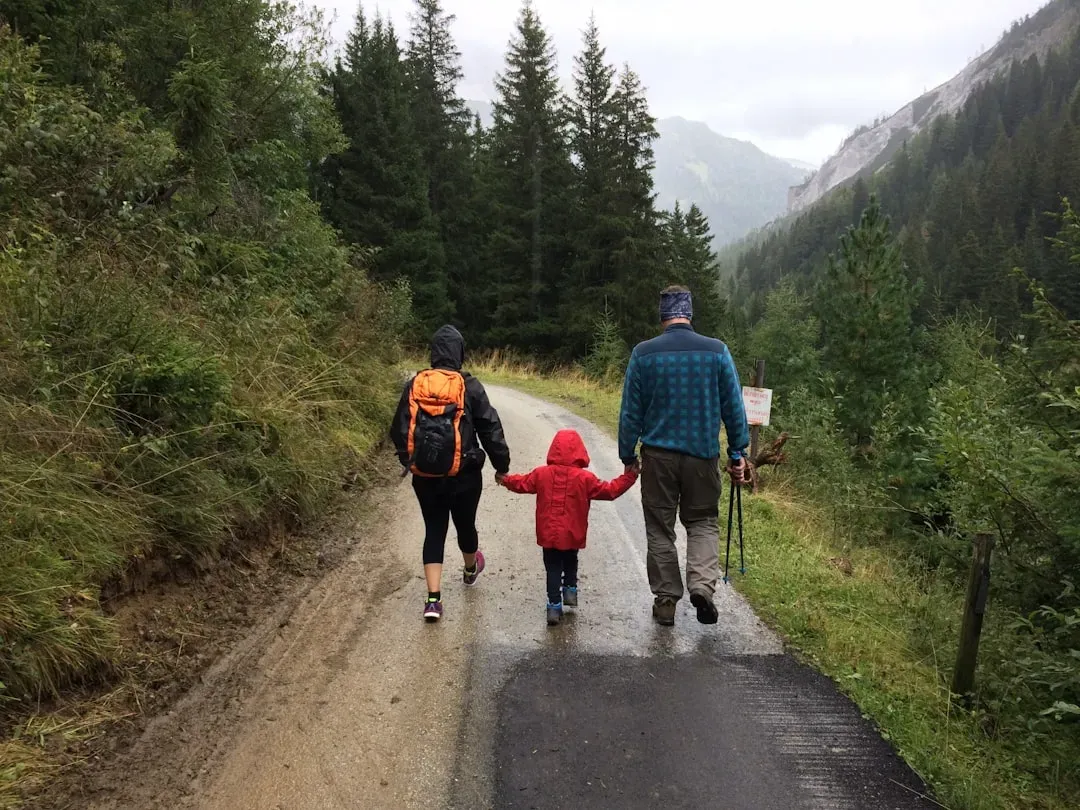
The way people explore new places often shifts significantly with age and circumstance. Younger travelers frequently prioritize spontaneity and social experiences, while older travelers tend to favor depth, planning, and comfort. Neither approach is more valid, but the differences shape everything from destination choice to daily pacing.
Family travel has also evolved, with more parents intentionally seeking destinations that offer novelty for children without requiring extensive logistics. Educational travel programs, aimed at blending discovery with learning, have grown steadily, particularly for school-aged children during off-peak seasons. This reflects a broader recognition that curiosity, if nurtured early, tends to carry into adulthood.
Why the Feeling Rarely Fades With Repetition
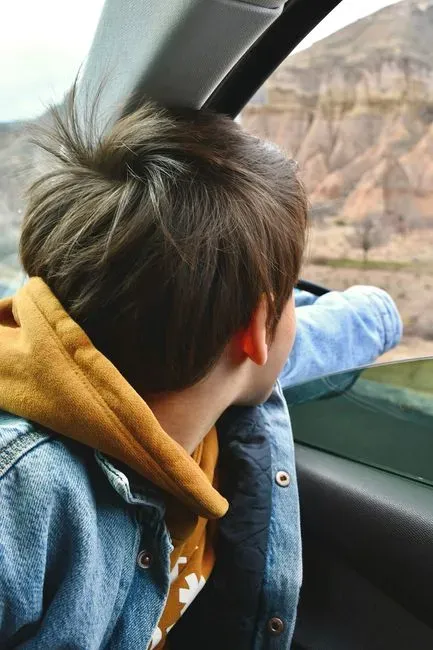
Unlike many pleasures that diminish with repeated exposure, the joy of exploring something new tends to remain remarkably consistent over a lifetime. Each new place offers different sensory details, so the brain rarely experiences the kind of habituation that dulls other rewards. This is part of why frequent travelers often describe the anticipation of a new destination as feeling just as strong as it did years earlier.
Researchers studying novelty-seeking behavior suggest this resilience comes from the fact that no two unfamiliar places are ever truly identical, even if they share similarities. A new city, trail, or even a different section of a familiar town offers just enough variation to reset curiosity. That built-in variability may be the simplest explanation for why the desire to explore rarely disappears entirely, no matter how much a person has already seen.
Post a Comment for "The thrill of discovering new places"