
These 11 Ancient Greek Facts Are Too Wild for My Brain to Believe
A Journey Through the Bizarre and Fascinating History of Ancient Greece
If you've been anywhere near the internet lately, you've probably heard about Christopher Nolan's latest film, The Odyssey. Whether or not you've seen it, its cultural impact is undeniable. In the spirit of the movie, I found myself diving into some of the weirdest historical facts about Ancient Greece. What I discovered was nothing short of mind-bending. From gods devouring their wives to people using urine as a laundry detergent, these stories are sure to leave you questioning everything you thought you knew.
1. Athena Was Born from Zeus’s Head
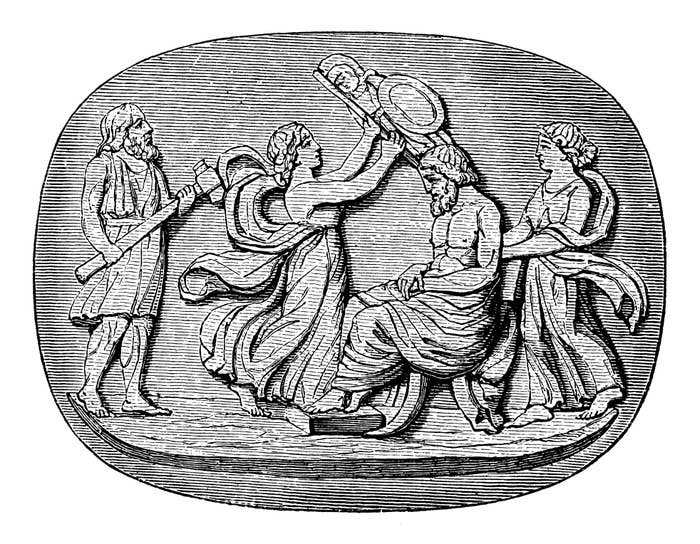
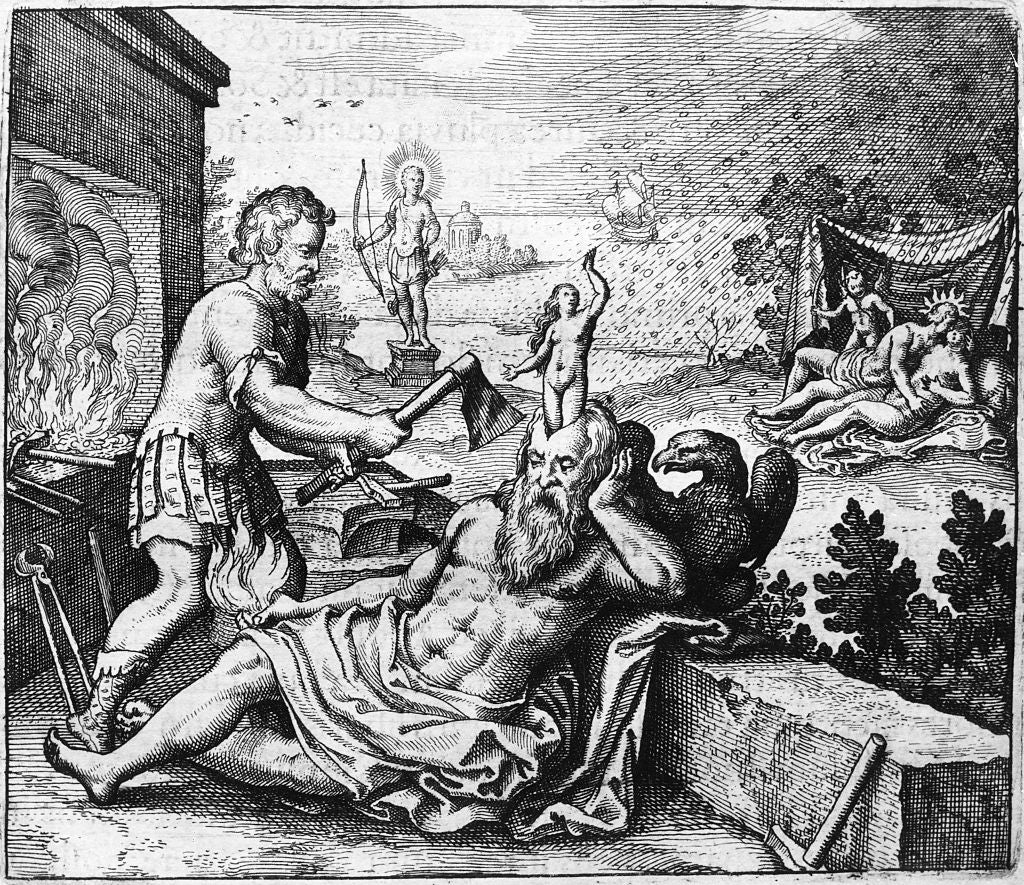
The Greek goddess Athena had one of the most unusual birth stories in mythology. According to legend, she emerged fully grown from her father Zeus’s head. But how did that happen? The myth goes that Zeus swallowed his pregnant wife, Metis, to prevent a prophecy from coming true—that his child would overthrow him. Unfortunately for Zeus, this decision led to a severe headache. To relieve the pain, he called on Hephaestus to split his head open. Out came Athena, fully armored and ready for battle. That’s one way to make an entrance!
2. Curse Tablets Were Used for Revenge
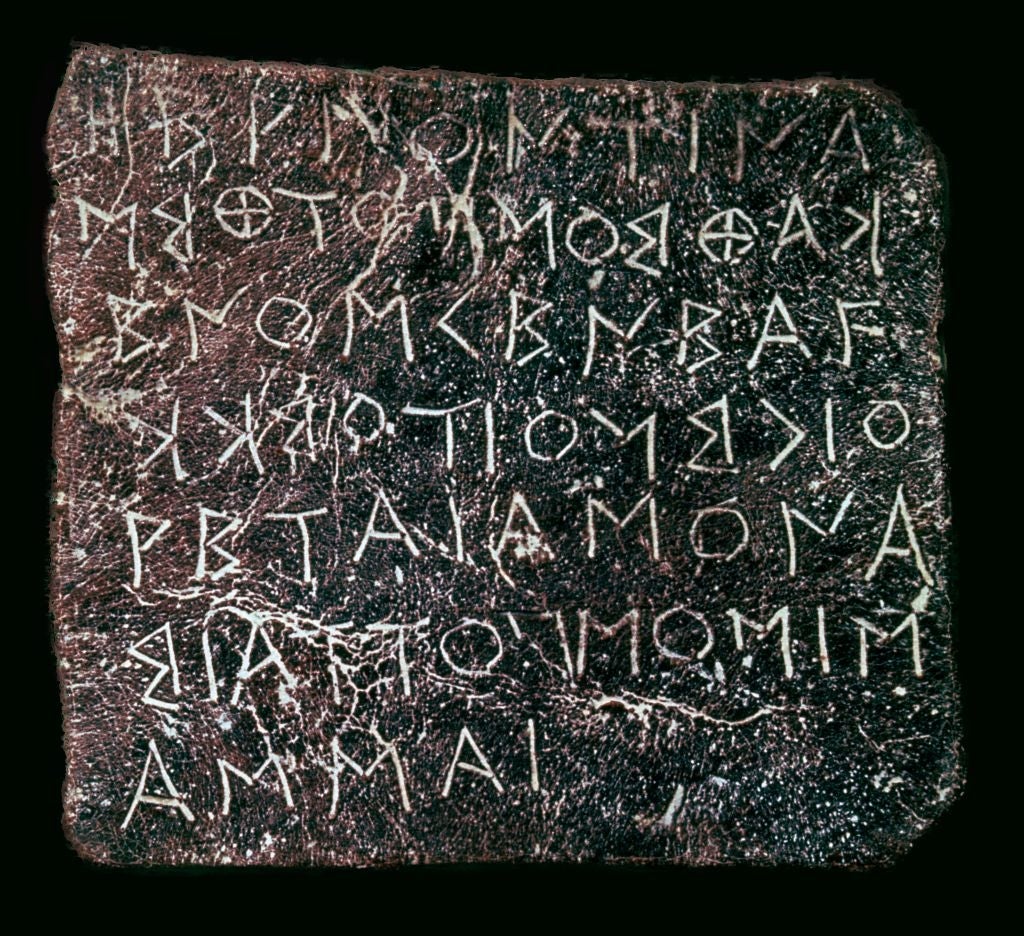
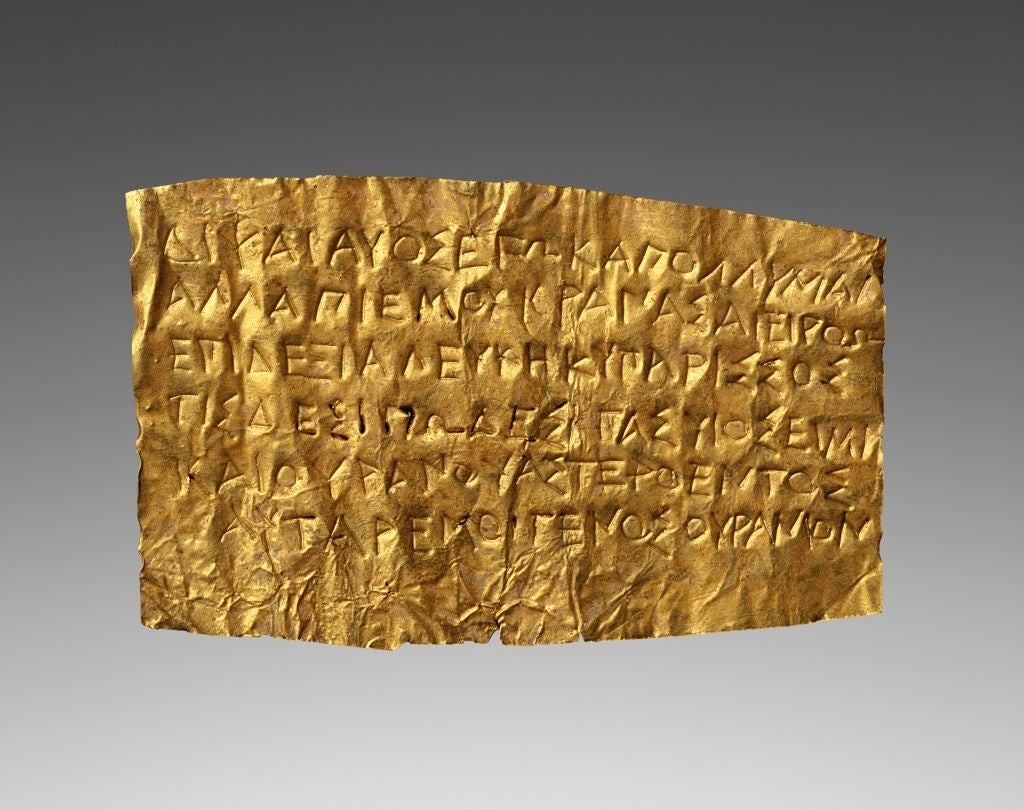
In Ancient Greece, if you wanted to get back at someone, you could use something called a "curse tablet." These were thin sheets of lead on which people wrote their wishes for their enemies—essentially, a magical bad wish. They'd fold them up and bury them in graves or wells, believing these places were gateways to the Underworld. By doing so, they hoped the gods below would take action against their enemies. It was like sending a letter with a supernatural delivery service.
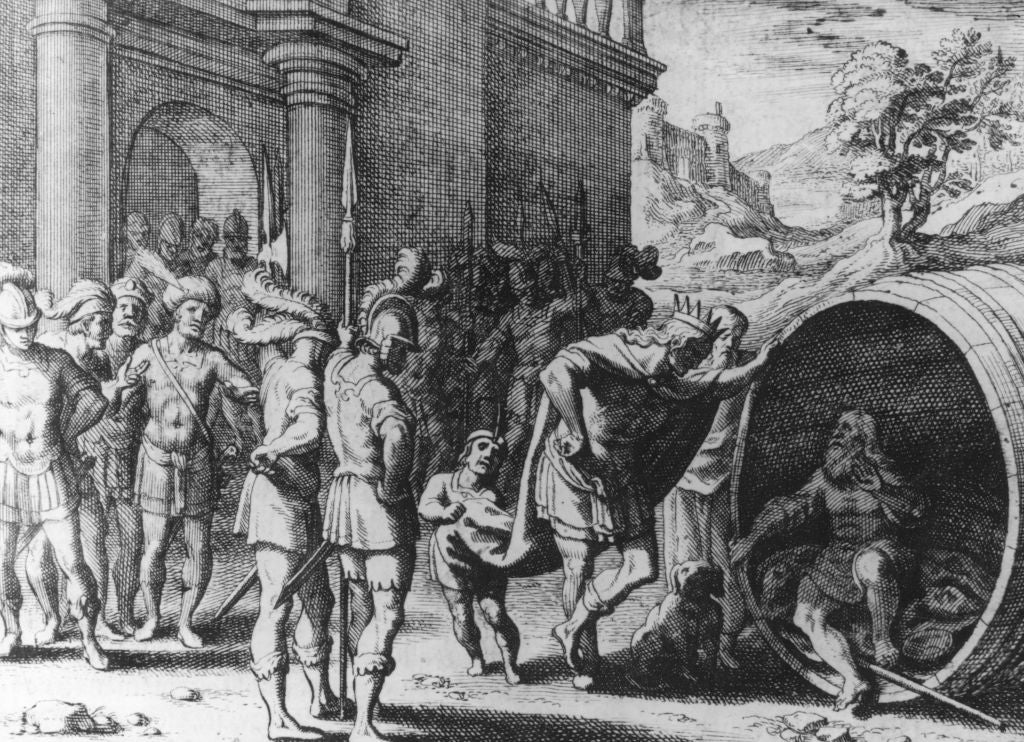
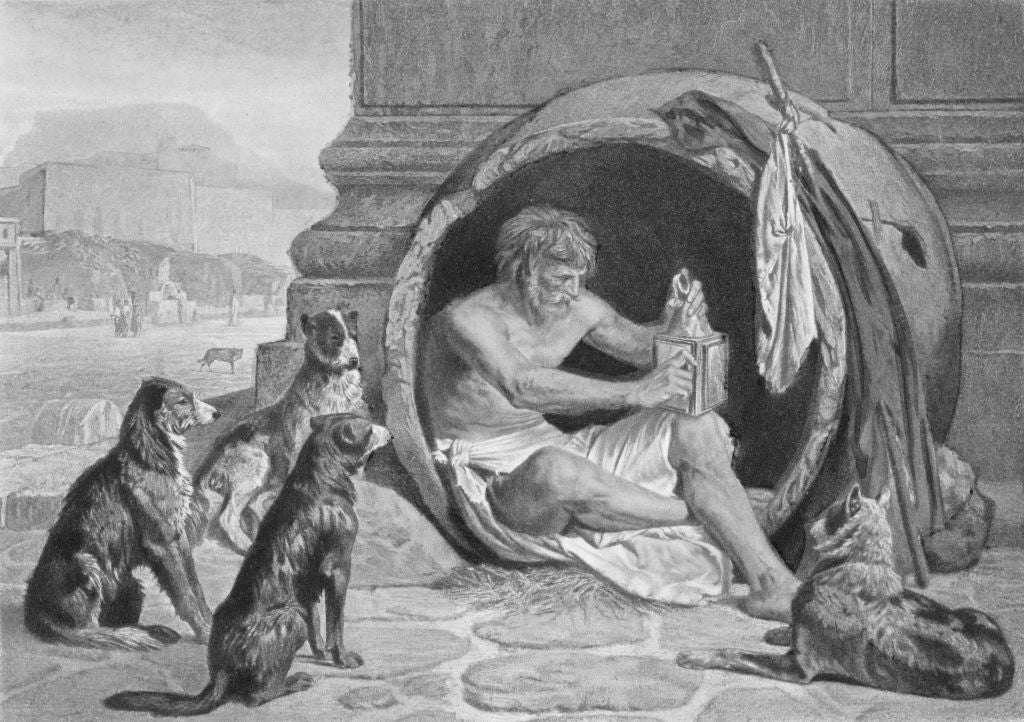
3. Diogenes Lived in a Barrel
One of the most famous philosophers of Ancient Greece, Diogenes of Sinope, lived in a barrel by choice. He rejected wealth and social norms, even going so far as to urinate in public and walk barefoot through the snow. His philosophy was based on living in harmony with nature, though some might argue he just didn’t have a proper home.
4. Soldiers Trained Naked
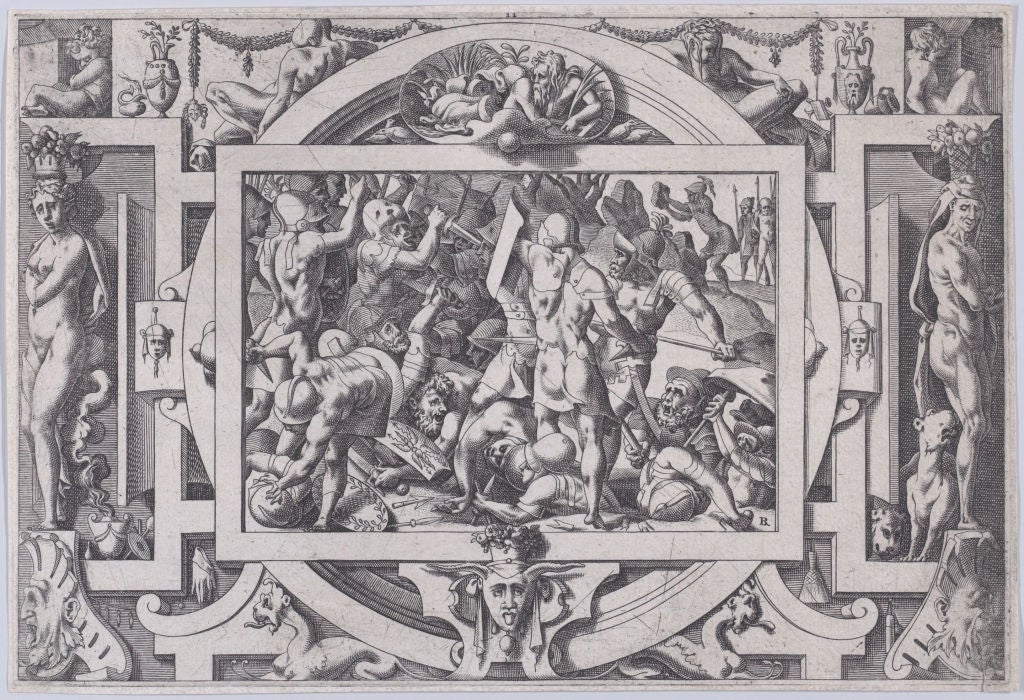
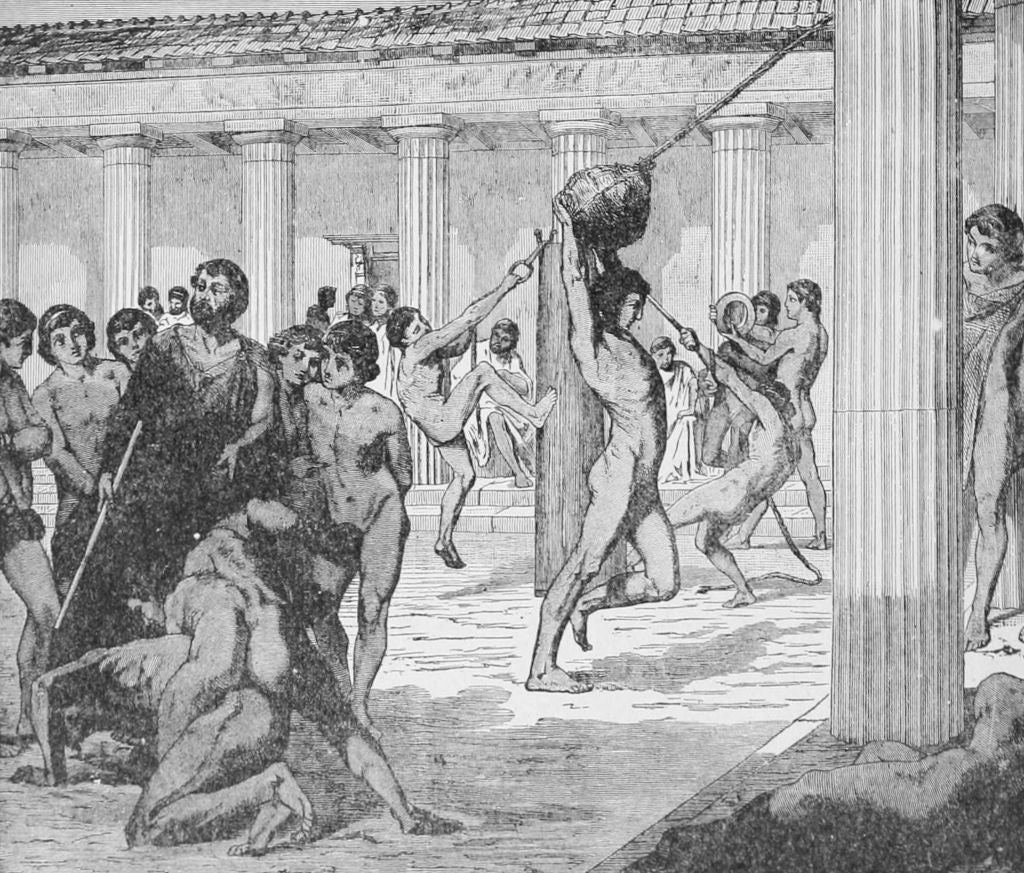
In Ancient Greece, physical training camps often involved exercising completely naked. This practice gave rise to the word "gymnastics," which comes from the Greek word gymnazein, meaning "to exercise naked." Training included activities like tumbling, rope climbing, running, and wrestling. The idea was to remove social status and focus on athleticism, all while honoring the gods.
5. Urine Was Used as a Stain Remover
Believe it or not, ancient Greek launderers used urine to clean clothes. Urine contains ammonia, which can act as a natural stain remover. Fullers, or professional launderers, collected urine from street corners and let it sit until it broke down into ammonia. They then mixed it with water to wash clothes before rinsing them thoroughly to remove the smell.
6. Greek Gods Were Known for Their Petty Behavior
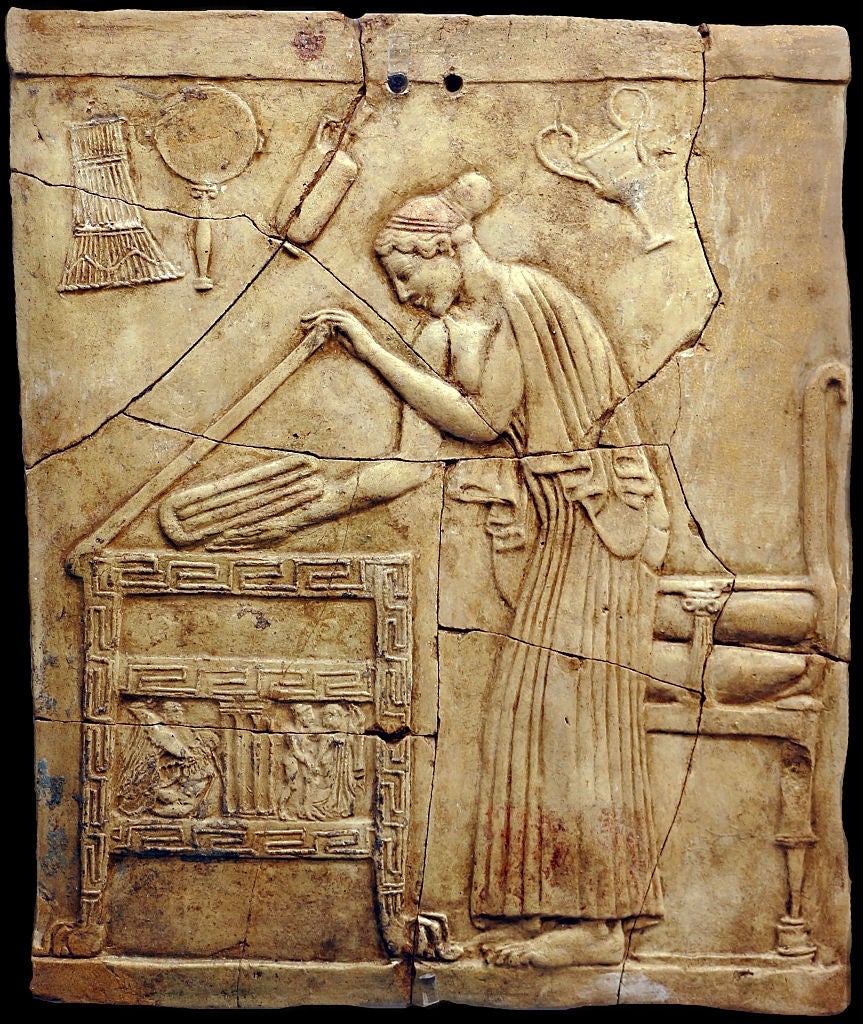
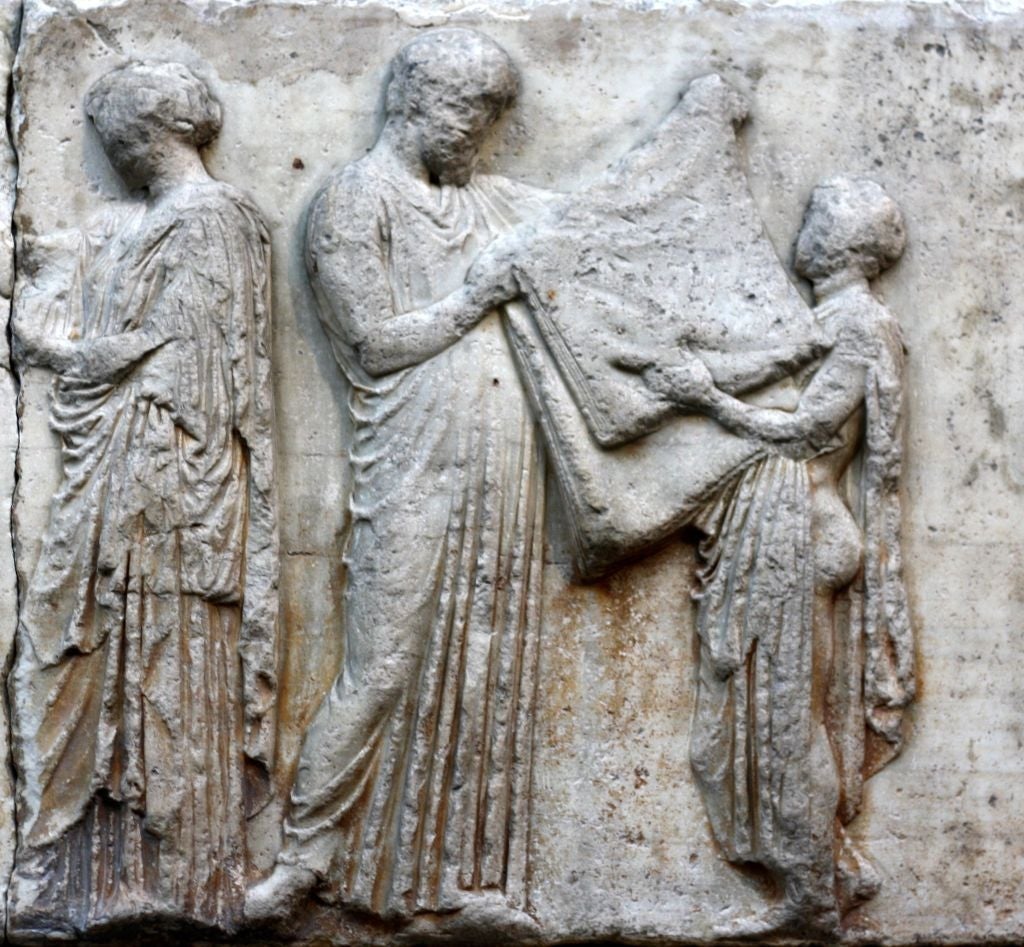
The Greek gods were not known for their patience or kindness. They were notorious for being petty, often punishing people over trivial matters like refusing a marriage proposal or accidentally seeing them naked. Their divine tantrums were frequent, and it was wise to avoid angering them at all costs.
7. Professional Mourners Existed
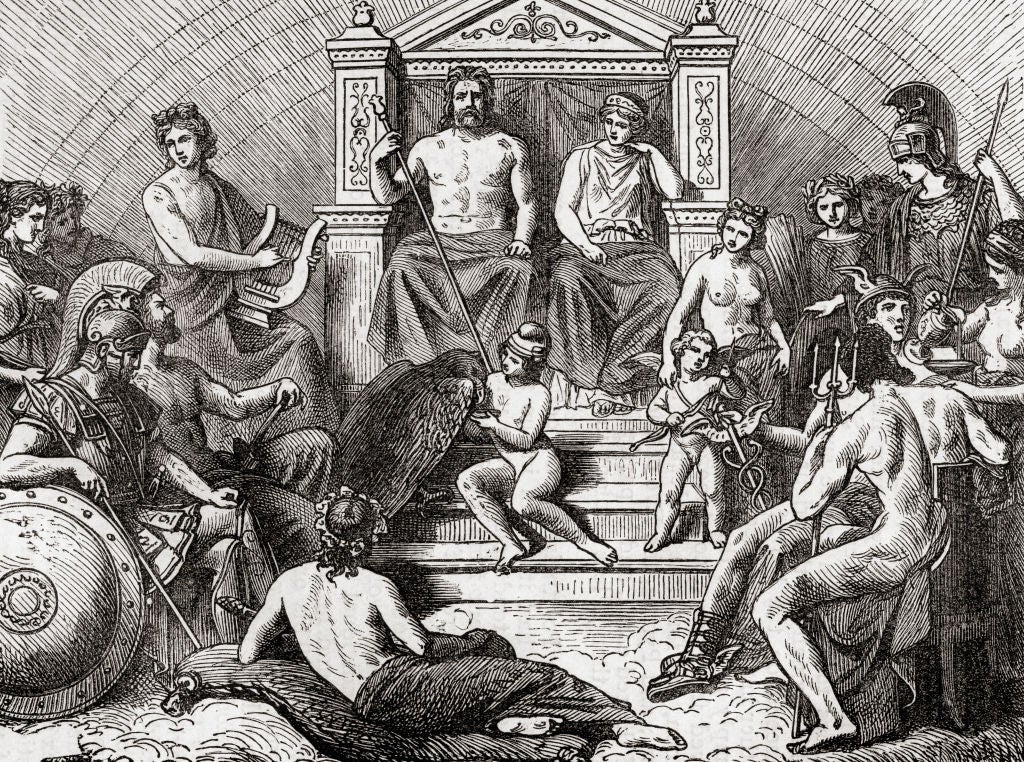
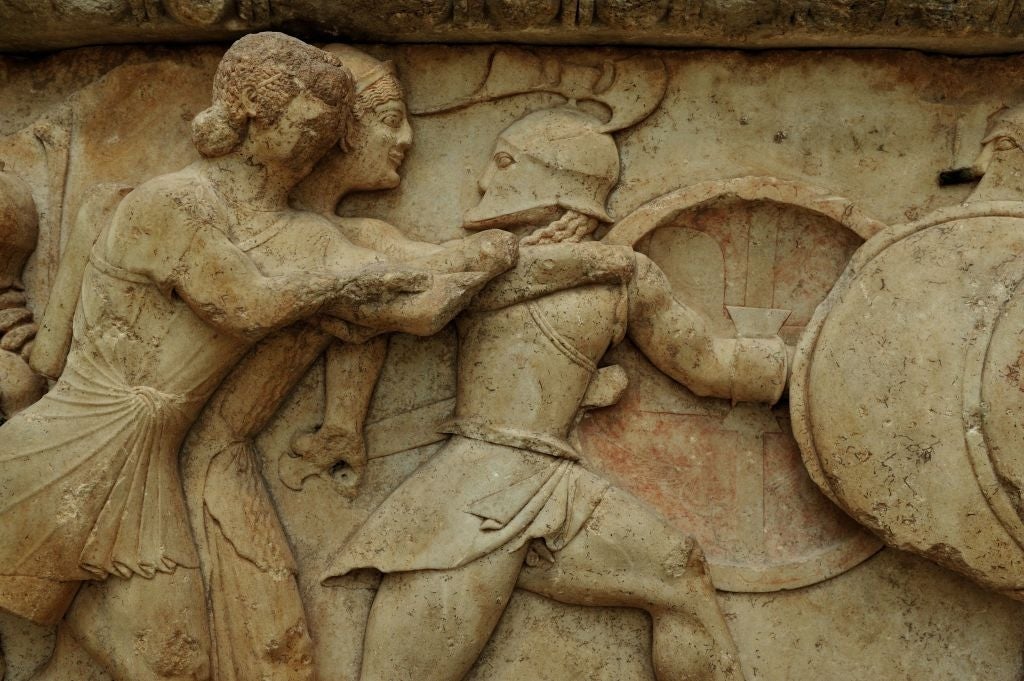
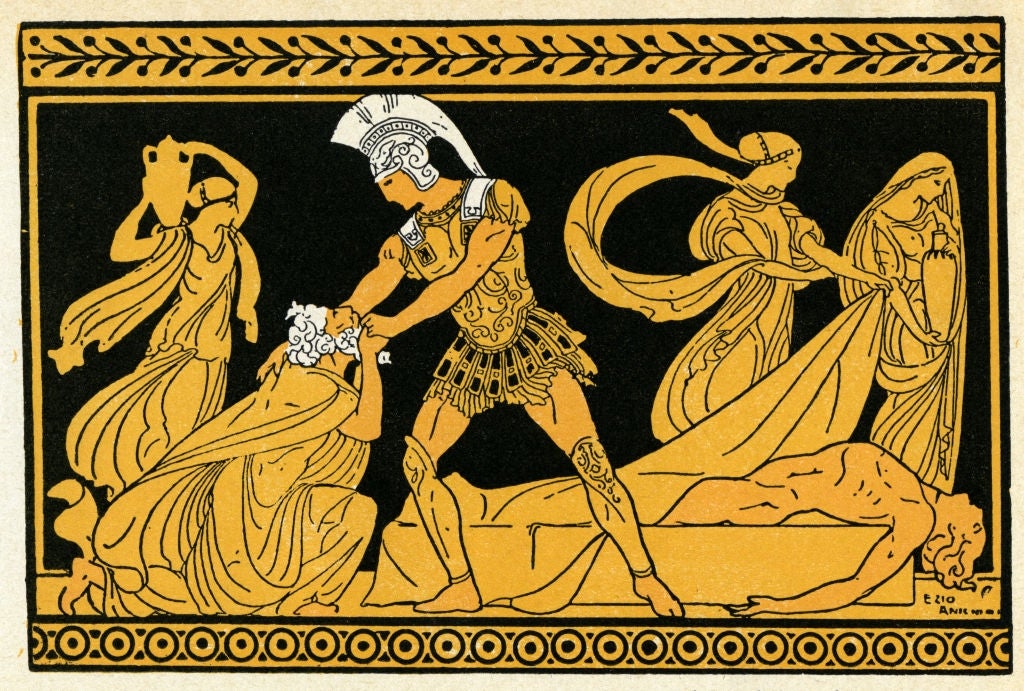
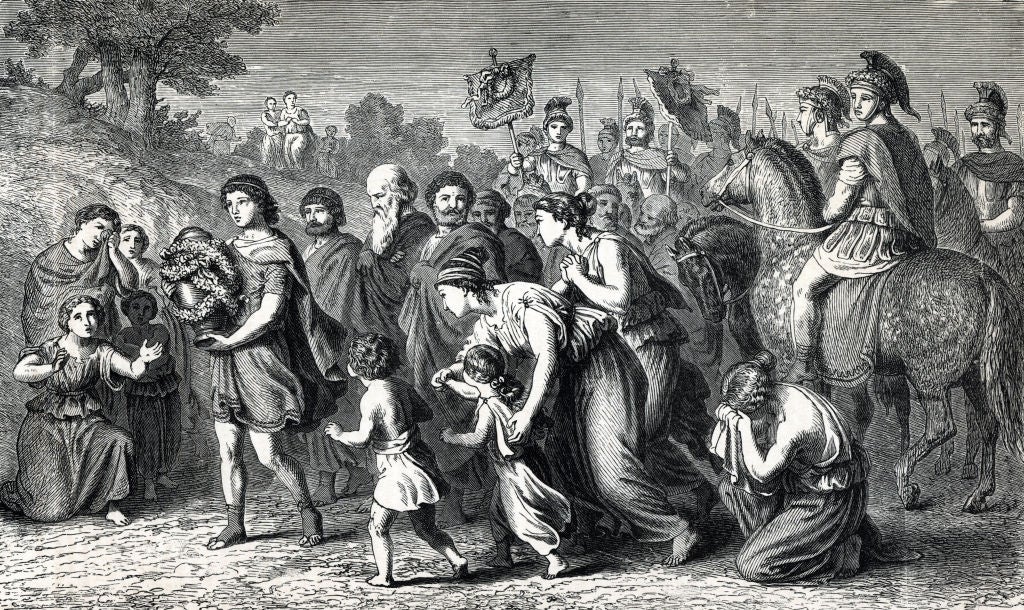
In Ancient Greece, families sometimes hired women to cry, sing, and grieve at funerals. These professional mourners were considered ritual experts who helped announce the arrival of a soul to the Underworld. Their dramatic performances served as a kind of alarm clock for the gods.
8. Athens Had a System for Exiling People
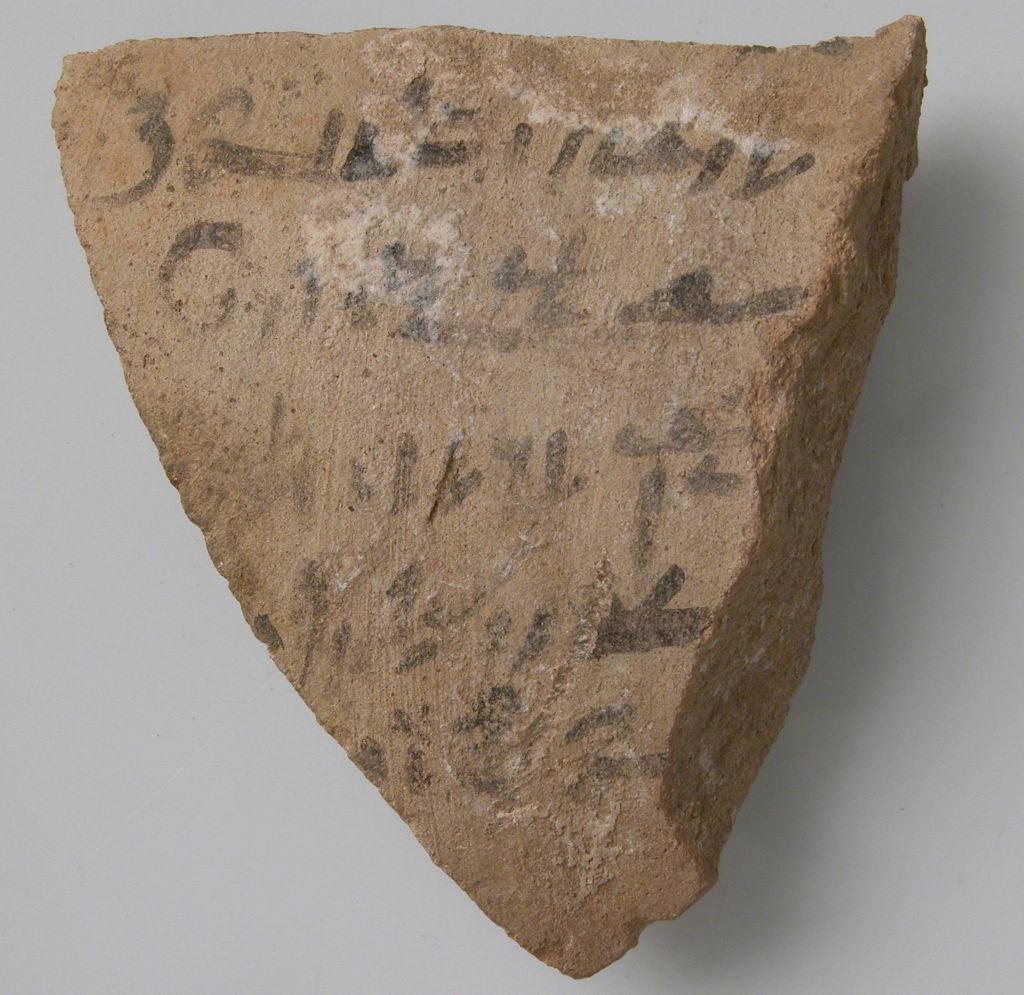
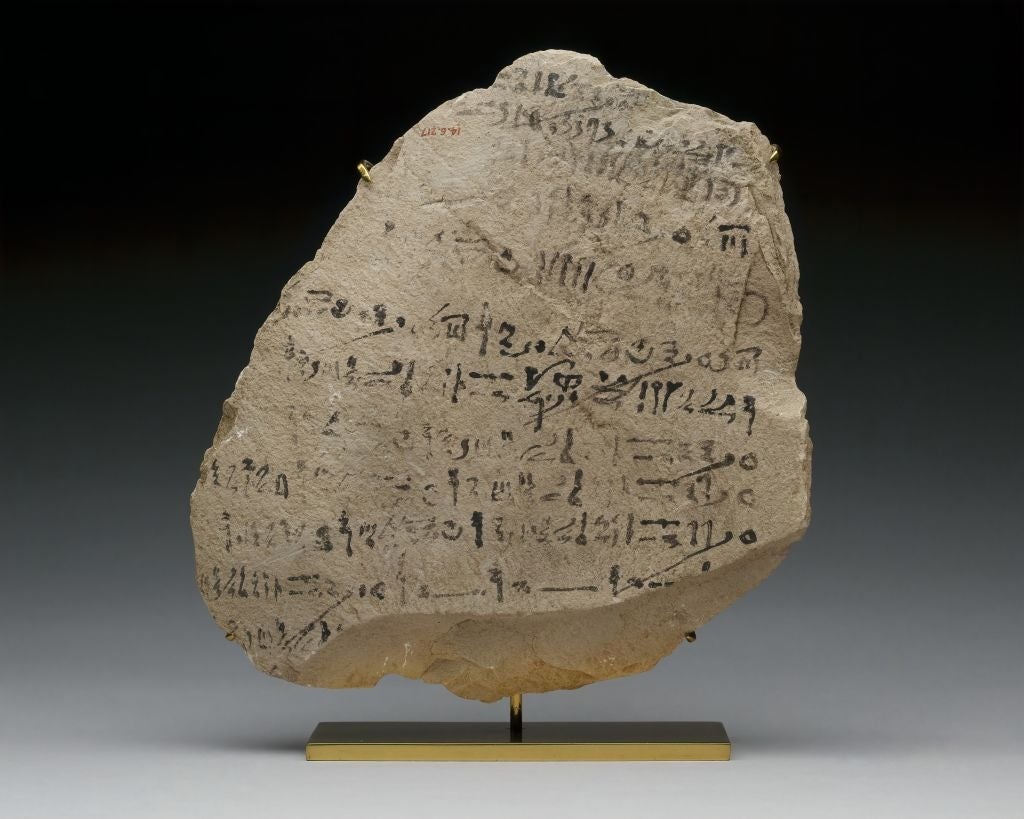
Ancient Athens had a process called ostracism, where citizens could vote to banish someone they disliked. They would write names on pottery shards, and if enough votes were cast, the person would be exiled for 10 years. This system allowed the city to remove individuals without resorting to violence.
9. Sleep and Death Were Siblings
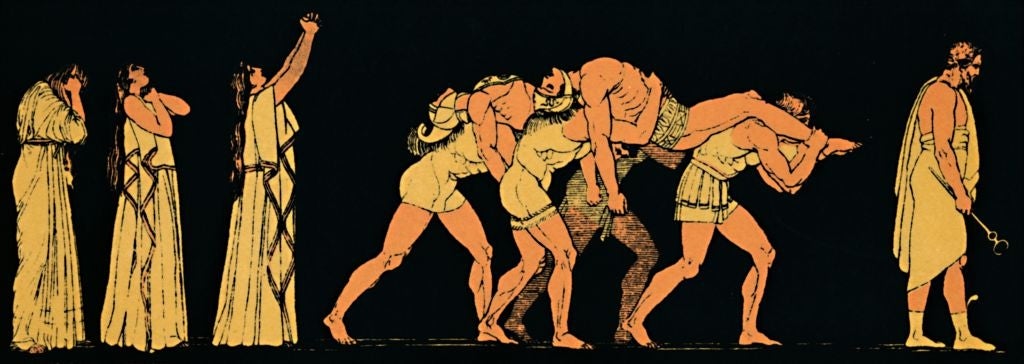
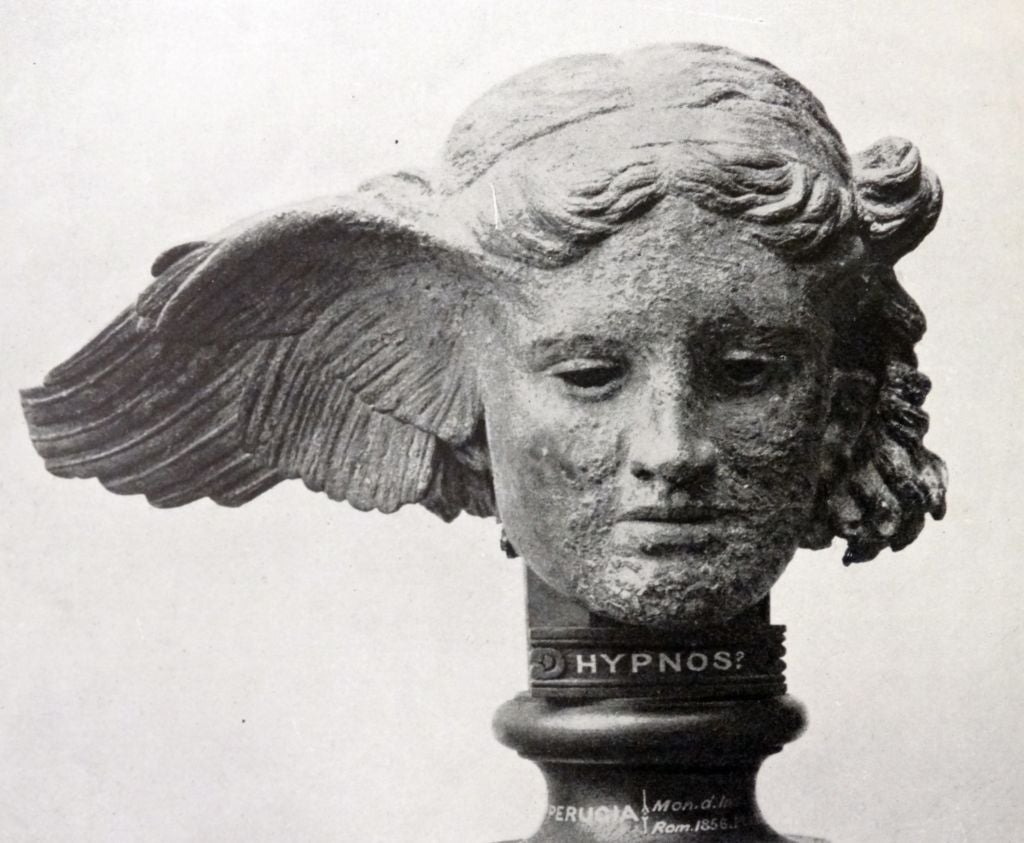
Hypnos, the god of sleep, and Thanatos, the god of death, were twin brothers. Ancient writers often compared sleep to a temporary form of death, highlighting the similarities between the two states. It was a poetic way to think about the rest we get each night.
10. Greek Statues Were Once Colorful
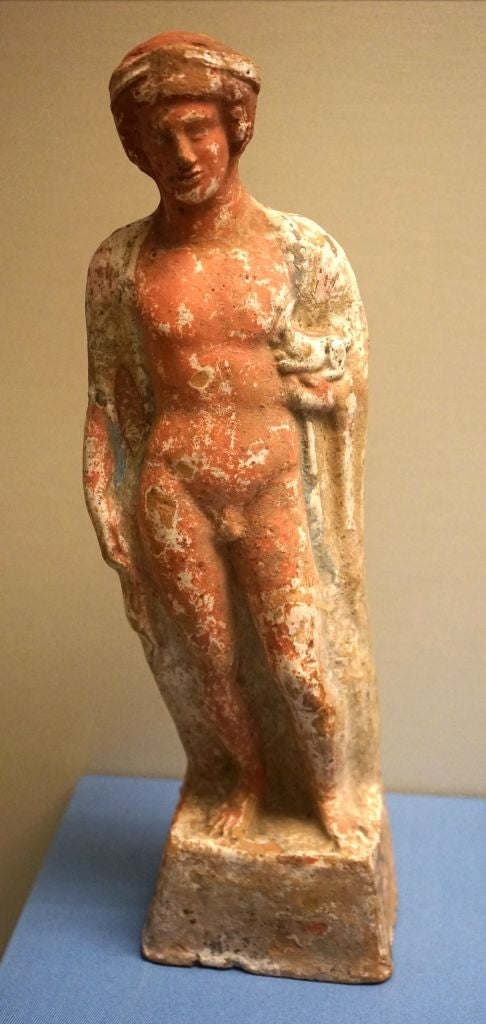
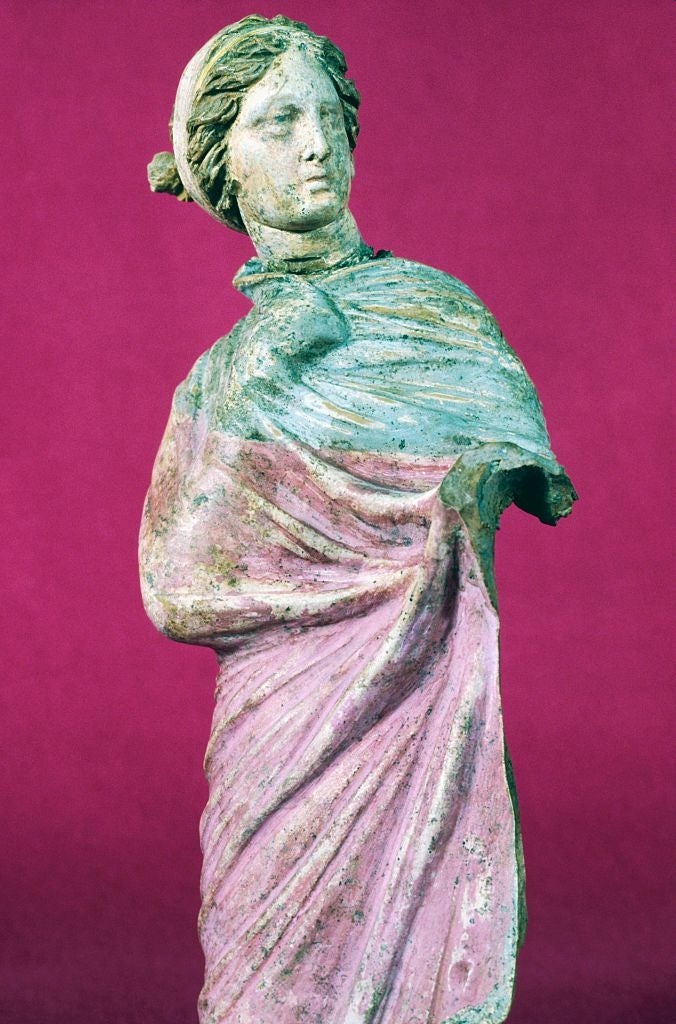
Contrary to what we see today, Greek statues were originally painted in bright colors. Over time, the paint faded and fell off, leaving behind the smooth white marble we associate with classical art. The vibrant hues were a reflection of the culture's artistic traditions.
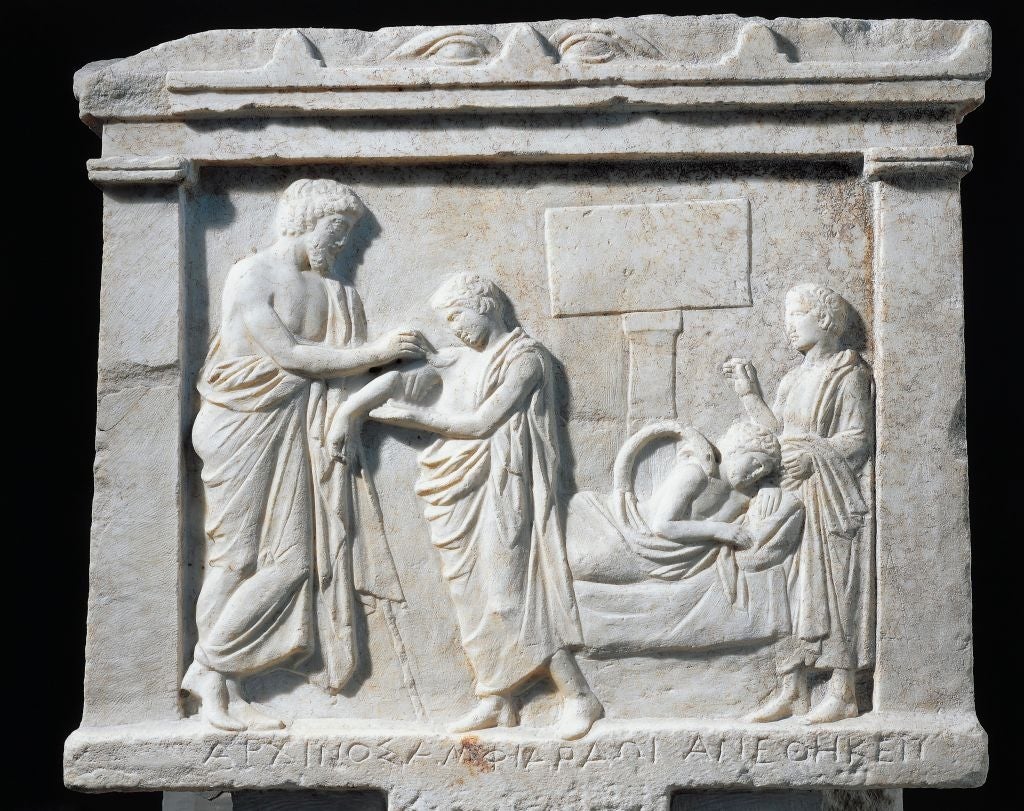
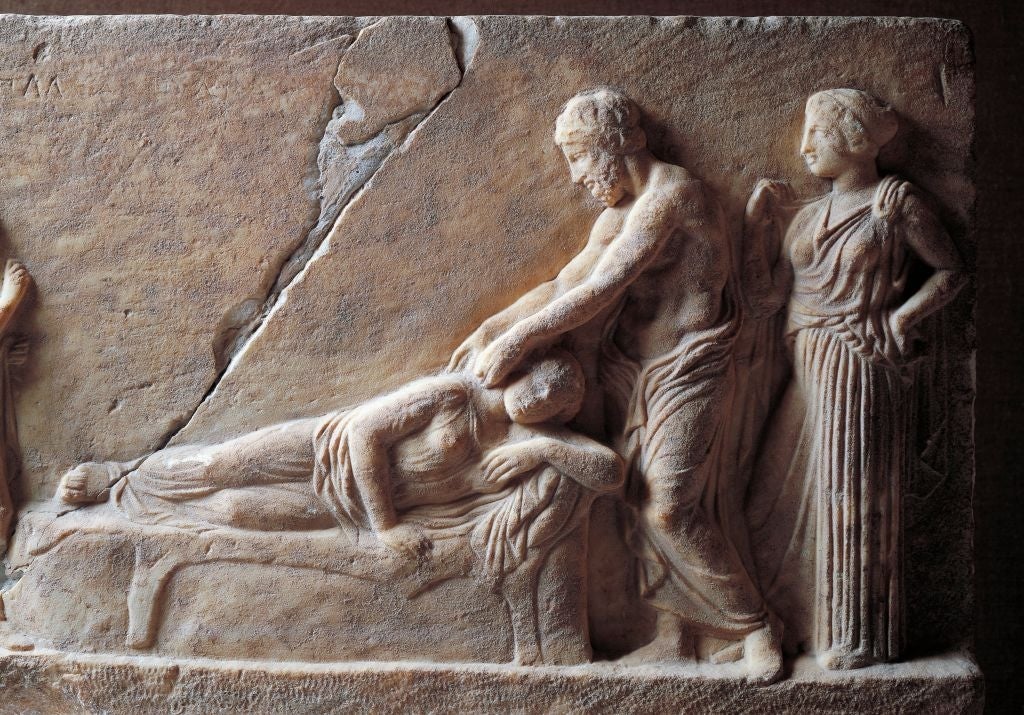
11. Ancient Doctors Used Unconventional Methods
Ancient Greek doctors employed strange medical practices, including bloodletting. They believed illness resulted from an imbalance of four humors: blood, phlegm, black bile, and yellow bile. Bloodletting was meant to restore balance by draining blood through cuts or leeches. While this method seems bizarre by modern standards, it was a common practice in ancient times.
Post a Comment for "These 11 Ancient Greek Facts Are Too Wild for My Brain to Believe"