
Top 4 Overrated and Overpriced Travel Spots — Plus Better Alternatives
The Rise of Overhyped Destinations
Social media has transformed certain travel spots into must-visit destinations, but the reality often falls short of the Instagram-perfect images. While these popular places draw massive crowds and high prices, there are equally stunning alternatives that remain under the radar. These hidden gems offer similar beauty without the overwhelming tourist traffic or exorbitant costs.
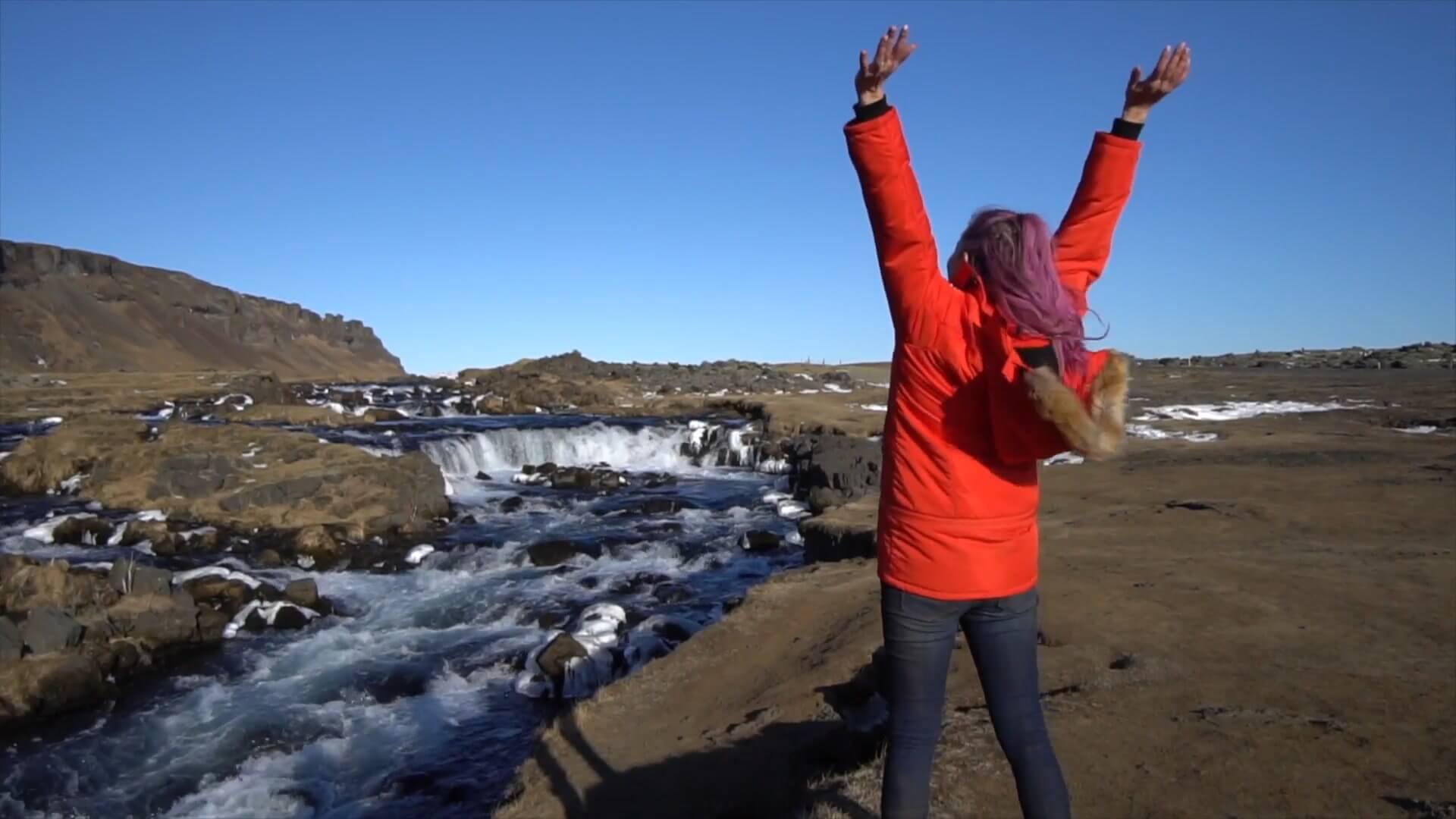
Instead of Iceland, Visit the Faroe Islands
Iceland has become a top destination for travelers seeking dramatic landscapes, but its popularity comes at a cost. In 2025, the country welcomed 1.8 million tourists despite high expenses and the closure of budget airlines like Play. Housing shortages have emerged as locals face rising rents and Airbnb conversions that make living in the country difficult.
The government is considering higher tourist taxes to manage the environmental impact, while hotel stays can exceed $200 per night. Meals in restaurants range from $50 to $70, and rental cars start around $100 daily. The Faroe Islands, located halfway between Scotland and Iceland, provide a similar experience with far fewer visitors.
This archipelago of 18 islands has only 50,000 residents and sees significantly fewer tourists. Flights from Copenhagen cost around $300 round-trip, and from Reykjavik about $200. Ferry service from Denmark starts at $120 one-way. Car rentals run about $80 to $90 daily, comparable to Iceland, but accommodation costs less. Hostels start under $30 per night off-season, and subsidized ferries between islands cost as little as $3.
The Faroe Islands charge hiking fees to preserve trails, but ferries and public buses remain affordable due to government subsidies. You won’t find the massive tour infrastructure of Iceland, which means fewer crowds at natural sights and more authentic interactions with locals.
Instead of Tulum, Visit Bacalar
Tulum, Mexico, has seen a decline in hotel occupancy, dropping to 49.2% in September 2025 compared to 66.7% the previous year. While the town remains popular, it has shifted from a backpacker haven to a luxury destination. Exclusive beach clubs now charge $20-plus for day access to beaches that used to be free, and boutique hotels push prices from $300 to $500 per night.
Bacalar, located 100 miles south of Tulum, offers a laid-back vibe similar to what Tulum had 15 years ago without the crowds or inflated prices. This small town sits on the Lagoon of Seven Colors, a freshwater lake with crystal-clear water and seven shades of blue and green.
You can reach Bacalar via the Tren Maya from Tulum for $7 to $50 depending on class or take a three-hour ADO bus. The town remains walkable, taxis are affordable, and food costs significantly less than in Tulum. Hotels and guesthouses start around $40 to $50 per night, while restaurants serve meals for $10 to $15 instead of Tulum’s $30 to $50 plates.
Bacalar emphasizes sustainable tourism with no massive hotels or all-inclusive resorts, making it an ideal alternative to Tulum.
Instead of the Maldives, Visit Zanzibar or Palawan
The Maldives is known for overwater bungalows and crystal-clear waters, but the experience comes at a steep price. All-inclusive resorts range from $333 to $2,000 per night, and each resort occupies its own island, limiting dining options and activities. Getting there requires expensive flights and seaplane transfers.
Zanzibar offers Indian Ocean beaches, Arabic architecture, spice plantations, and the UNESCO-listed old city of Stone Town at manageable prices. Located off Tanzania’s coast, the island has regular flights from Dar es Salaam. Beaches on the north and east coasts rival Maldives beauty with white sand and turquoise water.
Hotels range from $50 budget guesthouses to $200 to $300 boutique resorts. Palawan in the Philippines provides another alternative with El Nido’s limestone cliffs, Coron’s shipwreck diving, and endless island-hopping opportunities. Hotels cost $45 to $83 per night, and the people remain welcoming with an adventurous feel.
Instead of Machu Picchu, Visit Kuelap or Choquequirao
Machu Picchu is one of the most visited sites in the world, but its popularity leads to overcrowding and high costs. Entrance fees range from $50 to $70, and the town of Aguas Calientes exists primarily to extract money from tourists with inflated prices.
Kuelap in northern Peru offers equally impressive pre-Incan ruins without the tourist infrastructure or crowds. The Chachapoyas culture built this fortress city around 900 AD on a mountain ridge. The site features massive stone walls, circular buildings, and llama sculptures.
Choquequirao, known as the "other Machu Picchu," requires more commitment as the trek takes two days minimum, keeping crowds minimal. The site covers a larger area than Machu Picchu with extensive terraces and structures still being excavated. No permits are required, no time limits, and no crowds—just you and Inca ruins in their natural setting.
Post a Comment for "Top 4 Overrated and Overpriced Travel Spots — Plus Better Alternatives"