
Florida Allocates $200M EV Funds for Air Taxis
Florida's Plan to Redirect Federal EV Charger Funds Toward eVTOLs
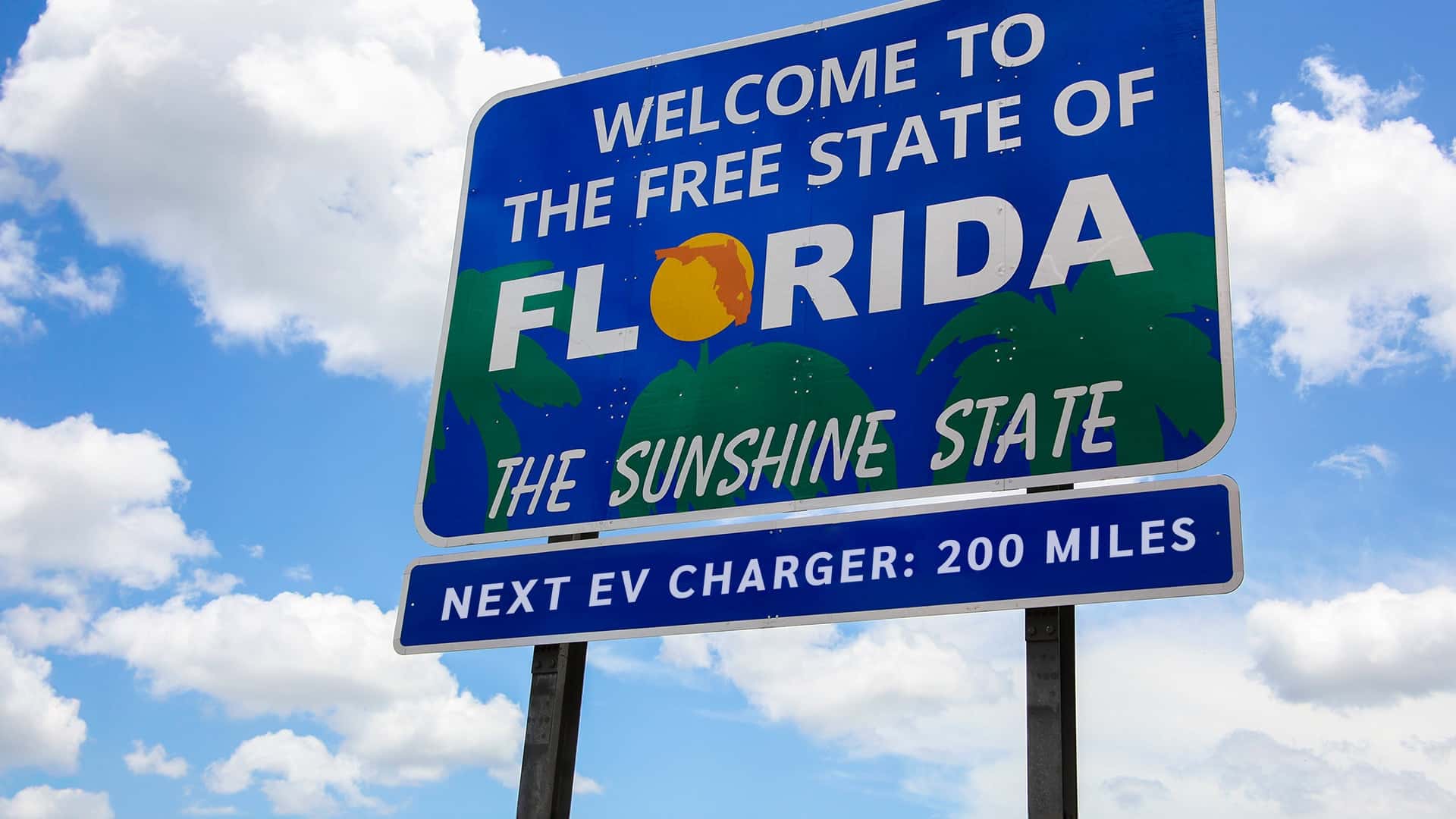
Florida has received $198 million from the Biden administration’s National Electric Vehicle Infrastructure (NEVI) program to build out federally funded public fast chargers across the state. However, instead of focusing on traditional electric vehicle (EV) charging infrastructure, the state is proposing to use these funds for the development of an Aerial Highway Network centered around electric vertical take-off and landing vehicles (eVTOLs). This plan, revealed by a recent investigation by the Miami Herald, has raised concerns about the prioritization of federal funds and the readiness of eVTOL technology.
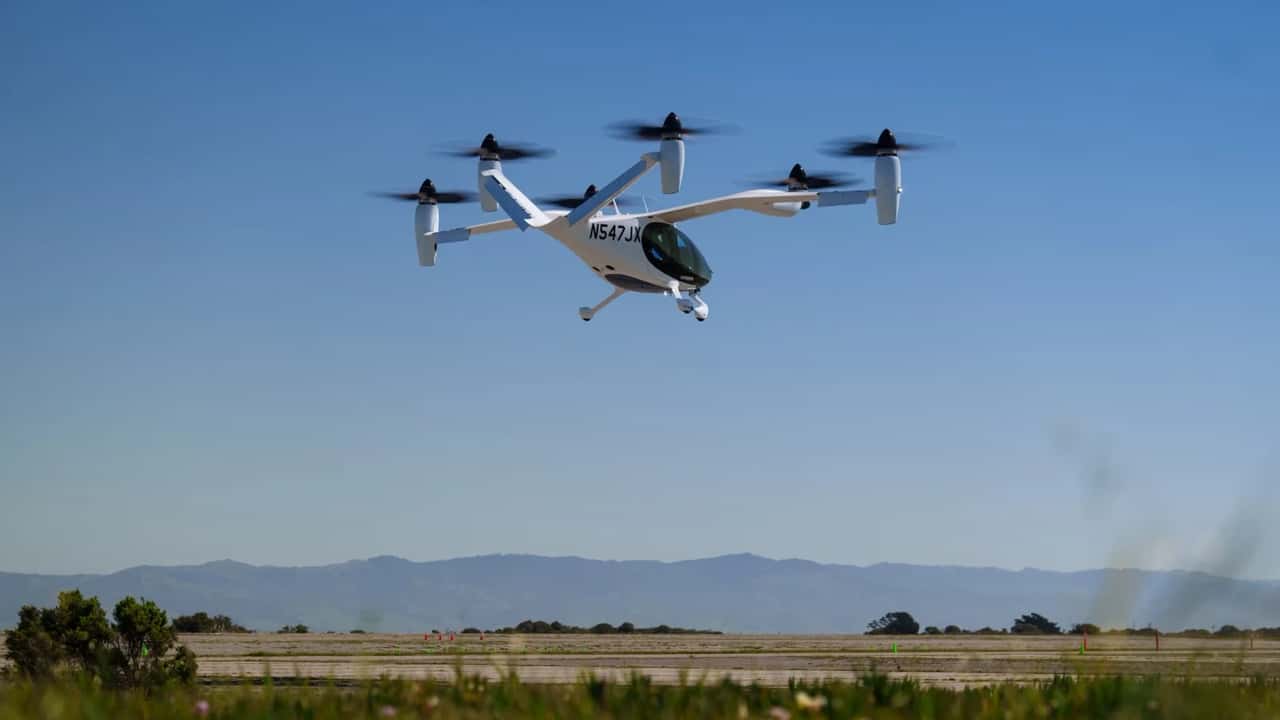
eVTOLs, often referred to as electric air taxis, are still in the early stages of development and have not yet received FAA approvals for commercial operations. Despite this, the Florida Department of Transportation (FDOT) has outlined plans to create charging infrastructure that would support these aircraft at 32 "vertiports." These locations could include luxury apartment buildings, golf courses, military bases, and airports. Each vertiport is estimated to cost around $5.6 million.
The FDOT claims that its approach is innovative and strategic, aiming to provide greater benefits to Floridians by supporting a new mode of transportation. According to a document published by the Herald, the agency stated, “The Florida Department of Transportation will not waste taxpayer dollars and spend it on everyday passenger vehicles.” Instead, the proposal focuses on emerging technologies that could complement the existing transportation system and help ease congestion.
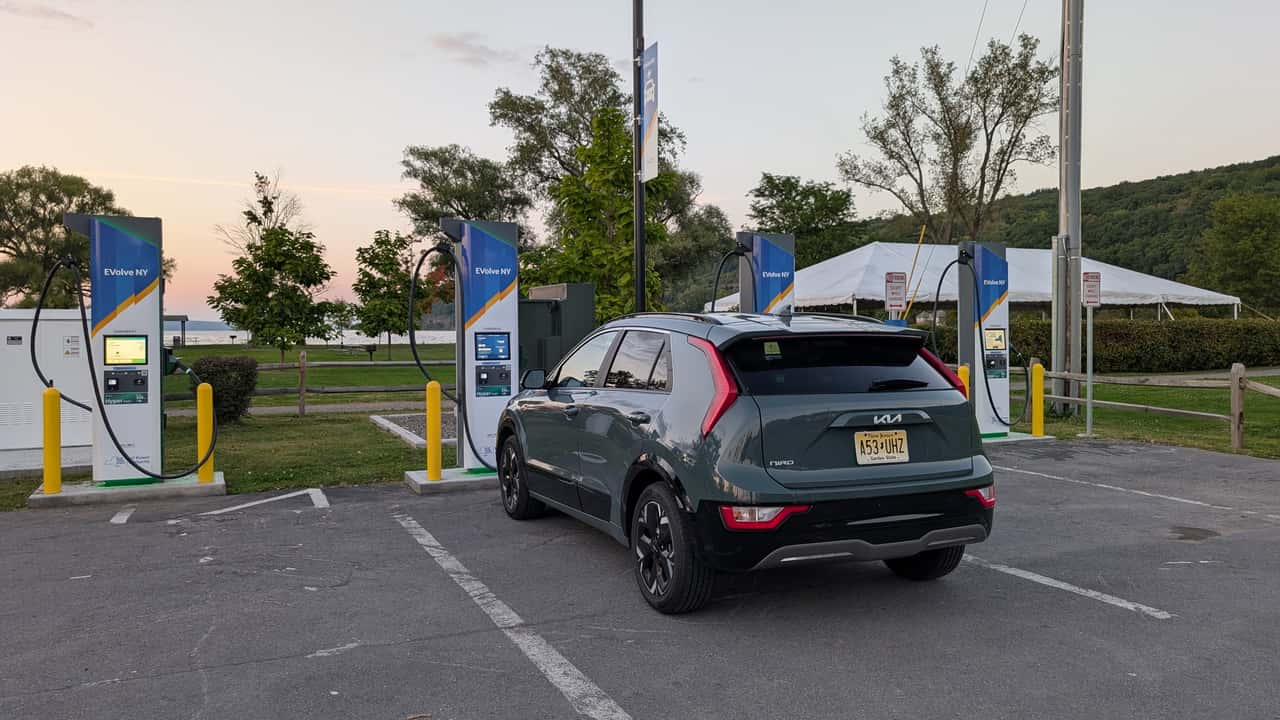
However, this shift in focus has sparked debate. While private companies have already made significant strides in building out the U.S. public fast-charging network, the NEVI program was designed to address gaps in infrastructure, particularly in rural areas where commercial viability may be limited. For example, in New York, NEVI-funded stations have been crucial in expanding access to charging in remote regions like the Adirondacks and the Finger Lakes.
Despite the success of such initiatives, Florida has largely left its allocated NEVI funds untouched. The Federal Highway Administration has approved Florida’s infrastructure along major corridors as fully built out, allowing the state to redirect leftover funds. However, Florida has become one of the most vocal critics of federal EV policies, with state leaders often framing EVs as part of a political agenda. This rhetoric is reflected in the FDOT’s website, RoadsAreNotForPolitics.com, which criticizes pro-EV policies as “greenhouse gaslighting.”
Yet, despite this opposition, Florida has emerged as the second-largest EV market in the U.S., trailing only California. With over 450,000 EVs registered as of 2025, the state’s drivers stand to benefit from a more extensive and reliable fast-charging network. Instead, the proposed eVTOL infrastructure raises questions about who will actually benefit from these investments.
The Debate Over eVTOLs and Their Readiness
While companies like Joby Aviation have conducted test flights in cities like New York, eVTOLs are still far from being commercially viable. They require extensive regulatory approval, including FAA certification for commercial operations. Additionally, the proposed locations for vertiports—such as luxury apartment complexes and golf courses—suggest that the initial beneficiaries may be a small, affluent segment of the population rather than the broader public.
This decision to prioritize eVTOLs over EV chargers also contrasts with the national trend. Many states have started awarding their NEVI funds to contractors and charging companies to fill critical gaps in the energy infrastructure. As the program gained momentum, projects across the country began accelerating, moving from planning to deployment.
Florida’s stance on EVs has been marked by skepticism and political rhetoric. The state has repeatedly claimed that Americans are being forced to buy EVs, despite evidence to the contrary. However, the data shows that EV adoption is growing rapidly, driven by factors such as lower operating costs, environmental benefits, and technological advancements.
Environmental and Economic Benefits of EVs
The Environmental Protection Agency estimates that cleaner vehicle emissions standards could prevent approximately 40,000 premature deaths and tens of thousands of hospitalizations over time by reducing transportation-related air pollution. EVs are also more wallet-friendly for buyers over the long term, offering greater insulation from geopolitical shocks and fluctuating oil prices. They are faster, smoother, and more high-tech than traditional gasoline-powered vehicles.
Despite the state’s political rhetoric, Florida has embraced EVs, becoming a major market for electric vehicles. This highlights the disconnect between the state’s public messaging and its actual engagement with EV technology. As the demand for EVs continues to grow, so too does the need for a robust and accessible charging network.
Conclusion: Balancing Innovation and Practical Needs
While the idea of eVTOLs represents a bold vision for the future of transportation, the current lack of regulatory approval and the potential exclusivity of the technology raise concerns about whether it is the best use of federal EV infrastructure funds. In contrast, expanding the EV charging network offers immediate benefits to a wider population, addressing real-world needs and supporting the transition to cleaner transportation.
As the debate over how to allocate these funds continues, the focus should remain on ensuring that all Floridians can benefit from the advancements in electric mobility. Whether through traditional EV chargers or emerging technologies like eVTOLs, the goal should be to create a transportation system that is both sustainable and equitable.
Post a Comment for "Florida Allocates $200M EV Funds for Air Taxis"