
Minister Faces Criticism for 'Legitimising' Fuel Theft Amid Cost-of-Living Link
Rising Fuel Theft in the UK: A New Challenge for Energy Policy
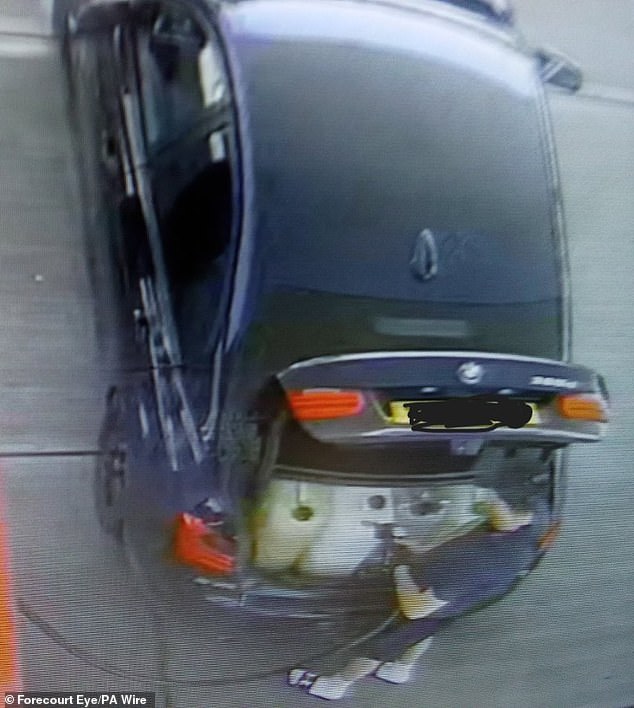
The UK is currently facing a growing issue of fuel theft at petrol stations, with reports indicating a significant increase in such incidents. This surge has sparked debate among politicians and industry experts, raising questions about the underlying causes and potential solutions.
The Role of Energy Prices in Fuel Theft
Miatta Fahnbulleh, the newly appointed Energy Secretary, has come under scrutiny for her comments linking the rise in fuel thefts to the cost of living crisis. She suggested that the high energy prices, driven by factors such as the conflict in Iran, have put immense pressure on consumers, leading some to resort to theft. While she acknowledged the seriousness of the issue, her remarks were met with criticism from Reform UK's deputy leader, Richard Tice, who accused Labour of being "soft on crime."

Tice argued that the government should focus on addressing the root causes of the cost of living crisis rather than legitimizing theft. He called for the removal of net zero policies and green levies, which he believes are contributing to higher energy costs.
Statistics and Trends in Fuel Theft
Recent data reveals a sharp increase in fuel thefts, with an estimated £194,000 worth of fuel stolen daily across the UK's 8,359 forecourts. Thefts have risen by 20% since the start of the Iran conflict, with the value of stolen fuel increasing by 48%.
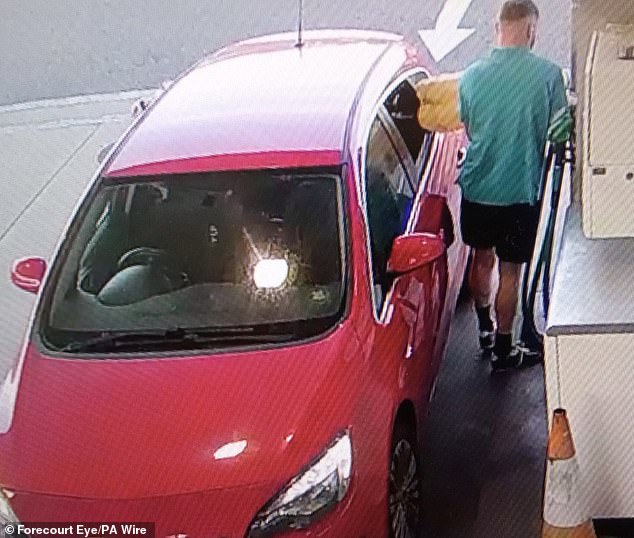
These figures include various forms of theft, such as drive-offs and no-payment incidents. First-time offenders have seen a 23% rise in incidents, while the volume of fuel stolen increased by 26%. In contrast, repeat offenders saw a 17% and 20% increase, respectively.
Impact on Retailers and Consumers
Fuel theft is not only a legal issue but also a financial burden on independent retailers. Gordon Balmer, executive director of the Petrol Retailers Association, highlighted the growing levels of abuse and aggression faced by staff. He emphasized the need for better technology to prevent crime and support police investigations.
Ben Lawrence, a director at Lawrences Garages, noted that the misconception that branded stations are operated by large companies leads some drivers to believe they can steal without consequences. However, he stressed that these thefts directly impact small businesses.

Under the Theft Act 1978, driving off without paying is a criminal offense, with penalties including fines or up to two years in prison. Despite this, many retailers choose not to report incidents due to the relatively low value of each theft.
The Broader Energy Crisis
The situation is compounded by Europe's looming energy crisis, with gas stocks plummeting to historical lows due to the war in Iran. Energy consultancy Wood Mackenzie warns that storage sites are just above 50% full, significantly lower than the previous year's 90% capacity.
Massimo Di Odoardo, vice president of gas research at Wood Mackenzie, cautioned that low inventories and strong Asian demand will likely lead to higher energy prices in the near future. LNG imports into Europe have slowed sharply, with July imports expected to be the lowest since September 2024.
The recent tensions between the US and Iran have further complicated the situation, as the Strait of Hormuz remains a critical chokepoint for global energy supplies. The hope for a quick restoration of LNG exports from Qatar has been dashed by renewed blockades, leaving Europe increasingly concerned about its energy security.
Conclusion
The rise in fuel thefts and the broader energy crisis highlight the complex challenges facing the UK and Europe. Addressing these issues requires a multifaceted approach, combining policy reforms, technological advancements, and international cooperation to ensure stable and affordable energy supplies for all.
Post a Comment for "Minister Faces Criticism for 'Legitimising' Fuel Theft Amid Cost-of-Living Link"