
William Ruto Orders Tata Chemicals to Leave Kenya
William Ruto Orders Tata Chemicals Out of Kenya, Sets Conditions for New Investor
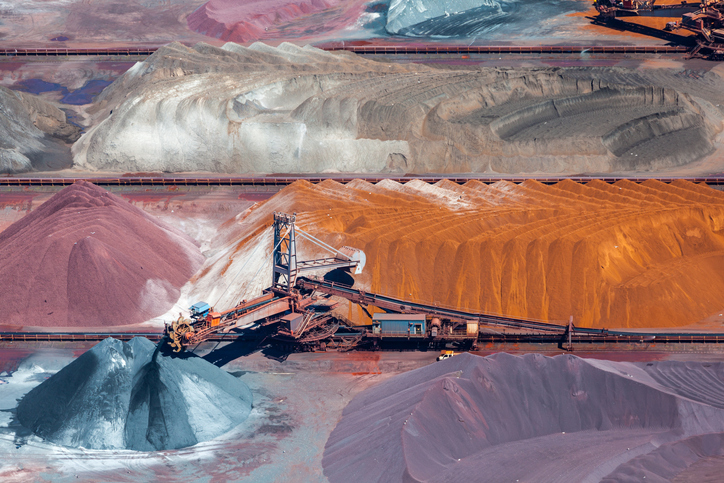 |
| Kenyan President William Ruto has ordered Tata Chemicals to stop operations in Kenya and said new investors should bring greater industrial development to Kajiado. |
Kenyan President William Ruto has ordered Tata Chemicals Magadi to leave operations at Lake Magadi in Kajiado County, accusing the company of failing to deliver sufficient local investment, jobs and industrial development.
Speaking during a development tour of Kajiado County on September 3, Ruto said Tata had operated under a contract for about 100 years but had not established factories or created enough employment for residents.
The president said Kenya would instead seek a new investor to develop the area's mineral resources while adding manufacturing capacity within Kajiado.
Why Did Kenya Order Tata Chemicals to Leave?
Ruto's explanation centered on what he described as a failure by Tata Chemicals to generate greater economic benefits for Kajiado and Kenya.
He said the company had been extracting resources from Lake Magadi while sending them to India and other countries, without establishing the industrial facilities or employment opportunities he expected.
“They have not built any factory or employed Kenyans.”
Ruto also questioned why Kenya should continue allowing natural resources to leave the country without more value being created locally.
The president said he had already instructed the company to leave and that the government would look for another investor.
New Investor Must Build Factories in Kajiado
Ruto said a replacement investor would face specific conditions before being allowed to take over the mining operations.
According to the president, the incoming company would be expected to establish both a glass manufacturing facility and a chemicals factory in Kajiado County.
The requirement reflects the government's stated push for greater local value addition rather than simply exporting raw or minimally processed mineral resources.
Tata Chemicals Magadi produces soda ash, or sodium carbonate, from trona deposits around Lake Magadi. Soda ash is used in industries including glass manufacturing, detergents and chemicals.
Tata Chemicals Had Already Faced Licence Problems
The dispute follows regulatory action against Tata Chemicals Magadi.
Kenya's Mining, Blue Economy and Maritime Affairs Cabinet Secretary Hassan Ali Joho previously said the company's licence had been suspended over alleged regulatory non-compliance. Issues cited included mineral beneficiation and value-addition plans, royalty obligations and export reporting.
Tata Chemicals subsequently said it had submitted compliance documents to the ministry while seeking reinstatement of its licence. The company also said the continued suspension threatened approximately 500 jobs.
Opposition Leaders Challenge Ruto's Decision
The government's position has faced criticism from leaders associated with former deputy president Rigathi Gachagua's Democracy for Citizens Party.
Nyandarua Senator John Methu accused Ruto's administration of using regulatory arguments as a cover for other interests surrounding the mineral resources in the Magadi area.
Methu alleged that significant lithium and oil prospects could be located beneath the region and questioned whether the government's action was connected to access to those resources.
Those allegations were presented as political claims and have not been established as facts.
Methu also warned that forcing Tata Chemicals out could affect workers and their families who depend on the company's operations.
What Happens to Lake Magadi Operations?
Ruto said Kenya intends to bring in a new company to continue exploiting the resources at Lake Magadi, but under different conditions.
The proposed arrangement would require greater local industrial activity, particularly through glass and chemical manufacturing facilities in Kajiado County.
The dispute therefore goes beyond the future of Tata Chemicals. It also highlights the Kenyan government's stated intention to increase domestic value addition from its natural resources rather than relying primarily on exports.
For now, the future operator of the Lake Magadi mining activities and the implementation of the proposed manufacturing requirements remain key issues following Ruto's announcement.
FAQ
Why did William Ruto order Tata Chemicals to leave Kenya?
Ruto said Tata Chemicals had operated at Lake Magadi for about 100 years without building factories or providing sufficient employment and local economic benefits, according to his remarks in Kajiado County.
What does Tata Chemicals produce at Lake Magadi?
Tata Chemicals Magadi produces soda ash from trona deposits at Lake Magadi. Soda ash is used in industries such as glass manufacturing, detergents and chemicals.
What does Kenya want the new investor to build?
Ruto said the new investor would be required to establish a glass manufacturing plant and a chemicals factory in Kajiado County.
How many jobs could be affected?
Tata Chemicals said the continued suspension of its licence threatened about 500 jobs, according to reporting on the dispute.
Has Tata Chemicals been accused of regulatory non-compliance?
Yes. Kenya's mining ministry cited several outstanding compliance issues when explaining the suspension of the company's licence, including mineral value-addition requirements, royalty matters and export reporting.
IMAGE SEO
Recommended Image:
Kenyan President William Ruto speaking during his development tour in Kajiado County, with Lake Magadi or Tata Chemicals Magadi operations represented in the accompanying image.
Caption:
Kenyan President William Ruto addresses the future of Tata Chemicals Magadi and mineral development in Kajiado County.
ALT Text:
William Ruto discusses Tata Chemicals Magadi operations in Kajiado County
EDITORIAL STATUS
Fact Integrity: PASS
Quote Integrity: PASS
Freshness: PASS
E-E-A-T: PASS
SEO: PASS
Status: READY TO PUBLISH
SEO DATA
SEO Title:
William Ruto Orders Tata Chemicals to Leave Kenya
Meta Description:
William Ruto has ordered Tata Chemicals to stop operations in Kenya, citing weak local investment and demanding more jobs and manufacturing in Kajiado.
Slug:william-ruto-tata-chemicals-kenya-exit
Primary Keyword:
William Ruto Tata Chemicals
Secondary Keywords:
- Tata Chemicals Kenya
- Tata Chemicals Magadi
- Lake Magadi
- William Ruto
- Kajiado County
- Kenya soda ash
- Tata Chemicals shutdown
- Kenya mining
- Lake Magadi operations
- Tata Chemicals licence
Main Entities:
William Ruto; Tata Chemicals Limited; Tata Chemicals Magadi; Tata Group; Lake Magadi; Kajiado County; Kenya; Hassan Ali Joho; Ministry of Mining, Blue Economy and Maritime Affairs
William Ruto Orders Tata Chemicals to Leave Kenya Over Local Investment Dispute
Kenyan President William Ruto has ordered Tata Chemicals to stop its operations in the country, accusing the Indian company of failing to deliver enough local investment, jobs and industrial development from its long-running operations at Lake Magadi in Kajiado County.
Ruto made the announcement on September 3, 2026, during a visit to Kajiado. He said Kenya would bring in new companies to take over the operations and require them to establish manufacturing facilities in the area.
The dispute follows a government suspension of Tata Chemicals Magadi's mining operations and soda ash exports in late July over alleged regulatory non-compliance.
Why Did William Ruto Order Tata Chemicals to Leave?
Ruto's central criticism is that Kenya has not received sufficient economic benefits from Tata Chemicals' activities at Lake Magadi.
During his Kajiado visit, the president said Tata had held a contract for about 100 years but had not built a factory in Kajiado or created enough employment for local residents.
Ruto argued that Kenya should obtain greater value from its natural resources instead of allowing minerals to be extracted and transported abroad.
He said the government had therefore decided to replace the existing operator with new investors that would have stronger local investment requirements.
Kenya Wants New Companies to Build Factories
The proposed replacement arrangement would involve two companies, according to Ruto.
One would be expected to establish a large glass manufacturing operation in Kajiado, while another would produce chemicals locally.
The policy reflects the government's emphasis on value addition—processing natural resources within Kenya rather than primarily exporting them.
Ruto questioned whether Kenya should continue exporting its resources without receiving greater industrial and employment benefits from those activities.
Tata Chemicals Operations Were Already Suspended
The presidential order came after an earlier regulatory dispute.
In late July, Kenya's government ordered Tata Chemicals Magadi to suspend mining operations at the Magadi Soda factory and halt soda ash exports. Kenya's Mining Cabinet Secretary Hassan Ali Joho said the company had outstanding compliance issues under the country's mining laws.
The issues cited by the ministry included an inadequate mineral beneficiation and value-addition strategy, unresolved royalty reconciliation and payment obligations, and problems with export reporting and reconciliation.
Tata Chemicals has disputed the characterization of its compliance and said it submitted the required documents to the Ministry of Mining, Blue Economy and Maritime Affairs while seeking reinstatement of its licence.
Tata Chemicals Says It Wants Regulatory Resolution
Following Ruto's announcement, Tata Chemicals said it remained committed to resolving the outstanding issues through legal and regulatory channels.
The company said it had provided the Kenyan ministry with information concerning its compliance with applicable regulations and wanted to continue constructive engagement with the authorities.
This means the dispute involves both the government's demand for greater local economic benefits and Tata Chemicals' efforts to resolve the regulatory issues surrounding its operations.
About 500 Jobs Were Already at Risk
The suspension has also raised concerns about employment.
Tata Chemicals Magadi previously warned that approximately 500 employees and their families, along with contractors, suppliers, transporters and local businesses, depended directly or indirectly on the company's economic activity.
The company also said around 30,000 people in the Magadi community benefited directly from its support for areas including water, healthcare, education, infrastructure and community development. Those figures were provided by Tata Chemicals and therefore represent the company's own assessment.
Why Lake Magadi Matters to Kenya
Tata Chemicals Magadi produces soda ash, also known as sodium carbonate, from trona deposits at Lake Magadi.
The mineral is an important industrial raw material used in products and industries including glass, detergents, chemicals and water treatment.
The operation is also significant for Kenya's exports. Government data cited by the Associated Press showed that Kenya exported 254,779 tonnes of soda ash worth $56.9 million in the year ending July 2025.
Tata Chemicals has operated at Lake Magadi since 1911, when the business began as the Magadi Soda Company. Tata Chemicals acquired ownership in 2005.
What Happens Next?
Kenya now faces the challenge of replacing an established operator while maintaining production, employment and export activity.
Ruto has said new investors will be brought in with conditions requiring greater local manufacturing and value addition. Tata Chemicals, meanwhile, has indicated that it wants to address the regulatory dispute through engagement with Kenyan authorities.
The future of Lake Magadi's operations will therefore depend on how the government implements its replacement plan and how the outstanding regulatory dispute with Tata Chemicals is resolved.
FAQ
Why did William Ruto order Tata Chemicals to leave Kenya?
Ruto said Tata Chemicals had not provided enough local investment, employment or industrial development in Kajiado despite its long-running operations at Lake Magadi.
What does Tata Chemicals produce at Lake Magadi?
Tata Chemicals Magadi produces soda ash, or sodium carbonate, from trona deposits at Lake Magadi. The mineral is used in industries such as glass, detergents and chemicals.
What does Kenya want from the new investors?
Ruto said new investors would be expected to establish a major glass manufacturing company and a chemical manufacturing company in Kajiado County.
How many jobs are at risk?
Tata Chemicals Magadi has said approximately 500 jobs are at risk because of the continuing suspension of its operations.
When did Tata Chemicals' operations at Lake Magadi begin?
The operation dates back to 1911, when the business began as the Magadi Soda Company. Tata Chemicals acquired ownership in 2005.
Post a Comment for "William Ruto Orders Tata Chemicals to Leave Kenya"