
Beyond GPS: The Real Game-Changer for Golfers
The Rise of Golf Technology: A Double-Edged Sword
Golf has undergone a remarkable transformation over the past few decades, and nowhere is this more evident than in the evolution of technology on the course. What once relied on rudimentary yardage markers and instinct now boasts an arsenal of high-tech tools designed to deliver precise, real-time data at the flick of a wrist. From GPS watches to advanced rangefinders and smart clubs, today’s golfers are surrounded by information that would have seemed like science fiction just a generation ago.
Yet, as we marvel at the sophistication of these devices, a pressing question emerges: are we giving golfers too much information? While the intention behind such innovations is noble—enhancing performance, aiding decision-making, and improving the overall experience—the reality may be quite different for many players, especially amateurs.
The Information Overload Dilemma
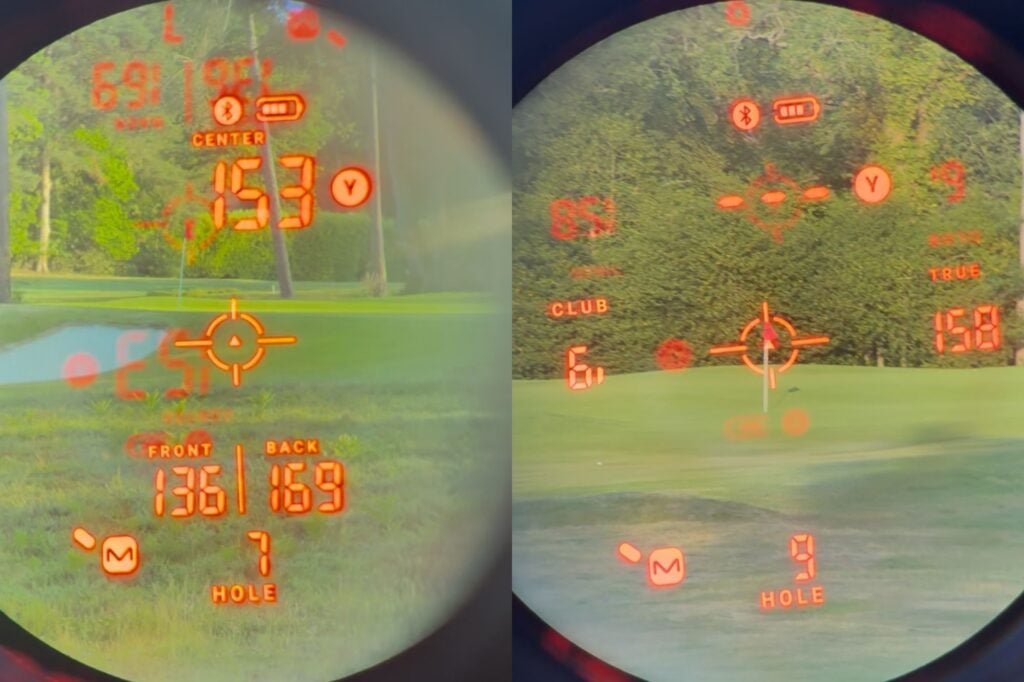
Imagine standing on the tee box with your watch or device displaying not only the distance to the green but also the slope of the terrain, wind speed and direction, elevation change, carry distance, rollout, pin position, hazard distances, and even club recommendations based on your historical swing data. It’s overwhelming—and possibly unnecessary.
For the average golfer, knowing the distance to the middle of the green is often more than sufficient. The additional layers of detail—such as “56.5 yards with 2.3% uphill slope”—may sound impressive, but do they truly impact shot selection or score improvement?
I’ve seen countless golfers rely heavily on these metrics, only to struggle when faced with unexpected conditions or when their device fails. The confidence derived from data can be fragile. When the numbers don’t match reality—due to battery issues, signal interference, or human error—it can lead to confusion, frustration, and poor decisions.
The Illusion of Control
There’s a dangerous trap here: mistaking data for mastery. Just because you know the exact yardage to the front of the green doesn’t mean you’ll hit the ball there. Skill, consistency, and shot-making ability still matter most. Technology can assist, but it cannot replace the fundamentals of striking the ball well.
Take Arccos, for example—a popular system that tracks every swing, analyzes club performance, and suggests optimal clubs based on conditions. While the tech is undeniably impressive, I’ve observed how it can create dependency. Some players begin to second-guess their instincts, waiting for the app to tell them what to do, rather than trusting their own judgment. This shift can erode confidence and slow down the learning process.
Fundamentals First: Why Simplicity Wins
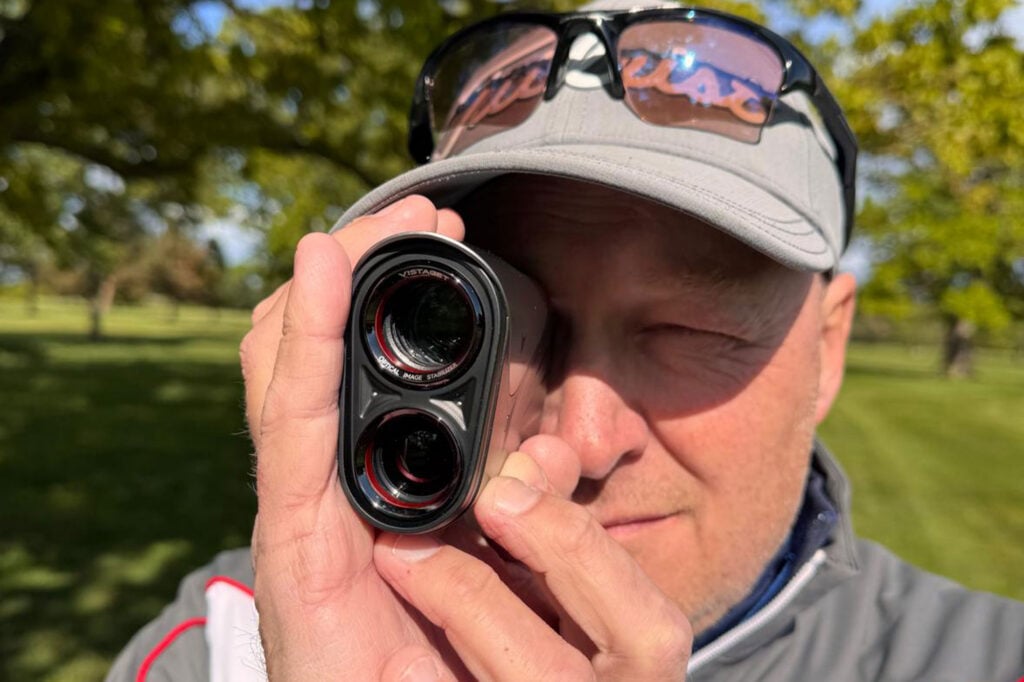
Let’s be clear: I’m not advocating for a return to the days of guesswork and outdated markers. Distance-measuring devices (DMDs) and GPS tools offer tangible benefits—especially for navigating unfamiliar courses, avoiding hazards, and managing risk. Knowing where the bunker lies or how far the rough starts can be invaluable.
But the key lies in selective use. Instead of loading your device with every possible metric, focus on a few core pieces of information: - Distance to the centre of the green - Hazard locations (front, back, sides) - Elevation changes - Wind conditions (if available)
These essentials provide enough context to make informed decisions without drowning in irrelevant data.
Moreover, spending time understanding your own game—your swing tendencies, strengths, and weaknesses—is far more valuable than any algorithmic recommendation. A player who knows their average driver distance and can consistently shape shots will outperform one who relies solely on a gadget to pick the right club.
Striking the Right Balance
Technology should serve as a tool, not a crutch. The best golfers aren’t those with the most features on their watch—they’re those who combine knowledge, feel, and execution. As we continue to push the boundaries of what’s possible in golf tech, we must ask ourselves: does this innovation bring us closer to better golf, or does it distract us from the essence of the game?
The answer isn’t a blanket rejection of technology. Rather, it’s about mindfulness. Use the tools that help you improve—not because they’re flashy, but because they genuinely support your development.
Sometimes, less really is more.
Now Have Your Say:
Do you think modern golfers have access to too much data? Do you use a rangefinder, GPS watch, or swing-tracking system? How often do you rely on it during a round, and how much do you believe it improves your game? Share your thoughts in the comments or connect with us on X (@NationalClubGolfer).
・NOW READ:
The Sound of Your Driver Matters More Than You Think
・NOW READ:
Why Higher-Lofted Fairway Woods Are Losing Their Stigma
Post a Comment for "Beyond GPS: The Real Game-Changer for Golfers"