
Jeep’s Reliability Falls Below Average—But 3 Models Excel
Jeep’s Reliability Legacy: Tough on the Trail, But How Reliable in Daily Use?
For over 80 years, Jeep has stood as a symbol of ruggedness and off-road prowess. From its humble beginnings as the military-grade Willys MB during World War II to today’s expansive lineup of SUVs and trucks, the brand has consistently emphasized durability and capability. Yet, while Jeep vehicles are built to conquer tough terrain, their long-term reliability—especially in the modern era—is a topic that demands closer scrutiny. As vehicles become increasingly complex with advanced technology, turbocharged engines, plug-in hybrid systems, and sophisticated driver-assistance features, questions arise about how well these machines hold up over time.
The current Jeep lineup spans from the compact and fuel-efficient Compass to the iconic Wrangler and Gladiator, the family-friendly Grand Cherokee, and the luxury-oriented Grand Wagoneer. Each model caters to a distinct audience, but all share a common thread: they’re expected to deliver performance and resilience beyond the showroom floor. So, how do they fare once the initial excitement fades? To answer this, insights from the 2026 J.D. Power U.S. Vehicle Dependability Study (VDS) offer a revealing look at Jeep’s standing compared to its competitors—and what it means for buyers considering a new Jeep.
Brand-Level Performance: Where Jeep Falls Short
At the brand level, Jeep’s dependability score is far from impressive. According to the 2026 J.D. Power VDS, Jeep recorded 267 problems per 100 vehicles (PP100)—a figure that significantly exceeds the industry average of 204 PP100. This places Jeep near the bottom of the rankings, trailing behind several rivals that compete directly in the SUV and off-road segments.
Here’s how Jeep stacks up against key competitors:
| Brand | 2026 J.D. Power VDS (PP100) |
|---|---|
| Subaru | 181 |
| Toyota | 185 |
| Ford | 228 |
| GMC | 229 |
| Jeep | 267 |
| Land Rover | 274 |
| Volkswagen | 301 |
With a score of 267 PP100, Jeep reported nearly 31% more problems than the industry average. For context, Lexus—the benchmark for reliability—earned a stellar 151 PP100, while even struggling brands like Land Rover and Volkswagen performed slightly worse than Jeep. While this may seem discouraging, it's essential to understand what the data actually represents.
The VDS surveys owners of vehicles that are three years old, meaning the 2026 results reflect real-world experiences with 2023 model year vehicles—not those just leaving dealerships. The study captures issues reported over the past 12 months across critical categories such as powertrain, infotainment, driving assistance systems, interior components, and exterior hardware.
Importantly, the PP100 metric does not mean 267 out of every 100 Jeeps experienced mechanical failures. Instead, one vehicle can generate multiple issues—ranging from minor software glitches to serious mechanical faults. A single complaint about a frozen touchscreen or intermittent Apple CarPlay connection counts toward the total, alongside more severe problems like transmission failure or suspension wear.
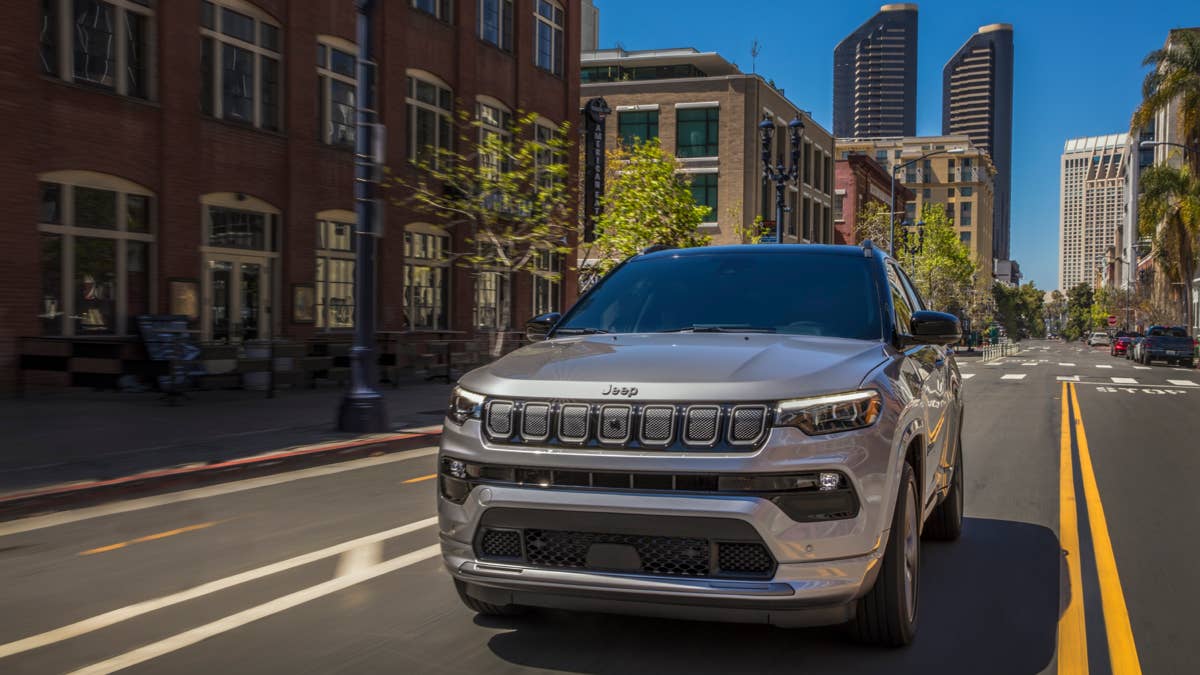
Technology: The Achilles’ Heel of Modern Vehicles
One of the most significant contributors to poor dependability scores across the automotive industry is technology—particularly infotainment systems. In the 2026 J.D. Power study, infotainment was the most problematic category, accounting for 56.7 PP100 of all reported issues nationwide. Among the top complaints were connectivity problems with Android Auto and Apple CarPlay, which alone contributed 8.9 PP100.
While many automakers struggle with software integration, Jeep appears to be particularly vulnerable. Consumer Reports’ owner data reveals recurring issues with the 2023 Grand Cherokee, including: - Intermittent Apple CarPlay connectivity - Infotainment screens freezing or going blank - Battery and electrical system malfunctions - Problems with drive systems and suspension - Unusual noises and fluid leaks
Similarly, the 2023 Wrangler has drawn attention for persistent issues related to in-car electronics and electrical accessories. Though rare, there have also been isolated reports of more serious transmission troubles, raising concerns about long-term durability.
These findings suggest that Jeep’s reliability challenges go beyond mere software frustrations—they extend into core mechanical systems, especially in models that combine off-road capability with high-tech features.
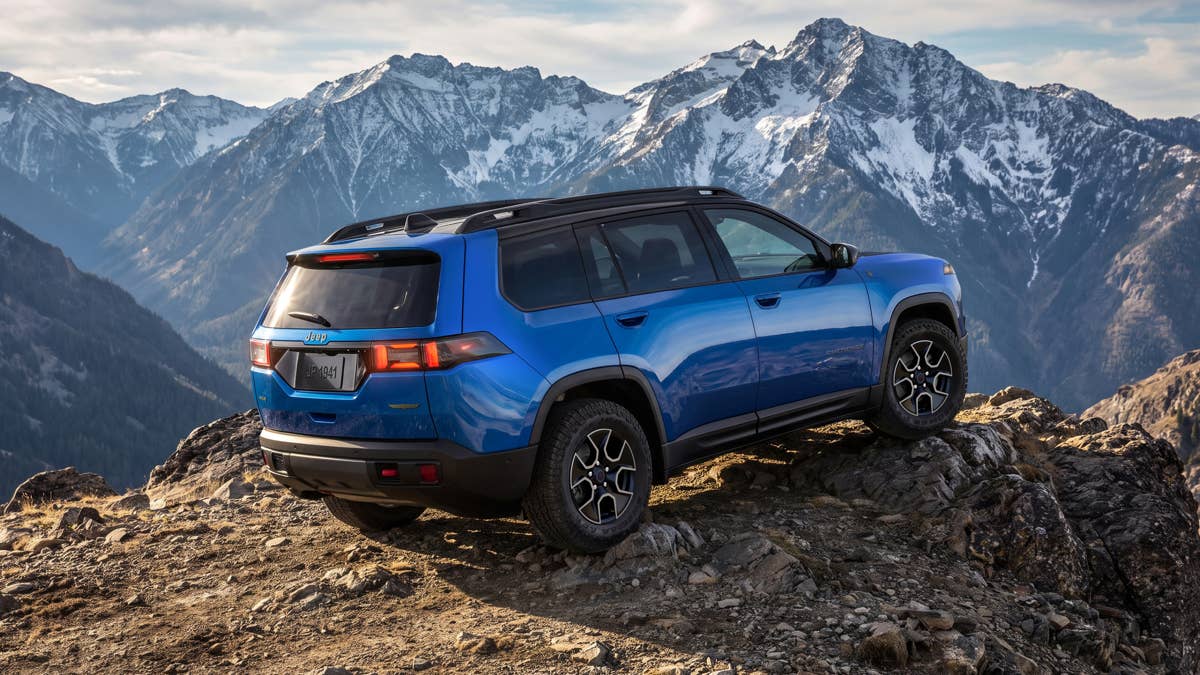
Model-by-Model Reliability: A More Nuanced Picture
While the brand-level data paints a concerning picture, individual model scores tell a different story. J.D. Power uses a 100-point Quality and Reliability Rating to evaluate defects, malfunctions, and design flaws across all vehicle systems—from engine and transmission to infotainment and safety features.
Not all current Jeep models received a 2026 rating, but the ones that did reveal a clearer, more optimistic outlook:
| Model | Quality and Reliability Score (Out of 100) |
|---|---|
| Jeep Gladiator | 83 |
| Jeep Wrangler | 81 |
| Jeep Compass | 81 |
| Jeep Grand Cherokee | 69 |
| Jeep Grand Cherokee L | Not Rated |
| Jeep Grand Wagoneer | Not Rated |
| Jeep Cherokee | Not Rated |
| Jeep Recon | Not Rated |
| Jeep Wagoneer S | Not Rated |
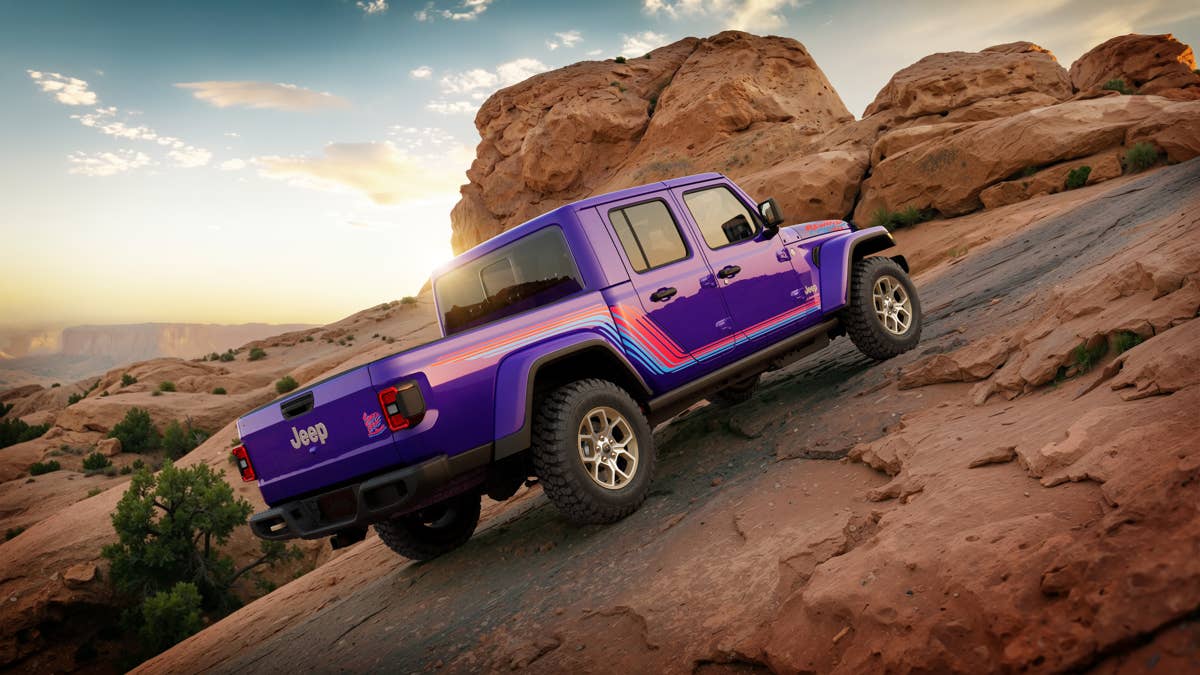
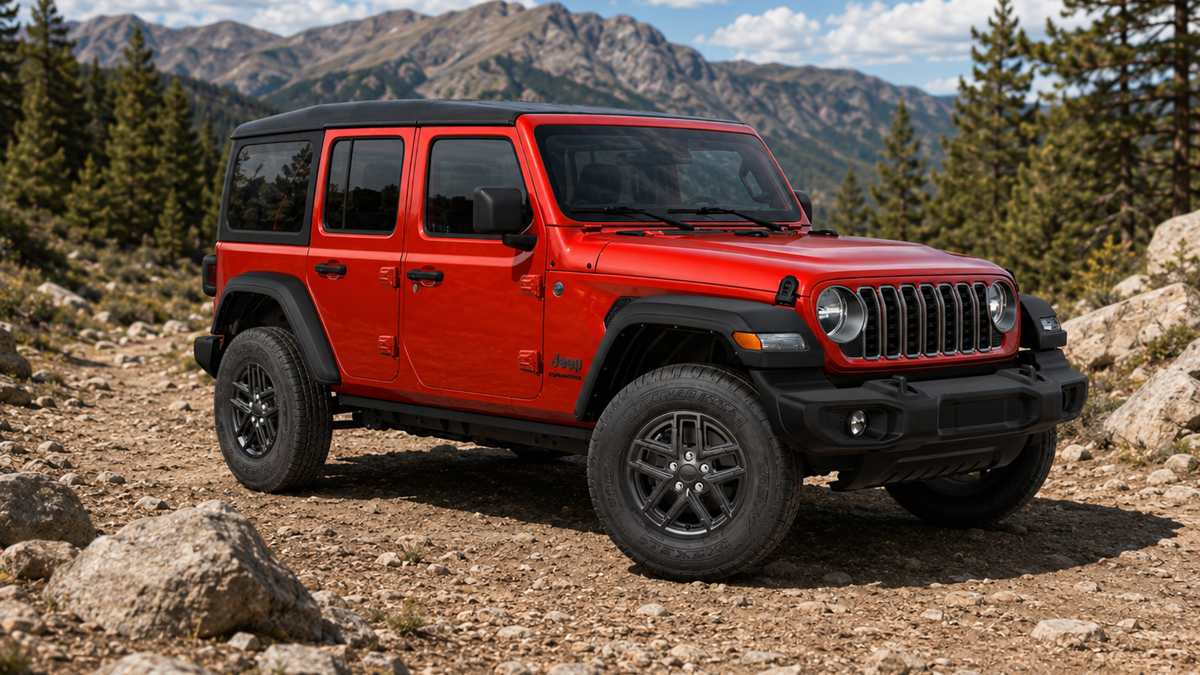
The Jeep Gladiator leads the pack with an 83/100 score, classified by J.D. Power as “Great.” This pickup truck remains largely unchanged for 2026, powered by a reliable 3.6-liter V6 engine paired exclusively with an eight-speed automatic transmission. Its simplicity and proven engineering likely contribute to its strong performance.
Both the Wrangler and Compass earn 81/100, placing them in the “Good” range. These models benefit from robust platforms and fewer electronic complexities compared to their larger counterparts. Their consistent performance suggests that Jeep’s reliability struggles may be more pronounced in higher-end, tech-laden models rather than the core off-road lineup.
In contrast, the Grand Cherokee scores 69/100, falling into the “Average” tier. This lower mark aligns with the growing number of reported issues involving electronics, drivetrain components, and structural concerns. Models like the Grand Wagoneer, Wagoneer S, and Recon have yet to receive formal ratings, indicating either limited data availability or ongoing refinement.
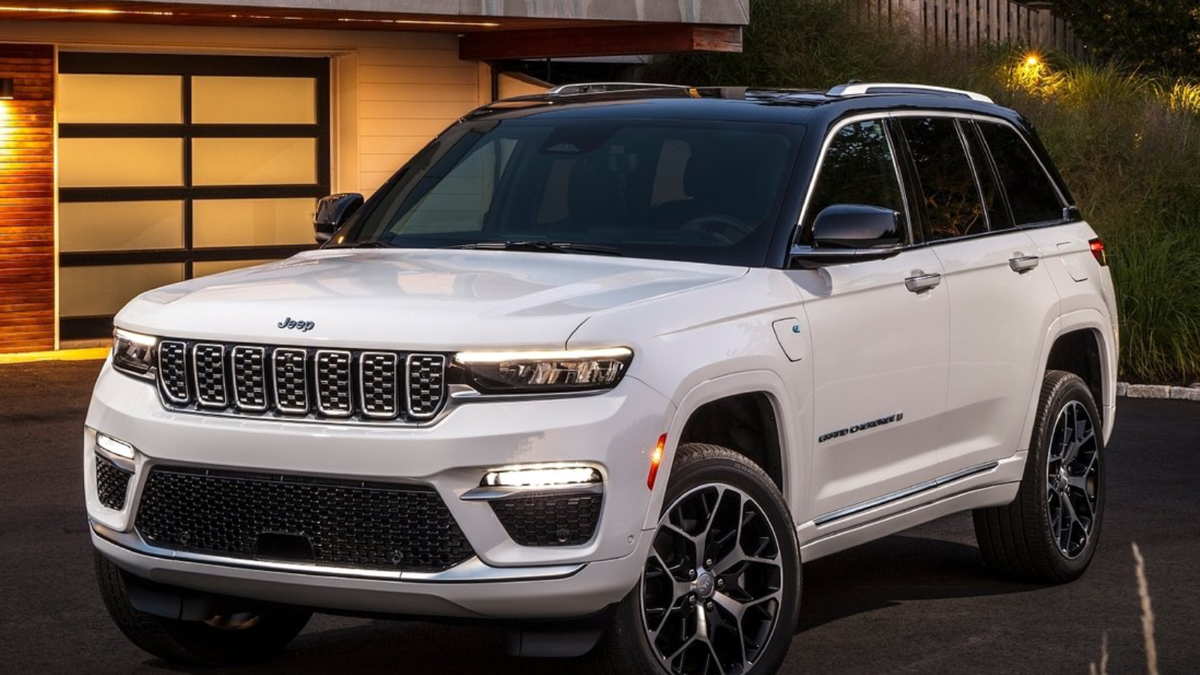
Jeep’s Reliability Landscape: A Tale of Two Extremes
Jeep’s 2026 model year reveals a complex and uneven reliability picture, where standout performers coexist with underperforming models. While the brand as a whole struggles to keep pace with industry benchmarks, individual vehicles tell a more nuanced story—one that underscores the importance of evaluating each model independently rather than relying on broad brand assumptions.
The Highs and Lows of the 2026 Lineup
Among the four currently rated 2026 Jeep models, three have earned scores above 80 in J.D. Power’s Quality and Reliability study—placing them in the “Great” category. This is a strong showing for a brand whose overall dependability score sits at 267 PP100 (problems per 100 vehicles), well below the average for mainstream automakers. The standout performers are the Wrangler and the Gladiator, both of which demonstrate consistent durability and fewer reported issues over time. Their high marks reflect not only robust engineering but also long-standing reputations for toughness and reliability in demanding conditions.
However, the Grand Cherokee stands out as a glaring exception. With a score of just 69/100, it falls into the “Fair” range—14 points behind the top-scoring Gladiator. This gap is significant, especially considering both models share a similar platform and target audience. The Grand Cherokee's lower rating raises questions about its recent powertrain changes and how they may be affecting long-term reliability.
Powertrain Overhaul: A New Era with Uncertain Outcomes
For the 2026 model year, the Grand Cherokee underwent a major powertrain transformation. Entry-level trims like the Laredo and Laredo X continue to use the proven 3.6-liter Pentastar V6 engine. However, the higher-end trims—Overland, Summit, Trailhawk, and Limited—now feature the new 2.0-liter Hurricane 4 turbocharged engine, delivering 324 horsepower. This shift toward smaller, turbocharged engines aligns with broader industry trends aimed at improving fuel efficiency and performance. Yet, because this engine has only recently entered the market, there isn’t enough real-world data to assess its long-term durability.
Additionally, the 4xe plug-in hybrid variant has been discontinued for 2026, marking a strategic pivot away from electrified powertrains for this model. While this may simplify maintenance and reduce complexity, it also removes a key selling point for eco-conscious buyers. The absence of long-term data on the new turbo-four means that the Grand Cherokee’s current score should not be taken as definitive proof of the engine’s reliability—it reflects broader vehicle quality, including electronics, infotainment systems, and integration challenges.
New Models, No Data: The Challenge of Innovation
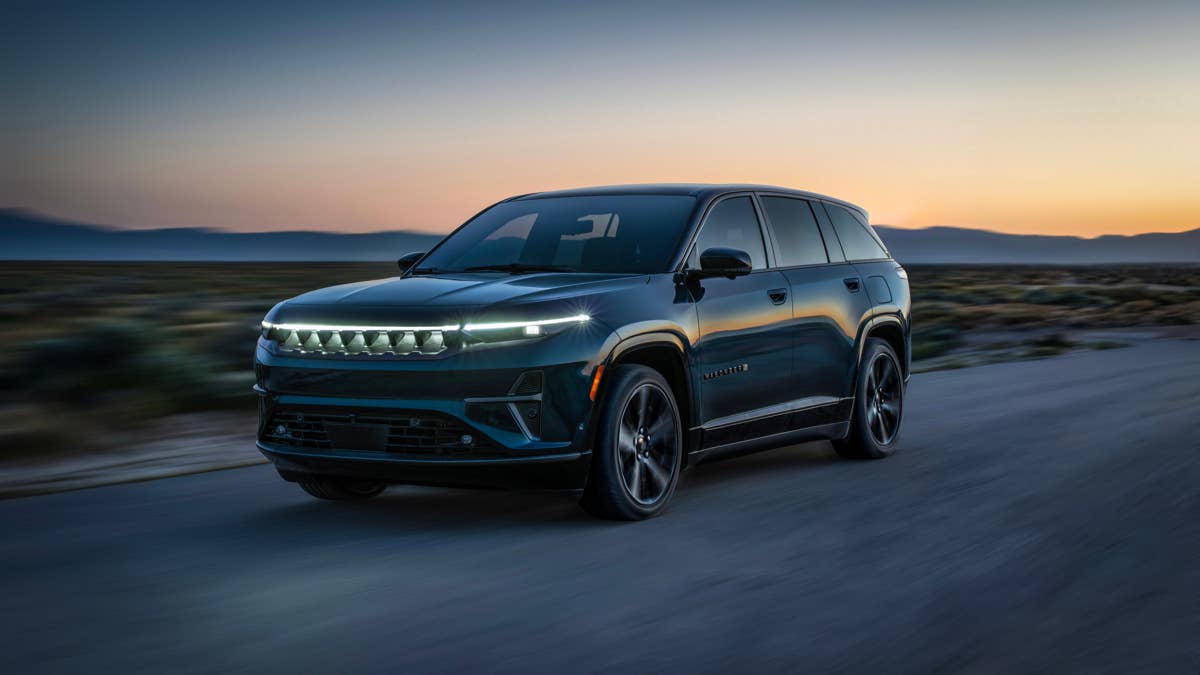
The evolution of Jeep’s lineup extends beyond the Grand Cherokee. The Grand Wagoneer has undergone a full repositioning for 2026, with the former Series II and Series III trims now renamed Limited and Summit, respectively. The standard powertrain is now the 420-hp Hurricane six-cylinder engine—a powerful option designed for luxury and performance. Despite these upgrades, J.D. Power does not yet publish a Quality and Reliability score for the Grand Wagoneer, nor for the all-electric Wagoneer S, which represents Jeep’s first fully electric SUV.
Similarly, the newly revived Cherokee—which returned to the lineup in 2026 after a hiatus—has no available reliability metrics at this stage. Likewise, the Recon, Jeep’s rugged electric off-roader, remains untested in the reliability rankings. These vehicles represent bold steps into electrification and modernized design, but their early status means consumers must approach them with caution. There simply isn’t enough data to determine whether their advanced powertrains and digital systems will hold up over time.
What Buyers Should Know
Jeep’s reliability record cannot be reduced to a single number. While the brand’s overall PP100 score suggests room for improvement, the reality is far more varied. The Wrangler and Gladiator prove that Jeep can build dependable, long-lasting vehicles—especially those built for adventure and off-road use. Conversely, the Grand Cherokee serves as a reminder that even established models can falter when subjected to rapid technological changes.
For prospective buyers, the takeaway is clear: don’t judge a Jeep by its badge alone. Instead, evaluate each model based on its specific features, powertrain options, and available reliability data. A new turbocharged engine or an electric drivetrain may offer impressive performance, but long-term dependability remains uncertain until more data emerges.
In short, Jeep’s future hinges on balancing innovation with proven reliability. Until newer models like the Grand Wagoneer, Wagoneer S, Cherokee, and Recon accumulate sufficient real-world feedback, buyers should treat them as promising newcomers rather than guaranteed long-term performers.
Post a Comment for "Jeep’s Reliability Falls Below Average—But 3 Models Excel"