
Roma Bounces Back Strong After Madrid Heartbreak with Dominant Genoa Victory
Roma’s Resilience Tested and Proven in the Wake of Madrid’s Crushing Blow
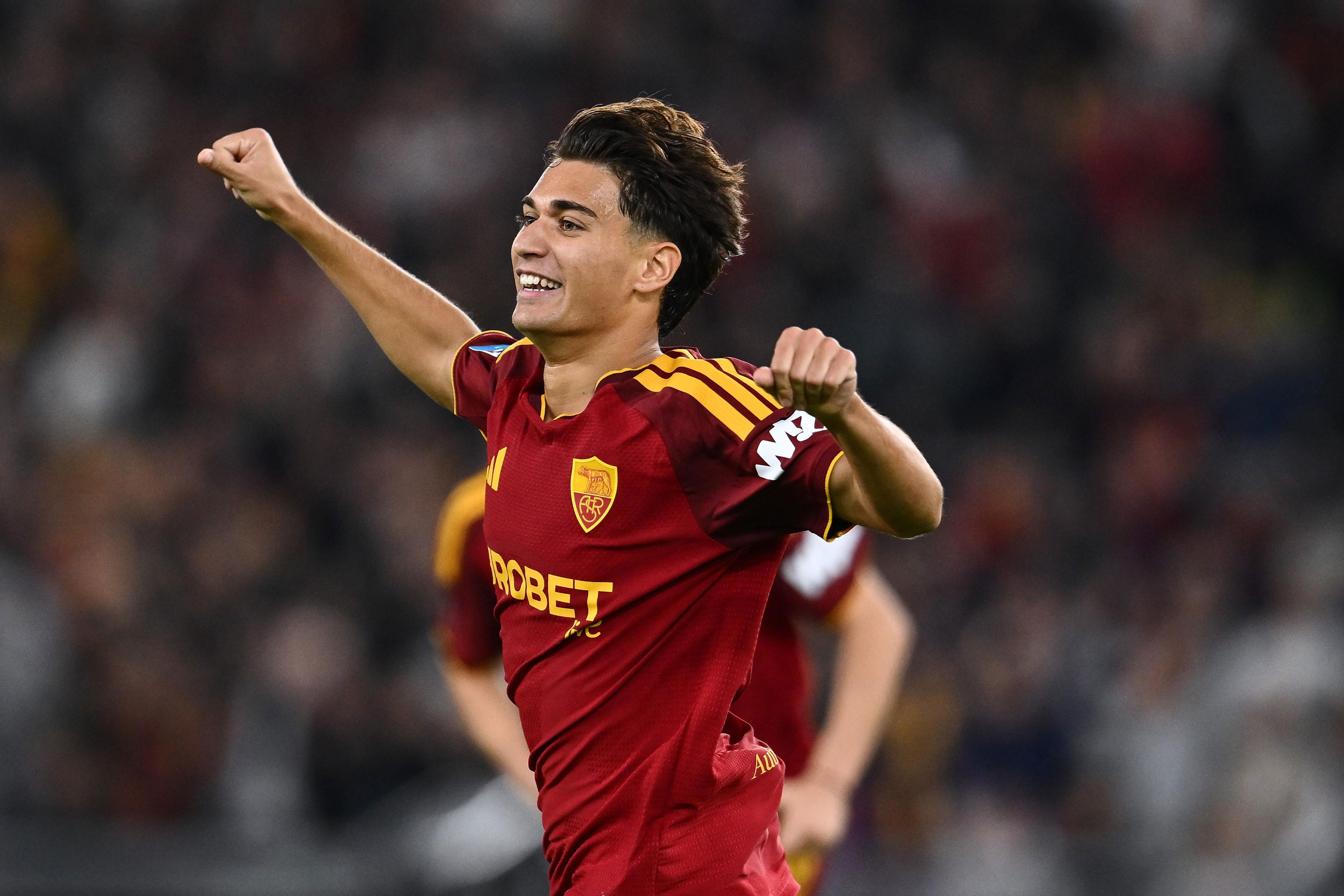
The Giallorossi arrived at the Stadio Olimpico with heavy hearts and aching bodies after a gut-wrenching 4-3 defeat to Real Madrid in the Champions League. The loss, delivered by José Mourinho’s seasoned squad, was not just a tactical setback—it was a psychological blow that exposed the lingering gap between Serie A and Europe’s elite. Yet, in football, there is no time for mourning. Within just 72 hours, Roma were back on the pitch, facing Genoa, a team struggling to find its footing in Serie A, but one that still possessed dangerous moments—especially through the pace and precision of Stephan El Shaarawy.
With the emotional aftermath of the Madrid clash still fresh, head coach Gian Piero Gasperini made a bold decision: rotate. Not just slightly, but dramatically. With Paulo Dybala sidelined by injury, Manu Koné nursing a minor knock, and Donyell Malen serving a suspension, the manager had little choice but to reshape his starting XI. Even regular starters like Gianluca Mancini and Bryan Cristante were given rest, marking a clear signal that this wasn’t just about managing fatigue—it was about testing depth, nurturing youth, and proving resilience under pressure.
Enter “Roma B”—a makeshift lineup composed of promising talents and fringe first-team players. Maarten De Roon, the Dutch midfielder known for his composure and work rate, took on a central role. Pierluigi Gollini, the experienced goalkeeper, stepped in as the last line of defense, tasked with holding down the fort against a Genoa side that, while inconsistent, remained capable of causing chaos. The starting XI was a blend of potential and promise, but it lacked cohesion—something that became evident early in the match.
Despite the unfamiliarity among the new combinations, Roma dominated possession from the outset. By halftime, they held 61% of the ball, dictating tempo and outplaying Genoa in nearly every phase of the game. The eye test confirmed what the stats suggested: Roma were superior. Their passing was crisp, their movement fluid, and their pressing relentless. Only two moments stood out as genuine threats from Genoa—both involving El Shaarawy, whose speed and sharpness kept Roma’s backline on edge.
Yet, the absence of a goal at the break stirred unease. Was this a repeat of past seasons? Would the emotional toll of Madrid cause Roma to revert to old habits—failing to convert dominance into results, playing down to weaker opponents, or losing focus when the stakes weren’t sky-high? These fears were real, especially given how much momentum the team had built earlier in the season.
Then came the second half—and the answer arrived swiftly.
Santiago Castro, who had been a revelation off the bench in recent weeks, finally found his moment in the starting lineup. Known more for long-range strikes and intelligent runs than clinical finishing, Castro had yet to score in a Roma jersey. But in the 58th minute, he delivered a moment of magic—a perfectly placed chip over the advancing goalkeeper that curled gently into the net. It was elegant, unexpected, and utterly decisive.
This wasn’t just a goal; it was a statement.
Castro’s strike wasn’t just a personal breakthrough—it symbolized the adaptability of this Roma squad. The team has learned to evolve, to respond to challenges not with panic, but with creativity and composure. For fans who have watched him train and play in short bursts, seeing him step up in such a crucial moment was deeply encouraging. Strikers thrive on confidence, and one goal can be the spark that unlocks everything else. Now, with the floodgates open, expect to see Castro more involved, more fearless, and more integral to the attack.
But the story didn’t end there.
Roma’s second goal, coming just ten minutes later, was even more breathtaking—a masterpiece of teamwork and timing. Matias Soule, the young Argentine winger, danced through multiple defenders with flair and precision, drawing attention before sliding a perfect pass to Emanuele Lulli. At just 19 years old, Lulli calmly finished past Justin Bijlow, sealing the victory with poise beyond his years.
The significance of Lulli’s performance cannot be overstated. He played 78 minutes, contributed significantly to both goals, and earned his first-ever Player of the Match award. His maturity, vision, and professionalism on the pitch suggest a player already at home in the spotlight. This isn’t a flash-in-the-pan moment—it’s the beginning of something special.
Gollini, meanwhile, remained largely untested, making only one save all match. Evan N’Dicka, the defensive anchor, led a backline that stayed disciplined and organized despite being rotated. The entire unit held firm under pressure, proving that depth isn’t just about talent—it’s about character, leadership, and trust.
As the final whistle blew, a sense of relief and pride washed over the stadium. The Madrid loss hadn’t broken Roma. If anything, it had strengthened them. The clean sheet, the control, the ability to win despite a lack of star power—it all pointed to a team that has grown beyond individual brilliance.
Now, more than ever, Roma’s future looks bright. The development of players like Castro, Mora, Soule, and Lulli is just as vital as the performances of stars like Malen, Dybala, and Svilar. This squad isn’t built on one or two superstars—it’s built on layers of quality, depth, and resilience. And in a season where consistency will matter more than spectacle, that might just be the most valuable asset of all.
Roma’s Future Takes Shape Without Its Stars
The absence of Roma’s three most vital players—players whose names are synonymous with the club’s identity and recent success—was not just noticeable, it was a defining feature of the match against Genoa. Yet, in their absence, something far more promising emerged: a clear indication that Roma’s foundation is no longer built solely on individual brilliance but on collective strength and depth.
This wasn’t a fluke performance. It wasn’t a one-off where luck or an opponent’s missteps carried the day. Instead, what unfolded at the Olimpico was a demonstration of tactical discipline, defensive resilience, and attacking intent from players who may have been overlooked in the spotlight for years. The result? A hard-fought victory that sent a powerful message to both domestic rivals and European giants alike: Roma is evolving into something bigger than the sum of its star players.
Depth Over Drama: The Real Story Behind the Win
While fans and pundits often fixate on stars like Totti, De Rossi, and Pjanic—whose absence this week was glaring—the true narrative lies in the emergence of new leaders and role models within the squad. Young talents stepped up with composure beyond their years, veterans played with renewed fire, and midfielders who once filled supporting roles now commanded the tempo of the game.
- The central defense, typically reliant on seasoned figures, held firm against Genoa’s attacks, making key interceptions and clean tackles without panic.
- The fullbacks pushed forward with purpose, contributing to both buildup and counterattacks, showing a level of confidence rarely seen in past seasons.
- Midfielders rotated seamlessly, maintaining possession under pressure and transitioning quickly when needed.
It was a masterclass in team cohesion—a stark contrast to earlier matches where results hinged on one player’s moment of magic. This win wasn’t about heroics; it was about execution.
A Glimpse of What’s Coming
Even in the face of setbacks—like the midweek defeat to Real Madrid—Roma showed signs of resilience. That loss exposed vulnerabilities, yes, but it also highlighted how much farther the team can go if they continue building on this momentum. The Genoa match proved that Roma doesn’t need its biggest names to compete at the highest level. More importantly, it proved that they don’t need them to win.
This shift in mindset—from relying on superstars to trusting the squad—is the hallmark of a truly elite footballing side. Clubs like Manchester City, Liverpool, and Bayern Munich didn’t become global powers because of one or two players. They did it through depth, structure, and belief across every position. Roma is now inching toward that same model.
Champions League Rebirth: A New Chapter Begins
With their next fixture looming—Tuesday’s Champions League clash against Slovan Bratislava at the Olimpico—the stage is set for another pivotal moment. This isn’t just another group-stage game. For Roma, it’s a chance to turn momentum into progress.
If Totti, still capable and eager, can lead the charge—whether from the bench or the starting XI—this match could be the catalyst for a breakthrough. The atmosphere at the Olimpico will be electric, fueled by hope and anticipation. Fans won’t just be watching for goals; they’ll be watching for proof that the transformation is real.
A win here wouldn’t just mean three points. It would mean validation. It would signal that Roma has not only survived the departure of its legends but is thriving in their absence. It would confirm that the future is bright—and not too far away.
The road ahead remains challenging. There will be more losses, more injuries, more moments of doubt. But each time Roma finds a way to win without relying on its stars, the foundation grows stronger. And as long as the club continues investing in youth, developing tactics, and fostering unity, the dream of becoming a true giant of Italian and European football becomes less distant with every passing week.
Post a Comment for "Roma Bounces Back Strong After Madrid Heartbreak with Dominant Genoa Victory"