
Sonos Beam Ultra Review: Tiny Size, Massive Dolby Atmos Sound
A Compact Powerhouse: The Sonos Beam Ultra Reimagines Home Theater Sound
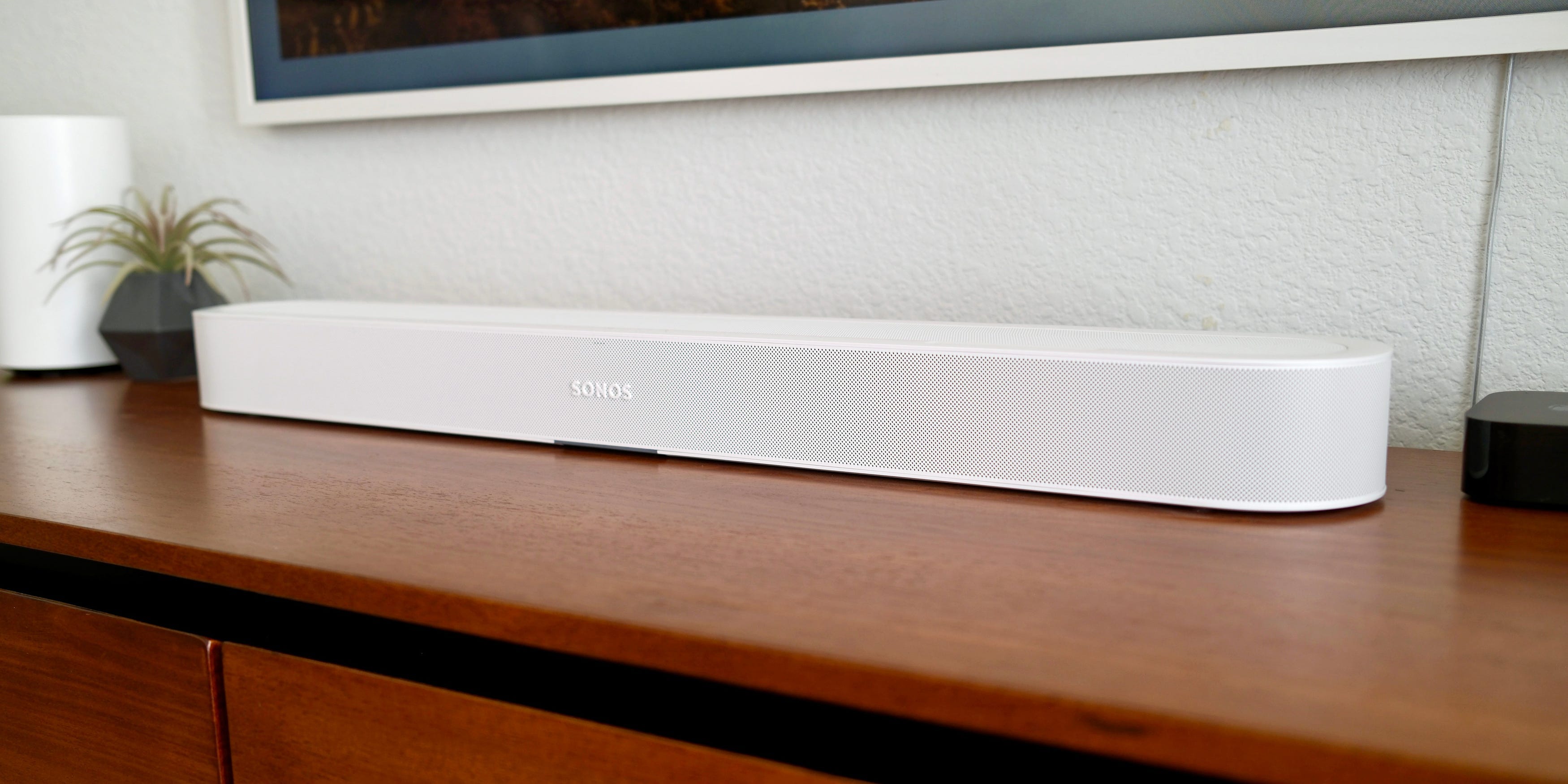
When it comes to soundbars that deliver cinematic immersion without dominating your space, few brands have mastered the balance quite like Sonos. The latest entry in its lineup, the Beam Ultra, is a prime example of how innovation and refinement can coexist—especially when you're working with limited real estate. Though it doesn’t look much larger than its predecessor, the Beam Gen 2, this new model packs a surprising punch under the hood, delivering a premium audio experience that rivals far more expensive systems.
At $699, the Beam Ultra sits between the mid-tier Beam Gen 2 ($499) and the flagship Arc Ultra ($1,099), positioning itself as a sweet spot for users who want top-tier performance without breaking the bank. And while it’s only slightly wider—about four inches broader than the Beam Gen 2—the difference is subtle in practice. Both models are just under 30 inches wide, share nearly identical depth and weight (6.35 pounds each), and maintain Sonos’ signature minimalist design language. Yet, within that familiar silhouette lies a significant leap forward in audio engineering.
What’s New? A Closer Look at the Upgrades
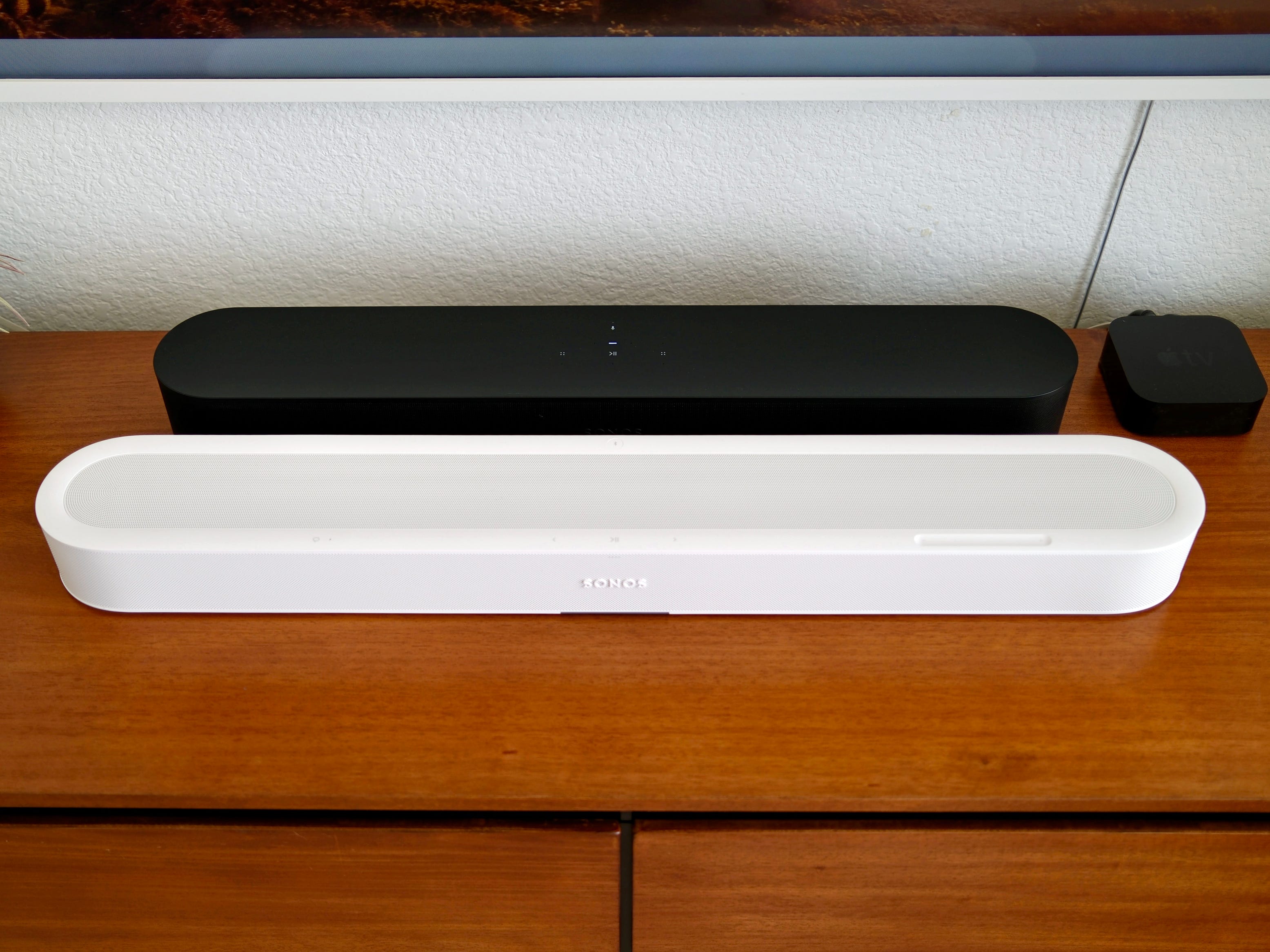
The name “Beam Ultra” isn’t just marketing fluff—it reflects real advancements across hardware, software, and connectivity. One of the most transformative changes is the inclusion of two up-firing drivers. Unlike the Beam Gen 2, which relied on virtualized Dolby Atmos using psychoacoustic processing from front-facing speakers, the Beam Ultra now physically sends sound upward toward the ceiling. These upward-firing drivers reflect audio off the ceiling and back down to your ears, creating a far more believable sense of height and spatial movement.
This shift makes a dramatic difference during action-packed scenes. In Dune, when the sandworms erupt from beneath the desert floor, their rumbling presence feels grounded—and then, as the massive creatures breach the surface, the sound seems to rise above you, almost like a physical force. Similarly, in Gravity, the floating debris and distant explosions don’t just feel like they’re coming from the screen; they appear to drift through the air around you, enhancing the sensation of zero gravity.
But the upgrades go beyond just Atmos. The Beam Ultra also introduces a USB-C line-in port, a feature even the higher-end Arc Ultra lacks. This allows users to connect analog sources like turntables, CD players, or even wired internet via an optional Sonos adapter. For audiophiles who still cherish vinyl or want a stable wired connection for streaming, this is a welcome addition. It’s a thoughtful touch that expands the device’s versatility beyond typical streaming content.
Bluetooth support has also been added, closing a gap left by the original Beam Gen 2. Now, you can wirelessly stream music directly from your phone or tablet without needing a Wi-Fi network or Sonos app—ideal for quick playback or casual listening.
Design Tweaks That Matter
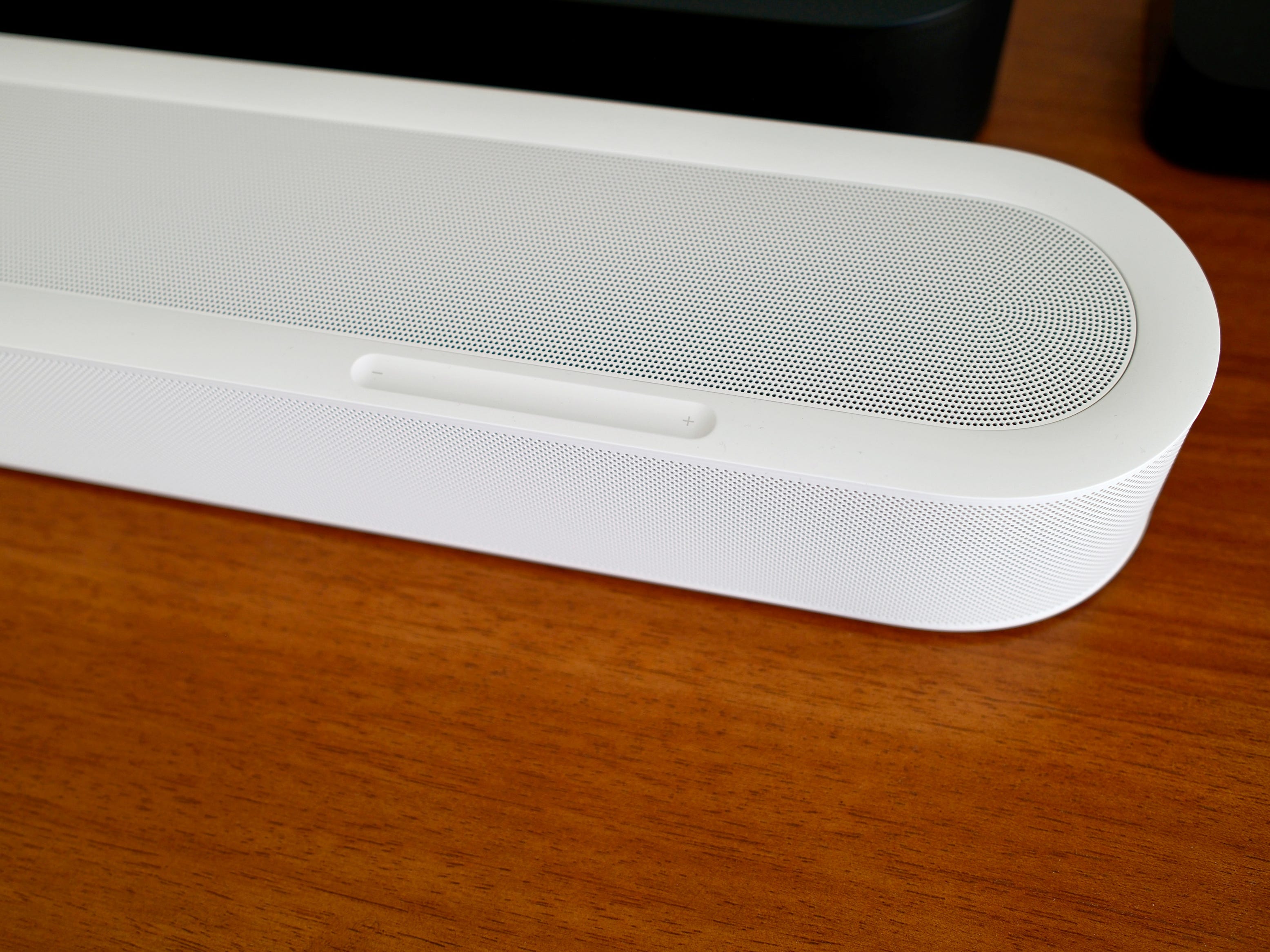
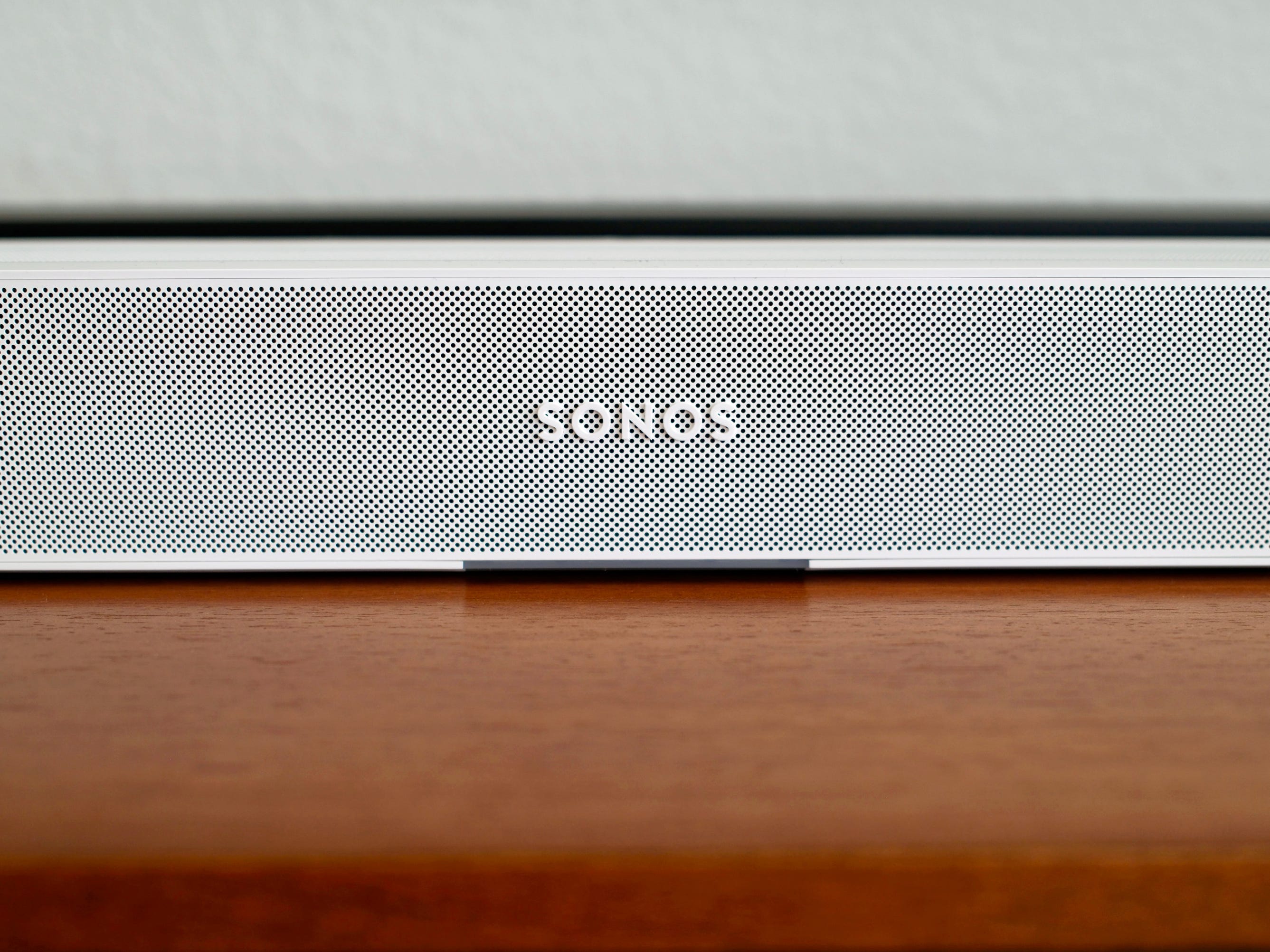
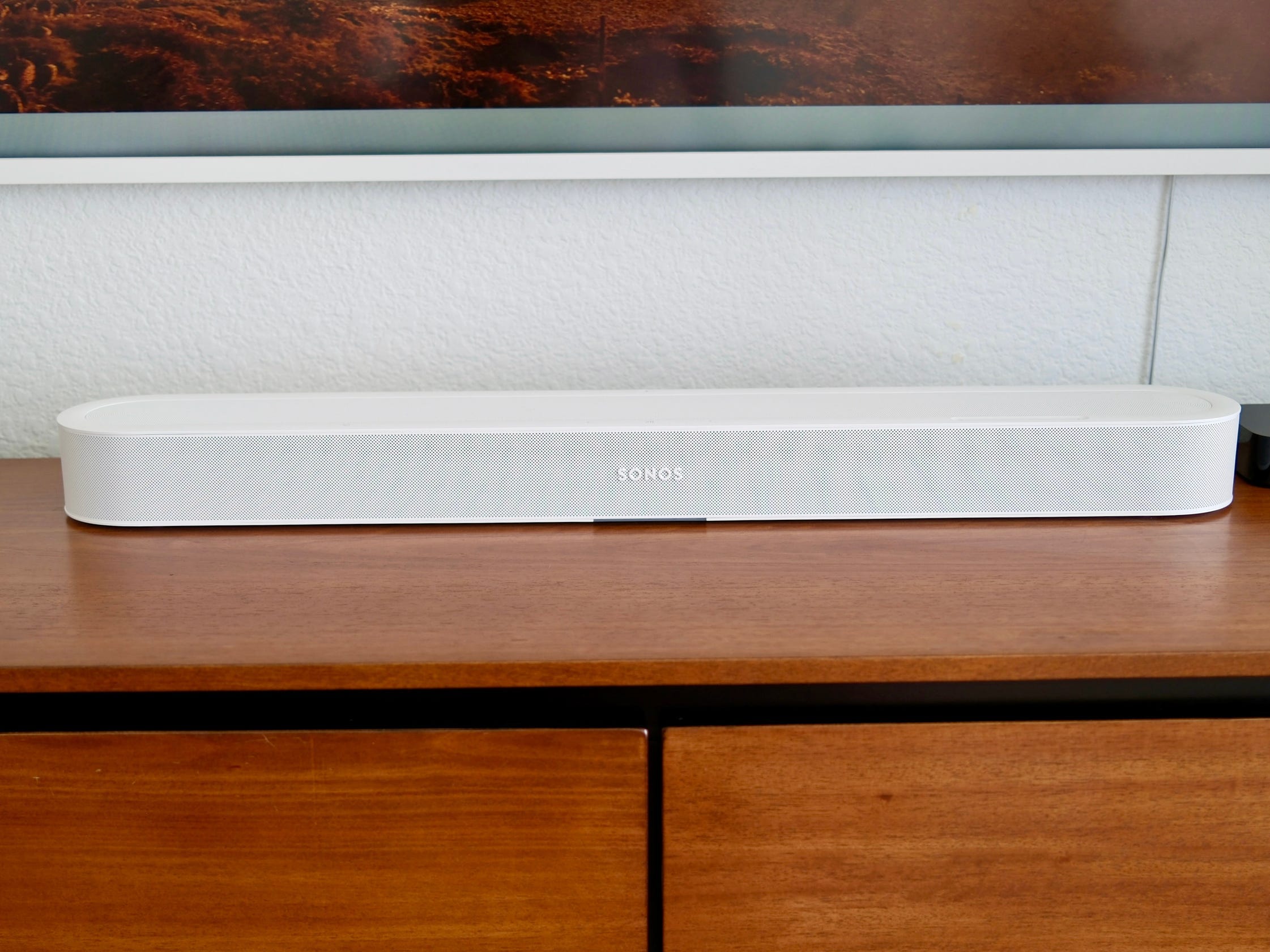
Sonos hasn’t drastically changed the overall form factor, but small refinements make a big impact. The most noticeable update is the indented volume control slider located on the front-right edge of the bar. This placement ensures easy access whether the soundbar is mounted on a wall or placed on a shelf. No more fumbling for hidden buttons or relying solely on voice commands.
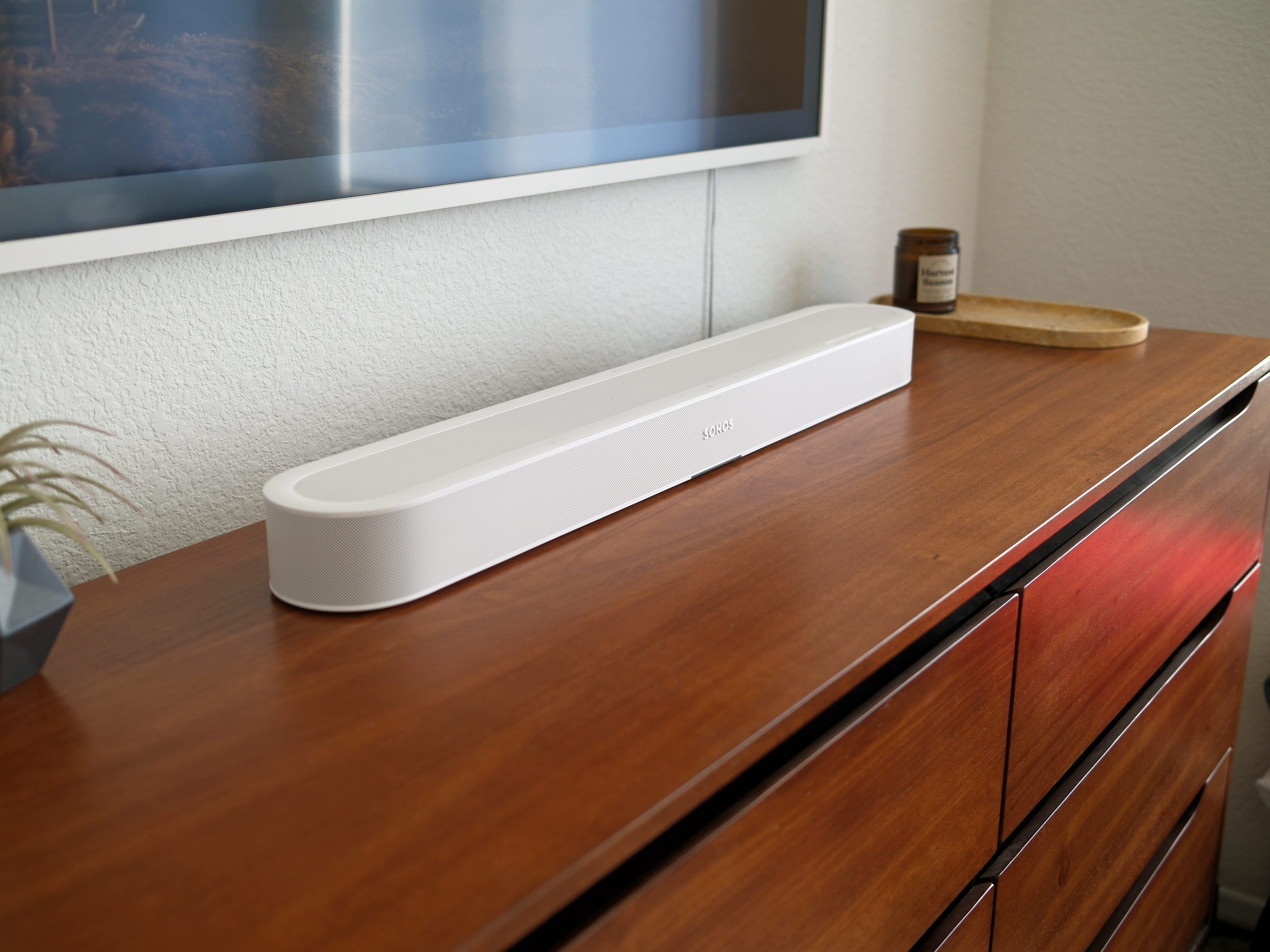
The sleek matte finish remains consistent with Sonos’ aesthetic, blending seamlessly into modern living spaces. Whether nestled beneath a TV or tucked into a media console, the Beam Ultra avoids looking bulky. Its compact size makes it ideal for apartments, studio flats, or any room where space is at a premium—but don’t let its stature fool you. This is not a speaker designed for background noise. It’s built for moments that demand attention.
Sound Performance: Bigger Than It Appears
To test the Beam Ultra’s capabilities, I put it through a rigorous lineup of content: blockbuster films like Interstellar and Dune, tense thrillers such as Tenet, and even everyday viewing like sitcoms and scripted dramas. The results were consistently impressive.
With Interstellar, the deep bass of the spacecraft engines and the vast silence of space were rendered with remarkable clarity. The dialogue remained crisp and centered, even during chaotic sequences. In one scene, where Cooper descends into the black hole, the low-frequency tones created a tangible pressure in the room—though not quite matching the visceral rumble of the Arc Ultra’s Sound Motion technology, it was still deeply immersive.
For Dune, the Beam Ultra truly shined. The swirling sandstorms, the mechanical hum of the ornithopters, and the ethereal score all seemed to emanate from different points in the room. Even in a 20-foot-wide living area, the soundstage felt expansive—so wide that it sometimes felt like multiple speakers were in play, despite there being just one.
And yet, the speaker never overwhelmed the space. It maintained excellent balance, ensuring that voices stayed clear and distinct, even during loud action sequences. This is thanks in part to Sonos’ advanced beamforming technology, which focuses sound precisely where it’s needed—directly toward the listener.
While it may lack the full-force subwoofer rumble of the Arc Ultra, the Beam Ultra compensates with precision and clarity. It’s not about raw power—it’s about intelligent sound distribution, making every note and effect feel intentional.
Final Thoughts: Who Should Consider the Beam Ultra?
If you’re looking to step up your home theater game without investing in a full surround system or spending over $1,000, the Beam Ultra delivers exceptional value. It’s perfect for:
- Small to medium-sized rooms
- Apartment dwellers with space constraints
- Fans of Dolby Atmos who want authentic overhead effects
- Audiophiles seeking versatile connectivity options
- Anyone wanting a seamless integration into the Sonos ecosystem
It’s not just a soundbar—it’s a statement of what modern audio should be: compact, powerful, and thoughtfully designed.
Enhanced Audio Performance with a Focus on Clarity and Immersion
While the Sonos Beam Ultra doesn’t include every feature found in its larger sibling, the Arc Ultra, it still outperforms the standard Beam Gen 2 in several key areas—particularly when it comes to bass response and overall sonic resonance. The Beam Ultra delivers deeper, more controlled low-end frequencies that add weight and dimension to cinematic soundscapes and music tracks alike. This improvement is especially noticeable during intense action sequences or bass-heavy musical compositions, where the extra punch enhances immersion without muddying the mid and high ranges.
Volume levels are equally impressive. Pushing the soundbar beyond 60% volume produced a loud, clear output that filled even moderately sized rooms. At higher settings, I found myself wondering if neighbors might have been able to hear the movie soundtrack through the walls—especially during scenes with explosive sound effects or orchestral swells. That said, the system maintains clarity and balance at all volume levels, avoiding distortion or harshness that often plagues budget-friendly soundbars.
Beyond sheer power, the Beam Ultra stands out for its superior audio clarity. Dialogue remains crisp and intelligible, even during chaotic scenes with layered sound effects and background noise. Sonos’ Speech Enhancement technology further boosts vocal clarity by using AI-driven algorithms to isolate human voices from ambient audio. While this feature can be toggled on and off, I found that I rarely needed it—dialogue was consistently understandable even without activation. When enabled, however, the medium setting delivered a natural-sounding boost to the midrange, enhancing speech without compromising the integrity of other frequencies.
The feature offers four adjustable levels in the Sonos app, allowing users to tailor the enhancement to their preferences and viewing environments. For most content—especially dialogue-heavy shows and movies—the medium setting strikes the perfect balance between clarity and realism.
Dynamic Wireless Surround Sound and Seamless Integration
One of the Beam Ultra’s most exciting new capabilities is its support for dynamic wireless surround speakers. While adding rear speakers to a soundbar isn’t a novel concept, what sets the Beam Ultra apart is its compatibility with Sonos’ battery-powered portable models. This means you can now use two Sonos Play speakers as wireless rear channels without needing permanent wiring or fixed placements.
To test this setup, I paired two Play speakers behind my seating area and configured them via the Sonos app. After a brief calibration process, they automatically synced with the Beam Ultra and functioned as true surround channels. Playing Dune: Part Two revealed just how effective this configuration could be—especially during the iconic sandworm ride sequence. The combination of front, center, and rear audio created a truly enveloping experience, with sound moving fluidly around the room.
This flexibility is a game-changer for homes with limited space or non-traditional layouts. Unlike fixed surround systems that require dedicated speaker placement and cabling, the Beam Ultra’s wireless rear speaker integration allows for temporary, adaptable setups. Whether you're hosting a movie night or simply want to experiment with spatial audio, this feature opens up new possibilities without sacrificing aesthetics or convenience.
For those seeking an even more immersive experience, pairing the Beam Ultra with a wireless Sonos subwoofer would likely elevate the soundstage to near-professional levels. While not required, the addition of a sub would enhance depth and impact, particularly in scenes with heavy bass or deep rumbling effects.
Effortless Audio Switching and Privacy-Conscious Voice Control
Another standout feature is Sonos’ audio swap functionality, which enables seamless transitions between the Beam Ultra and compatible headphones—specifically the Sonos Ace Ultra. By pressing a single button on the remote or within the app, playback instantly shifts from the soundbar to your headphones and back again. This is incredibly useful for late-night viewing or shared living spaces where quiet listening is essential.
I tested this feature multiple times across different scenarios—switching from a loud action film to a quiet drama—and each transition was instantaneous and smooth, with no dropouts or delays. The ability to maintain continuity without interrupting playback adds significant value for users who prioritize flexibility and discretion.
Voice control is also available through Sonos’ proprietary "Hey Sonos" system. You can issue commands like “Play jazz music” or “Turn down the volume” directly to the soundbar. What makes this system stand out is Sonos’ commitment to user privacy. All voice processing happens locally on the device, meaning your voice data never leaves your home or gets sent to cloud servers. This approach ensures that personal information remains secure—a growing concern in today’s connected devices.
However, the Beam Ultra currently lacks integration with major third-party digital assistants such as Amazon Alexa or Google Gemini. This limits its ability to handle complex tasks like smart home automation, weather queries, or multi-step requests. While Sonos has not ruled out future firmware updates that might bring these features, there’s no official confirmation yet. For users who rely heavily on voice assistants, this absence may be a notable drawback.
Final Verdict: Is the Sonos Beam Ultra Worth It?
The Sonos Beam Ultra is a compelling choice for anyone looking to upgrade their TV audio experience—especially in smaller or space-constrained environments. Its compact design belies its powerful 7.1.2 Dolby Atmos capabilities, delivering rich, expansive sound that rivals much larger systems. Whether you’re watching blockbuster films, streaming documentaries, or enjoying music, the Beam Ultra provides consistent performance across all content types.
Compared to the pricier Arc Ultra, the Beam Ultra offers nearly all the same premium features at a more accessible price point. Unless you’re working with a very large room or demand the absolute peak performance, the Beam Ultra represents the best value in Sonos’ current lineup.
After weeks of testing, I’ve come to view it as the go-to recommendation for anyone considering a Sonos soundbar. Its blend of compact size, powerful audio, innovative wireless features, and thoughtful design makes it a top-tier option in its class. If you’re ready to step up from your TV’s built-in speakers, the Beam Ultra delivers exactly what you need—without compromise.
Post a Comment for "Sonos Beam Ultra Review: Tiny Size, Massive Dolby Atmos Sound"