
Stockton’s South Airport Way Senior Housing Takes a Bold Step Forward
A New Chapter for Senior Housing in Stockton: Fairview Terrace Breaks Ground Amid Funding and Process Debates
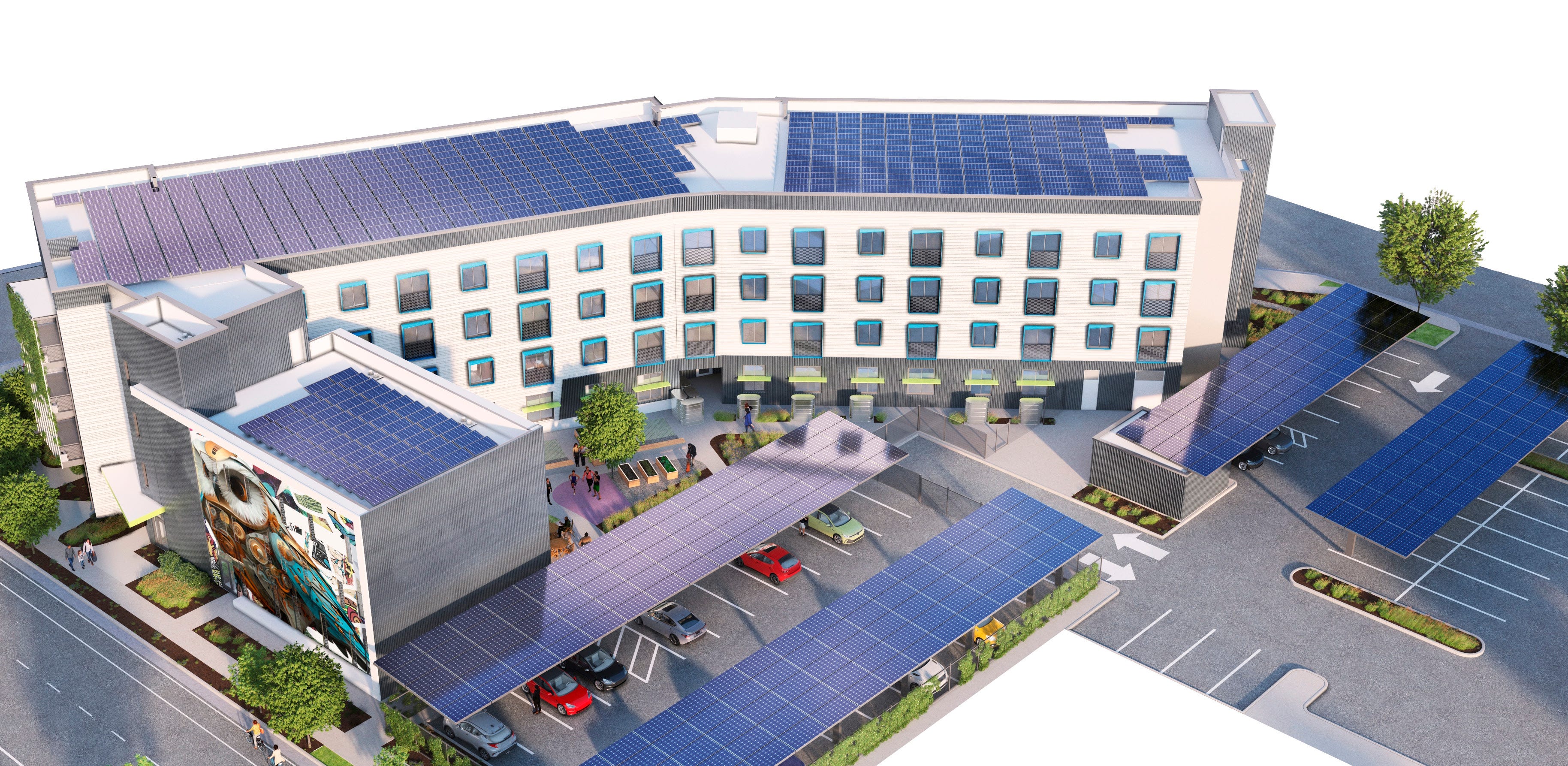
After years of delays and mounting challenges, a long-awaited senior housing project is finally on the verge of becoming a reality in Stockton. The Fairview Terrace development, set to deliver 76 units of affordable housing specifically for seniors, is poised to break ground later this April. This milestone comes after the Stockton City Council unanimously approved $2.8 million in gap financing—critical funding that will bridge a growing financial shortfall and allow the project to move forward with full construction.
The initiative, led by Mutual Housing, has been in the works for some time. It previously received $7 million in city funding during 2024 and successfully secured federal Low-Income Housing Tax Credits (LIHTC), a key component in making affordable housing projects financially viable. However, unforeseen shifts in market conditions have disrupted the project’s financial trajectory. A decline in expected tax credit pricing, coupled with rising construction costs, created a $2.8 million gap that threatened to derail the entire effort.
Tina McCarty, Stockton’s director of economic development, emphasized the urgency behind the council’s decision. “This one is ready,” she stated, underscoring that the developer was on the brink of closing its financing package within days. Without swift approval from the city council, Stockton would lose the opportunity to access additional federal funds tied to the project timeline. The timing was critical—delays could mean losing not just the current funding but also future support mechanisms essential for low-income housing initiatives.
The Fairview Terrace site is located at 2222 S. Airport Way, an area that has long stood as a neglected eyesore in the community. Vice Mayor Jason Lee reflected on the transformational potential of the project, noting, “This has been an eyesore in the district for a long time, for years.” He praised the council’s ability to act decisively, calling it a significant step toward revitalizing a struggling neighborhood and addressing a pressing need for senior housing.
While the Fairview Terrace project moved forward with unanimous support, the council also made a consequential decision regarding another stalled initiative—the Sierra Vista Phase III project. In a separate unanimous vote, the council approved deobligating approximately $1.6 million in allocated funds. That money had been reserved since 2019 but remained unspent due to lack of progress by the developer, Delta Community Developers Corporation. The company agreed to release the funds after acknowledging that the project was unlikely to move forward in the near term.
Originally intended to support new affordable housing developments under the city’s 2025 Notice of Funding Availability process, these freed-up funds were instead deferred. Despite staff recommendations to allocate roughly $11.9 million across multiple promising proposals, the council chose to pause and gather more information before making final decisions.
Staff had proposed several targeted allocations: - $5 million to Visionary Home Builders, contingent on which of two projects secures full financing first: The View at Channel (132 family units at 31 E. Channel St., built on the site of the former state building) or The Don Shalvey Apartments (108 family units on the former DMV site at 710 N. American St.). - $4.18 million to Delta Community Developers Corporation for the Danny Drive development (66 senior housing units at 6303 Danny Drive).
However, the council’s decision to delay awarding these funds sparked debate among members about fairness and transparency in the selection process.
District 4 Councilmember Mario Enríquez voiced strong concerns about the uneven treatment of applicants. While staff had recommended four specific projects based on a scoring system that included both human review and artificial intelligence components, only those selected were invited to present at the meeting. Some applicants who were not recommended were allowed to speak at the podium—raising questions about procedural equity.
“I don’t know if this is even appropriate to have these groups present and say they’re shovel-ready or not, and this and that, to throw this council off,” Enríquez said. “I’ve never seen a process like this before, where you’ve done your due diligence. Your staff has done the scoring. You said that they were all notified and recommended that these four groups come, yet now some of these groups are here to make a pitch.”
McCarty confirmed that not all applicants had been invited to the meeting, clarifying that only those recommended by staff were asked to attend to answer detailed questions. Still, the perception of imbalance lingered.
Mayor Christina Fugazi defended the open nature of the meeting, pointing out that the council had historically gone against staff recommendations in prior decisions. “It’s an open meeting,” she noted, emphasizing the council’s right to consider input from any stakeholder—even those not formally recommended.
Public comment sessions further highlighted the urgency of action. Residents stressed the need for faster delivery of housing, especially in downtown Stockton, where housing shortages continue to hinder economic growth and workforce retention.
“We cannot wait five to seven years,” said Stockton resident Jane Chamberlain. “Building now, not later, means workers living closer to their jobs, students able to stay and build their futures here, more activity, more customers and more momentum for downtown Stockton.”
In response to these concerns—and the broader debate over fairness and process—the council directed city staff to invite all remaining applicants from the competitive funding cycle to present their proposals at a future meeting. This includes eight total applicants who participated in the original evaluation process.
The next steps will be crucial. With the Fairview Terrace project moving ahead and other developments awaiting formal decisions, Stockton stands at a pivotal moment in its ongoing efforts to address housing insecurity, revitalize neighborhoods, and ensure that vulnerable populations—especially seniors and families—have safe, affordable homes.
Next Steps for Senior Housing Development in Stockton
The future of senior housing on South Airport Way in Stockton remains uncertain as the city council prepares to revisit key funding decisions in an upcoming session. While initial progress has been made toward advancing this vital project, several financial and logistical hurdles still need to be addressed before construction can move forward. Council members have acknowledged that the current proposal requires additional review, particularly regarding long-term sustainability, community impact assessments, and alignment with broader city planning goals.
The proposed development aims to provide affordable, accessible housing for low-income seniors in a region where demand continues to outpace supply. With Stockton’s population aging rapidly—over 15% of residents are now aged 65 or older—the need for safe, supportive housing options is more pressing than ever. The project, if approved, would include 48 units designed specifically for seniors, featuring ADA-compliant layouts, on-site social services, and energy-efficient infrastructure.
A rendering of the proposed senior housing complex on South Airport Way, showcasing modern design elements and accessibility features such as ramps, wide doorways, and designated parking.
Local advocates and nonprofit organizations have voiced strong support for the initiative. “This isn’t just about buildings—it’s about dignity, independence, and quality of life for our elders,” said Maria Lopez, executive director of the Stockton Senior Advocacy Network. “Too many seniors are forced to live in overcrowded homes or face homelessness because there simply aren’t enough affordable housing options tailored to their needs.”
However, concerns remain among some neighborhood groups about potential increases in traffic, strain on local resources, and changes to the character of the area. To address these issues, city planners have committed to conducting a comprehensive environmental and community impact study before finalizing any approvals. Public input sessions are also being scheduled to ensure transparency and allow residents to voice their opinions directly.
Financial Challenges and Funding Pathways
One of the most significant barriers to moving forward is securing stable, long-term funding. Although preliminary grants from state and federal agencies have been secured—including $2.3 million from California’s Department of Housing and Community Development—the total cost of the project is estimated at $12 million. City officials are exploring multiple avenues to close the gap, including:
- Applying for additional state housing incentives through the Affordable Housing Program
- Partnering with private developers under a public-private partnership model
- Seeking donations and sponsorships from local businesses and philanthropic foundations
- Leveraging tax increment financing (TIF) districts to generate ongoing revenue
City Manager David Tran emphasized the importance of fiscal responsibility. “We’re not just building homes—we’re investing in the long-term health of our community. Every dollar must be accounted for, and every decision must prioritize both affordability and accountability.”
What’s Next?
The next council meeting is expected to include a formal vote on whether to approve a revised funding plan and issue a request for proposals (RFP) to qualified developers. If approved, the RFP process could begin within the next two months, with construction potentially starting by mid-2025.
Residents interested in staying informed can sign up for updates via the city’s official website or attend upcoming community forums. The project team will also maintain a dedicated email address: seniorhousing@stocktonca.gov for inquiries and feedback.
A community forum held in September 2024, where residents, city officials, and advocacy groups discussed the proposed senior housing project and shared concerns and suggestions.
As Stockton continues to grow and evolve, developments like this one underscore the city’s commitment to inclusive, equitable growth—one that ensures no resident is left behind, especially those who helped build the city’s foundation. For now, the path ahead remains cautious but hopeful, with stakeholders united in the goal of creating a safer, more compassionate future for all.
Post a Comment for "Stockton’s South Airport Way Senior Housing Takes a Bold Step Forward"