
The Secret Behind the Alfa Romeo Busso V6’s Legendary Appeal
The Legacy of Alfa Romeo’s Iconic Busso V6 Engine
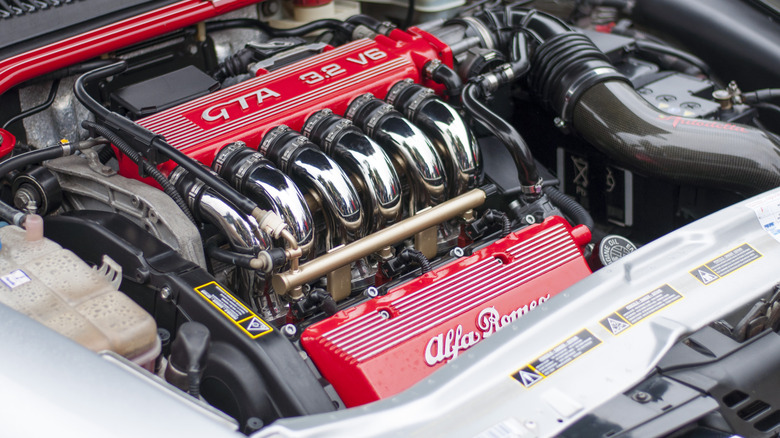
Few names in automotive history evoke as much passion and reverence as the Alfa Romeo Busso V6. Revered by enthusiasts and celebrated for its unique character, this engine stands as one of the most distinctive powerplants ever produced by an Italian manufacturer. Its story is not just about engineering brilliance—it’s a tale of vision, perseverance, and emotional resonance that transcends mere horsepower figures.
The engine was born from a bold ambition: to give Alfa Romeo a modern, high-performance V6 capable of powering its next generation of vehicles. In the late 1960s, the brand was riding a wave of success fueled by iconic models like the Giulia and GTAM. But with larger, more sophisticated cars on the drawing board, Alfa needed something new—something more powerful than its trusted four-cylinder engines could deliver. That task fell to Giuseppe Busso, a man whose legacy would become inseparable from the engine he created.
Busso wasn’t just any engineer. A former technical director at Ferrari, he had played a pivotal role in developing the marque’s first in-house V12 engine—a milestone in automotive engineering. When he joined Alfa Romeo, his mission was clear: craft a V6 that would be both powerful and emotionally engaging. By the early 1970s, his team had made significant progress, but the looming oil crisis of 1973 dealt a devastating blow to the industry. Fuel prices soared, consumer demand plummeted, and many projects were scrapped. The Busso V6 project was no exception—pushed into indefinite delay during what became known as the “dark years” of Alfa’s development.
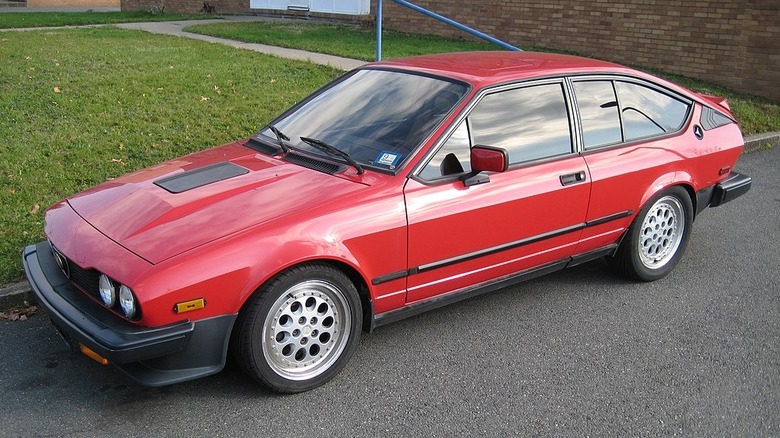
Yet Busso refused to let go of his vision. After years of waiting, the engine finally saw the light of day in 1979, debuting in the Alfa Romeo GTV6—a sleek, sporty fastback coupe that captured hearts instantly. The world had waited, but it was worth it.
Engineering Brilliance Meets Unconventional Design
The original Busso V6 was a marvel of craftsmanship and innovation. For durability under stress, engineers equipped it with a forged steel crankshaft and connecting rods—components that ensured longevity even under aggressive driving. However, Alfa took a small cost-cutting measure by using cast pistons instead of forged ones, a decision that would later contribute to reliability concerns in some variants.
The valvetrain was relatively straightforward: dual overhead camshafts (DOHC) with two valves per cylinder. But the real standout feature was the fuel delivery system. In an era when electronic fuel injection was becoming standard, Busso insisted on a radical alternative: six individual Dell’Orto carburetors—one per cylinder. This setup promised superior throttle response and a more direct, visceral connection between driver and machine. While undeniably complex and notoriously difficult to tune, it delivered a driving experience unlike anything else on the road.
Eventually, technology evolved. Bosch L-Jetronic fuel injection replaced the carburetors in later versions, offering better efficiency and emissions control without sacrificing performance. Still, the soul of the engine remained intact—the unmistakable sound.
The Voice That Defined a Generation
It was the sound that made the Busso V6 legendary. Enthusiasts often refer to it as “Alfa’s Violin” or “Aresse’s Violin,” named after Arese, the town where Alfa’s production facilities were located. The engine’s high-revving nature, combined with its free-breathing exhaust system, produced a hauntingly beautiful note—melodic, resonant, and deeply emotional. In 2011, EVO magazine declared it “the most glorious-sounding six-cylinder road engine ever built,” a testament to its enduring appeal.
Power output started modestly at 156 horsepower from a 2.5-liter displacement—unimpressive by today’s standards, but competitive in its time. At a moment when even the Chevrolet Corvette’s V8 barely exceeded 190 horsepower, the Busso V6 stood out not for brute force, but for its character.
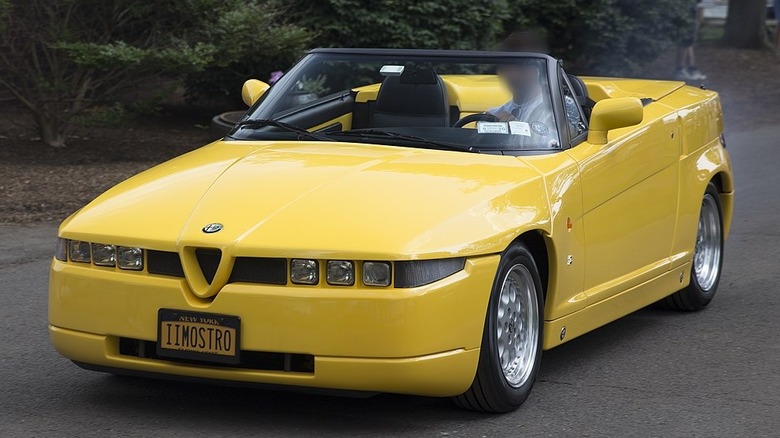
Over the years, the engine evolved significantly. Bore and stroke were increased, valve counts rose to four per cylinder, and the engine was adapted for front-wheel drive layouts. Turbocharging arrived in the 1990s, culminating in the “Big Bossa” version—a 3.2-liter powerhouse producing 247 horsepower. It powered some of Alfa’s most sought-after models, including the limited-edition R.Z. and S.Z. sports cars, which remain cult favorites among collectors.
A Final Bow and a Lasting Memory
The final Busso V6 rolled off the assembly line on December 31, 2005. Tragically, Giuseppe Busso passed away just days later—a poignant coincidence that underscored the deep personal connection he had with his creation. Despite being retired, the engine’s influence lingered. Due to massive stockpiles, many Busso V6 units were still used in new Alfa Romeo models as late as 2010.
Today, the Busso V6 remains a symbol of Italian engineering passion. It may not have been the most reliable or the most powerful V6 ever built, but it was undoubtedly one of the most beloved. From Jeremy Clarkson’s emotional purchase of a red GTV6 after filming The Grand Tour, to its starring role in countless enthusiast stories, the Busso V6 continues to inspire awe.
For those who’ve driven one, heard it roar, or simply admired it from afar—this engine isn’t just metal and moving parts. It’s music. It’s history. It’s soul.
Post a Comment for "The Secret Behind the Alfa Romeo Busso V6’s Legendary Appeal"