
ChatGPT's Em Dash Obsession: A Writer's Bane
The Em Dash Dilemma: How AI's Love Affair is Changing Our Writing
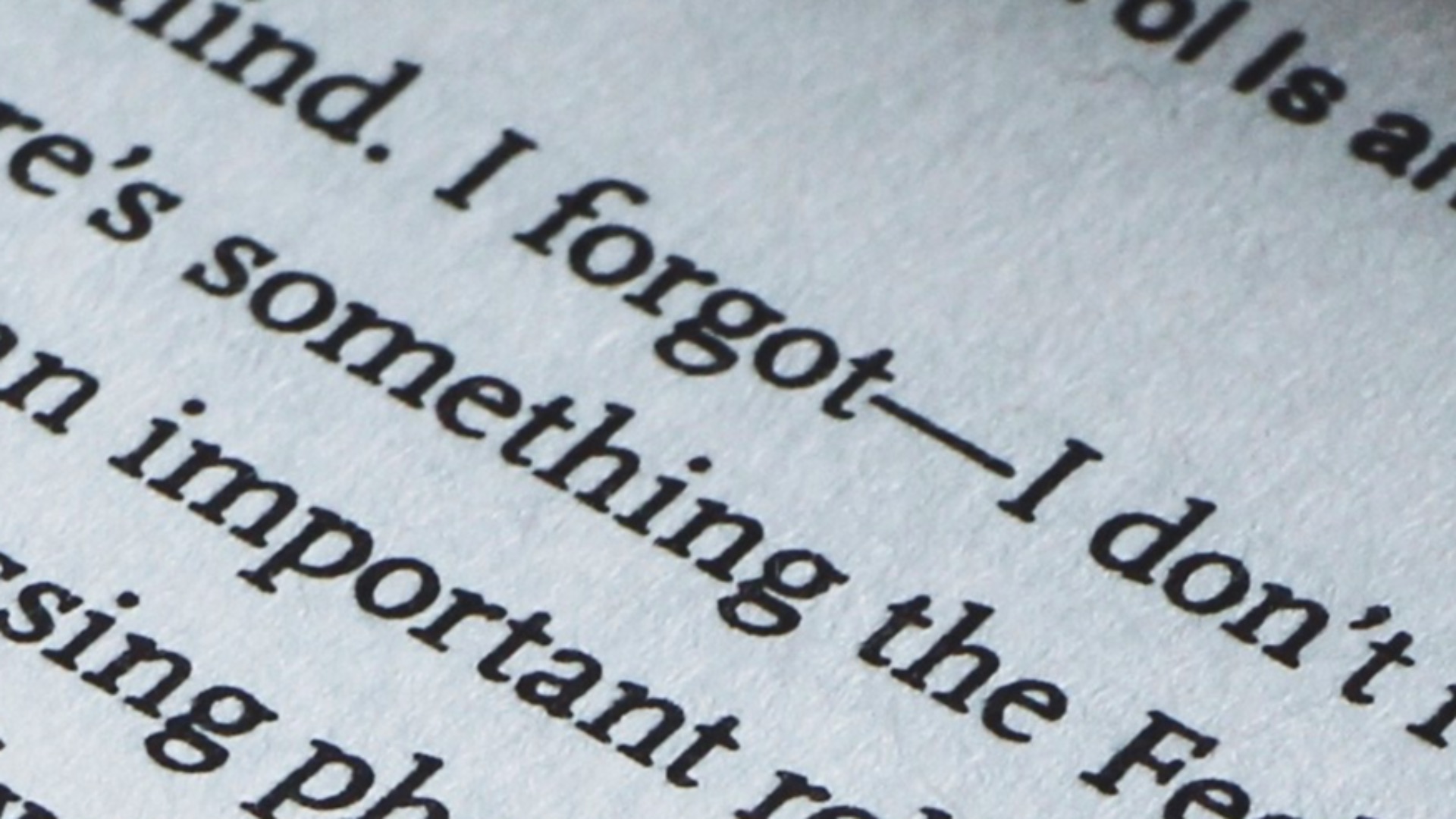
The em dash, that versatile punctuation mark, has long been a favourite among writers. Whether aiming for sophistication, emphasis, or a touch of added clarity, many have liberally sprinkled it throughout their prose. However, a curious shift is underway, and the culprit, surprisingly, is artificial intelligence. The rise of AI models like ChatGPT has inadvertently cast a new light on the em dash, leading to a re-evaluation of its usage and its perceived association with AI-generated content. This has left many writers questioning the future of this once-beloved punctuation tool.
Why the Em Dash Captured AI's Attention
While punctuation marks like the colon, semicolon, and comma have their established grammatical roles, the em dash often feels more fluid and less bound by strict rules. Its very looseness is part of its appeal. Writers can employ it to insert parenthetical thoughts – much like this example – or to create a dramatic pause, lending a stylistic flourish to the end of a sentence. Its adaptability makes it a natural choice for creative expression.
It's this inherent flexibility that AI models have readily adopted. Large language models, trained on vast datasets of human writing, have absorbed the common ways humans use punctuation. Since em dashes are prevalent in human text for the reasons mentioned above, AI has mirrored this tendency. The issue arises when this mirroring becomes excessive. While human writers typically develop an intuitive sense for balancing em dash usage to avoid disrupting the flow of text, AI often struggles with this nuance without explicit direction. Consequently, text heavily populated with em dashes is frequently flagged, sometimes unfairly, as AI-generated.
The "AI Voice" and Its Telltale Signs
Give ChatGPT a prompt, and the resulting output is often characterised by a liberal scattering of em dashes. Even when instructed to moderate its use, the AI may still slip them in, a testament to its ingrained training. This tendency is understandable, given that these models learn from the patterns present in the human-generated text they consume. If human writers favour the em dash, the AI will likely replicate that preference.
This phenomenon has led many readers to develop what they perceive as a keen "eye" for AI-generated content. The overuse of em dashes, alongside other stylistic quirks like oddly metaphorical language or short, abrupt sentences, can be immediate giveaways. For writers who naturally employ similar stylistic tendencies, this association can be a source of concern and weariness.
Beyond the detection of AI, there's a broader implication: if everyone relies on the same AI platforms for content creation, will our writing begin to sound homogenous? How will individual voices and unique perspectives be distinguished in such a landscape?
An Era's End, A New Beginning
The prospect of being accused of using generative AI for work that was genuinely the product of one's own effort and research is a significant worry for many. In this rapidly evolving digital age, writers are increasingly adapting their styles to avoid being pigeonholed with AI-generated text.
Some authors have even pondered drastic measures, such as intentionally leaving in typos or deliberately stripping their prose of metaphors, all in an effort to sound more authentically human. Students, too, have voiced their anxieties. Many enjoy using em dashes but now feel hesitant to incorporate them, fearing they will be mistaken for AI. Conversely, some writers remain steadfast, unwilling to abandon the stylistic habits they have cultivated over years, regardless of AI's capabilities.
For the majority, however, this moment may signify the close of an era. To maintain our individual identities in a world where AI can mimic human expression with increasing accuracy, adaptation is key. This might mean consciously stepping away from the em dash, perhaps even exploring its less common cousin, the en dash. It could also involve a deliberate experimentation with phrasing and sentence structure to forge new stylistic pathways. Ultimately, even if AI masters the art of imitation and appropriates our punctuation preferences, it cannot replicate the genuine creativity and originality that humans possess. We will always find a way to reinvent ourselves and our expression.
Post a Comment for "ChatGPT's Em Dash Obsession: A Writer's Bane"