
When chicken noodle soup helps your health – and when it doesn’t
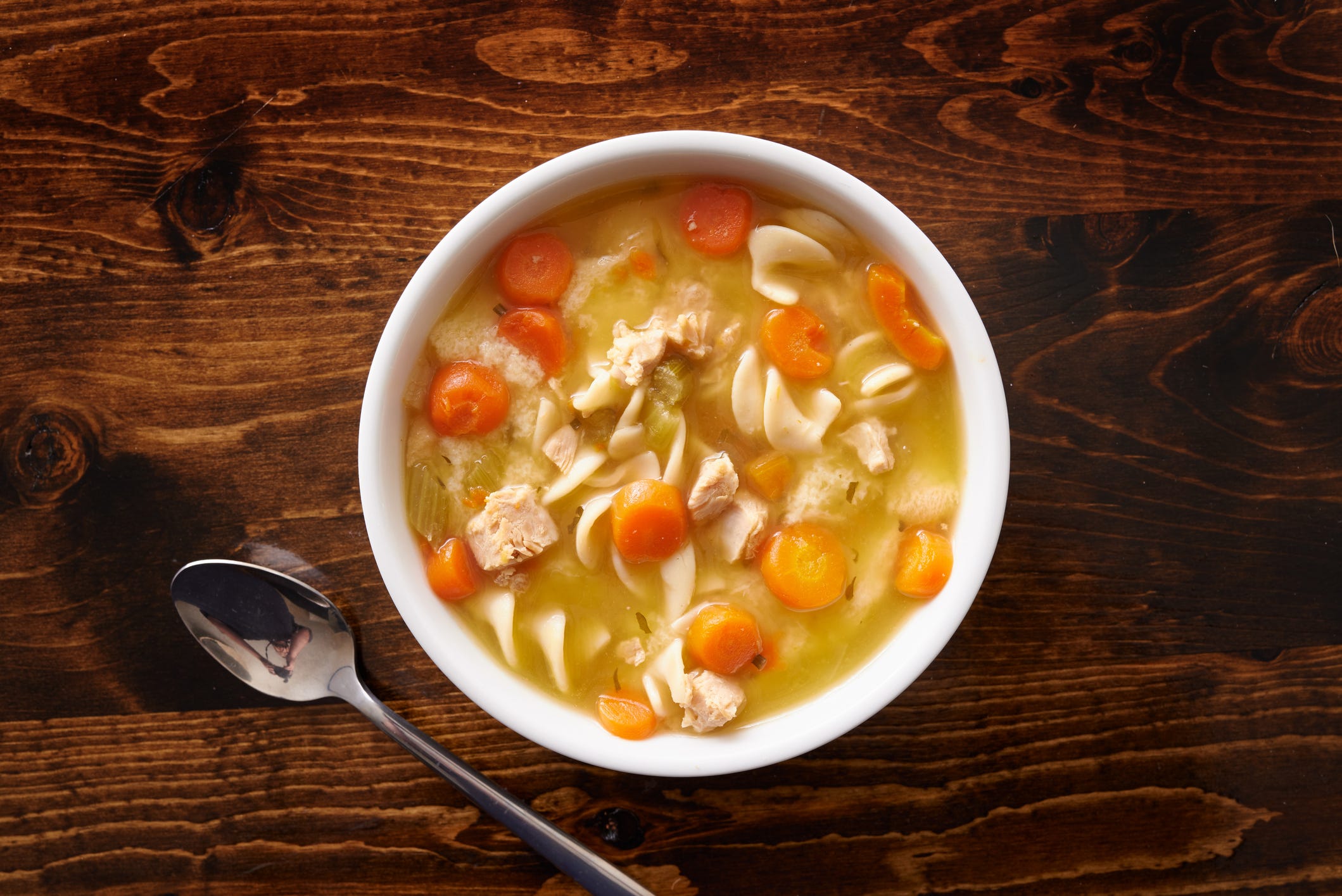 Few things offer the same immediate sense of comfort as a steaming bowl of chicken noodle soup, particularly when the weather turns frosty or when you're feeling under the weather. Its rich, savoury aroma, gentle warmth, and familiar tastes often transport us back to childhood, to cosy kitchens, and to those cherished moments of being looked after when we're unwell.
Across the globe, chicken noodle soup is widely recognised as a 'feel-better' food, a staple served during bouts of colds, the flu, or simply on a blustery day. "It's warm, comforting, mild, and easy on the stomach – like wrapping yourself in a warm hug from the inside," explains Leslie Bonci, a registered sports dietitian and the driving force behind Active Eating Advice.
However, the comforting aspect of a dish doesn't automatically translate to it being a powerhouse of nutrition. The true healthfulness of chicken noodle soup hinges on the quality of its ingredients, how it's prepared, and how frequently it's incorporated into your diet as part of a balanced eating plan.
What Exactly Is Chicken Noodle Soup?
"At its core, chicken noodle soup is a broth-based concoction typically featuring chicken, noodles, a medley of vegetables, and aromatic herbs," clarifies Lisa Young, a registered dietitian nutritionist, author of "Finally Full, Finally Slim," and an adjunct professor of nutrition at New York University.
While recipes can differ significantly, the common threads usually include tender pieces of chicken (often breast or thigh meat), either egg or wheat-based noodles, vibrant carrots, crisp celery, aromatic onions, and fragrant herbs like parsley or thyme. The soup is generally simmered gently, a process that allows the flavours to meld beautifully while creating a deeply satisfying broth.
Opting for homemade soup grants you the ultimate control over the ingredients and portion sizes. This often means a more generous inclusion of vegetables and larger, more substantial pieces of chicken. Store-bought or restaurant versions can offer a convenient balance of quality and ease, while canned varieties, though long-lasting on the shelf, typically come with higher sodium levels, preservatives, and a less impressive nutritional profile.
A Closer Look at the Veggies
Celery, for instance, is one of those unsung heroes in the vegetable world. It's often overlooked, but its contribution to chicken noodle soup is significant.
The Health Benefits of Chicken Noodle Soup
Regardless of the specific preparation, chicken noodle soup can deliver notable nutritional advantages, especially when crafted with whole, unprocessed ingredients. Chicken, for example, is an excellent source of high-quality protein. "This protein is crucial for supporting immune function, facilitating tissue repair, and helping to maintain muscle mass," notes Young. A standard serving of chicken noodle soup can typically offer between 7 and 15 grams of protein.
The vegetables commonly found in this beloved soup also pack a punch with essential micronutrients. Carrots, a vibrant addition, provide beta-carotene, which the body ingeniously converts into vitamin A. This vitamin is vital for bolstering immune health and maintaining good vision. Celery and onions contribute vitamin C and potassium, both playing key roles in cellular function and maintaining proper fluid balance within the body. "These vegetables, along with others often included, are also rich in antioxidants and phytonutrients that may help to manage inflammation," adds Young.
The humble broth itself plays a supportive role. "Warm liquids are excellent for thinning mucus and alleviating congestion, and the gentle warmth can soothe an irritated sore throat," says Bonci. "Furthermore, the broth provides essential fluids and electrolytes, which are particularly important when fever, sweating, or a reduced appetite increase the risk of dehydration," Young points out.
From a calorie perspective, chicken noodle soup is generally considered moderate. A single cup typically contains between 80 and 150 calories, with the exact number depending on the amount of noodles, fat content, and any added oils. A significant advantage is its digestibility. "Its low fat content, soft textures, and mild flavours make it easier to tolerate, especially when your appetite is diminished or your digestion feels a bit off," explains Young.
Moreover, there's a psychological element at play. "The feeling of being cared for, warm, and nourished can also contribute to stress reduction, which in turn further supports the immune system and aids in recovery," Young suggests.
Managing Stress: A Gentle Reminder
Feeling overwhelmed? Sometimes simple comforts can make a world of difference.
Can You Enjoy Chicken Noodle Soup Daily?
While chicken noodle soup can absolutely be a healthy component of your diet, incorporating it every single day warrants a degree of caution. Sodium is the primary concern, with a typical serving often containing between 700 and 900 milligrams. "This is particularly true for canned or pre-packaged varieties, which can sometimes contain half or even more of your recommended daily sodium intake in just one serving," warns Young. Consistently high sodium consumption can contribute to elevated blood pressure, fluid retention, and bloating.
"Incorporating herbs can be a fantastic way to boost flavour without adding extra sodium," suggests Bonci. "Celery seed, for example, works wonderfully to provide that savoury depth without the salt."
The noodles themselves also warrant consideration. Traditional egg noodles are largely refined carbohydrates with a relatively low fibre content. This can lead to spikes in blood sugar when consumed frequently. "For those who are mindful of their carbohydrate intake, consider reducing the amount of noodles and increasing the quantity of vegetables," advises Bonci. "Rice noodles, rice, or even bean-based pastas can serve as excellent alternatives."
It's also worth noting that "some commercially produced soups are lacking in vegetables and protein, making them less nutritionally complete," adds Young. "Conversely, homemade versions or those with lower sodium content tend to offer more vegetables, higher-quality protein, and much better control over the salt content."
Post a Comment for "When chicken noodle soup helps your health – and when it doesn’t"