
UAE Coffee Crisis: Firm's Losses Soar Amid Rival 'Better Experience'
Costa Coffee Faces Mounting Losses Amidst Intense Market Competition
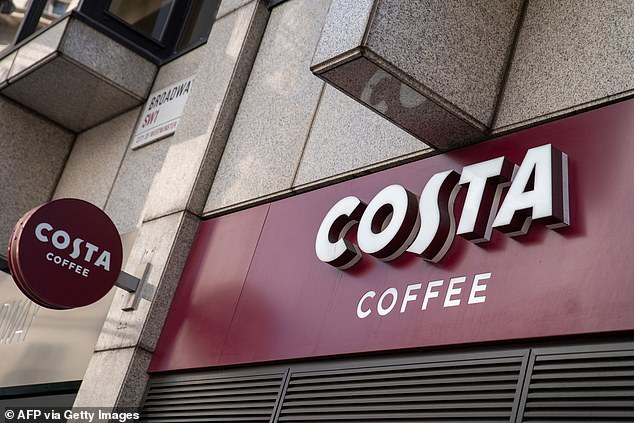
Costa Coffee, a prominent name in the United Kingdom's high street coffee scene, has reported a significant doubling of its operating losses for the fiscal year ending December 2024. The company, owned by global beverage giant Coca-Cola, saw its operating loss widen to £13.5 million, a stark increase from the £5.8 million recorded in 2023. This marks the most challenging year for Costa since the pre-pandemic era, a period when the chain consistently posted annual profits of up to £100 million.
The company attributes these challenging results primarily to a decrease in footfall and the escalating growth of value-oriented competitors. However, industry experts suggest a more complex scenario, pointing to a "triple threat" within the UK's dynamic coffee market.
The Competitive Landscape: A Multifaceted Challenge
The UK coffee market is no longer a simple battleground. Costa Coffee finds itself squeezed from multiple angles:
- Value-led Competitors: Chains like Greggs have capitalised on the cost-of-living crisis, offering significantly cheaper alternatives that appeal to a broad consumer base.
- Premium Offerings: Brands such as Gail's are attracting discerning customers with higher-quality products and a more sophisticated café experience.
- Independent and Artisanal Cafes: A burgeoning network of independent coffee shops across the nation provides unique ambiances, personalised service, and often, a more appealing food offering, all with a less corporate feel.
Clive Black, an analyst at Shore Capital, has described the current situation as "peak Costa" in the UK, suggesting the brand may have reached the limit of its market presence and is therefore more vulnerable to competitive pressures. He highlights that many independent players offer a superior customer experience, with "a better ambience, a better story, so less corporate and much better food."
Factors Contributing to Costa's Struggles
Several interconnected factors are contributing to Costa Coffee's declining fortunes:
- The Cost of Living Crisis: Consumers are increasingly prioritising affordability. This has led to a surge in demand for cheaper options, including those offered by Greggs, McDonald's, and smaller, independent establishments.
- Emergence of New Chains: In recent years, the market has seen the rise of newer, often trendier chains, such as Black Sheep Coffee and Blank Street, which have successfully captured the attention of younger demographics.
- Shifting Consumer Preferences: Younger consumers, in particular, are showing a growing interest in alternative beverages like flavoured matchas, which can divert them away from traditional coffee offerings.
- "Middle-of-the-Road" Positioning: Costa's current market position, offering a mid-range product at prices that, while cheaper than Starbucks, are still perceived as high by some, appears to be a mismatch for current consumer expectations.
- Rising Coffee Bean Prices: The cost of coffee beans has nearly doubled in the past two years, with global prices soaring due to adverse weather conditions and droughts in key producing regions like Brazil and Vietnam. Supply chain disruptions, exacerbated by climate change, are expected to further impact prices.
- Broader Economic Pressures: Beyond the coffee-specific issues, Costa, like many businesses, is navigating the ongoing financial pressures stemming from post-pandemic inflation and increased operational costs, including recent tax changes.
Coca-Cola's Potential Divestment
The financial strain on Costa Coffee has reportedly led its parent company, Coca-Cola, to explore options for divesting the chain. It is understood that Coca-Cola is seeking to sell Costa Coffee for approximately £2 billion.
This potential sale follows acknowledgements from Coca-Cola's chief executive, James Quincey, that the acquisition of Costa had "not quite delivered" and had not met the company's initial investment expectations.
Costa Coffee: A Legacy Facing Uncertainty
Founded by Italian brothers Bruno and Sergio Costa in London in 1971, Costa Coffee has grown to operate over 2,500 branches across the UK. The company's spokesperson stated that Costa Coffee achieved like-for-like revenue growth in 2024 and demonstrated operational resilience despite inflationary pressures. They added that the company continues to invest in its UK presence and global expansion, with the aggregated results being part of The Coca-Cola Company's broader portfolio. The spokesperson reiterated that since its acquisition by Coca-Cola in 2019, Costa Coffee has experienced continued revenue growth and remains integral to Coca-Cola's strategy of offering a diverse range of beverages.
The current financial performance and potential sale raise significant questions about the future of this iconic high street brand and its ability to adapt to the evolving demands of the UK's competitive coffee market.
Post a Comment for "UAE Coffee Crisis: Firm's Losses Soar Amid Rival 'Better Experience'"