
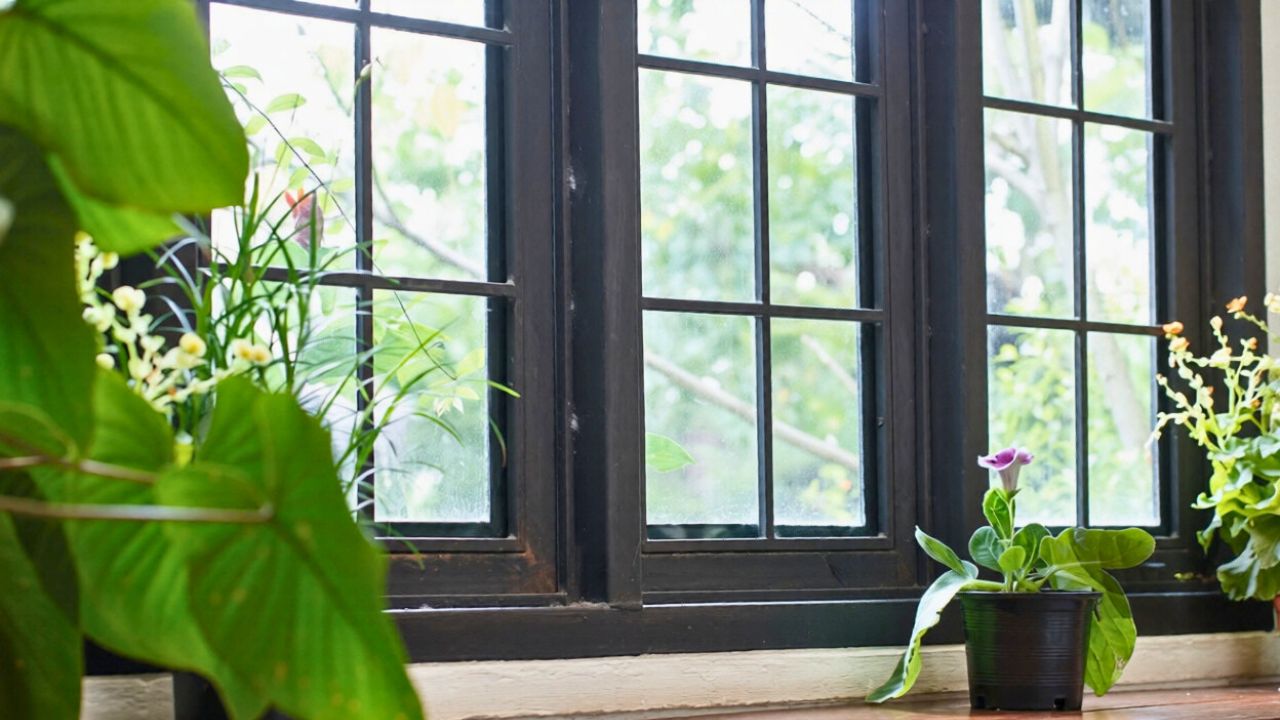
 Black-framed windows have surged in popularity, becoming a go-to choice for homeowners aiming for a sleek, modern aesthetic. When executed flawlessly, they possess the power to dramatically transform the interior and exterior appeal of a home. However, this stylish upgrade is not without its pitfalls; it demands meticulous attention to detail during installation, and the chosen product must be suitable for your specific climate and architectural style. Before embarking on this renovation, it's crucial to understand not only the immediate visual impact but also the often-unseen elements that will dictate the windows' performance and longevity for the next decade.
This guide delves into the design allure of black-framed windows and the very real risks that can undermine their promise due to subpar installation, inappropriate materials, or rushed workmanship. By the end, you'll be equipped to identify potential red flags, formulate the right questions, and ensure that those aspirational window images translate into a valuable home asset rather than a costly source of frustration.
The Irresistible Appeal of Black-Framed Windows
The ubiquity of black window frames, from new suburban developments to revitalized urban lofts, is no accident. Their sharp lines and striking contrast against lighter walls create a sophisticated, gallery-like backdrop that elevates even the simplest decor. Over the past several years, black windows have solidified their position as a dominant design trend, seamlessly integrating into both contemporary and traditional homes. Their sleek profiles convey a sense of custom quality, even when applied to relatively standard window units, a perceived upgrade that significantly contributes to their widespread appeal.
Designers also favor black frames for their remarkable versatility. They can sharpen the facade of a farmhouse, evoke the industrial spirit of loft living with their resemblance to steel factory windows, or provide a subtle, elegant frame for a picturesque view in a minimalist townhouse. This adaptability is a key selling point, promising not just a refreshed look but an elevated home aesthetic built on beauty and craftsmanship that endures. While the visual appeal is readily apparent, it's the underlying craftsmanship that truly determines the long-term success of this upgrade.
The Hidden Peril: A Superior Window Undermined by Installation
When selecting new windows, it's natural to focus on brand reputation, glazing options, and aesthetic choices. However, the less glamorous, yet equally critical, aspect is the quality of the installation. Industry experts consistently warn that window replacements can falter not due to product defects, but due to installation deficiencies. Without adequate training or diligent oversight, significant errors are far more common than homeowners might suspect. This risk is amplified with dark frames, which are more susceptible to expansion and contraction with temperature fluctuations, making them unforgiving of imprecise fits and shortcuts.
Once a window unit is foamed, trimmed, and sealed, the critical details within the rough opening become invisible. You can no longer verify if the flashing was correctly layered, if the sill was properly sloped to shed water, or if fasteners were anchored into solid framing rather than crumbling masonry. These are the unseen elements that protect your home's structure from water intrusion and ensure the smooth operation of window sashes for years to come. When these details are compromised, the consequences may not be immediately apparent, perhaps taking a season or two to manifest. However, by the time water stains, bothersome drafts, or cracked plaster appear, the underlying damage can be extensive and costly to repair. This underscores the vital point that even a premium window can become a significant liability without proper installation expertise.
Why Black Frames Demand Greater Precision Than White
Color is more than just an aesthetic consideration; it's a functional variable that impacts a window's performance. Dark frames absorb more solar radiation than their lighter counterparts. Consequently, black vinyl or composite window components can reach significantly higher temperatures on sun-drenched elevations. This intensified heat accelerates the natural processes of expansion and contraction. If a window unit is not installed perfectly plumb, level, and with the appropriate clearances, the increased thermal movement can lead to binding sashes, cracked caulk lines, or warped frame members much sooner than would be observed with lighter-colored windows. Some homeowners have shared their experiences in online design forums, noting that while manufacturers now offer better coatings and capstock technologies, the fundamental physics remain: a black frame exposed to direct sun, particularly on south or west-facing exposures, will inherently run hotter than a white one. This reality prompts some contractors to advise homeowners to carefully consider the long-term behavior of dark frames, especially in climates with intense sun, as improper window choices can trap heat, stress the building envelope, and potentially reduce the lifespan of the home.
Installation Errors That Can Sabotage Black Windows
Even with the selection of a high-quality product, a few specific installation mistakes can easily derail the entire upgrade. One of the most prevalent issues involves the improper use of spray foam insulation around the window frame. Installers, and sometimes even DIY enthusiasts, may opt for high-expansion foam due to its availability or perceived cost-effectiveness. However, this type of foam continues to expand as it cures, exerting pressure that can bow window jambs or distort the frame itself. Professional guidance is unequivocal on this point: the wrong type of foam, particularly expanding varieties, can lead to significant problems with window frames and cause wood jambs to bow, thereby increasing maintenance needs and detracting from the aesthetic appeal.
Specialists in DIY home improvement echo this warning, identifying the use of incorrect foam as a classic and common error. They emphasize that spray foams are available in both expanding and non-expanding formulations, and only non-expanding foam is suitable for application around window frames. This caution is reinforced by professional remodeling advice, which frequently lists misapplied spray foam as one of the most common window installation mistakes. Once the trim is installed, correcting distortions caused by the wrong type of foam can become an almost insurmountable challenge.
The Silent Threat of Water Intrusion and Flashing Failures
While black frames draw the eye to the glass, the critical battle against water infiltration is waged within the rough opening behind the window. Proper management of water is paramount; otherwise, it can silently seep into your home's walls. A crucial element in this defense is the head flashing, a metal or flexible component installed above the window to direct water away from the top edge of the frame. Technical guidance highlights the vital role of head flashing in diverting water away from the head jamb or trim. Without it, water can be channeled directly into and behind your home's siding or stucco. The consequences extend far beyond a simple draft; they can lead to wood rot, mold growth, and significant structural damage requiring extensive repairs.
A thorough examination of installation failures also underscores that head flashing is an integral part of a larger water management system. This system includes sill pans, properly sealed joints, and seamless integration with the building's weather-resistive barrier. If any of these components are omitted, incorrectly installed, or improperly integrated, water can be directed into the wall cavity instead of being effectively shed away from it. With visually striking black windows, the aesthetic drama can sometimes distract from subtle early warning signs, such as faint water stains at the corner of a window casing or a slightly soft sill. Therefore, it is highly advisable to request that your installer meticulously explain their flashing procedures for each elevation before the exterior cladding is reinstalled.
Identifying a Subpar Installation on Day One
The good news is that many potential problems can be identified and rectified before they escalate into costly long-term damage. Vigilance during and immediately following the installation process is key. One of the most obvious red flags is a window unit that is not installed perfectly level and square. Experts in window replacement work emphasize that crooked windows are not merely an aesthetic issue; they are a direct indicator that the installer failed to properly plumb and square the frame. Such misalignment can also suggest that other, less visible shortcuts may have been taken during the installation.
Another clear tell is a window unit that simply does not sit plumb within its opening. Consumer-focused guidance warns that if a newly installed window appears slightly crooked from the inside, it may signal an underlying issue with its alignment. With black window frames, these misalignments become even more pronounced due to the strong visual contrast they create against your interior drywall and trim. Trust your visual perception and insist on necessary adjustments before formally accepting the work.
The Financial and Maintenance Realities of Black Windows
Beyond installation quality, approaching a black-window project with clear expectations regarding cost and ongoing maintenance is essential. Experienced contractors working with these products regularly advise that homeowners should budget for higher installation costs, particularly when opting for premium units or complex window configurations. The labor and meticulous detailing required to achieve a flawless finish are generally more demanding than for standard white vinyl windows.
Maintenance is another trade-off to consider. Dark frames are more prone to showing every speck of dust, every dried water spot, and every fingerprint. While some materials, such as fiberglass, may require less refinishing than painted wood, the visual impact of accumulated dirt is more noticeable on a dark surface. This is not to discourage the adoption of black windows, but rather to encourage a realistic assessment of the cleaning commitment involved. Consider how close your windows are situated to automatic sprinklers, busy roadways that generate dust, or kitchen areas where cooking residue might accumulate.
Harmonizing Black Windows with Your Home's Architecture and Era
Not every home is a natural candidate for black window frames, and forcing the aesthetic can lead to a discordant outcome. For period properties, careful consideration of the overall appearance, the intrinsic architectural style, and the appropriate window types is crucial to avoid eroding the unique character that defines the building's special qualities. Conservation-focused guidance stresses that the primary considerations for historic homes are appearance, style, and material. While timber windows can offer significant aesthetic appeal, they are susceptible to rot if not diligently maintained.
On more contemporary homes, black frames can serve as a natural extension of existing architectural lines. However, even in these contexts, it's important to consider how the window frames will interact with other exterior elements such as roof color, siding materials, and the surrounding landscape. While the growing popularity of black windows stems from their ability to anchor both modern and traditional facades, this doesn't negate the necessity of fundamental design diligence. Examining similar homes in your neighborhood and climate can provide valuable insights into how this look ages in real-world conditions, offering a more reliable perspective than curated online photography.
Safeguarding Your Investment: Due Diligence, Standards, and Key Questions
Given that a significant portion of window installation work occurs behind the visible surfaces, your most effective defense is to be discerning in your choice of contractors and to ensure thorough documentation of the process. A practical first step involves seeking out installers who adhere to recognized industry standards and can articulate these standards in clear, understandable terms. Consumer guidance suggests that hiring a window installer with AAMA (American Architectural Manufacturers Association) certification can provide peace of mind, assuring you that the work will be performed according to established industry best practices.
Furthermore, you should delve into the specific details that are often omitted from marketing materials. Inquire about the type of foam insulation they intend to use and confirm that it is a low-expansion product. Professional advice consistently emphasizes that using the wrong type of foam can deform window frames, and only non-expanding foam is suitable for installation around them. Ask for a detailed explanation of how they will implement head flashing and integrate it with your existing weather barrier system, referencing the critical importance of head flashing in preventing water from being driven into and behind your siding or stucco. Finally, confirm that the installation team fully understands the unique demands posed by black window frames, including considerations for heat buildup and routine maintenance, drawing upon the practical insights offered by industry professionals and design experts who treat maintenance and appearance with the same seriousness as style.


No comments:
Post a Comment