
Vatican Amplifies US-Cuba Diplomacy
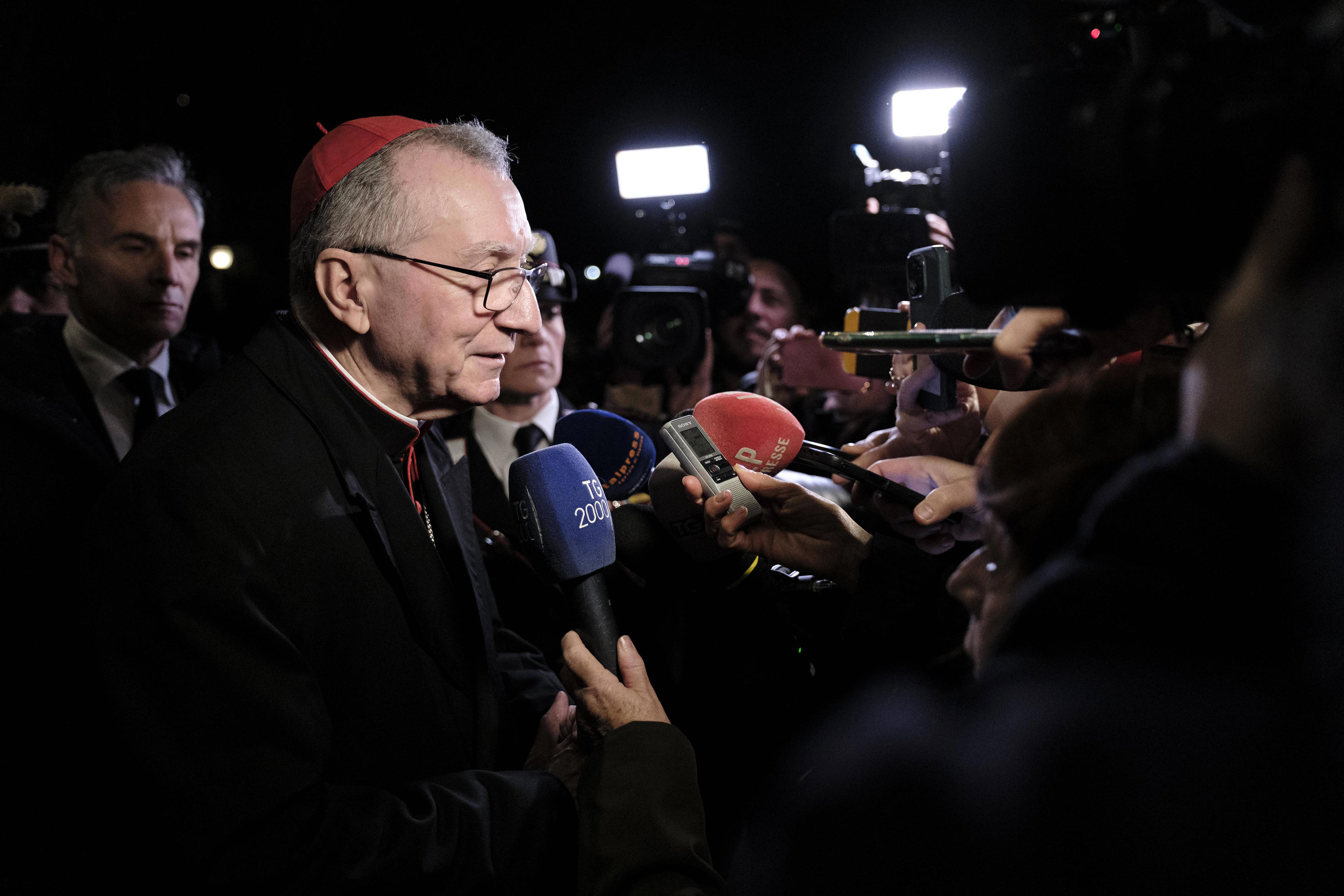 In a complex geopolitical landscape, the Vatican is re-emerging as a pivotal mediator in the long-standing and often turbulent relationship between the United States and Cuba. This renewed role comes at a time when the Trump administration is intensifying pressure on Havana, particularly following recent events in Caracas and Tehran.
A Diplomatic Breakthrough?
Cuba's foreign ministry recently announced the release of 51 prisoners, a move timed to coincide with Holy Week. The ministry explicitly attributed this action to the "close and fluid relations between the Cuban state and the Vatican." This development followed closely on the heels of statements by Vatican Secretary of State Pietro Parolin, who indicated that the Holy See had undertaken "necessary steps" to facilitate a "negotiated solution" between the two nations. Further underscoring this diplomatic engagement, Cuban Foreign Minister Bruno Rodríguez Parrilla was received by Pope Leo XIV just over a week prior. These high-level discussions occurred shortly after a meeting in Rome between a senior U.S. diplomat and the Vatican's equivalent of a foreign minister.
While neither the U.S. nor Cuba has officially confirmed the existence of a Vatican-brokered backchannel, this news surfaces as President Trump is reportedly exploring options for Cuba, including a "friendly takeover." Concurrently, reports suggest the White House is preparing a "surprise economic deal" that could potentially ease restrictions on American travel to the island and involve agreements concerning ports, energy, and tourism infrastructure. Sources indicate that limited sanctions relief may also be part of the proposed package.
Potential Concessions and Regional Dynamics
The proposed agreement could offer a pathway for Cuban President Miguel Díaz-Canel, whom U.S. officials perceive as an impediment to current discussions, to step down gracefully. Crucially, such a deal might allow members of the influential Castro family to remain on the island. Cuban officials have reportedly shown an openness to these provisions, which could de-escalate bilateral tensions and align with the Trump administration's strategic interests in the Caribbean.
The prospect of an agreement that averts bloodshed, state collapse, and mass migration arrives at a particularly opportune moment. Secretary of State Marco Rubio, a long-time advocate for regime change in Havana, appears to have softened his stance on immediate political transformations. He recently suggested that gradual economic reform could serve as a viable path toward improving bilateral relations.
Other positive developments include the recent authorization of fuel sales to Cuba's private sector, a significant move amid a de facto oil blockade. Additionally, $9 million in humanitarian aid has been delivered through the Catholic Church. While these measures fall short of fully mitigating the severe impacts of the Trump administration's "maximum pressure" strategy, they signal a potential concern within the administration about provoking a humanitarian crisis or regime collapse so close to Florida, especially in an election year.
In response to perceived signals from the Trump administration, Cuban authorities have recently legalized public-private partnerships and have begun discussing significant economic reforms that would empower the country's private sector.
Ongoing Dialogue and International Perspectives
The State Department's Coordinator for Cuban Affairs recently visited the island to engage with Catholic leaders on humanitarian aid distribution. While the specifics of his meetings with Cuban government officials remain unclear, it was reported that a "formal meeting between Cuban government officials and officials in the U.S. State Department" was anticipated.
Cuban authorities have downplayed the extent of these discussions, characterizing them as informal "exchanges of messages," but have reiterated their willingness to participate in more formal talks. President Trump has frequently stated that Secretary Rubio is engaged in negotiations with high-ranking Cuban leaders.
Reports from the Miami Herald and Axios suggest that Rubio's State Department advisors have met with the grandson of former Cuban President Raúl Castro, and other individuals within Castro's inner circle. Cuban authorities have not denied these meetings, though they have labeled them as "speculation."
At a recent CARICOM Summit, many Caribbean nations voiced their preference for a negotiated resolution to U.S.-Cuba relations. Jamaican Prime Minister Andrew Holness emphasized the need for "constructive dialogue" to ease tensions and foster reform and stability. Regional leaders, including Mexico's Claudia Sheinbaum, have offered their services as mediators, while others, like Colombia's Gustavo Petro, have reportedly attempted to facilitate oil shipments to the island. However, upcoming elections in Colombia and Brazil, coupled with President Trump's propensity for retaliatory measures, have somewhat tempered broader regional efforts to de-escalate U.S.-Cuba tensions.
This apprehension was evident when both Jamaica and Guyana, despite calls for reconciliation, succumbed to U.S. pressure by canceling a long-standing program that contracted Cuban medical professionals. This program was vital to their healthcare systems and a significant source of revenue for Cuba, which the U.S. has characterized as "state-sponsored human trafficking."
Navigating a Complex Strategy
The overall strategy of the Trump administration toward Cuba remains ambiguous. On one hand, the administration appears to aim at making the island dependent on the U.S. by controlling access to fuel, dollars, and resources entering the private sector. Simultaneously, there are considerations of pursuing criminal charges against Cuban authorities and restricting revenue streams to the public sector, which is responsible for essential services like healthcare, education, and utilities.
However, broad U.S. sanctions and internal divisions within the Trump administration have reportedly deterred U.S. executives from fully endorsing the administration's plans. There is a palpable fear of the administration's unpredictable policy shifts.
The Vatican's Historical Role
For now, a Vatican-led mediation appears to be the most viable path for both governments to resolve their differences while prioritizing the welfare of the Cuban people. The Vatican has a proven track record in facilitating significant breakthroughs in U.S.-Cuba relations.
During the final days of the Biden administration, the Vatican played a crucial role in an agreement that led to the release of 533 prisoners, Cuba's removal from the U.S. State Sponsor of Terrorism list, the elimination of a State Department "Cuba Restricted List," and the suspension of a provision allowing lawsuits against entities allegedly trafficking in nationalized property.
The Vatican was also instrumental in the secret negotiations between the U.S. and Cuba in 2013-2014. Pope Francis, in particular, is credited with encouraging President Obama to pursue reconciliation and dialogue with Havana, acting on the advice of Catholic cardinals from Cuba and Boston.
Pope Francis' personal involvement was key to overcoming an impasse during those negotiations. A meeting at the Vatican, coordinated by Secretary Parolin, was considered fundamental in building trust and enabling both sides to fulfill their commitments.
Following these breakthroughs, Pope Francis visited Cuba in 2015, an event warmly received by the Cuban people and that helped solidify a more constructive relationship between the Cuban government and the Catholic Church.
Despite the passing of Pope Francis, his successor, who has visited the island and may have Cuban heritage, appears ready to continue this legacy of engagement. Pope Leo XIV recently called for "sincere and effective dialogue" to prevent violence and suffering among the Cuban people.
Post a Comment for "Vatican Amplifies US-Cuba Diplomacy"