
Yemen's Houthis enter Iran war with attacks on Israel, while US Marines arrive in region
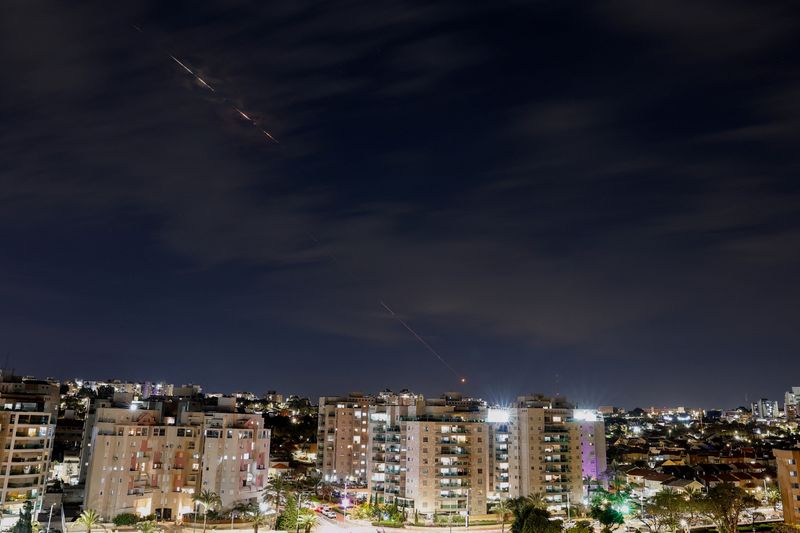 The escalating conflict in the Middle East has taken a dangerous turn as Yemen's Houthi rebels, aligned with Iran, launched their initial assaults on Israel since the current hostilities began. This development coincides with the arrival of additional U.S. military forces in the region, signaling a heightened risk of a broader war.
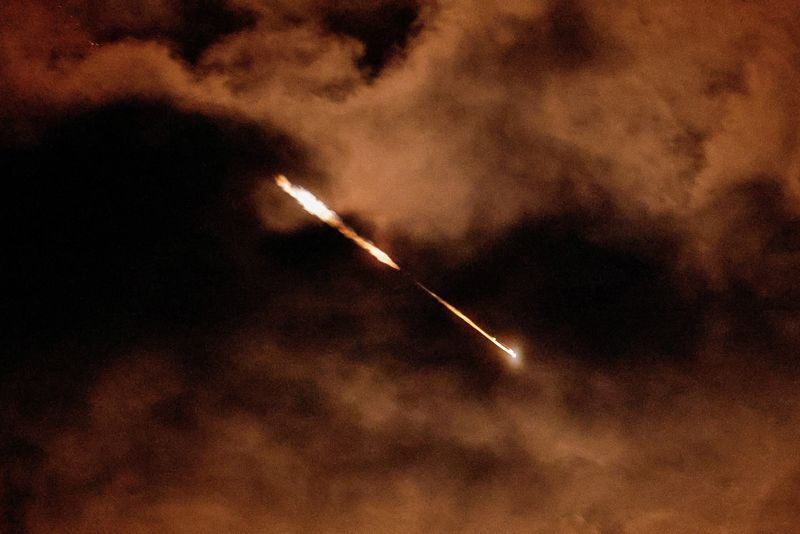 In response to the intensifying situation, Washington has deployed thousands of Marines to the Middle East. The first contingent of these forces arrived on Friday aboard an amphibious assault ship, according to U.S. military statements made on Saturday. Reports from The Washington Post indicated that U.S. officials were preparing for potential ground operations within Iran, which could involve specialized Special Operations units and conventional infantry. However, the ultimate decision on whether President Donald Trump would authorize the deployment of ground troops remained uncertain at the time of reporting.
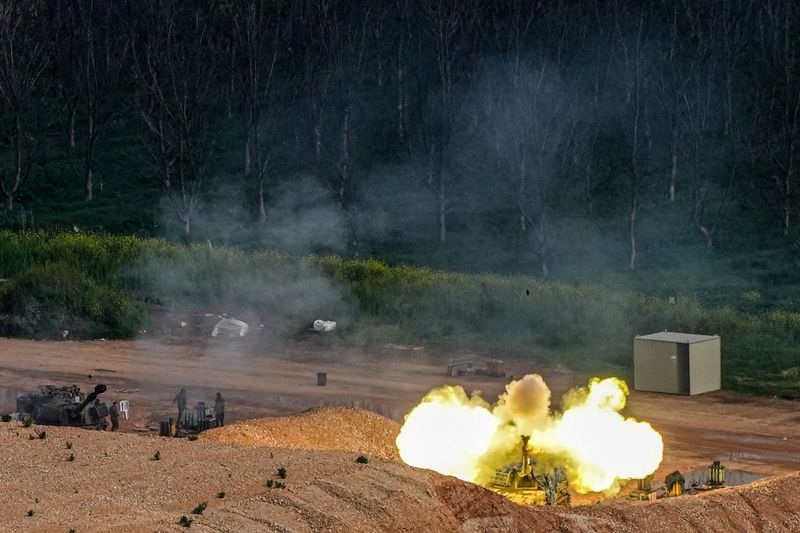 The Pentagon has been reportedly considering military actions that might include the deployment of ground forces into Iran.
Casualties Amidst Escalating Conflict
The conflict, which commenced on February 28 with coordinated strikes by the U.S. and Israel on Iran, has rapidly expanded its reach across the Middle East. The hostilities have resulted in thousands of casualties and have significantly impacted the global economy, causing unprecedented disruptions to energy supplies worldwide.
Secretary of State Marco Rubio stated on Friday that the U.S. could achieve its objectives without committing ground troops. Nevertheless, he noted that some forces were being deployed to the region to provide President Trump with "maximum" flexibility in adapting the military strategy. Furthermore, the Pentagon was also expected to deploy thousands of soldiers from the U.S. Army's 82nd Airborne Division.
Meanwhile, Pakistan is set to host a crucial two-day summit commencing Sunday. The meeting will involve the foreign ministers of Saudi Arabia, Turkey, and Egypt, with the aim of de-escalating regional tensions and exploring avenues for peace. This diplomatic effort follows a recent conversation between Iranian President Masoud Pezeshkian and Pakistan's Prime Minister Shehbaz Sharif.
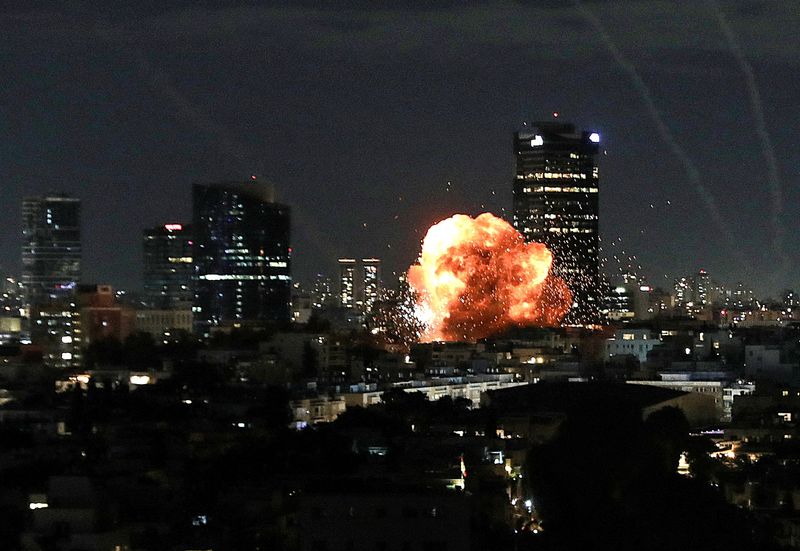 The Israeli military announced on Sunday that it had conducted strikes on Iran's weapons manufacturing infrastructure the previous day, targeting dozens of storage and production facilities. According to Iranian state media, an attack on a pier in the southern port city of Bandar-e-Khamir resulted in five fatalities and the destruction of two vessels.
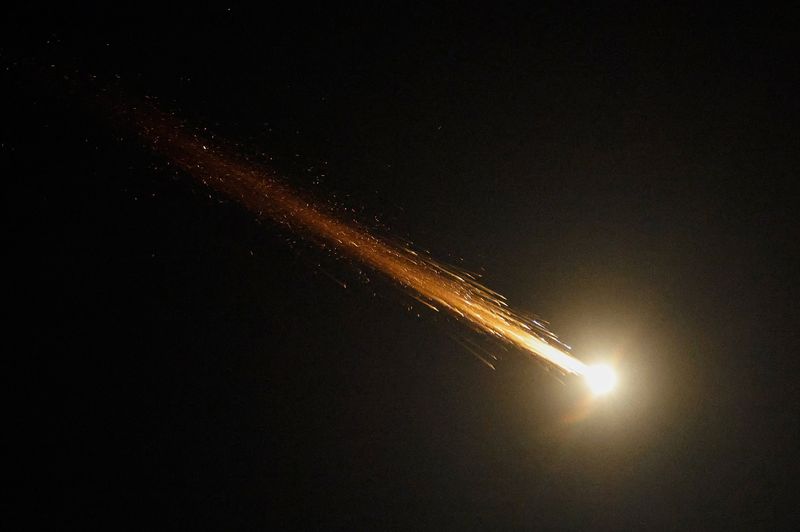 Israel also extended its operations into Lebanon, renewing its conflict with Iran-backed Hezbollah. Reports from Lebanon's Al Manar TV indicated that three Lebanese journalists were killed in an airstrike on a media vehicle, along with a Lebanese soldier. A subsequent strike targeting rescue workers who responded to the initial incident also led to further fatalities. The Israeli military stated that it had specifically targeted one of the journalists, accusing him of belonging to a Hezbollah intelligence unit and reporting on the positions of Israeli soldiers.
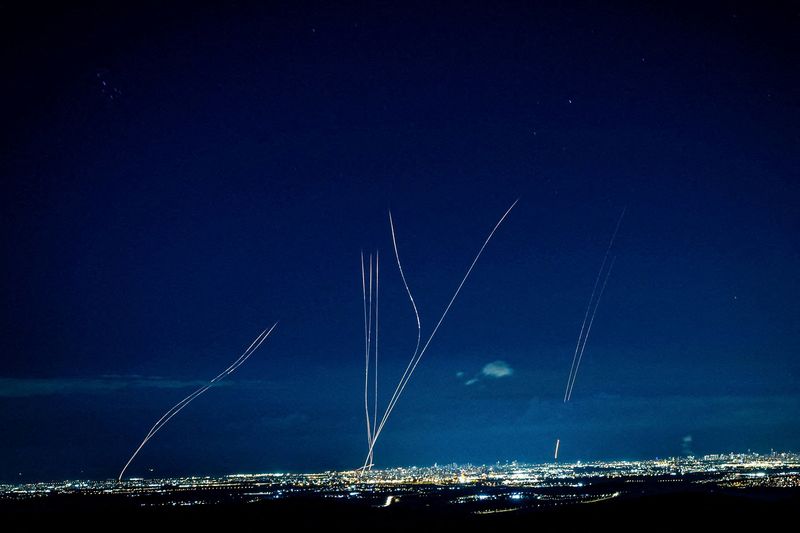 Early Sunday, the Israeli military confirmed the death of one of its soldiers during combat operations in Lebanon.
Iran continued its offensive actions against Israel and several Gulf states. Security sources reported early Sunday that air defenses had successfully intercepted a drone near the residence of Masoud Barzani, the leader of the Iraqi Kurdish ruling party, in Erbil. Additional reports from security sources on Saturday indicated that another drone attack had targeted the home of the president of Iraq's Kurdistan region.
Houthi Attacks Pose New Threat to Global Shipping
The Houthi spokesperson, Yahya Saree, confirmed a second strike on Israel by the group and vowed further actions. These assaults signal a potential new threat to international shipping, which has already been severely impacted by the effective closure of the Strait of Hormuz. This vital waterway previously facilitated approximately one-fifth of global oil and liquefied natural gas supplies.
The Houthis have demonstrated a capability to strike targets well beyond Yemen's borders and to disrupt shipping lanes around the Arabian Peninsula and the Red Sea, mirroring their actions in support of Hamas during the Gaza conflict. If the Houthis broaden their involvement in the current conflict, a significant target could be the Bab el-Mandeb Strait, located off the coast of Yemen. This strait is a critical chokepoint for maritime traffic heading towards the Suez Canal.
With the U.S. midterm elections approaching in November, the increasingly unpopular war has become a significant concern for President Trump's Republican Party. Trump has expressed a desire to conclude the conflict swiftly, while simultaneously issuing threats of escalation. Demonstrations against the war in Iran took place across various cities in the United States on Saturday, with organizers framing them as a call to action against the ongoing hostilities.
President Trump had previously threatened to target Iran's power stations and other energy infrastructure if Iran did not reopen the Strait of Hormuz. However, he extended a deadline he had imposed for that week, granting Iran an additional ten days to respond. Threats from Iran to attack ships transiting the strait have deterred most oil tankers from attempting passage. In a diplomatic development, Iran has reportedly agreed to allow an additional 20 Pakistani-flagged vessels to transit the strait, with two ships permitted to pass daily, according to Pakistani Foreign Minister Ishaq Dar.
Israel has also focused its strikes on Iran's nuclear infrastructure. The head of Russia's state nuclear corporation, Rosatom, which had evacuated staff from the Bushehr nuclear power plant on the Gulf coast, voiced concerns that the attacks posed a threat to nuclear safety. President Pezeshkian of Iran stated that Iran would "retaliate strongly if our infrastructure or economic centers are targeted."
Post a Comment for "Yemen's Houthis enter Iran war with attacks on Israel, while US Marines arrive in region"