
Oil prices reflect rising uncertainty
As the conflict reaches day 34, global markets are reacting to continued instability in the region. Oil prices have risen as concerns grow about supply disruptions, particularly in key transit routes linked to the Middle East.
Energy markets are highly sensitive to geopolitical risk. Even the possibility of disruption can lead to price increases, which then affect fuel costs, transportation, and broader economic conditions worldwide.
Public messaging has not reassured markets
Recent statements from the U.S. president have not significantly calmed concerns. While officials have emphasized long-term strategy and security objectives, markets appear focused on immediate risks.
Investors and analysts are closely watching whether concrete measures will be taken to stabilize the situation. In the absence of clear solutions, uncertainty continues to drive price volatility.
The Strait of Hormuz becomes a central issue
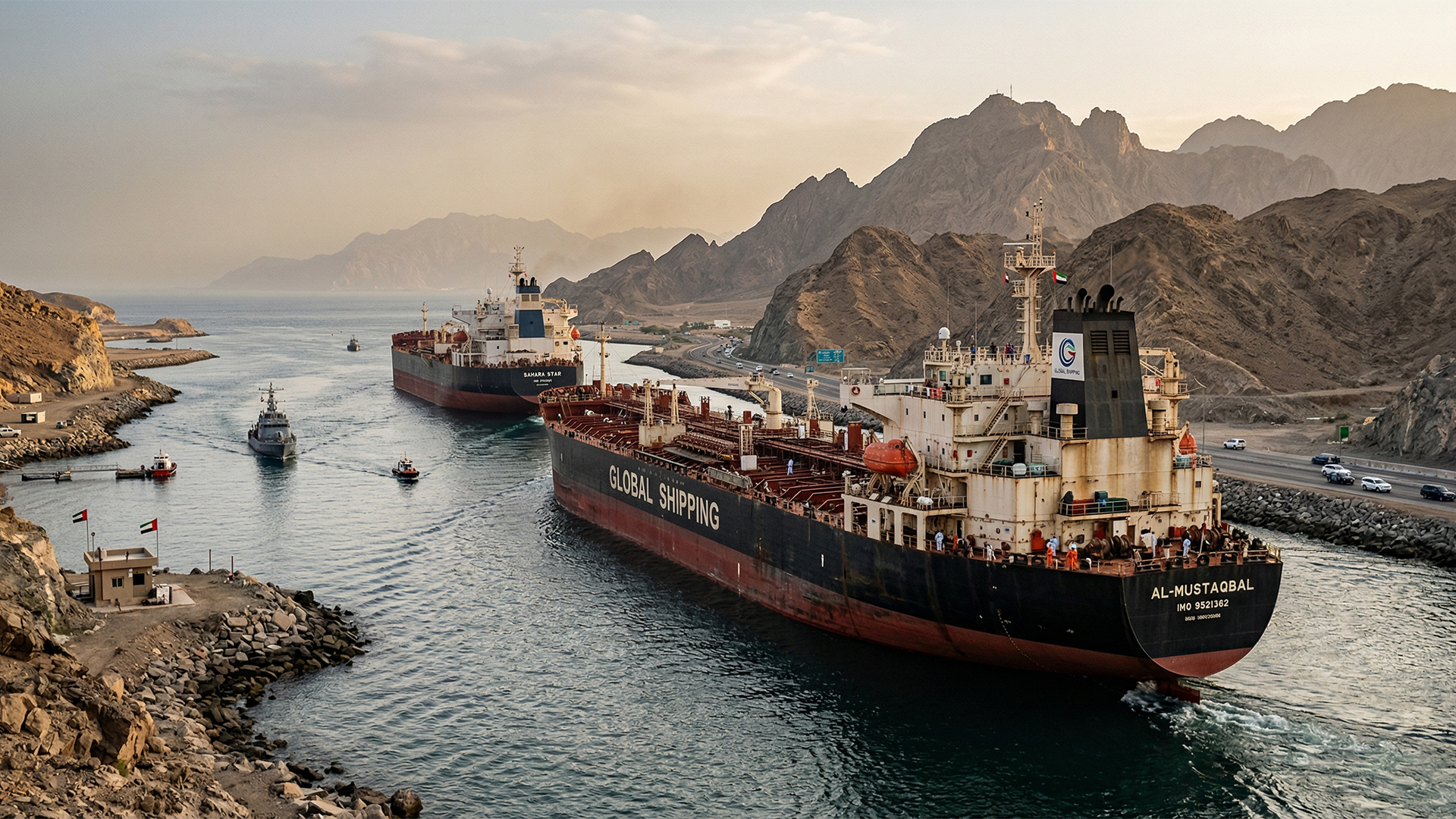
One of the most critical developments is the growing focus on the Strait of Hormuz. This narrow waterway is one of the most important النفط transit routes in the world, with a large share of global oil shipments passing through it.
A proposal at the United Nations Security Council aims to authorize countries to take defensive measures to secure the route. More than 40 countries have already taken part in discussions about how to ensure that shipping can continue safely.
Why the Strait of Hormuz matters globally
The Strait of Hormuz connects the Persian Gulf to international shipping lanes. Because of its limited width and high traffic, it is particularly vulnerable to disruption.
If access to the strait is restricted or blocked, the impact on global oil supply can be immediate. This can lead to rapid increases in fuel prices and broader economic consequences across multiple regions.
Iran’s military capabilities remain a concern
Despite weeks of sustained military pressure, U.S. intelligence assessments indicate that Iran retains significant missile capabilities. According to reports, these systems could still be used to target locations across the region.
This suggests that the conflict has not eliminated key elements of Iran’s military infrastructure. As a result, the risk of further escalation remains present.
The risk of regional disruption
Analysts have warned that Iran has the capacity to affect stability across the Middle East. This includes not only direct military actions, but also indirect effects through regional networks and strategic positioning.
Such capabilities contribute to ongoing uncertainty, particularly in areas connected to energy infrastructure and shipping routes.
Markets show mixed reactions
While oil prices have surged, other parts of the market have shown signs of resilience. Asian equities, for example, have rebounded in response to hopes that the conflict could eventually stabilize.
This mixed reaction highlights the complexity of the situation. Some sectors are reacting to immediate risks, while others are responding to potential long-term outcomes.
Airlines feel the pressure of rising fuel costs
The impact of higher oil prices is already being felt in the aviation sector. Airlines in Asia have begun raising ticket prices and adjusting flight schedules as fuel costs increase.
Jet fuel is a major operational expense for airlines. When prices rise quickly, companies often pass some of those costs on to consumers or reduce capacity to manage financial pressure.
A gap between strategy and immediate impact
The current situation reflects a broader challenge. Strategic objectives, such as limiting military capabilities and stabilizing the region, are long-term goals. However, the economic effects of the conflict are immediate.
This gap between long-term policy and short-term impact is becoming more visible, particularly as consumers experience higher costs.
International coordination becomes more important
Efforts to secure shipping routes and stabilize markets depend on coordination between multiple countries. The involvement of over 40 nations in discussions about the Strait of Hormuz highlights the global importance of the issue.
Maintaining open trade routes is not only a regional concern, but a global priority given the interconnected nature of energy markets.
Why this moment matters
The developments around oil prices, military capabilities, and shipping routes are closely linked. Changes in one area can quickly influence the others.
As the conflict continues, the focus is shifting toward managing risk and preventing further disruption. The situation remains fluid, and both economic and security factors are likely to shape what happens next.
No comments:
Post a Comment