
Anthropic's Mythos: White House AI Strategy in Turmoil
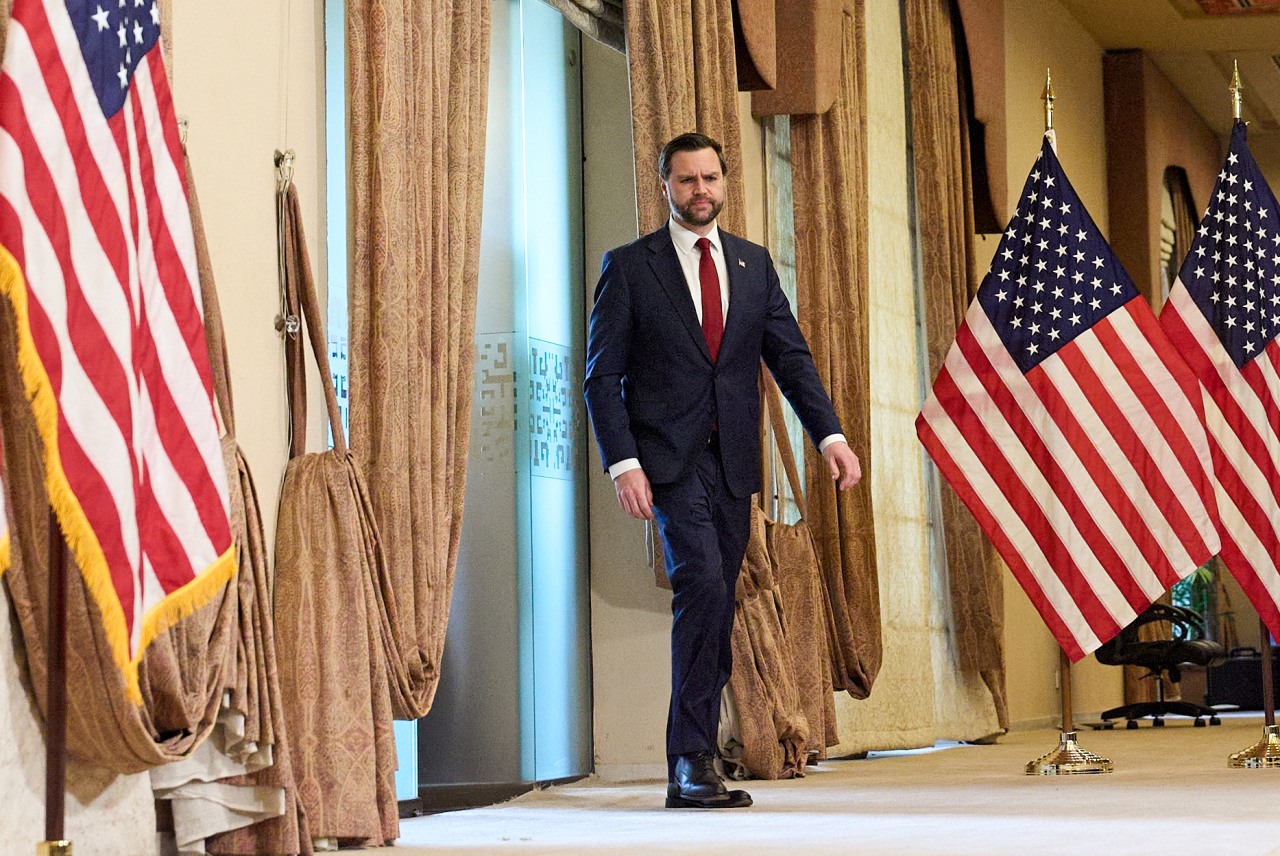 Vice President JD Vance expressed significant concern following a recent conference call with the chief executives of major artificial intelligence companies. The discussion highlighted the potential disruptive capabilities of new AI models, such as Anthropic's Mythos, which are reportedly adept at identifying software vulnerabilities independently. Vance voiced apprehension that these advanced AI systems could be exploited to launch cyberattacks against critical infrastructure in smaller communities, including local banks, hospitals, and water treatment facilities, potentially overwhelming the limited cybersecurity defenses of local governments.
During the call, Vance emphasized the need for collaborative action among industry leaders and government officials to address these emerging threats. The meeting included prominent figures such as Sam Altman of OpenAI, Dario Amodei of Anthropic, Elon Musk of SpaceX, Sundar Pichai of Alphabet's Google, and Satya Nadella of Microsoft. This conversation, which followed a White House briefing that initially sparked Vance's concerns, has catalyzed a notable shift in the administration's approach to artificial intelligence. The government's response to the capabilities of models like Mythos suggests an increased likelihood of government oversight and a potential reevaluation of the administration's broader technology agenda. This marks a departure from previous rhetoric focused on maintaining a competitive edge against China and streamlining AI model deployment.
White House Considers New Oversight Mechanisms for Advanced AI
The White House is reportedly exploring the possibility of an executive order that could establish a formal process for overseeing the development and deployment of the most sophisticated AI models. In parallel, administration officials have reportedly urged Anthropic to delay expanding access to Mythos to additional companies and organizations responsible for managing critical digital infrastructure. To spearhead the government's response, National Cyber Director Sean Cairncross has been tasked with leading efforts to address the potential risks associated with AI models. These actions could encompass a range of measures aimed at enhancing model safety and potentially limiting the extent to which private companies can dictate the government's use of their AI tools.
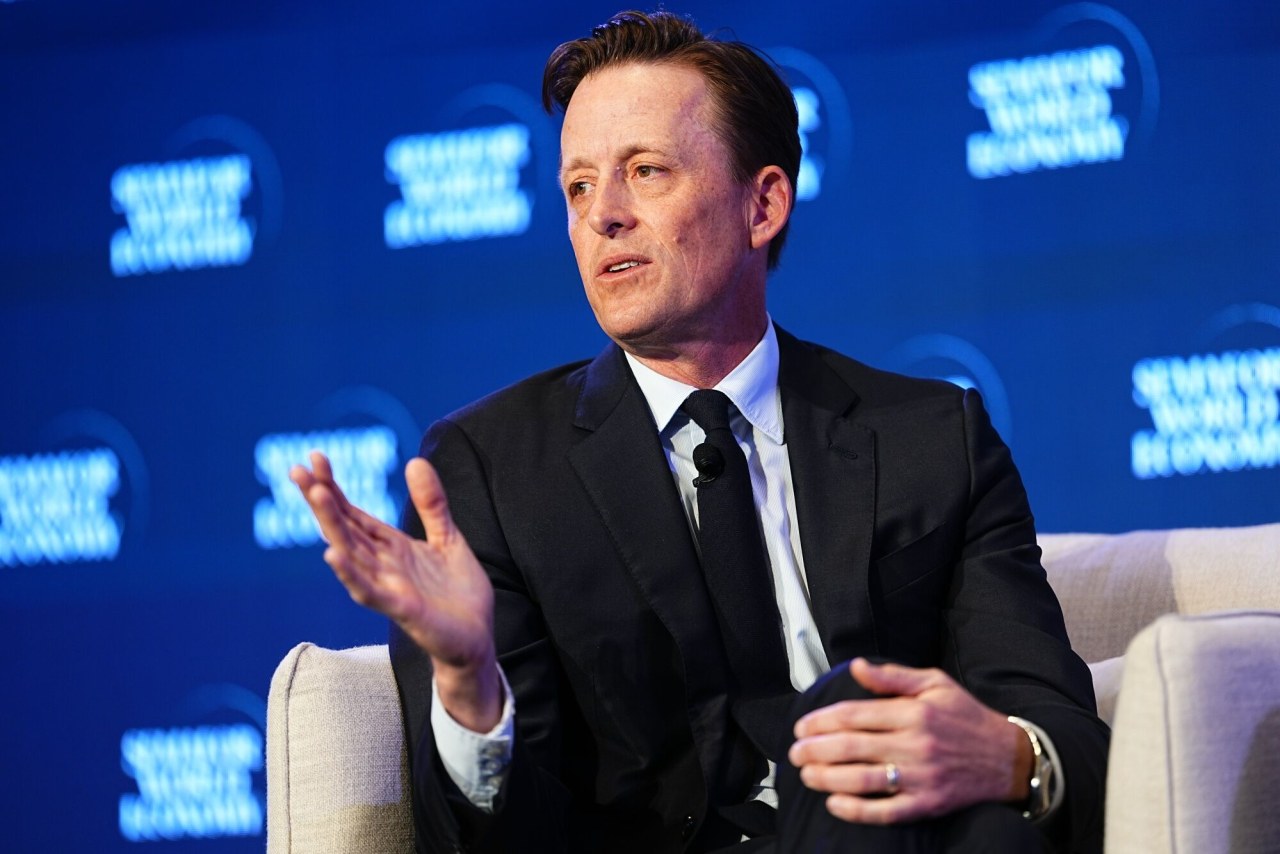 The unease within the White House regarding Mythos has led some administration officials and congressional aides to fear that these developments represent a policy reversal and an overreaction to the perceived threat. Concurrently, the actions taken by Cairncross to manage access to Mythos and the broader government response have reportedly caused frustration among administration officials who desire greater input into the decision-making process.
Proponents of AI Safety Welcome Potential for Increased Oversight
The potential executive order is being met with enthusiasm by advocates for AI safety, who view it as a significant step away from a more laissez-faire approach championed by figures like venture capitalist and White House advisor David Sacks. Sacks, speaking recently on a podcast, downplayed the notion of an "existential threat," suggesting that the risks could be mitigated if AI tools are utilized responsibly to enhance digital security.
However, administration officials maintain that they are striving for a balance between necessary oversight and fostering innovation. White House Chief of Staff Susie Wiles stated on X that the administration remains committed to an "America First" initiative that empowers American innovators rather than imposing bureaucratic hurdles on the safe deployment of powerful technologies.
An administration official indicated that the White House is dedicated to a pro-industry AI strategy while simultaneously working to mitigate the risks posed by advanced models like Mythos and OpenAI's GPT-5.5-Cyber. However, this official also noted that any discussions regarding executive orders are purely speculative unless formally announced by President Trump.
OpenAI has confirmed that it consulted with the administration prior to previewing its advanced cyber model, which exhibits capabilities similar to those demonstrated by Mythos. The company is also reportedly implementing restrictions on access to this model.
In a related development, both the United States and China are reportedly considering initiating official discussions regarding the risks associated with artificial intelligence, particularly in anticipation of an upcoming summit between President Trump and Chinese leader Xi Jinping.
Comparisons to FDA Approval Process Spark Debate
White House National Economic Council Director Kevin Hassett drew parallels between the anticipated oversight process for advanced AI models and the rigorous approval procedures mandated by the Food and Drug Administration (FDA) for new drugs. These comments have drawn criticism from those who align with the administration's pro-growth AI stance, suggesting that such comparisons could lead to the implementation of burdensome regulations that might stifle the progress of AI companies.
Neil Chilson, head of AI policy at the Abundance Institute, a nonprofit organization that advocates against excessive government intervention in the private sector, argued that adopting an FDA-like approach for AI would contradict President Trump's current pro-growth AI policies. This sentiment echoes concerns previously voiced by the White House regarding the potential for overregulation to hinder the burgeoning AI industry, a point Vance himself reiterated at an AI summit in Paris in February 2025.
Vance's Role as a Bridge Between Tech and Government
The Vice President has emerged as a key intermediary between the technology sector and the administration. The April conference call represented a rare opportunity for senior administration officials to engage directly with a significant number of AI company CEOs simultaneously.
Vance has previously played a role in mediating complex tech-related negotiations, including brokering a deal that granted investors favorable to the White House influence over TikTok's U.S. operations. Furthermore, when advisors like Sacks were advocating for a moratorium on state-level AI regulations, Vance served as a crucial liaison between proponents of such a ban and White House allies who opposed it. President Trump signed an executive order in December aimed at addressing state-level regulations while also committing to protecting children online and mitigating the impact of AI data centers.
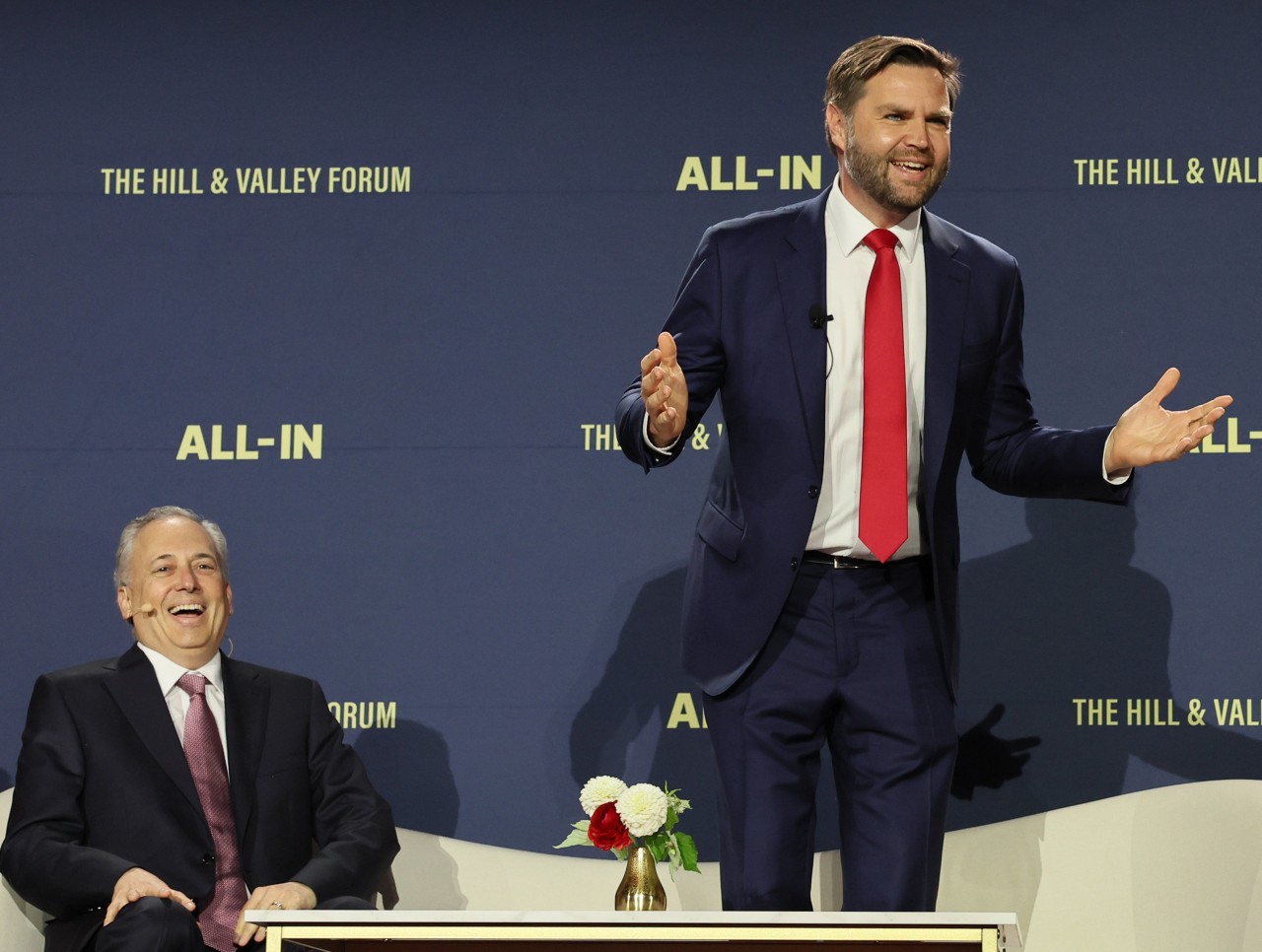 Treasury Secretary Scott Bessent and Secretary of State Marco Rubio were also participants in the April call, alongside Vance and Cairncross. The Treasury Secretary has reportedly issued warnings to senior banking executives about the potential risks posed by Mythos, a model so effective at identifying software vulnerabilities that Anthropic has chosen not to release it publicly.
Organizations advocating for increased AI oversight have welcomed the administration's recent statements, particularly after opposing previous efforts to dismantle the tech strategy implemented by the Biden administration, which had included provisions for pre-release model reviews.
Brad Carson, president of Americans for Responsible Innovation, a bipartisan nonprofit group that promotes stronger regulatory frameworks for AI, described the recent developments as a "promising step in the right direction" and a "fundamental shift" in the federal government's perspective on its role. Carson, a former Democratic congressman, also co-leads a political organization supporting candidates who advocate for more stringent AI regulations.
Anthropic has reportedly invested in the political group co-led by Carson and has been a more vocal proponent of federal guardrails compared to other AI companies that have largely aligned with the Trump administration's messaging favoring a less restrictive regulatory environment. In an effort to bridge a recent impasse, Amodei met with Bessent and Wiles last month to discuss Mythos, a meeting that appears to have facilitated dialogue between the parties.
Post a Comment for "Anthropic's Mythos: White House AI Strategy in Turmoil"