
For the first time since 1972, NASA released 12,000 Artemis 2 photos showing rare views of Earth few humans have ever witnessed
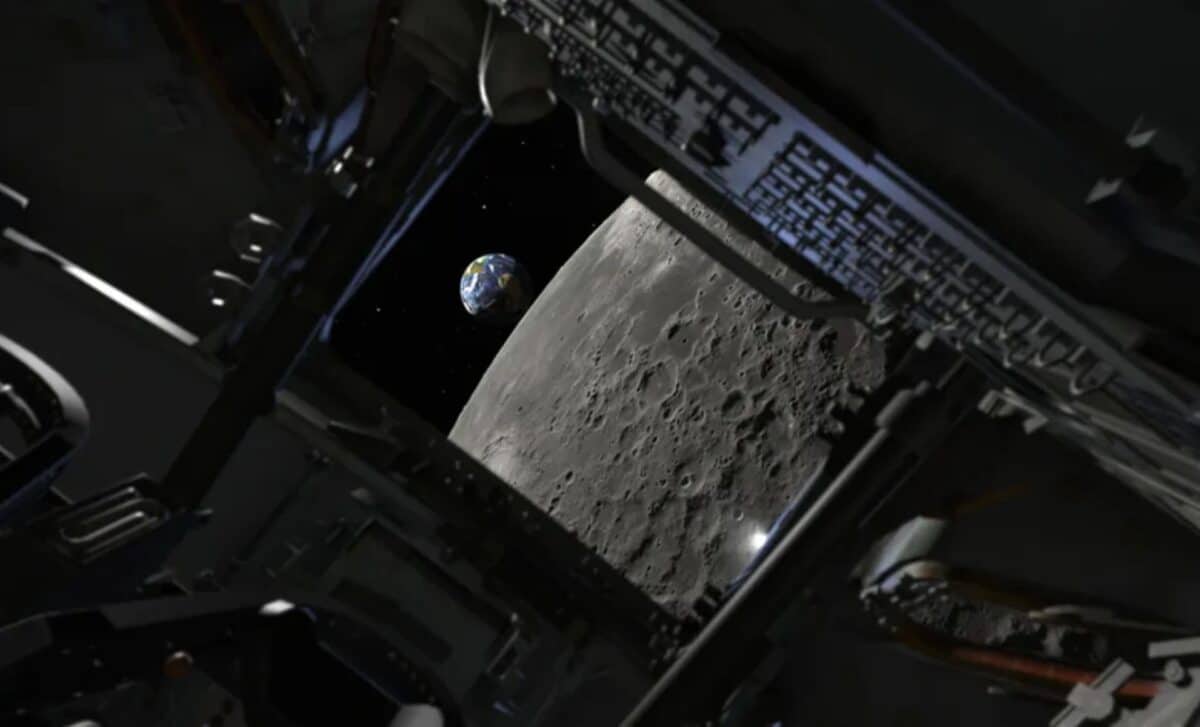
A new timelapse created from thousands of photographs taken during NASA’s Artemis 2 mission is giving the space enthusiasts a striking look at Earth from deep space. The footage captures satellites, auroras, and the shifting appearance of the planet as astronauts traveled around the moon last month.
The timelapse was assembled from a selection of roughly 12,000 images recently released from the mission archive. According to reports accompanying the release, the video highlights some of the crew’s most notable views during the 10-day journey aboard the Orion spacecraft.
Artemis 2 launched on April 1 and returned to Earth on April 10 with four astronauts onboard: Reid Wiseman, Victor Glover, Christina Koch, and Jeremy Hansen of the Canadian Space Agency. The mission marked the first time astronauts had traveled beyond low Earth orbit since Apollo 17 in 1972.
While the mission’s primary objective was to complete a crewed lunar flyby and test systems for future expeditions, many of the images released afterward focused on Earth itself. Some of those photographs quickly became among the mission’s most discussed moments.
Earth’s Day-to-Night Transition Captured in Spectacular Timelapse
The newly released video, published in the official YouTube channel of Space.com, begins with a broad view of Earth slowly moving into frame. From the astronauts’ perspective inside Orion, the illuminated surface of the planet gradually disappears into darkness as the spacecraft continues its path through space.
Later sequences show Earth from closer range, with small bright points visible above the edge of the atmosphere. According to the released archive information cited by the same source, those moving lights are satellites seen from the spacecraft during the mission.
The timelapse also includes visible auroras near Earth’s poles. The glowing atmospheric displays, commonly known as the northern lights and southern lights, appear briefly along the planet’s horizon before fading as Earth moves farther from the camera.
Artemis 2 Becomes First Deep-Space Crew Mission in Decades
NASA’s Artemis 2 mission represented a return to human deep-space travel after more than five decades. As explained in a statement from the Royal Museums Greenwich overview, no crewed spacecraft had ventured beyond low Earth orbit since the Apollo program ended in the 1970s.
As NASA stated, the four astronauts traveled around the moon without landing, testing the Orion spacecraft during a mission lasting just over a week. Throughout the flight, the crew documented both the moon and Earth extensively through photography. Many of the released images focused on Earth’s changing appearance from deep space. Some showed broad illuminated sections of the planet, while others captured only thin crescents partially hidden in shadow.
“Earthset” Became One of the Mission’s Most Iconic Images
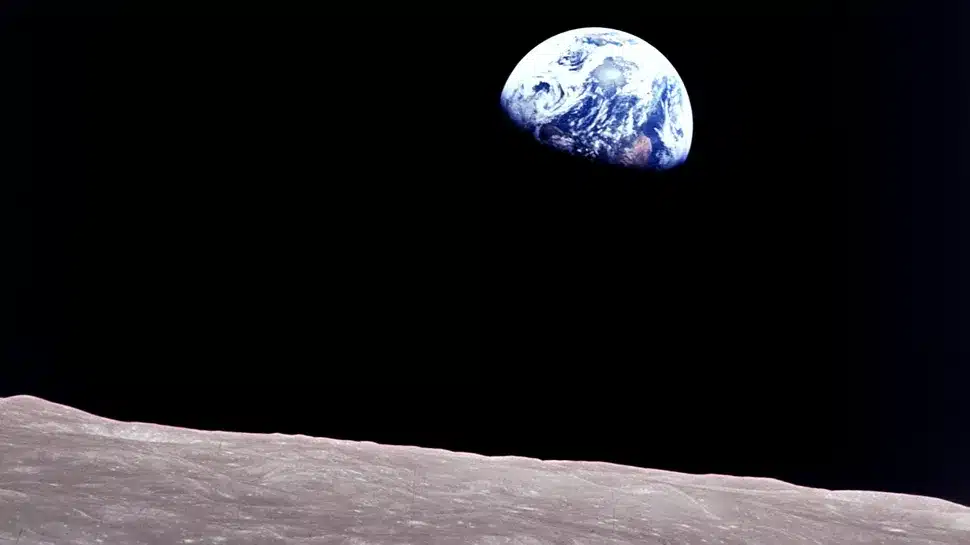
As explained by Space.com, one of the most widely shared images from Artemis 2 was taken during the spacecraft’s flyby of the moon’s far side on Flight Day 6. The crew captured what they called an “Earthset,” a reference to the famous “Earthrise” image photographed by Apollo 8 astronaut Bill Anders in 1968.
According to mission details released alongside the image, the photograph was taken on April 6 at 6:41 p.m. EDT. It showed a narrow crescent of Earth above the lunar horizon while much of the planet remained in darkness. Cloud formations above Australia and nearby ocean regions were still illuminated in the image.
The foreground also included the moon’s Ohm Crater, which measures roughly 40 miles, or 64 kilometers, across. NASA’s Artemis program is expected to continue with future missions including Artemis 3 and Artemis 4under the agency’s revised schedule.
Enjoyed this article? Subscribe to our free newsletter for engaging stories, exclusive content, and the latest news.
Post a Comment for "For the first time since 1972, NASA released 12,000 Artemis 2 photos showing rare views of Earth few humans have ever witnessed"